In the digital era, your brand’s reputation is its most valuable currency. For influencers, public figures, and businesses operating on Facebook, the emergence of copycat accounts and sophisticated phishing scams poses a constant threat. When impostors masquerade as your brand, they don’t just steal content; they erode trust and siphon off potential revenue. The most effective antidote to this digital impersonation is the coveted Facebook verification badge—the blue checkmark that serves as a hallmark of authenticity.
While the process of obtaining this badge is often shrouded in mystery, it is not arbitrary. Securing verification is a strategic endeavor that requires a blend of professional grooming, community building, and meticulous documentation. This guide explores the mechanics of Facebook verification, the steps to maximize your chances of approval, and the best practices for maintaining your status once the badge is secured.
The Evolution of the Blue Checkmark: A Chronology
The concept of digital verification was born from the necessity to distinguish public figures from the masses. Facebook’s journey into the verification landscape began in 2013, when the platform—taking inspiration from Twitter’s pioneering verification model—introduced "Verified Pages and Profiles."
Initially, this feature was an exclusive club reserved for a select elite: A-list celebrities, world-renowned artists, and massive international organizations. The objective was purely protective: to prevent confusion in an environment where high-profile entities were frequently targeted by impersonators.
By 2018, the landscape shifted. Recognizing that "notability" wasn’t exclusive to the traditional celebrity class, Facebook expanded its criteria to include pages with significant followings. This marked the democratization of the badge, allowing mid-tier influencers and growing business brands to apply. Today, the platform offers verification for both individual profiles and business pages, provided the account meets specific threshold requirements regarding audience size and public interest.
What Verification Is—And What It Isn’t
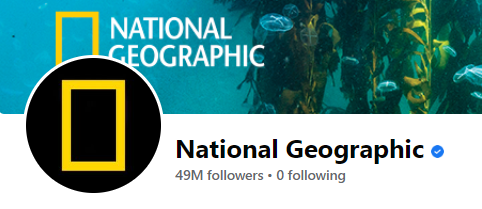
It is a common misconception that all "badges" on Facebook are created equal. The platform frequently issues top-seller badges for Marketplace or top-fan badges for engaged community members. However, the blue verification checkmark stands in a league of its own. It is a formal declaration by Facebook that an account is the authentic presence of the public figure, celebrity, or global brand it represents.
It is important to note what the badge does not signify. It is not a stamp of approval regarding the quality of your content, nor is it a sign of political endorsement by Meta. Furthermore, it does not offer special algorithmic preference in the traditional sense; however, it does provide a significant boost in search results, as verified pages are prioritized over unverified ones, making it easier for genuine customers to find you.
The Four Pillars of Verification
When Facebook’s internal review teams evaluate an application, they generally focus on four core pillars:
- Authenticity: Does the account represent a real person, registered business, or entity?
- Uniqueness: Is this the only presence of this person or business on the platform? (Official language-specific pages are exceptions).
- Completeness: Is the account active and fully populated with bio, profile photo, and recent activity?
- Notability: Does the entity represent a well-known, highly searched-for person, brand, or entity?
Strategic Steps to Securing Your Badge
Applying for verification is simple, but getting approved requires preparation. Before you touch the application form, you must optimize your digital footprint.
1. The Pre-Application Audit
Before submitting your request, treat your Facebook Page as a resume. If your "About" section is sparse, your profile picture is outdated, or your contact information is missing, you are signaling to Facebook that your account is not managed with the level of professional rigor required for a verified entity. Ensure your website link is live and that the domain is officially registered to your business.
2. Confirming Your Identity
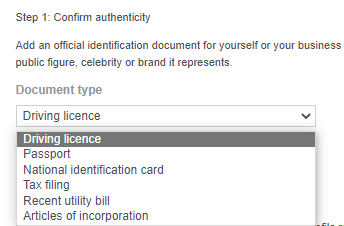
You will be required to upload official documentation. For individuals, this means a government-issued photo ID (driver’s license, passport, or national identification card). For businesses, you must provide official documents such as articles of incorporation, tax filings, or utility bills that clearly show the business’s name and address. Ensure these documents are high-resolution, clear, and unexpired.
3. Establishing Notability
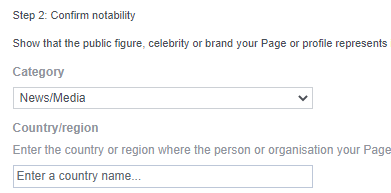
This is the most challenging hurdle for many applicants. Facebook wants to know: Why do people care about you? In the application form, you will be asked to select your industry and geographic region. Use the "Additional Information" field to provide context. Mention your press coverage, your awards, or your unique contributions to your field.
Crucially, you must provide up to five links to independent news articles, social media accounts, or websites that discuss your brand. Warning: Facebook explicitly ignores paid or promotional content. If your links are all sponsored blog posts or press releases you paid for, they will likely be rejected. Focus on organic, third-party mentions.
Maintaining Your Status: Beyond the Badge
Obtaining the badge is not a "set it and forget it" milestone. Facebook reserves the right to revoke the badge if the account owner violates the platform’s terms of service or engages in deceptive behavior.
Security as a Priority
A verified account is a high-value target for hackers. Once you are verified, you should immediately enable Two-Factor Authentication (2FA). This security layer is non-negotiable for high-profile accounts. It ensures that even if a bad actor manages to steal your password, they cannot bypass the second layer of verification, such as an SMS code or an authenticator app token.
Adherence to Community Standards
Verified status does not grant immunity from Facebook’s Community Standards. In fact, verified entities are often held to a higher standard of conduct. Be hyper-vigilant regarding intellectual property. If you frequently share content created by others to build your community, ensure you have explicit permission or adhere strictly to "fair use" principles. Intellectual property strikes are one of the fastest ways to lose your verification status permanently.
Cultivating Consistent Engagement
Notability is a living metric. If your engagement drops to zero and your page becomes a "ghost town," Facebook may determine that you no longer meet the criteria for notability. A consistent marketing strategy is essential. Whether it is through organic content, high-quality video, or targeted advertising, you must continue to demonstrate that your brand is an active, relevant player in the public sphere.
Implications for Your Business Strategy
The decision to pursue verification should be viewed as part of a larger, long-term brand strategy. Beyond the aesthetic value of the blue checkmark, it functions as a trust signal. In an era of rampant misinformation, consumers are increasingly hesitant to interact with unverified pages. By securing your badge, you are effectively closing the gap between your brand and your audience, reducing the friction in the customer journey, and fortifying your business against the rising tide of digital impersonation.
While the "mysterious" nature of the review process can be frustrating, it serves a purpose: it keeps the platform clean of bad actors. By focusing on professionalism, authentic documentation, and verifiable notability, you position your brand not just as another page on Facebook, but as a recognized, credible entity worthy of the platform’s highest level of trust.
If you are currently managing multiple social media profiles, consider utilizing tools like Hootsuite to maintain a consistent brand voice and engagement rate across all channels. A unified strategy, when coupled with the credibility of a verified Facebook page, creates a formidable digital presence that is built to last.