Navigating a difficult conversation with an employee is arguably the most demanding task in a manager’s portfolio. It is a high-stakes balancing act: exercise too much authority, and you risk appearing punitive or biased; offer too much leniency, and the performance gap remains unaddressed, leaving the employee—and the team—in a state of professional limbo.
The goal of any confrontation should never be to assert dominance, but to facilitate a private, evidence-based dialogue that identifies a specific behavioral or performance deficit, explores its impact, and establishes a concrete pathway for improvement. Success in these moments hinges on preparation, active listening, and the ability to pivot from the "problem" to the "solution."
By moving away from ad-hoc, reactive management and toward a repeatable, structured workflow, managers can ensure that these delicate interactions remain fair, objective, and legally sound.
1. The Anatomy of Conflict: Why Managers Stumble
The difficulty in managing poor performance or behavioral issues often stems from a lack of standard procedure. When a manager enters a room without a plan, they are vulnerable to emotional escalation, misinformation, and the "he-said, she-said" trap.
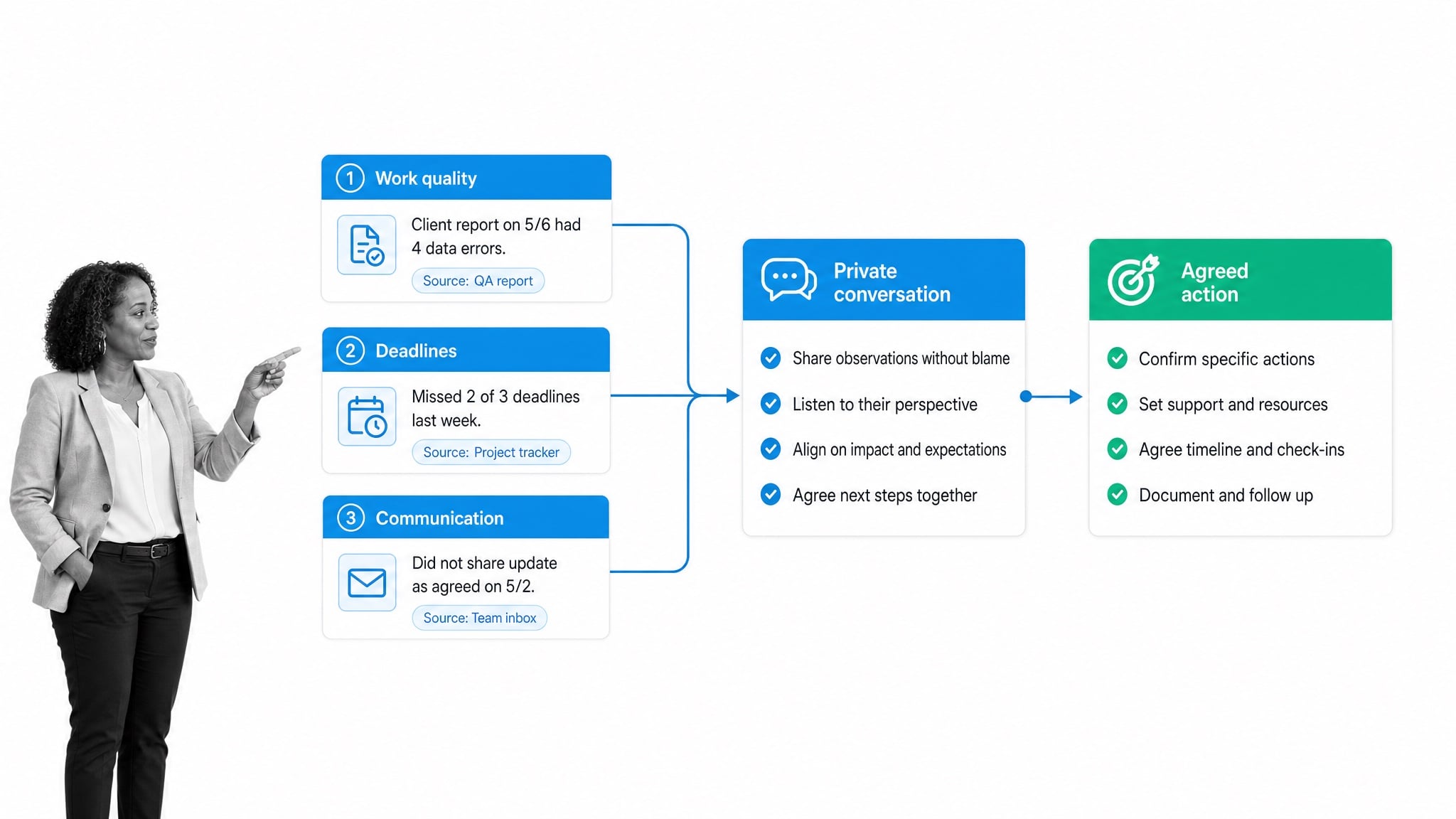
The Cost of Poor Preparation
Without a formalized approach, the "difficult conversation" often devolves into an interrogation rather than a collaboration. Managers who fail to document incidents, verify secondhand reports, or clarify their expectations are prone to 11 specific communication errors that can destroy trust and exacerbate workplace friction.
The Chronology of an Effective Intervention
- Fact-Finding: Before scheduling a meeting, the manager must isolate objective evidence. Was there a missed deadline? A breach of policy? A documented behavioral issue?
- The Invitation: A brief, neutral written notification is essential. It provides the employee with the necessary context and time to prepare, stripping away the element of "ambush" that breeds defensiveness.
- The Engagement: The conversation itself must be synchronous—either face-to-face or via high-fidelity video—to ensure tone and intent are not lost in the void of digital text.
- The Resolution: Every conversation must conclude with a documented summary of action items, deadlines, and follow-up review dates.
2. Common Pitfalls: Navigating the Danger Zones
Misplacing Blame and Ignoring Context
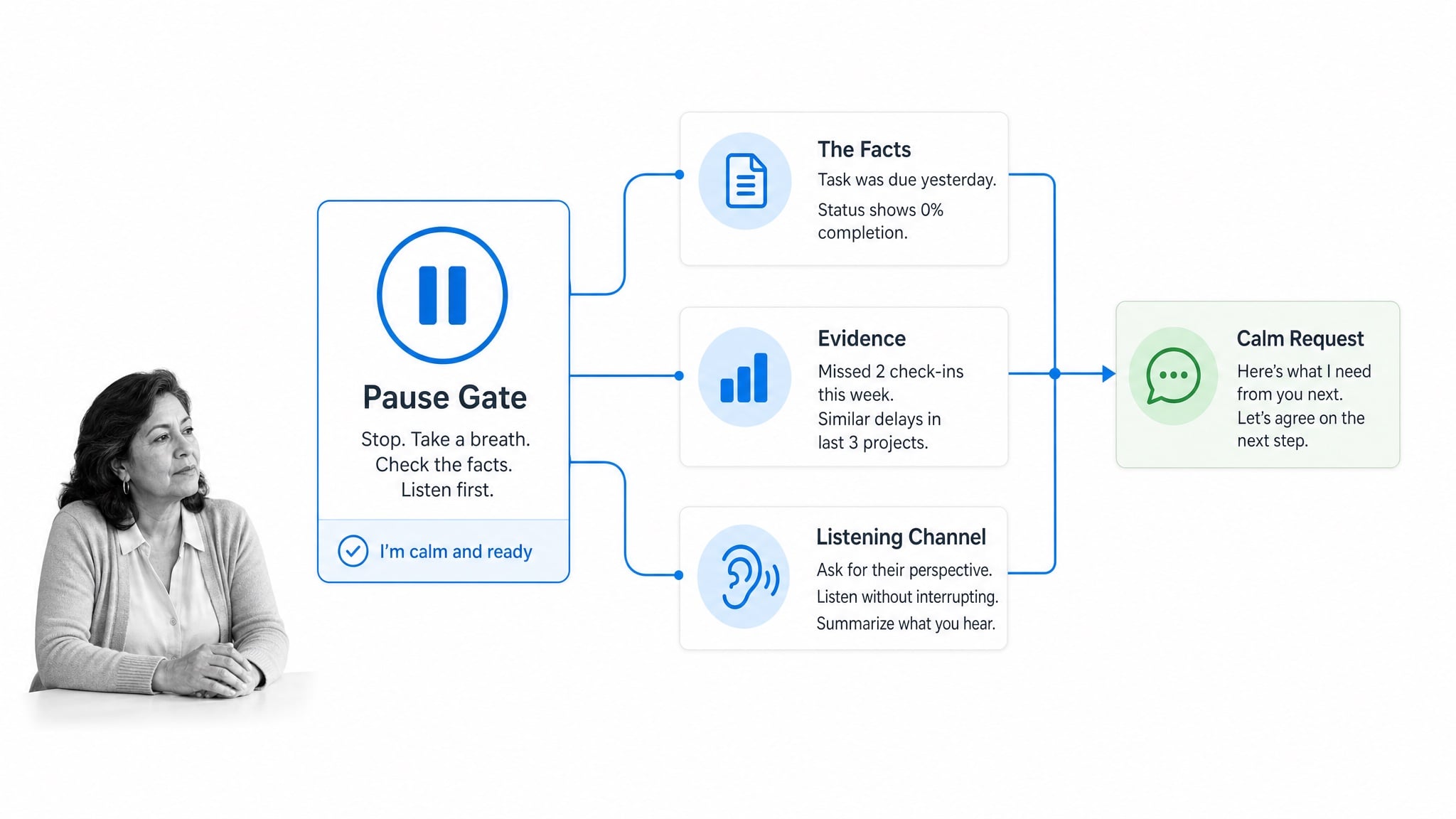
The cardinal sin of management is initiating a confrontation based on incomplete information. When a manager relies solely on a coworker’s account or a surface-level dashboard metric, they risk penalizing the wrong behavior. Always verify the context. Did the employee fail, or did the system fail them? By approaching the conversation with curiosity rather than accusation, managers can uncover root causes that would otherwise remain hidden.
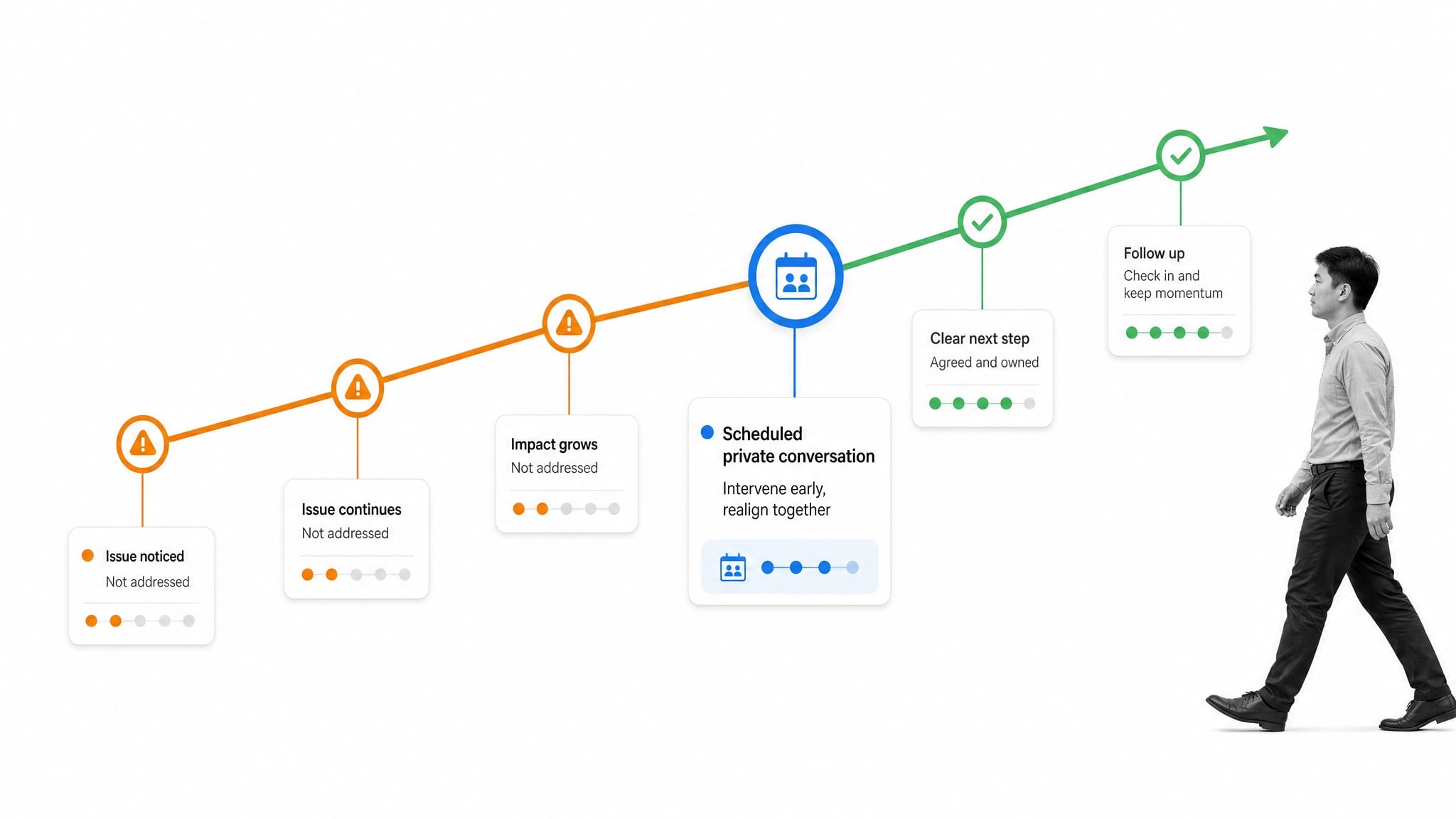
The Peril of "Digital Avoidance"
In an era of remote work, it is tempting to handle sensitive issues via email or Slack. This is a critical error. Text-based communication lacks the nuance of human interaction and can easily be screenshotted, forwarded, or misinterpreted. Reserve email for official follow-ups; use synchronous communication for the actual confrontation.
The "Angry Boss" Syndrome
Resentment is a poison to professional relationships. When a manager avoids a problem for too long, frustration builds until it inevitably explodes during a high-stress meeting. This approach renders the message invisible—the employee focuses on the manager’s anger rather than the actual performance deficit. If you are too angry to speak professionally, postpone the meeting until you can regulate your emotions.
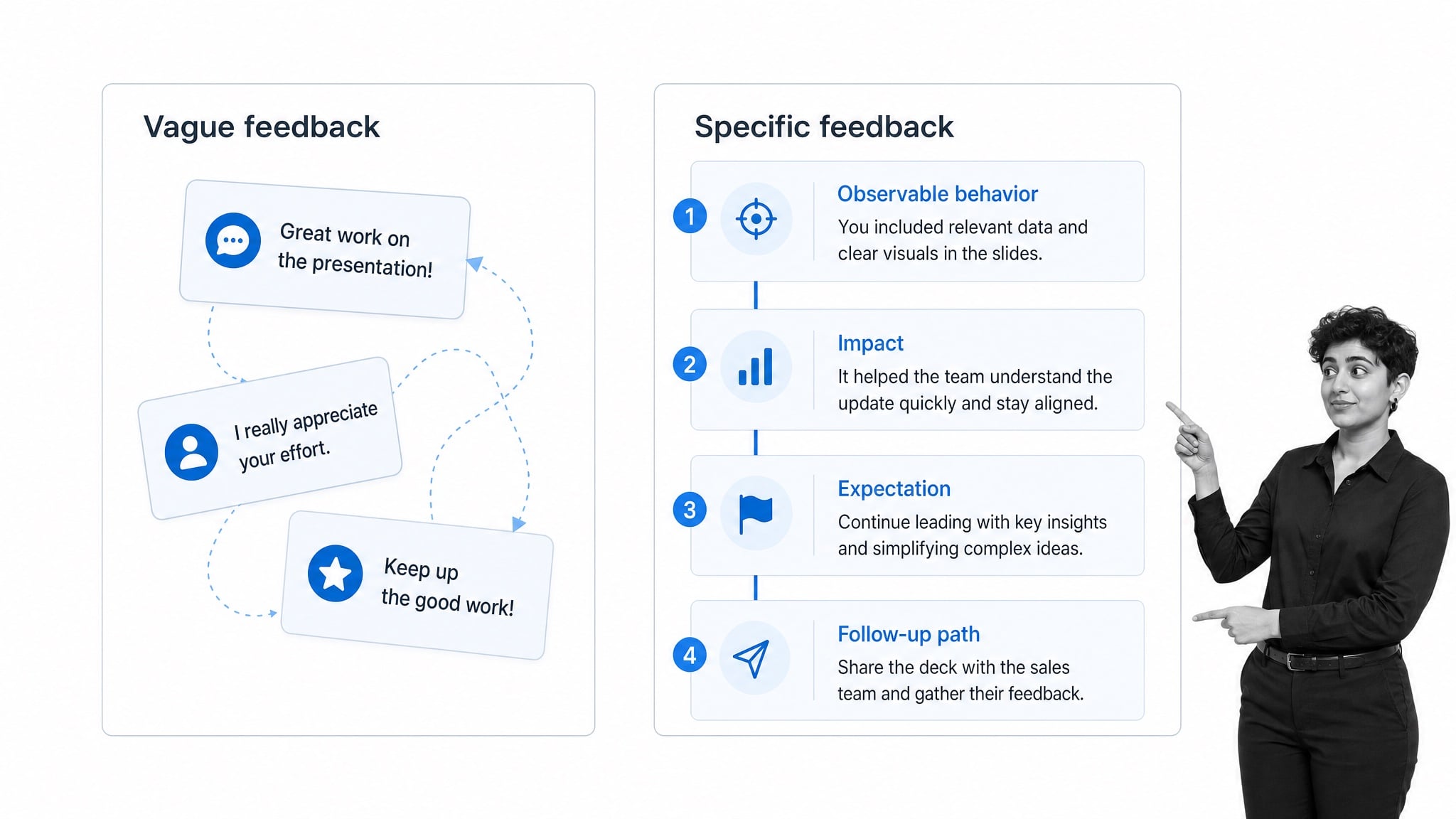
The "Sandwich" Trap (Being Too Vague)
The "feedback sandwich"—a criticism padded between two hollow compliments—is a relic of ineffective management. It confuses the employee and devalues genuine praise. If an employee has done something well, acknowledge it separately. When discussing a performance gap, be direct, be specific, and be clear about the required change.
3. Supporting Data: The Impact of Standardized Workflows
According to industry standards from organizations like the CIPD and Acas, early intervention is the strongest predictor of successful conflict resolution. However, "early" should not be confused with "impulsive."
Managers who utilize a Compliance Operations Platform—such as Process Street—consistently outperform those who rely on memory. Structured workflows provide:
- Audit Trails: A record of what was said, what was agreed upon, and what the next steps are.
- Consistency: Ensuring that every employee, regardless of tenure or role, is held to the same objective standards.
- Support: Providing a clear, step-by-step guide for the manager, reducing the cognitive load and stress associated with high-pressure meetings.
4. Official Guidelines and Professional Standards
The transition from a "manager" to a "leader" occurs when a supervisor understands the boundary between personal rapport and professional accountability. As noted in the Acas guide to challenging conversations, the objective is not to "win" the argument but to reach an alignment of expectations.
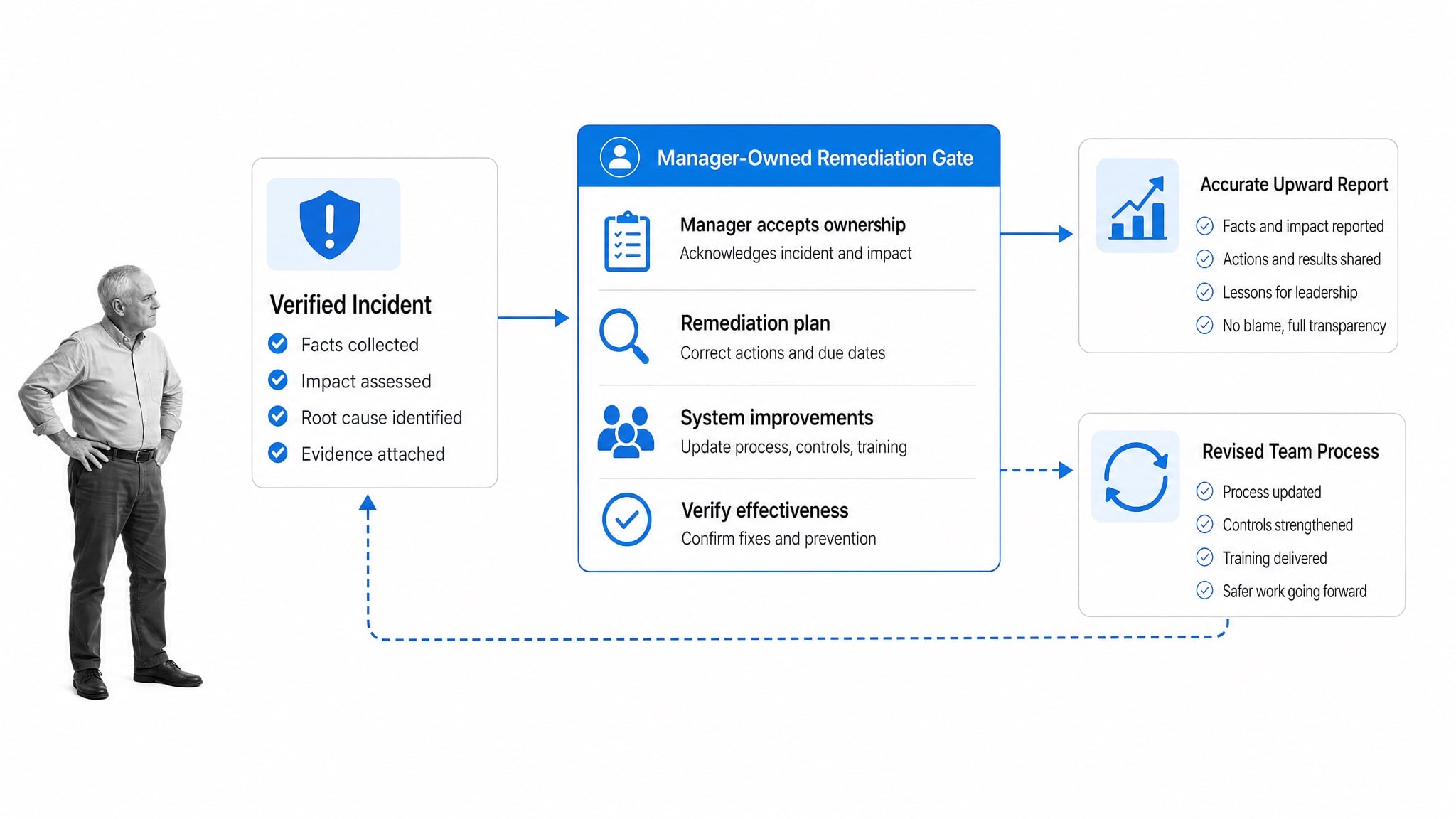
Implementing Formalized Procedures
When the situation involves protected activity, discrimination, or serious misconduct, the manager must involve HR. The role of HR is not to act as a barrier, but to provide a framework that ensures the organization remains compliant with employment law. Utilizing pre-built templates for Office Conflict Resolution or Employee Discipline allows a manager to follow a compliant path without sacrificing their leadership role.
5. Implications for Long-Term Retention and Culture
When a manager consistently "throws employees under the bus" to avoid accountability or fails to offer concrete solutions, they foster a culture of fear. Conversely, when a manager treats confrontation as a growth opportunity, the entire team benefits.
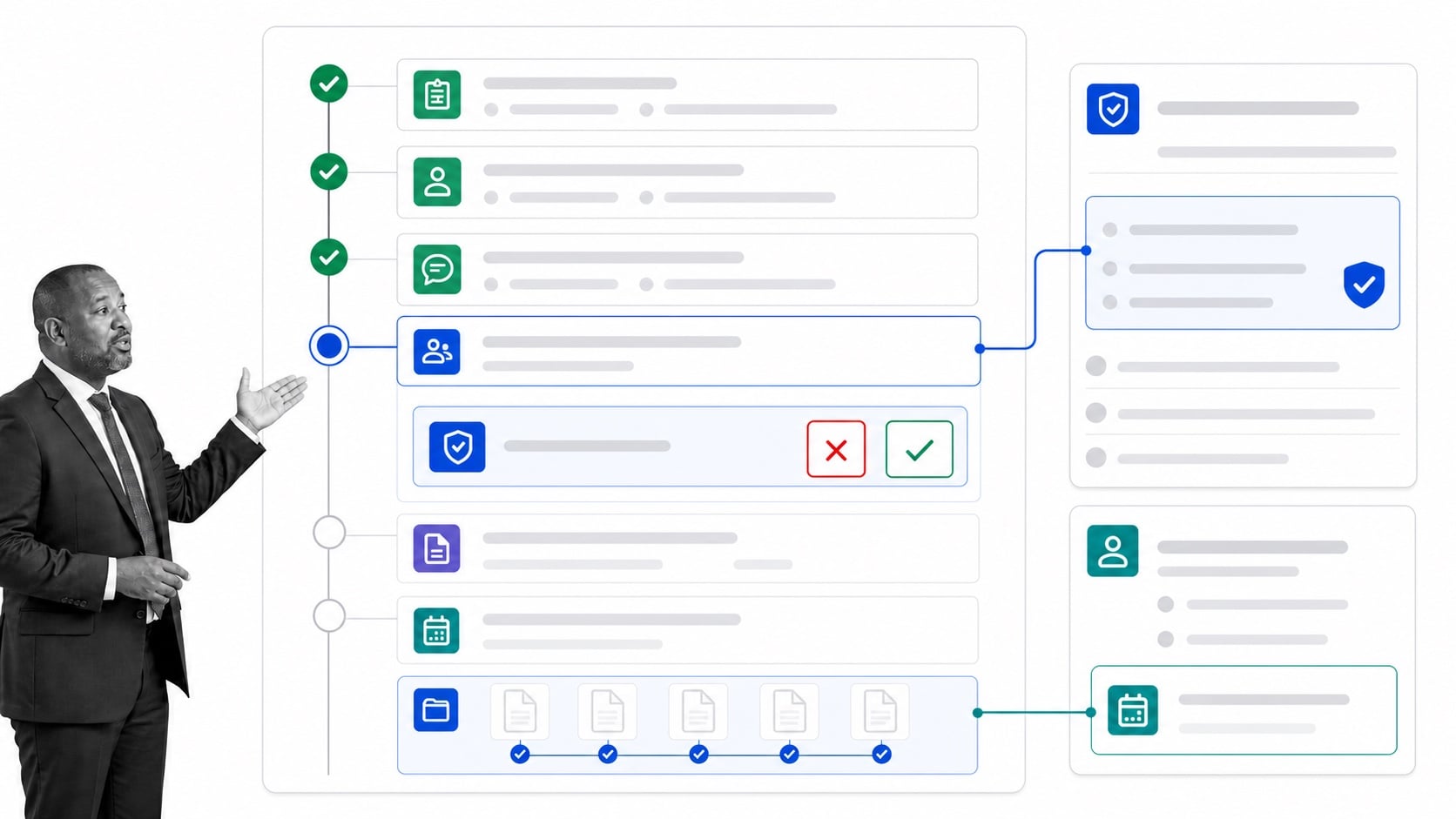
The "Buddy" Dilemma
It is natural to want to be liked by your team. However, trying to maintain a "buddy" dynamic during a disciplinary action is disingenuous and confusing. It is possible to be a supportive manager while maintaining professional boundaries. After a difficult conversation, allow the employee space to process the feedback. Do not attempt to "soften the blow" by returning to casual banter immediately after the meeting; it invalidates the gravity of the discussion.
Building Resilience Through Structure
The most effective way to handle a difficult employee is to build a system that supports them. This includes:
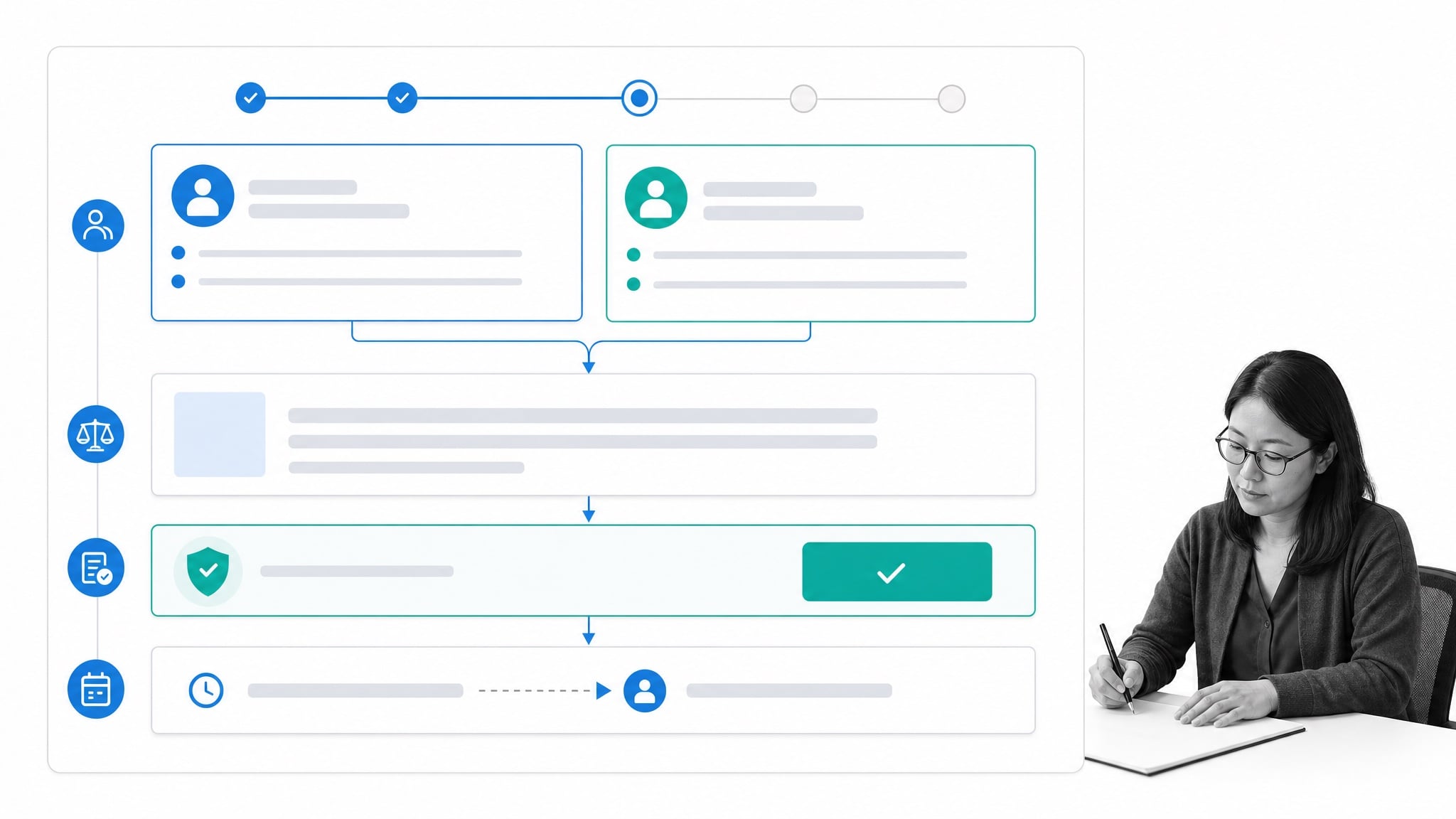
- Clear Metrics: Defining exactly what "success" looks like.
- Resource Allocation: Ensuring the employee has the tools and training to meet expectations.
- Regular Check-ins: Turning the "confrontation" into a continuous feedback loop.
6. Conclusion: Dignity in Leadership
Confronting an employee is an unavoidable component of leadership. When executed with empathy, precision, and the support of a repeatable process, it is a tool for improvement rather than a source of trauma.
By preparing the facts, remaining calm under pressure, and focusing on the path forward rather than the mistakes of the past, managers can uphold company standards while protecting the dignity of their team. Remember: a difficult conversation is not an endpoint; it is a pivot point. With the right workflow, you can ensure that every such meeting serves to strengthen the professional relationship, clear the air, and set the stage for future success.
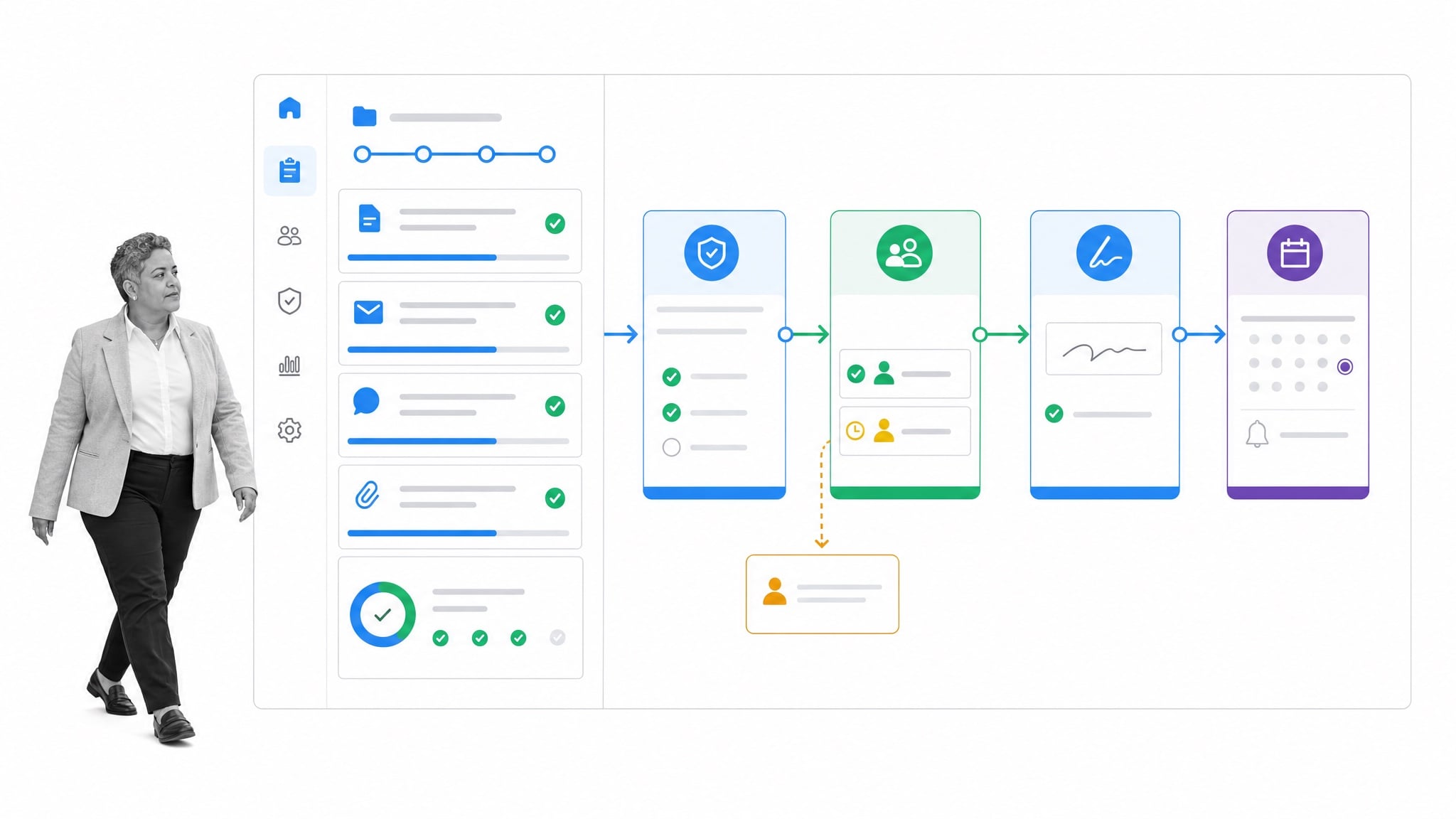
For managers looking to refine their approach, implementing structured HR workflows is the first step toward transforming high-stress confrontations into productive, clear, and fair dialogues.