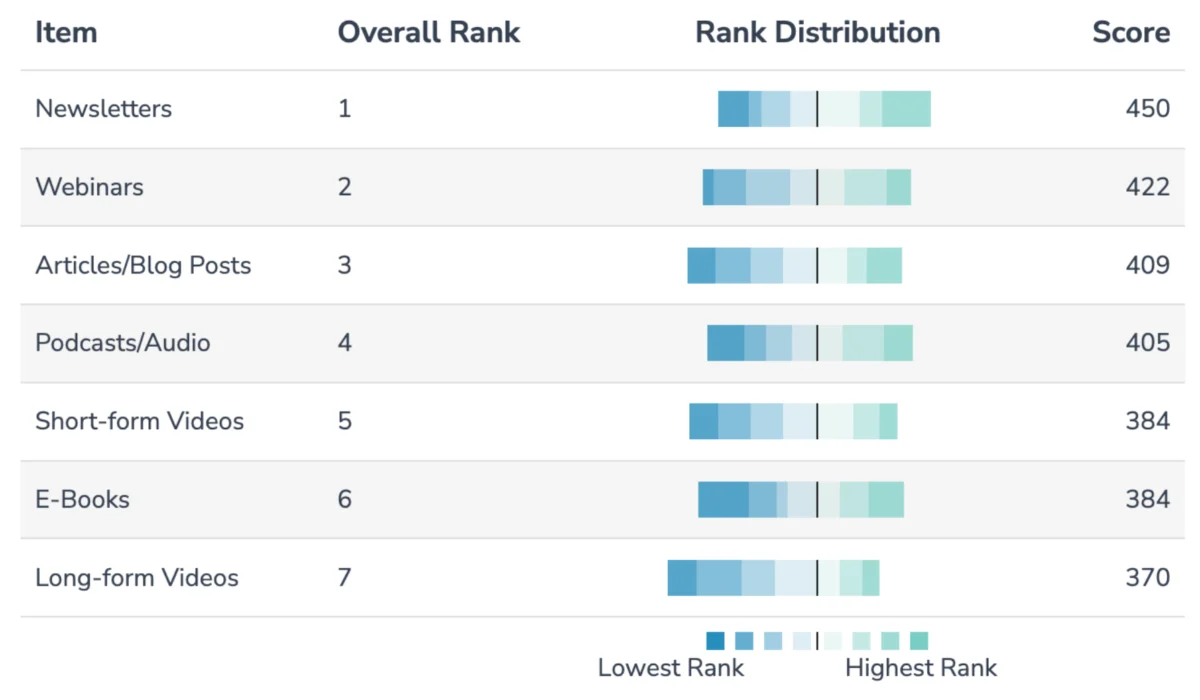
In the hyper-visual landscape of Instagram, it is easy to assume that the image is king. While a stunning photograph or a high-definition Reel acts as the initial "hook" that stops a user from scrolling, the narrative that accompanies that visual is what cements brand loyalty. Unlike platforms like Facebook or X (formerly Twitter), where text-only posts are standard, Instagram is built entirely on the marriage of visual aesthetics and written context. For brands, the Instagram caption is no longer an afterthought; it is a critical marketing tool for driving engagement, humanizing a brand, and ultimately, converting passive viewers into active customers.
The Strategic Importance of Instagram Captions
Instagram captions are far more than just descriptions of what is happening in a photo. They are an opportunity to tell a brand story, build a community, and guide the user through a conversion funnel. Whether your goal is to boost brand awareness or drive direct sales, a well-crafted caption provides the necessary context that a static image cannot convey alone.

From a technical standpoint, a caption can span up to 2,200 characters—a substantial amount of space that allows for deep storytelling. Within these limits, brands can deploy text, emojis, and hashtags to optimize their reach. However, a major constraint remains: Instagram does not allow for clickable links within these captions, with the exception of the "link in bio" strategy. This limitation forces marketers to be more creative with their calls to action (CTAs), pushing the burden of persuasion onto the strength of the copy itself.
Chronology of Content Evolution
The evolution of the Instagram caption has been marked by a shift from simple, aesthetic-focused snippets to long-form, value-driven narratives. In the platform’s infancy, captions were frequently minimal—often just a single emoji or a short, witty remark. However, as the platform matured and the algorithm began prioritizing "time spent on post" as a key engagement metric, brands started to experiment with longer, more detailed content.

Today, the "perfect" caption is a balancing act. It must respect the user’s short attention span while providing enough substance to encourage deeper interaction. The modern approach involves a strategic mix of high-impact hooks, informative body text, and a clear, actionable directive.
Supporting Data: Why Length and Engagement Matter
Data suggests that there is a sweet spot for caption length. While brevity is often equated with clarity, recent experiments conducted by industry leaders like Hootsuite have debunked the idea that short is always better. In fact, studies have shown that captions ranging between 400 and 705 characters often generate higher engagement than those under 65 characters.

This data indicates that users are willing to read longer captions, provided they add value—whether that value is educational, entertaining, or emotional. When a brand provides context, they invite the audience into a conversation rather than just presenting a product. Furthermore, the algorithm rewards these interactions; the more a user lingers on a post to read a caption, the more likely the platform is to serve that content to a wider audience.
The Anatomy of the Perfect Caption
Writing a caption that performs requires a structured approach. To maximize effectiveness, marketers should adhere to the following framework:
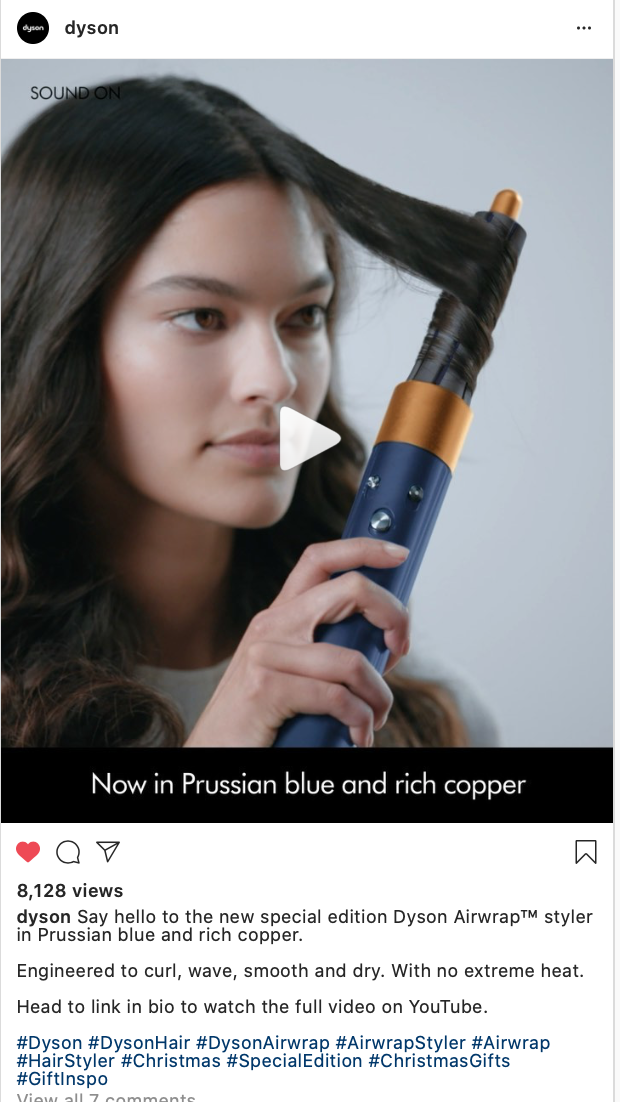
1. The "Thumb-Stopping" Hook
The first two lines of your caption are the most important. On mobile devices, Instagram truncates captions after a few lines, requiring users to click "more" to read the rest. Your opening sentence must be a value proposition or an intriguing question that forces that click. For example, rather than saying, "We love our new fall collection," a brand might lead with, "The secret to surviving the first frost is finally here."
2. The Value-Driven Body
Once you have hooked the reader, the body of the caption should fulfill the promise made in the opening. This is where you can weave in storytelling, provide helpful tips, or share behind-the-scenes insights. The key is to remain consistent with your brand voice—whether that is authoritative, playful, or deeply personal.
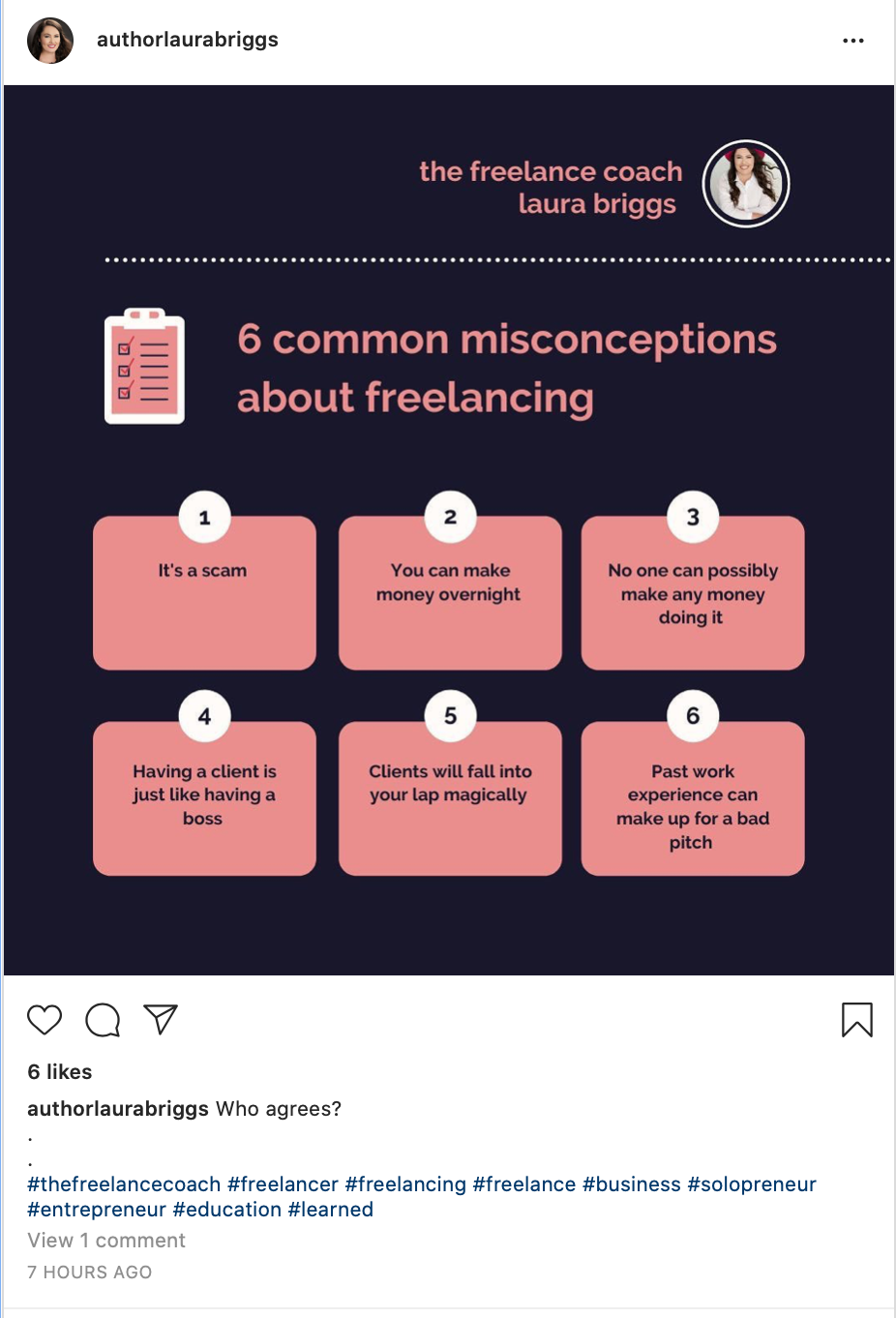
3. The Clear Call to Action (CTA)
Because you cannot place a link in the post, your CTA must be explicit. Use commands that are easy to follow, such as:
- "Click the link in our bio to shop the full collection."
- "Tag a friend who needs to see this."
- "Save this post for your next weekend project."
- "Drop a comment below with your thoughts."
4. Strategic Hashtag Usage
Hashtags act as the search engine optimization (SEO) of Instagram. While the platform allows for up to 30 hashtags, the general consensus among social media managers is that quality trumps quantity. A mix of branded tags (specific to your company), seasonal tags, and interest-based tags is the most effective way to reach new audiences.
Expert Strategies for Engagement
To boost your engagement rates, consider these proven tactics:
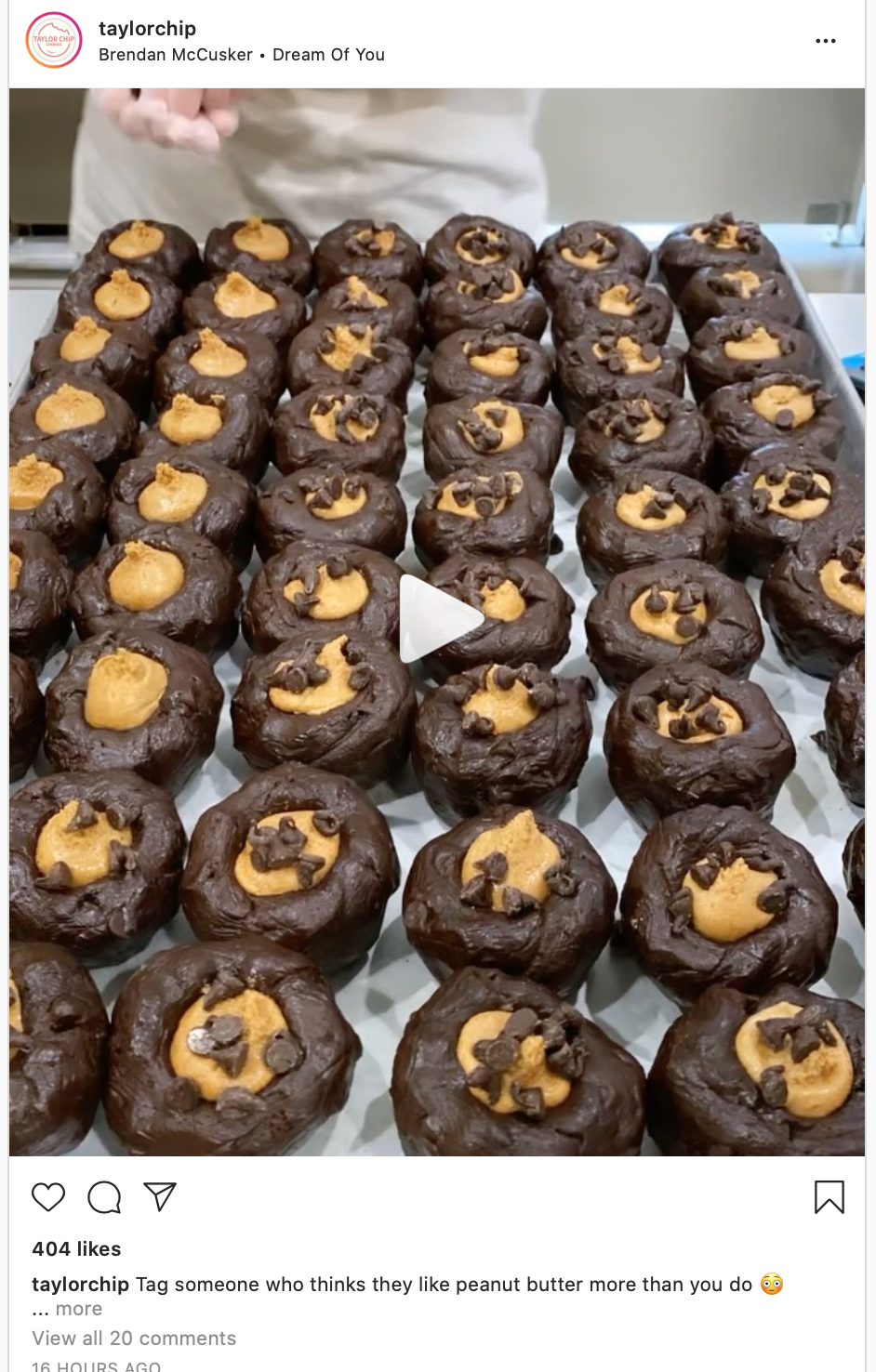
- Ask Direct Questions: Engagement is a two-way street. By asking a simple, low-barrier question—such as "Which color is your favorite?"—you lower the threshold for users to leave a comment.
- Encourage Peer-to-Peer Interaction: Use "tag-a-friend" prompts strategically. When users tag others, they effectively serve as brand ambassadors, pulling new eyes toward your content.
- Use Pop Culture References: Aligning your brand with trending topics or popular cultural moments can make your content feel timely and relatable. However, this must be done with caution; the reference should feel organic to your brand identity.
Technical Tips and Formatting
Formatting is an often-overlooked aspect of caption writing. Large blocks of text can be intimidating and are often skipped by mobile users.

- Paragraph Spacing: Use the "return" key to create white space between your hook, body, and CTA. This creates a clean, readable visual hierarchy.
- Editing for Clarity: Remember that you can edit any post after it has been published. If a caption isn’t performing as expected, don’t be afraid to revisit it, tweak the hook, or update the CTA.
- Custom Fonts and Styling: While the native Instagram font is standard, some brands use third-party tools (like IGFonts.io) to add bold or italicized text for emphasis. Use this sparingly, as excessive styling can make your content appear cluttered or unprofessional.
Implications for Future Marketing
As AI and automated content creation tools continue to rise, the human element of Instagram captions will become an even greater competitive advantage. While algorithms can help optimize timing and reach, they cannot replicate the authentic voice and storytelling capability of a human writer.
Brands that prioritize high-quality, thoughtful, and engaging captions will likely see a higher return on investment (ROI). In an era of digital saturation, where users are constantly bombarded with visuals, the brands that can articulate a story effectively will be the ones that build long-term, sustainable relationships with their followers.

Conclusion: Putting It Into Practice
The secret to the perfect Instagram caption is not a single formula, but a combination of strategy, consistency, and testing. Whether you are a small business owner or a social media manager for a global brand, the goal remains the same: provide value to the reader. By mastering the art of the hook, maintaining a clear brand voice, and optimizing for engagement, you can turn your Instagram feed into a powerful engine for community building and business growth. Start by auditing your last ten posts—look at which ones received the most comments and saves—and use those as a template to refine your strategy moving forward.