In a significant move that underscores the evolving responsibilities of the global technology sector, industry giants Amazon and Microsoft have announced a collaborative water replenishment project in the German state of Hesse. This initiative, designed to restore natural wetland ecosystems and bolster local groundwater resources, aims to replenish more than 750 million liters of water annually.
As the digital infrastructure of the world continues to expand, the environmental footprint of data centers—specifically their high consumption of water for cooling purposes—has come under intense scrutiny. By teaming up, Amazon and Microsoft are signaling a shift from merely mitigating their own operational impacts toward active environmental stewardship, attempting to set a new standard for corporate responsibility in the age of Artificial Intelligence and cloud computing.
The Core Initiative: Restoring the Vogelsberg Wetlands
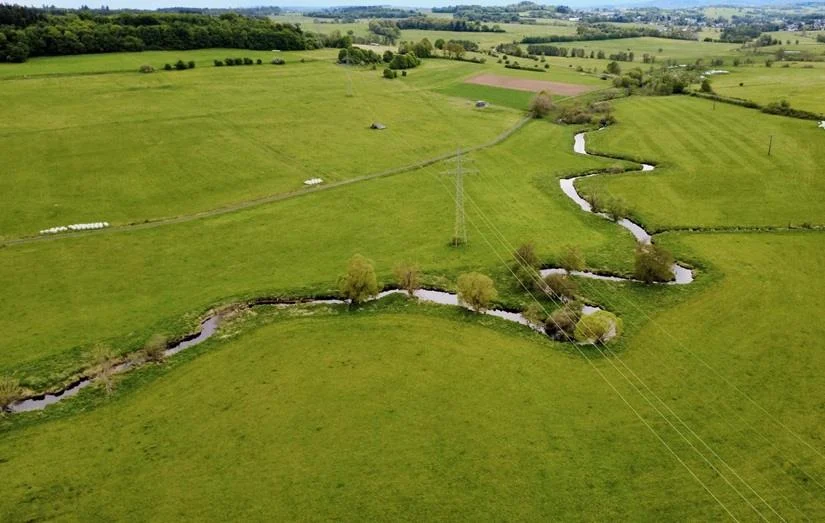
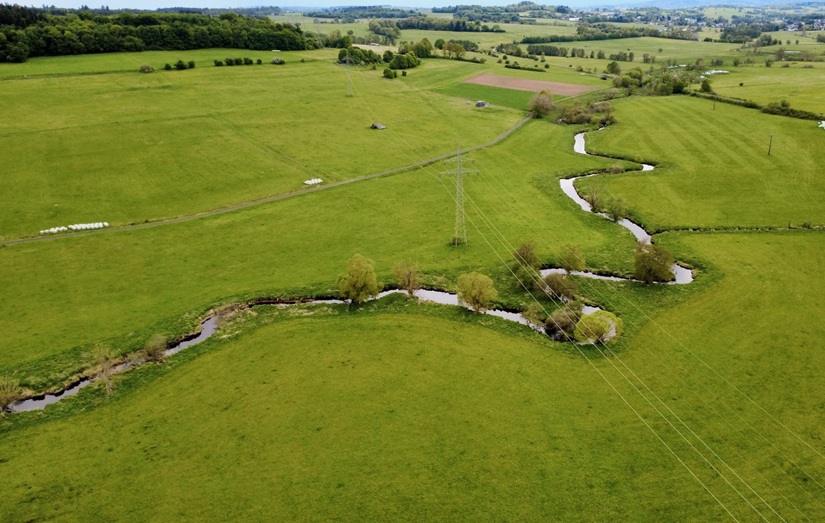
The project is focused on the Vogelsberg region, a critical area for the surrounding ecosystem and a vital source of drinking water for the Frankfurt metropolitan area. The initiative is being spearheaded by the Naturschutzbund Deutschland (NABU), one of Germany’s most prominent environmental non-governmental organizations.
Nature-Based Restoration Techniques
The project’s strategy moves beyond simple infrastructure fixes, relying instead on nature-based solutions to revitalize 40 hectares of land. Key technical approaches include:
- Decommissioning Artificial Drainage: By removing historical drainage systems that were originally designed to dry out land for intensive agriculture, the project will allow water to naturally accumulate, restoring the soil’s capacity to hold moisture.
- Creating Shallow Water Zones: These zones are engineered to slow the flow of surface water, providing the time necessary for deep infiltration into the local groundwater table.
- Sustainable Land Management: To prevent nutrient runoff—which often degrades water quality—the project implements extensive grassland management. By limiting the use of fertilizers and managing vegetation cover, the partners aim to ensure that water returning to the system is clean and healthy.
The project is currently working with approximately 10 local landholders to acquire 80 hectares of land near Herbstein. Plans for further land acquisition are already in place, extending through 2028, reflecting a long-term commitment to landscape-scale restoration.
Chronology of Corporate Water Stewardship
To understand the weight of this announcement, one must look at the recent history of "water positive" pledges within the technology sector.
- 2020–2023: The Rise of the Pledge: Following years of criticism regarding the water-intensive nature of server cooling, both Microsoft and Amazon announced ambitious goals to become "water positive" by 2030. This essentially means returning more water to the environment than their global operations consume.
- 2025: A Milestone Year: Microsoft reached a significant internal benchmark, announcing that it had achieved its water-positive status for the first time, five years ahead of its original 2030 deadline.
- 2026 (Early): Scaling Efficiency: Amazon reported that it had achieved 75% of its water-positive goal. Crucially, the company revealed that it had more than doubled the water efficiency of its data center fleet, utilizing advanced evaporative cooling technologies and recycled water systems.
- October 2026: The Hesse Partnership: The announcement of the Vogelsberg project marks the first major instance of these two competitors combining resources to address regional water scarcity, effectively pooling their capital to amplify the ecological impact of their environmental investments.
Supporting Data: Why Water Matters for Big Tech
The growth of the data center industry is inextricably linked to the consumption of electricity and water. As AI models require increasingly powerful chips, cooling demands have spiked.
The Water-Energy Nexus
Data centers require cooling to prevent hardware failure. While many facilities use air-based cooling, the most efficient systems (in terms of energy) often rely on evaporative cooling, which consumes vast quantities of water.
- Replenishment Metrics: The 750-million-liter figure cited in the Hesse project is not a random number; it represents a calculated effort to offset the withdrawal levels of modern high-density data centers.
- Biodiversity Monitoring: Beyond the volume of water, the project is tracking ecological health. From 2028 to 2038, the project will conduct annual assessments of mammals, birds, insects, amphibians, and reptiles. The goal is to provide a habitat for declining species such as the whinchat, the snipe, the wood sandpiper, and the gadwall. By providing data-driven evidence of biodiversity gains, the companies hope to validate the "net-positive" claim.
Official Responses: Aligning Strategy with Stewardship
The collaboration has been met with positive reception from stakeholders who view the partnership as a necessary evolution of corporate environmental, social, and governance (ESG) strategies.
Christian Schütz, COO of Microsoft Germany, noted:
"When tech companies like Microsoft and Amazon invest together in water stewardship, it signals that this sector takes its responsibility seriously—and that collective action can make a real difference for the regions we all depend on."
His comments highlight the shift from "siloed" corporate sustainability—where companies act independently—to "coalition-based" action. By working together, the companies share the financial burden and technical expertise required for large-scale land restoration.

Michael Hanisch, Head of Technology at AWS Germany, added:
"Efficient water use is part of how we operate, but that’s a starting point, not the finish line. We want to actively contribute to improving the water systems locally that communities rely on every day."
This statement reflects an emerging consensus in the C-suite: that data centers cannot be "good neighbors" if they only focus on reducing waste within their own fences. They must be active participants in the health of the watersheds they inhabit.
The Broader Implications: A New Era for ESG
The partnership between Amazon and Microsoft in Germany serves as a case study for the future of ESG initiatives.
1. The Normalization of "Water Positivity"
For years, "carbon neutrality" was the gold standard for tech giants. However, as water scarcity becomes a more frequent consequence of climate change, water stewardship is rising to the top of the agenda. The success of this project could encourage other multinational corporations to adopt similar replenishment goals, potentially creating a "water market" where tech firms invest in local infrastructure in exchange for regulatory goodwill and improved operational security.
2. Nature-Based Solutions as Infrastructure
By choosing to restore wetlands rather than investing in proprietary water-treatment technologies, Amazon and Microsoft are endorsing nature-based solutions. This approach provides "ecosystem services"—flood mitigation, carbon sequestration, and biodiversity support—that exceed the benefits of traditional mechanical engineering. It represents a sophisticated understanding that a stable climate and healthy water table are the foundational assets upon which the digital economy rests.

3. The "Good Neighbor" Policy
Datacenters have historically faced community pushback due to their impact on local resources. By engaging with local environmental groups like NABU, Amazon and Microsoft are attempting to preemptively address these concerns. This strategy is essential for companies looking to expand their footprint in Europe, where environmental regulations (such as the EU Taxonomy for Sustainable Activities) are becoming increasingly stringent.
4. Setting the Standard for Future Collaborations
The collaborative nature of this project may be its most influential feature. By splitting the costs and technical requirements, the companies are reducing the risk profile of the project. If this model proves successful—by both hitting the 750-million-liter target and seeing a measurable return of local species—it is likely to be replicated in other water-stressed regions around the world, from the American Southwest to the drought-prone regions of India.
Conclusion
The Hesse wetland project is more than just a corporate social responsibility initiative; it is a strategic alignment between the private sector and environmental conservation. As Amazon and Microsoft move forward with the restoration of the Vogelsberg landscape, they are effectively tethering their operational growth to the health of the natural world. While the long-term impact of these measures remains to be measured over the next decade, the project marks a pivotal moment where the tech sector acknowledges that, in a world of finite resources, growth must be matched by restorative action. The success of this partnership may well define the next chapter of corporate environmental leadership.