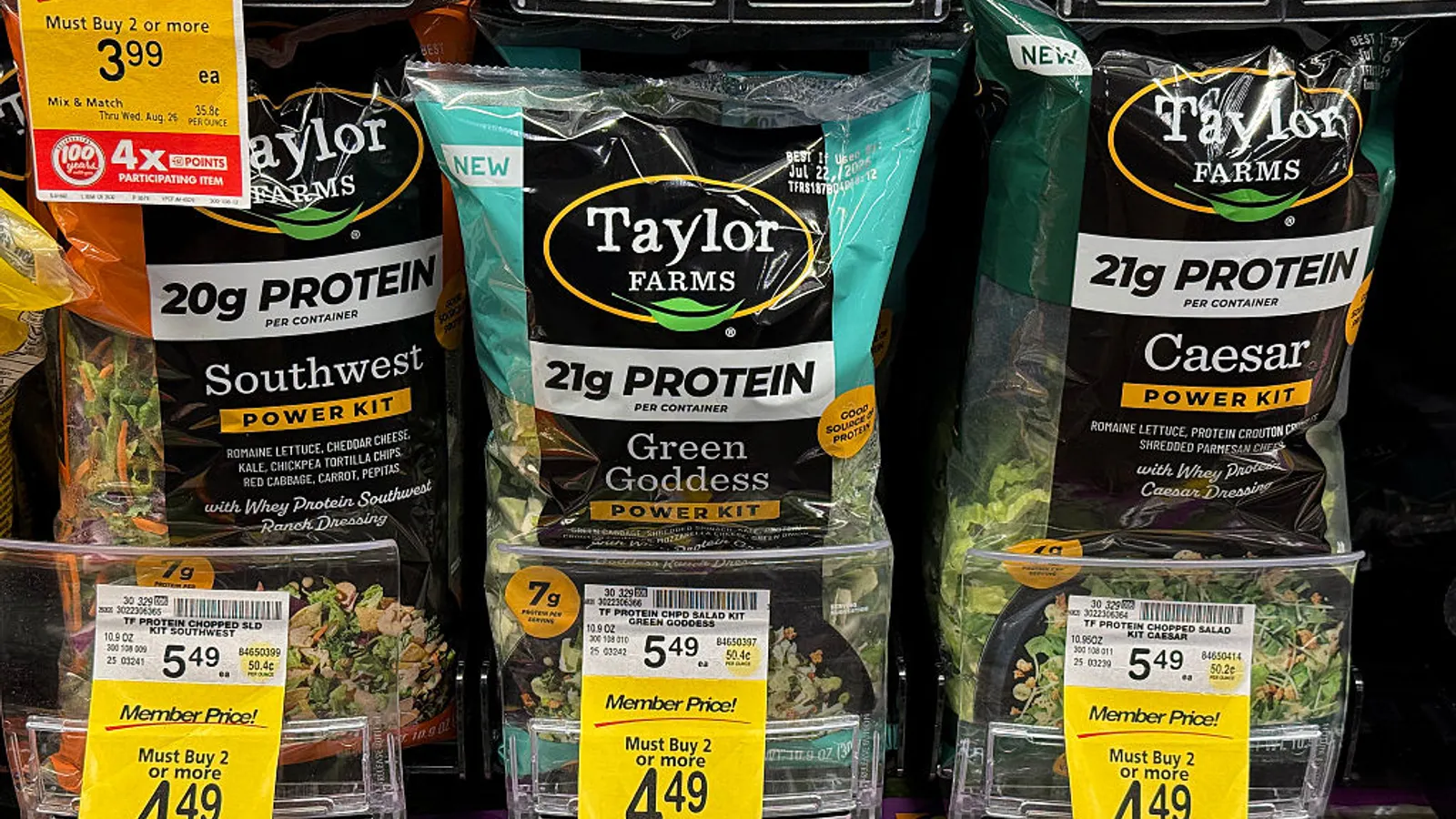
In a move to restore consumer confidence and fortify food safety protocols, Taylor Farms—one of North America’s largest suppliers of fresh-cut produce—has announced a sweeping operational pivot. The company will indefinitely suspend the harvesting and processing of iceberg lettuce from central Mexico during the peak summer months. This decision follows a devastating 2026 outbreak of cyclosporiasis that affected nearly 13,000 individuals across the United States and Canada, casting a shadow over the produce industry’s supply chain transparency.
The decision, formalized in an October 8, 2026, letter from Founder and CEO Bruce Taylor, aligns the company’s harvest schedule with the Centers for Disease Control and Prevention’s (CDC) designated "Cyclospora season." By eliminating production in the region from May 1 through August 31, Taylor Farms is effectively removing the period that correlates with the central Mexican rainy season, which public health experts have identified as a high-risk window for environmental contamination.
The Anatomy of the 2026 Outbreak
The crisis began in mid-summer 2026, as public health departments across multiple states began reporting clusters of gastrointestinal illness. The culprit was identified as Cyclospora cayetanensis, a microscopic parasite that causes a severe diarrheal illness known as cyclosporiasis. Symptoms typically include watery diarrhea, loss of appetite, weight loss, stomach cramps, bloating, and fatigue.
The outbreak gained significant media attention when it was epidemiologically linked to products served at major restaurant chains, most notably Taco Bell, and linked directly back to shredded iceberg lettuce supplied by Taylor Farms de Mexico.
The investigation was fraught with confusion early on. Initially, the U.S. Food and Drug Administration (FDA) reported that a sample of lettuce from a Taylor Farms facility had tested positive for the parasite. However, in a rare and embarrassing technical admission, the agency later retracted that finding, stating the initial positive test was inaccurate. Despite this retraction, the sheer scale of the illness—nearly 13,000 cases—made it one of the largest foodborne illness events in recent memory, keeping Taylor Farms under the intense scrutiny of federal regulators for months.
Chronology of the Crisis and Resolution
The timeline of the 2026 outbreak highlights the complexities of modern, globalized food supply chains:
- June 2026: Initial clusters of cyclosporiasis are reported by state health authorities. Early epidemiological data points toward leafy greens as the common denominator.
- July 2026: The FDA launches a formal investigation. Taylor Farms initiates a voluntary recall of shredded iceberg lettuce products as a precautionary measure.
- August 2026: Public health agencies finalize their case counts, with the tally reaching nearly 13,000.
- September 2026: The FDA corrects its earlier statement regarding the positive test result from a Taylor Farms facility, clarifying that the specific sample did not contain the parasite, though the investigation into the region remains active.
- October 2, 2026: The FDA officially concludes its investigation. While they were unable to pinpoint a single "smoking gun" or specific failure point, they confirmed that the Cyclospora parasite was present in the broader growing environment.
- October 8, 2026: Bruce Taylor issues a public letter outlining the company’s new safety roadmap, including the suspension of summer harvests in central Mexico.
The Environmental Challenge: Why Central Mexico?
The central Mexican region is a vital hub for winter and spring produce, allowing North American consumers to access fresh salads year-round. However, the region’s climate poses unique challenges for food safety.
Cyclospora is not a pathogen that typically lives inside the plant; it is an environmental contaminant. It is often transmitted through water sources or soil that have been contaminated by human waste. During the rainy season, increased runoff can move pathogens from the environment into irrigation canals or onto the surface of crops.
The FDA’s final report acknowledged that while they could not definitively identify how the lettuce was contaminated, the environmental presence of the parasite, combined with "strong epidemiological data and traceback convergence," made the link between the regional farms and the outbreak undeniable. This realization has forced industry leaders to confront the reality that traditional testing methods—which are often intermittent—are insufficient in high-risk environmental conditions.
Strategic Shift: Enhanced Safety Protocols
Beyond the four-month harvesting moratorium, Taylor Farms is implementing a multi-pronged safety strategy designed to move the industry toward a "zero-tolerance" environment.

1. Year-Round Health Monitoring
The company is moving away from reactive testing and toward a continuous surveillance model. This involves more frequent, site-specific monitoring of the health of the labor force and the surrounding environment, ensuring that any anomaly in the local area is addressed before it can impact the food supply.
2. Advanced Irrigation and Crop Testing
Water is the primary vector for Cyclospora. Taylor Farms is upgrading its irrigation water testing protocols, utilizing more sophisticated diagnostic tools that can detect pathogens at lower concentrations than previously possible. These tests will be conducted more frequently and will be integrated into a new, digitized supply chain management system.
3. Investment in Detection Technology
Perhaps most significantly, Taylor Farms has committed to funding research into new technology. Current testing for Cyclospora is time-consuming and often requires complex laboratory analysis. The company aims to accelerate the development of rapid-response testing tools that can provide results in hours rather than days, allowing for "hold and release" protocols that keep contaminated products out of the retail market.
4. Public-Private Task Force
Recognizing that no single company can solve this issue alone, Taylor Farms is spearheading a task force. This group includes members of the FDA, independent scientists, and other industry leaders. The goal is to standardize safety benchmarks for growers in high-risk regions. By creating a unified set of expectations, the task force hopes to reduce the variability in food safety standards that currently exists across the fresh produce landscape.
Implications for the Produce Industry
The fallout from the 2026 outbreak is expected to trigger a significant re-evaluation of how the produce industry sources ingredients from abroad. Analysts suggest that this "Taylor Farms model" of seasonal regional suspension could become the new industry standard.

For retailers and restaurant chains, the lesson is clear: supply chain resilience is now synonymous with food safety. Companies that rely on large-scale, single-source suppliers may feel pressure to diversify their sourcing to mitigate the risk of a regional environmental disaster.
However, the cost of these safety enhancements will be passed down the chain. Increased testing, labor for monitoring, and the loss of production during the summer months will likely put upward pressure on the price of bagged salads and lettuce products. Industry experts argue that this is a necessary price to pay to avoid the catastrophic loss of consumer trust that follows a massive recall.
A Personal Stake
In his letter to the public, CEO Bruce Taylor struck a tone of accountability that is often absent in corporate crisis management. "This is personal to me and my family," he wrote. "Helping families put fresh food on their tables was at the heart of why we started Taylor Farms years ago, and it will continue to guide everything we do every day."
While legal challenges and potential litigation from the 13,000 affected consumers may still be on the horizon, Taylor’s proactive approach suggests a company attempting to move from a posture of defense to one of leadership. Whether these changes are enough to satisfy both the FDA and a wary public remains to be seen. As the 2027 season approaches, the industry will be watching closely to see if the combination of high-tech testing and calculated supply chain contraction can finally tame the invisible threat of Cyclospora.