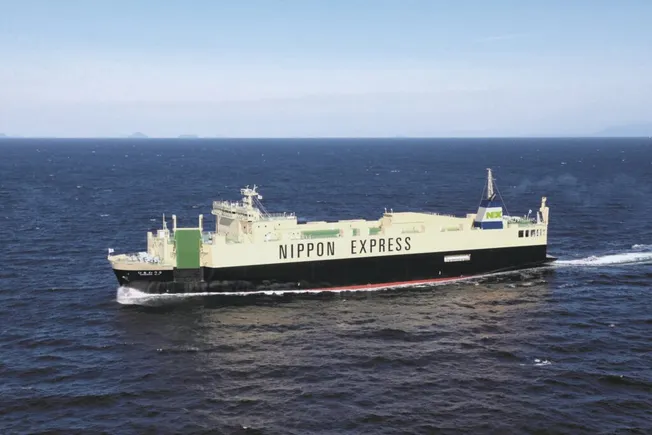
In an era defined by extreme weather events, geopolitical instability, and chronic port congestion, the reliability of global logistics has become the primary concern for multinational corporations. Nippon Express, the Tokyo-based logistics giant, has officially unveiled its "US 5-Day Cross" service—a strategic multimodal transport solution designed to bypass the bottlenecks currently plaguing traditional ocean freight routes. By integrating rapid transit times with sophisticated, sensor-driven security, Nippon Express is positioning itself as a critical stabilizer for shippers struggling with the unpredictable nature of modern maritime trade.
Main Facts: A New Multimodal Standard
The US 5-Day Cross service represents a significant shift in how Nippon Express manages trans-Pacific and domestic U.S. logistics. At its core, the service offers a time-definite, expedited transit model that aims to provide a reliable alternative to the erratic schedules currently seen in ocean shipping.
The service is not merely a transport option; it is an integrated logistics ecosystem. Key features include:
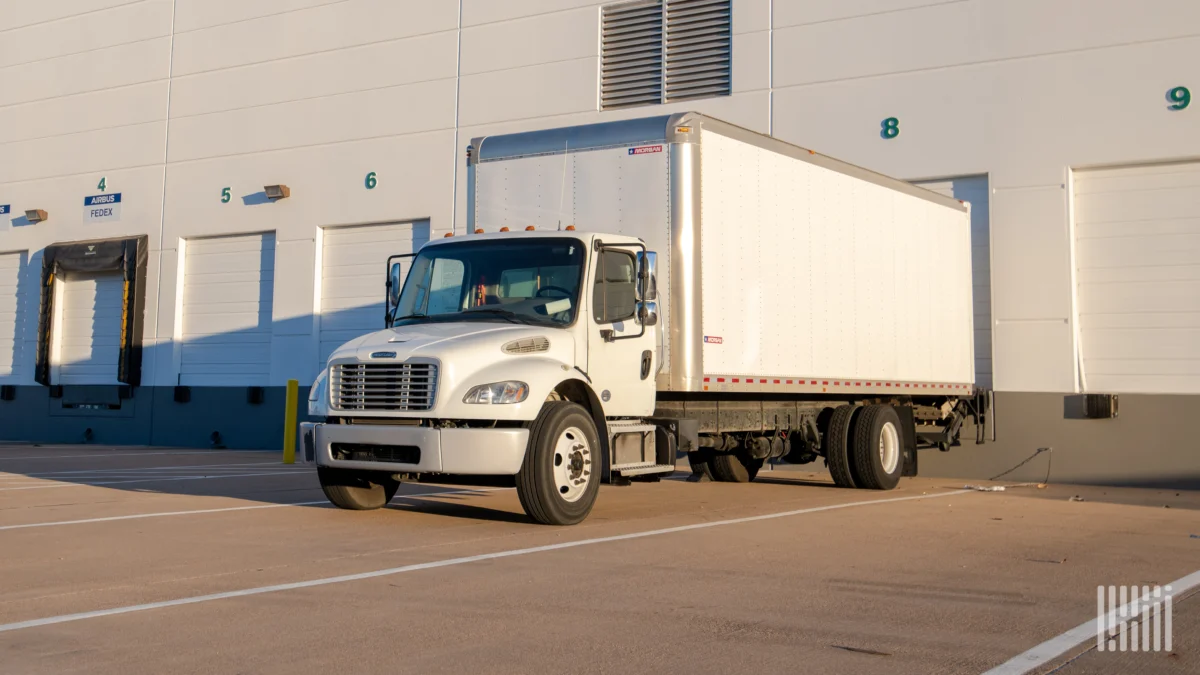
- Expedited Transit: By leveraging a combination of optimized port-to-rail-to-truck workflows, the service guarantees a five-day turnaround for cross-country logistics once cargo hits the U.S. port of entry.
- Advanced Cargo Monitoring: Every shipment utilizes dedicated IoT-enabled tracking devices. Unlike standard GPS trackers, these units incorporate light sensors that instantly alert managers to unauthorized container openings, a critical deterrent against cargo theft.
- Environmental and Impact Analytics: Beyond location tracking, the sensors provide continuous data streams on temperature, humidity, and physical shock, ensuring that sensitive goods—such as electronics, pharmaceuticals, or high-end machinery—remain within safe parameters throughout the journey.
- Real-Time Transparency: Shippers are granted access to a centralized dashboard, providing granular visibility from the moment the goods leave the Asian manufacturing hub until they reach the final destination in the United States.
Chronology: The Evolution of Supply Chain Friction
To understand the necessity of the US 5-Day Cross service, one must look at the recent timeline of supply chain disruptions that have forced the industry to evolve:
- 2023 – The El Niño Impact: The Panama Canal Authority began restricting daily shipping slots due to severe drought conditions exacerbated by El Niño. This created a massive backlog, forcing vessels to either wait for weeks or reroute, adding thousands of miles and significant costs to standard trans-Pacific voyages.
- Early 2024 – Geopolitical Strain: Escalating tensions in international waters and the continued ripple effects of regional conflicts forced carriers to abandon traditional shortcuts, leading to longer transit times and increased fuel consumption.
- Mid-2024 – The Typhoon Surge: A particularly active typhoon season in Asia caused intermittent port closures in major manufacturing hubs. These weather-induced delays created a "bullwhip effect," where port congestion in Asia led to erratic arrival schedules at U.S. West Coast terminals.
- September 2024 – The Call for Reliability: As U.S. rail transport also struggled with labor-related delays and infrastructure capacity issues, Nippon Express identified a critical gap in the market. The launch of the US 5-Day Cross service was the culmination of these observations, designed to offer a "buffer" against the cumulative delays of the previous 18 months.
Supporting Data: Why Reliability Matters
The global logistics market has seen a sharp increase in "schedule reliability" volatility. According to recent maritime shipping reports, on-time performance for major carriers has fluctuated significantly, with some routes seeing less than 60% of vessels arriving within 24 hours of their scheduled slot.
The financial implications of this unreliability are staggering. For a retailer or a manufacturer, a week-long delay in receiving raw materials or finished goods can lead to:
- Inventory Stockouts: Resulting in lost sales and diminished customer loyalty.
- Expedited Freight Costs: When ocean freight fails, companies are often forced to pivot to air freight, which can cost up to 10 times more per kilogram.
- Increased Carrying Costs: Excess inventory held in safety stock to hedge against delays ties up capital that could be used for R&D or expansion.
Nippon Express’s decision to integrate IoT sensors is supported by the rising rate of cargo theft. Data indicates that cargo theft at logistics facilities and during transit remains a multi-billion-dollar problem annually. By deploying sensors that record light exposure and physical impact, Nippon Express is not only providing logistics but also acting as an insurance-grade risk mitigation partner.
Official Responses and Strategic Rationale
In its official release, Nippon Express highlighted the growing complexity of the global trade landscape. "Against a backdrop of challenges that include longer ocean freight lead times attributable to geopolitical risks and delays in U.S. rail transport, there is also a growing need for rapid and punctual transport as well as advanced security measures after arrival in the United States," the company stated.
Industry analysts suggest that this move is part of a broader trend where freight forwarders are transitioning into "integrated solution providers." Rather than acting as mere brokers of space, companies like Nippon Express are attempting to own the data and the physical security of the cargo.
"The market is moving away from a ‘lowest cost’ mentality to a ‘highest reliability’ mentality," says one logistics consultant familiar with the industry. "When your manufacturing line depends on a just-in-time shipment, the cost of the freight is secondary to the certainty that it will arrive on Tuesday rather than next month."
Implications for the Global Logistics Landscape
The introduction of the US 5-Day Cross service carries several significant implications for the future of trade:
1. The Rise of "Smart" Freight
The standardization of IoT-enabled cargo tracking is likely to become the new benchmark. As shippers become accustomed to seeing live data on humidity, temperature, and unauthorized access, they will be less willing to accept "black box" shipping where cargo is invisible from port departure to arrival. This will force other logistics providers to upgrade their technology stacks or risk obsolescence.
2. Diversification of Transport Modalities
Nippon Express’s focus on multimodal freight—connecting ocean, rail, and trucking seamlessly—highlights that the solution to modern logistics problems is rarely a single mode of transport. By optimizing the hand-offs between these modes, the company is demonstrating that the "last mile" or the "inland leg" is where the most significant delays can be eliminated.
3. A Shift Toward Specialized Services
Nippon Express has historically been known for its specialized services, including temperature-controlled transport for pharmaceuticals and heavy machinery logistics. By applying these high-level capabilities to the general 5-day cross-country service, the company is essentially democratizing "white-glove" service for standard cargo. This level of care may prove attractive to companies that previously viewed high-end logistics as an unnecessary expense.
4. Geopolitical and Environmental Resilience
By building a service specifically designed to bypass the bottlenecks caused by events like the Panama Canal drought or Asian typhoons, Nippon Express is effectively building a "resilience-as-a-service" model. This is a direct response to the "de-risking" strategies currently being employed by large corporations who are trying to shield their supply chains from the effects of climate change and shifting global political alliances.
Conclusion: A New Benchmark for Accountability
Nippon Express’s US 5-Day Cross service is more than a logistical offering; it is a declaration that the era of passive shipping is coming to an end. In an unpredictable world, the ability to provide data-backed, time-definite, and secure transportation is the ultimate competitive advantage.
As the company continues to leverage its global footprint—spanning warehousing, heavy machinery transport, and specialized overseas relocation—the US 5-Day Cross service stands as the flagship of their modern strategy. For shippers, the message is clear: in a world of supply chain chaos, the winners will be those who can guarantee not just the movement of goods, but the predictability of the journey itself. As the industry watches, the success of this service may well dictate the future standards of trans-Pacific trade for the remainder of the decade.