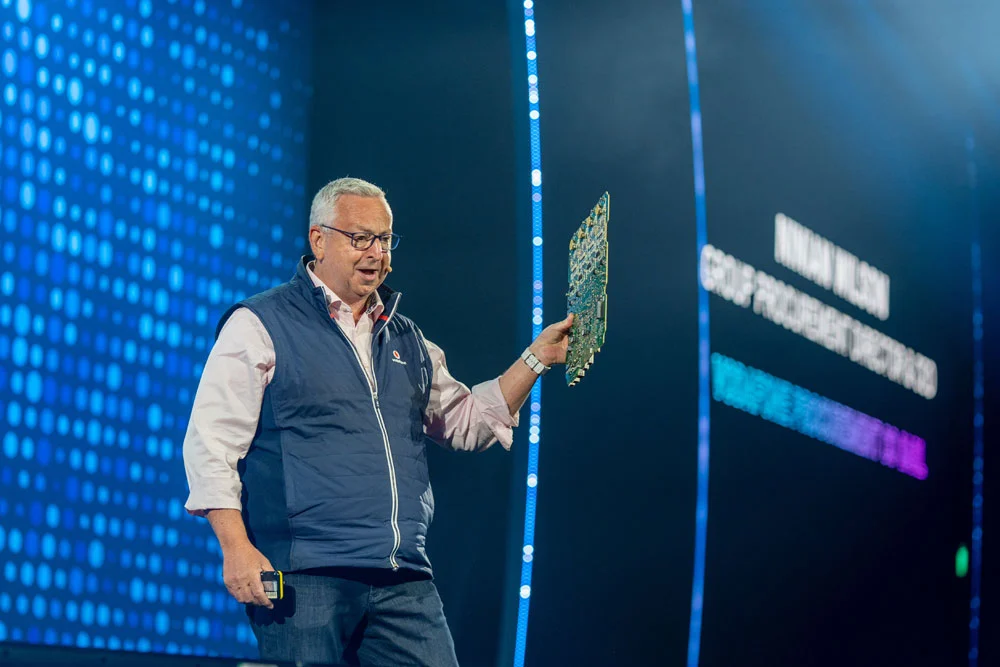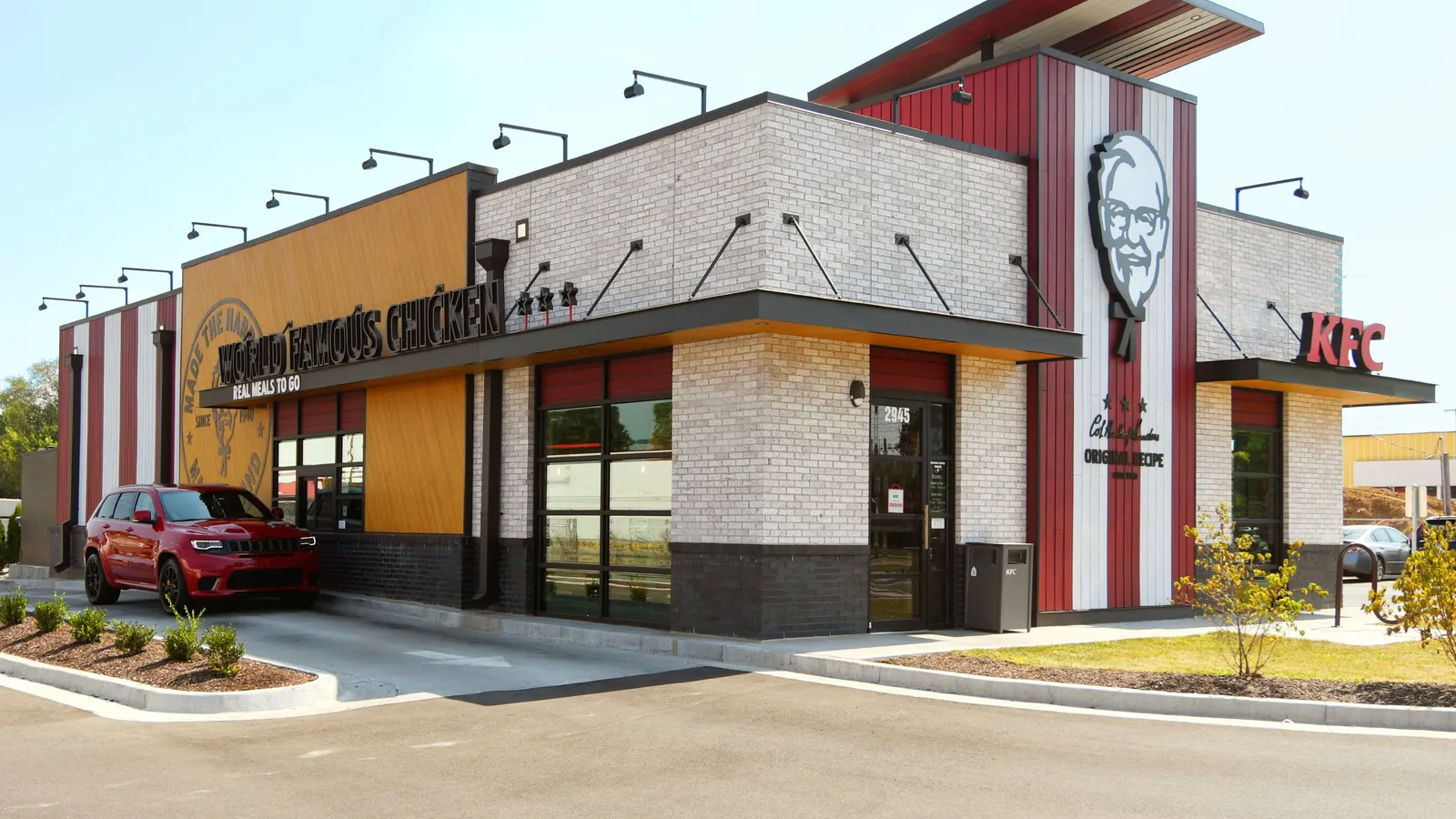
Eighteen months into his tenure as the first-ever Chief Supply Chain Officer (CSCO) for Yum! Brands, Eric Craft is overseeing a fundamental transformation in how one of the world’s largest restaurant conglomerates handles its procurement. Tasked with managing the logistical backbone for KFC, Taco Bell, and The Habit Burger & Grill, Craft is moving the company away from fragmented, brand-specific purchasing toward a unified, high-maturity ecosystem that prioritizes long-term partnership over simple transactional efficiency.
With a footprint spanning over 44,000 restaurants across 151 countries and territories—and a new restaurant opening, on average, every three hours—the scale of Yum! Brands is staggering. Craft’s mission is to ensure that this vast network functions as a singular, responsive entity, capable of maintaining consistent quality while providing the agility to pivot during the inevitable disruptions of the global market.
The Evolution of the CSCO Role
The creation of a unified CSCO role at the Yum! corporate level was a strategic pivot designed to consolidate the company’s massive purchasing power. Before this transition, KFC, Taco Bell, and the other brands operated largely in silos. While this served their individual needs during early growth phases, it left money on the table and created redundancies in supplier management.
"Our goal is to ensure our supply base is in place before our restaurants even need it," Craft noted in an exclusive interview with Supply Chain Dive.
By centralizing the function, Yum! has moved beyond the "scale-only" mentality. In the early days of the role, the focus was purely on leveraging size to drive down costs. Today, the strategy has matured: scale is now viewed as a tool to improve overall restaurant economics, providing franchisees with the stability and capital efficiency required to reinvest in their own storefronts. This strategic shift has clearly paid off, with Yum! reporting a 12% year-over-year revenue increase in Q2 2026, underscored by a 20% surge in Taco Bell revenue and a 9% gain for KFC.
A Chronology of Strategic Maturation
The timeline of Yum! Brands’ supply chain transformation reflects a company that is increasingly comfortable with divestiture and adaptation.
- Early 2025: Eric Craft transitions from his role as Global CSCO of KFC to the newly minted Yum! Brands CSCO position. The primary directive is to unify the disparate supply chains of the company’s global portfolio.
- Mid-2025: The company refines its "flex" model, allowing for localized sourcing that can be scaled up to a global level when economic conditions favor centralized procurement.
- Early 2026: The company executes the sale of Pizza Hut for $2.7 billion. Because of the unified supply chain architecture already in place, the transition is seamless. The company is able to drop specific product categories—such as pizza dough—without disrupting the operational flow of its remaining brands.
- Mid-2026: The current phase, characterized by deep integration with suppliers. Innovation, food safety, and marketing teams now coordinate with suppliers months in advance of product launches to ensure capacity and quality alignment.
Supporting Data: The Power of Scale
The efficacy of the current model is evidenced by the company’s ability to maintain growth despite shedding major business units. The recent sale of Pizza Hut serves as a case study in operational resilience. In a less integrated organization, the loss of a brand of that magnitude would have caused significant supply chain friction. For Yum!, however, it was a matter of simple arithmetic: the supply chain was already designed to "flex" by brand, region, or global category.
When the company procures high-volume commodities like poultry, it leverages its total corporate scale to secure favorable pricing and supply guarantees. However, this is balanced by a granular approach to individual brand needs. For example, as KFC undergoes a major brand turnaround, its specific requirement for boneless chicken tenders—designed for the snack-and-dip market—is managed with a high degree of specificity that does not interfere with the supply needs of Taco Bell or The Habit Burger.
Official Perspectives: Shifting from Transactions to Innovation
The philosophy at the heart of Craft’s strategy is that a supplier should be an "innovation partner" rather than a mere vendor. In the traditional procurement model, a company sends a purchase order and expects a delivery. In the "Yum! Model," the supplier is brought into the fold long before the ink is dry on a new menu item.
"You want a supplier that’s on the edge of their seat, just like you are," Craft stated.
This relationship model was critical during the development of Taco Bell’s "Gordita Crunch Duos." Instead of keeping the rollout behind closed doors until the marketing launch, Yum! engaged its packaging and food suppliers during the R&D phase. By sharing the long-term vision, the company allowed suppliers to voice concerns regarding capacity or ingredient sourcing early in the process. This bidirectional communication prevents the "bottleneck effect" that often plagues fast-food product launches.
This level of transparency has redefined the power dynamic. Suppliers are now aware that they are being vetted not just for their current capacity, but for their ability to grow alongside Yum!. As Craft puts it, this approach forces suppliers to view Yum! as their "preferred customer," incentivizing them to prioritize the restaurant chain when they plan their own capacity expansions.
Implications for the Global Food Industry
The implications of Yum! Brands’ strategy are significant for the broader quick-service restaurant (QSR) industry.
1. The Death of the "Just-in-Time" Fragility
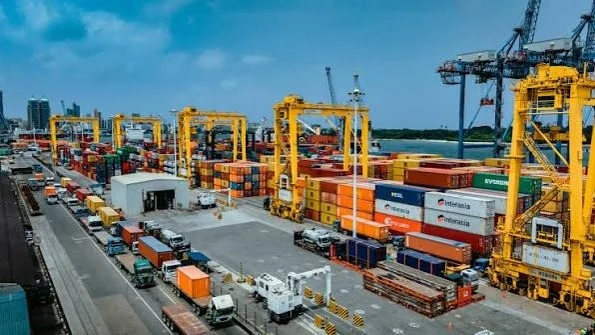
The pandemic-era obsession with "just-in-time" delivery has been replaced by a "just-in-case" flexibility. By maintaining local and regional supplier networks alongside its global heavyweights, Yum! creates a buffer against geopolitical and environmental instability. If a port shuts down or a climate-related event disrupts a major shipping lane, the brand can pivot to local partners almost instantaneously.
2. Operational Agility as a Competitive Moat
The ability to shed a brand like Pizza Hut while maintaining a healthy, growing supply chain demonstrates that the infrastructure is more valuable than the assets themselves. For competitors, the "unified model" serves as a benchmark for how to operate at scale without losing the ability to innovate quickly at the brand level.
3. Supplier Integration as a Competitive Advantage
By treating suppliers as stakeholders in the brand’s success, Yum! is securing its future pipeline. In an era where commodity prices are volatile and labor markets are tight, having a supplier who is "on the edge of their seat" and invested in the brand’s success provides a competitive edge that money alone cannot buy.
As Eric Craft continues to steer the ship, the focus will undoubtedly remain on this delicate balance: maintaining the sheer force of global scale while fostering the nimble, innovative, and deeply collaborative partnerships that keep the restaurants—and the franchisees—profitable. The transformation of the Yum! supply chain is no longer just about logistics; it is about building an ecosystem designed to withstand the uncertainties of the 21st-century global economy.