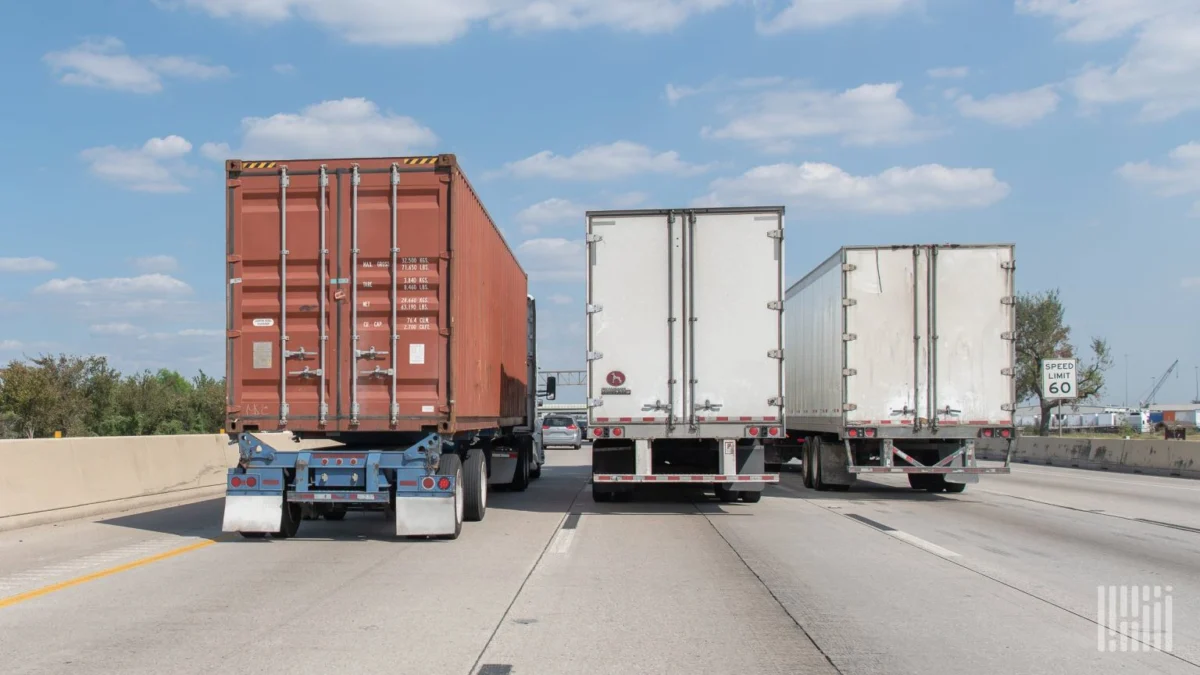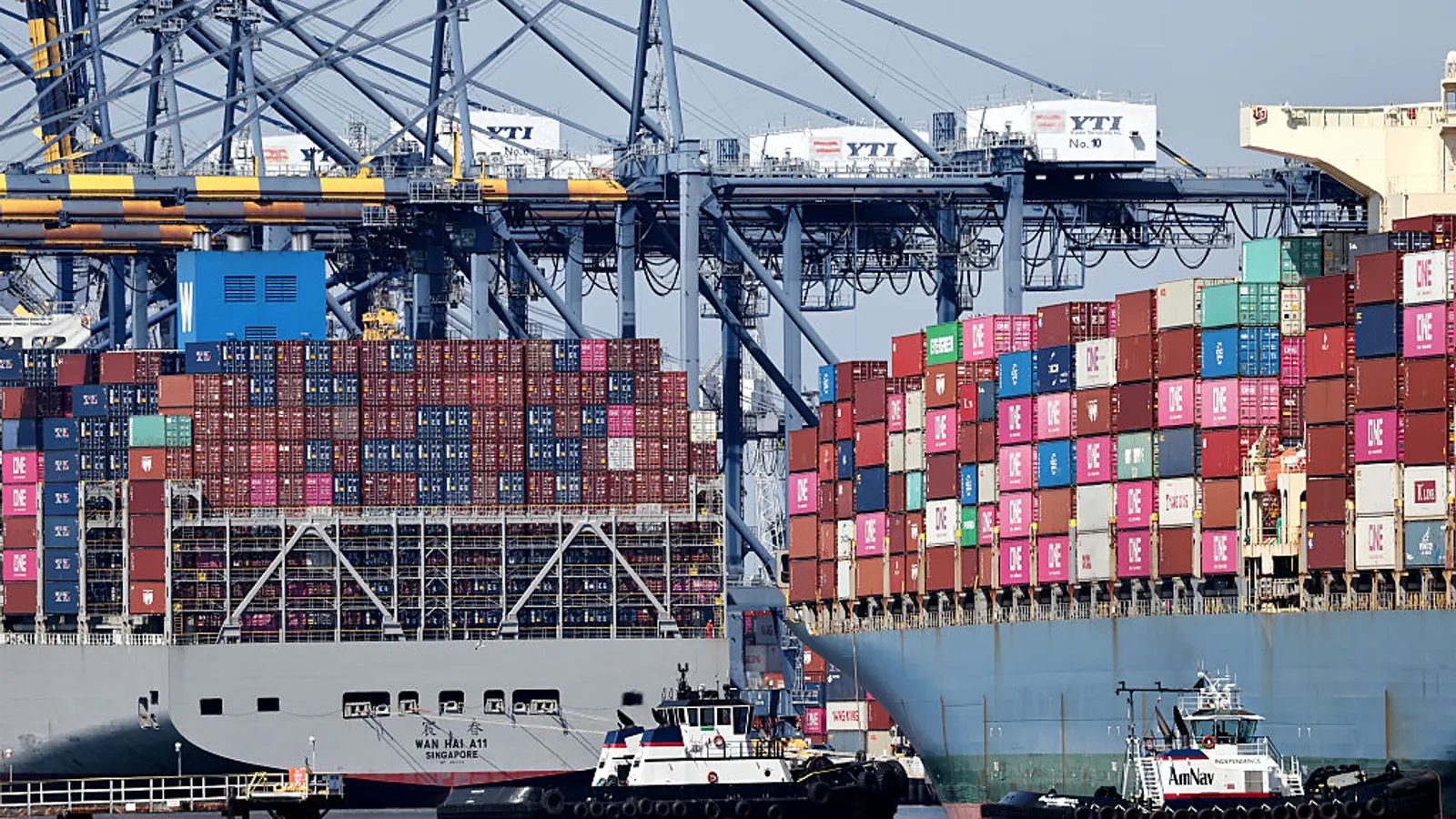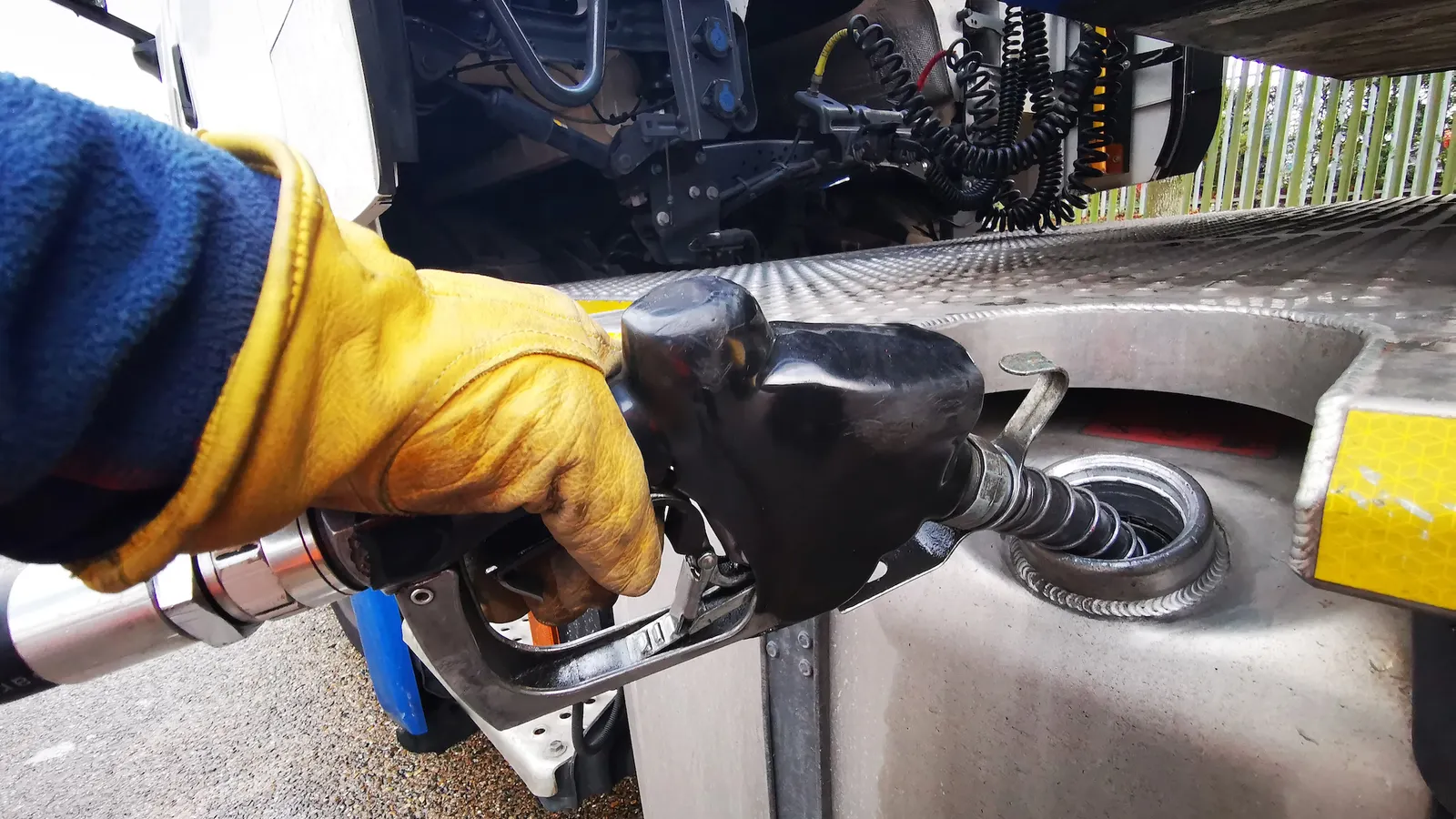
The global energy landscape is currently navigating a period of profound instability, with the trucking and logistics sectors finding themselves at the epicenter of a price squeeze. While the U.S. average for on-highway diesel saw a slight cooling trend in early October—dropping to $6.20 per gallon from $6.38 the previous week—the relief remains marginal. For finance teams and fleet operators, these figures offer little comfort as they contend with a freight market characterized by persistent volatility, tightening supply chains, and mounting pressure on operational margins.
As the industry approaches the final quarter of the year, the convergence of geopolitical tensions, fluctuating refinement capacities, and unpredictable freight demand has forced a re-evaluation of long-term contract strategies.
The Chronology of a Fuel Crisis
The current predicament did not emerge in a vacuum. It is the result of a multi-layered series of global and domestic events that began to accelerate in early 2026.
- Mid-2026: Geopolitical instability, particularly regarding the security of the Strait of Hormuz, began to threaten the steady flow of crude oil, causing international energy markets to react with extreme price sensitivity.
- September 13, 2026: In a significant intervention, President Trump publicly urged the Ukrainian government to cease strikes on Russian oil refineries. The administration noted that such attacks were having a disproportionate impact on global diesel supplies, driving up costs for American consumers and businesses.
- Late September 2026: As diesel costs remained elevated, social media began circulating calls for a nationwide "trucker strike" on October 1. While major industry trade groups quickly dismissed these calls as unorganized "social media chatter," the resulting uncertainty added a layer of anxiety to an already fragile freight environment.
- September 29, 2026: State governments began taking unilateral action. North Dakota Governor Kelly Armstrong declared an energy emergency, allowing agricultural vehicles to utilize red-dyed diesel on public roads—a move intended to save eligible users roughly 19 cents per gallon in state taxes. Texas Governor Greg Abbott followed suit shortly thereafter, waiving similar restrictions.
- Early October 2026: Despite these regional relief efforts, the U.S. Energy Information Administration (EIA) continues to report that fuel inventories remain below historical averages, keeping upward pressure on prices as the winter heating season approaches.
Supporting Data: A Market Out of Balance
To understand the current state of the freight market, one must look beyond the pump price of diesel. Data provided by market intelligence firms, including DAT and the EIA, paints a picture of a sector that is struggling to find its equilibrium.
For the week beginning September 13, national spot rates were performing well above nine-year seasonal averages. Dry van rates were 20% higher than their long-term average, while refrigerated trailers and flatbeds saw premiums of 28% and 25%, respectively. These figures indicate that carriers have gained significant pricing power, even as the overall economy faces inflationary headwinds.
Furthermore, the "load-to-truck ratio"—a key indicator of market demand—has shown signs of a tightening supply. Following the Labor Day holiday, the volume of loads posted on the DAT One platform surged by 16% to 2.9 million, significantly outpacing the 8% growth in truck postings. This disparity suggests that despite the high cost of fuel, shippers are scrambling for capacity, keeping rates elevated.
Equipment orders provide a counter-narrative of optimism among carriers. According to FTR data, trailer orders reached 24,144 units in August, a staggering 43% increase from July. This investment suggests that fleet operators are betting on long-term demand, even if the short-term cost of operations remains prohibitively expensive.
Official Responses and Policy Interventions
The White House and state-level executives are currently engaged in a delicate balancing act. The federal government’s primary lever, the Strategic Petroleum Reserve (SPR), is being utilized, though it is not a panacea. On September 27, the U.S. government offered to loan up to 40 million barrels of crude oil to help stabilize markets. However, energy analysts warn that the efficacy of these releases is limited by the nation’s refining capacity.
"The U.S. can release crude from its Strategic Petroleum Reserve, but that oil must still be refined before it becomes diesel," notes an industry expert. Because much of the reserve is stored in deep underground salt caverns, the process of extraction and subsequent refining is time-consuming and logistically complex.
Perhaps the most controversial policy proposal currently under consideration is a potential ban on U.S. diesel exports. President Trump has stated he is "thinking very seriously" about limiting exports to ensure domestic supply. However, the move is met with skepticism by economists. Andy Lipow, president of Lipow Oil Associates, argues that while a ban might lower domestic prices in the short term, it could force Gulf Coast refiners to throttle back production once storage capacities are reached. This would result in a secondary crisis: a shortage of gasoline and other refined petroleum products.
The Impact on Logistics and Finance Teams
For a company like Swint Logistics Group, the reality of high fuel costs is not a theoretical exercise—it is a daily battle for solvency. CEO and owner Cherri Harris has been vocal about the "sustainability gap" created by current fuel prices. Many logistics contracts are signed months in advance, leaving carriers exposed to price spikes that occur mid-contract.
"It is a help, but it is not a solution," Harris told NewsNation, referring to temporary concessions from customers. Even when shippers offer additional hours or modest fuel surcharges, the volatility often outpaces the mechanism of the adjustment. Fuel surcharges are typically tied to weekly EIA diesel price reports, meaning that if a carrier fills their tank on a Tuesday following a price spike, they must often wait until the following week to see any financial relief reflected in their freight bills.
For large-scale shippers like the online retailer Wayfair, the strategy has shifted toward greater integration between finance and operations. By utilizing AI-driven freight auditing, companies are attempting to squeeze inefficiencies out of the shipping process. However, as CFO Kate Gulliver noted, these tools are designed to optimize existing processes, not to insulate a company from the fundamental reality of a global energy shortage.
Broader Implications: Beyond the Truck
The ripple effects of this energy crisis extend far beyond the logistics industry. Because diesel is the lifeblood of global commerce, its price dictates the cost of almost every consumer good, from food to life-saving medicines.
Furthermore, there is a looming threat regarding the seasonal transition to winter. Diesel and home heating oil are closely related distillates. The EIA has expressed concerns that low national inventories will inevitably lead to higher heating costs in the Northeast and other cold-climate regions.
While some nations, such as Malaysia and Pakistan, have experimented with national austerity measures—including mandatory remote work for government employees to curb fuel consumption—the United States has shown little appetite for such interventions. Instead, the country remains committed to a market-driven approach, relying on the hope that increased refining capacity and the resolution of geopolitical bottlenecks will eventually bring relief.
For now, the trucking industry remains in a "wait and see" pattern. Carriers are continuing to invest in equipment, shippers are bracing for contract renewals with higher built-in costs, and finance departments are keeping a close watch on the volatility of the Strait of Hormuz. In this environment, the only certainty is that the cost of moving goods will remain a defining challenge for the global economy for the foreseeable future.