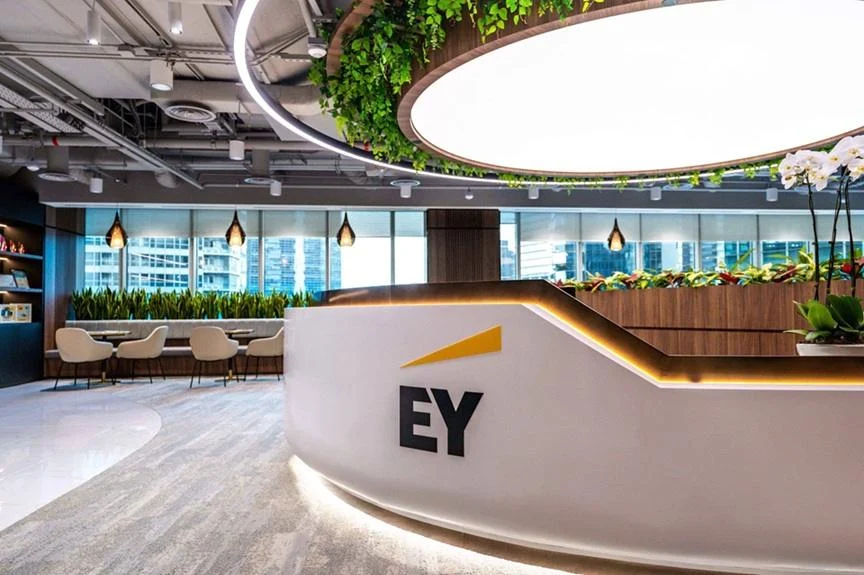
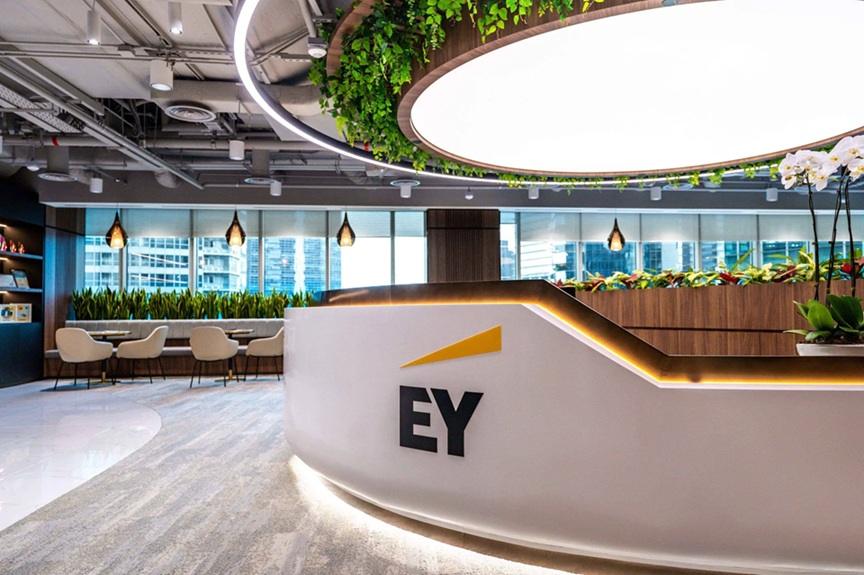
In a significant move to address the escalating climate risks facing the Asia-Pacific region, global professional services firm EY has announced the establishment of its new EY Climate Resilience Center of Excellence (CoE). Based in Singapore, this strategic hub is designed to provide organizations with the technical expertise and multidisciplinary support required to navigate the complex landscape of climate, energy, and nature-related risks. As Southeast Asia stands on the front lines of global climate change, the launch of this Center marks a critical pivot from theoretical sustainability strategy toward actionable, investment-ready resilience planning.
The Core Mandate: Bridging Strategy and Reality
The EY Climate Resilience CoE is not merely an advisory desk; it is an integrated response to the volatility currently impacting global supply chains, capital allocation, and infrastructure integrity. By embedding engineers, climate scientists, biodiversity specialists, and sustainable finance experts under one roof, EY aims to provide a holistic view of how environmental stressors translate into business risks.
The Center operates on three primary pillars, each designed to address specific vulnerabilities within the modern corporate landscape:
1. Energy Resilience
The CoE is focused on the urgent transition toward low-carbon, efficient, and diversified energy systems. This includes advising on renewable energy deployment, the modernization of aging power grids, and the creation of regional energy interconnections that can stabilize supply in the face of extreme weather events.
2. Climate Adaptation
With a focus on reducing vulnerability to physical climate impacts, this pillar centers on infrastructure hardening. By integrating adaptation planning into capital expenditure (CapEx) cycles and leveraging innovative financing mechanisms, the CoE helps firms protect their physical assets from rising sea levels, flooding, and heat stress.
3. Nature and Biodiversity
Recognizing that economic health is intrinsically linked to ecological health, this pillar promotes nature-based solutions. By restoring ecosystems and prioritizing biodiversity conservation, the CoE helps clients reduce their climate vulnerability while simultaneously strengthening the livelihoods of the communities in which they operate.
Chronology: A Response to Regional Urgency
The establishment of this Singapore-based hub follows years of mounting pressure on regional economies.
- Pre-2024: Southeast Asia experiences a sustained increase in the frequency of extreme weather events, ranging from devastating typhoons to unprecedented urban flooding. Corporate boards begin to face increased scrutiny regarding the "physical risk" components of their ESG disclosures.
- Early 2025: EY identifies a persistent gap in the market: while firms have access to carbon accounting software, they lack the multi-disciplinary, on-the-ground engineering and policy expertise required to harden physical assets against long-term climate shifts.
- Late 2025: Planning for the Climate Resilience CoE begins, with a focus on selecting Singapore as the hub due to its position as a regional financial and logistical center.
- 2026: The CoE officially launches, led by EY Climate Change and Sustainability Services (CCaSS) partners Sunil Yadav and Amandeep Bedi. The launch is timed to coincide with a broader shift in the regional regulatory environment, where mandatory climate risk disclosure is becoming the standard for listed companies.
The Data Landscape: Why Southeast Asia?
The necessity of the CoE is underscored by the region’s unique vulnerability profile. Southeast Asia is home to several of the world’s most climate-exposed nations. A confluence of factors—high population density in coastal zones, reliance on agriculture, and aging infrastructure—creates a high-stakes environment for investors and business leaders.
Rising Physical Risks
Data indicates that sea-level rise is occurring at a rate that threatens the economic viability of several major Southeast Asian cities. Coastal zones, which account for a significant portion of regional GDP, are increasingly susceptible to storm surges. The CoE aims to provide the granular, location-specific data required for companies to move beyond general climate projections and into site-specific risk management.
The Data Visibility Challenge
One of the primary hurdles for C-suites in the region is the "data gap." Value chains in Southeast Asia are often fragmented, involving hundreds of smaller suppliers with varying levels of digitization. The CoE seeks to harmonize this data, providing boards with a clear, audited, and transparent view of their total carbon footprint and exposure.
Official Perspectives: From Strategy to Value
The leadership of the new CoE emphasizes that the ultimate goal of the initiative is to prove that resilience is a driver of financial value, not just a cost center.
Amandeep Bedi on Financial Materiality
"Leveraging the EY network across Southeast Asia, the CoE aims to support boards and C-suites to build a more complete view of their carbon footprint across the broader value chains in the region where data visibility and consistency can vary," stated Amandeep Bedi. He noted that the center’s core mission is to assist leadership in "translating and materializing climate resilience into measurable financial value." For Bedi, the transition to a climate-resilient model is fundamentally an exercise in risk-adjusted capital management.
Sunil Yadav on the Ecosystem Approach
Sunil Yadav, Co-Leader of the CoE, emphasized the importance of collaboration. "What differentiates the EY Climate Resilience CoE is not a single tool or framework, but its ability to bring together policy- and market-led initiatives and ecosystem players," Yadav explained. By convening governments, investors, and non-profits, the CoE acts as a facilitator for "just transitions." According to Yadav, this collaborative approach is the only way to move beyond static strategy documents toward an "actionable investment agenda with measurable outcomes."
Implications: The Shift Toward Proactive Resilience
The launch of the EY Climate Resilience CoE signals a broader shift in the professional services industry. Firms are moving away from passive consulting—which often focused on reporting and compliance—toward active, technical, and engineering-led interventions.

Transforming Capital Allocation
For investors, the existence of a dedicated CoE means that assets in high-risk regions can be assessed with greater precision. This may lead to a more efficient flow of capital toward companies that demonstrate verifiable resilience, effectively lowering the "risk premium" for firms that have proactively hardened their operations against climate change.
The Role of Government and Policy
The CoE’s focus on policy-led initiatives suggests that EY is preparing to act as a bridge between the public and private sectors. As governments in Southeast Asia roll out national adaptation plans and sustainable finance taxonomies, the CoE will provide the corporate sector with the technical roadmap to align their private investments with these public goals.
A New Standard for Biodiversity
Perhaps the most forward-looking aspect of the CoE is its focus on nature and biodiversity. By integrating the economic value of ecosystem services into the corporate balance sheet, EY is positioning itself at the cutting edge of a new financial frontier. As global standards like the Taskforce on Nature-related Financial Disclosures (TNFD) gain traction, the CoE will be instrumental in helping firms quantify their dependence on, and impact upon, the natural world.
Conclusion: A Blueprint for the Future
The launch of the EY Climate Resilience Center of Excellence represents a decisive move to address the defining challenge of our time. By combining the rigor of engineering with the precision of financial analysis and the breadth of policy advocacy, EY is establishing a model that other regions and firms will likely seek to emulate.
For the organizations operating in Southeast Asia, the message is clear: the era of managing climate risk as a peripheral concern is over. The future belongs to firms that can integrate climate resilience into their core business model, leveraging deep data, collaborative ecosystems, and a firm commitment to sustainable, long-term value creation. Through the CoE, EY has provided the necessary architecture to turn that vision into reality.