Protein is no longer just a dietary preference; it has become the cornerstone of a fundamental shift in global health and consumer behavior. From the rapid adoption of GLP-1 weight-loss medications to the nutritional demands of an aging global population, the world is recalibrating its relationship with what it eats. While the "protein moment" is often discussed in headlines, the reality is a structural, long-term evolution in both supply and demand.
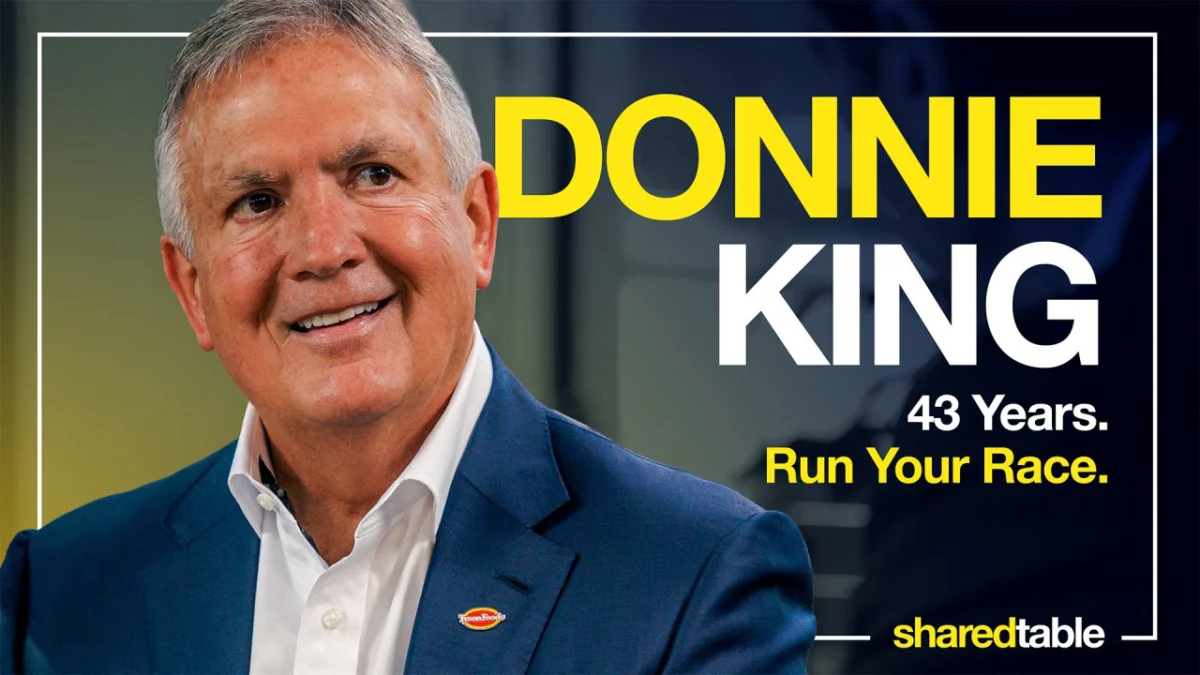
To understand the mechanics of this shift, I sat down with Donnie King, the CEO of Tyson Foods, in the company’s cafeteria—a fitting setting for a man whose 43-year career began on a poultry plant floor in 1982. As he prepares to conclude a legendary tenure, King offers a unique vantage point on the intersection of agriculture, corporate leadership, and the future of the American dinner table.
The Structural Shift: Beyond the Fad
For decades, dietary advice fluctuated between low-fat, low-carb, and everything in between. Today, however, the narrative has shifted decisively toward protein. King notes that the U.S. Department of Agriculture (USDA) Dietary Guidelines have effectively flipped the traditional food pyramid, de-emphasizing heavy carbohydrate consumption in favor of high-protein intake.
This is not a temporary trend. It is anchored by the meteoric rise of GLP-1 receptor agonists (such as Ozempic and Wegovy). With roughly 15% of U.S. adults having already utilized these therapies, and Morgan Stanley projections suggesting that nearly 30% of the obese or diabetic population in the U.S. will be on such treatments by 2035, the demand for high-quality, bioavailable protein is set to climb. When patients are on these medications, preserving muscle mass becomes a primary medical concern, and animal protein—dense in essential amino acids—remains the gold standard for metabolic health.
Why the "Plant-Based" Experiment Stalled
In the late 2010s, the food industry was swept up in the "alternative protein" craze. Meatless burgers and plant-derived sausages populated fast-food menus and grocery aisles with great fanfare. Yet, the momentum has largely dissipated.
King offers a candid assessment of why this transition struggled to gain permanent traction: the "long-as-your-arm" ingredient lists. Consumers, increasingly wary of ultra-processed foods, found that many plant-based alternatives failed to offer a "clean label" nutritional profile.
"You can never lose sight of the consumer and what their expectations are," King explains. "And I will say to the day I die that consumers buy based on taste first. If it doesn’t taste good, you can’t sell it."
The challenge for plant-based innovators was the "Triple Constraint": taste, cost, and nutrition. Animal protein, by contrast, hits all three markers consistently. Tyson’s own internal philosophy has shifted toward radical transparency—simplifying ingredient lists not because of outside pressure, but because it is the standard that modern, health-conscious consumers demand.
Chronology of a Career: From the Floor to the C-Suite
Donnie King’s trajectory at Tyson Foods is a masterclass in institutional longevity. Starting as a line worker in 1982, King spent over four decades navigating the volatility of the food industry.
- 1982: King joins the poultry plant floor, gaining a foundational understanding of the complexities of meat processing.
- 1984: A pivotal moment occurs when Don Tyson, then head of the company, visits a plant on a Friday night. His decision to walk the line and speak to entry-level workers, including a 22-year-old King, solidified a culture of accessibility that King would later champion as CEO.
- 2020: The COVID-19 pandemic presents the ultimate stress test. Supply chains break, demand spikes, and meat cases sit empty across the nation. King’s leadership during this period proves critical in stabilizing the supply chain and reinforcing the importance of essential workers.
- 2021–Present: King ascends to the CEO role, navigating a post-pandemic world characterized by inflation, shifting consumer preferences, and the emergence of GLP-1s, ultimately guiding Tyson to maintain its presence in 70% of U.S. households.
Supporting Data: The Supply-Side Crisis
While demand is soaring, the supply side of the protein industry faces significant structural hurdles. The United States currently holds its smallest cattle herd in 75 years. This is not merely a cyclical fluctuation; it is a symptom of a broken economic model within the ranching community.
King identifies a critical misalignment in the value chain. While there is significant capital flowing through the industry, it is not being distributed in a way that allows for consistent profitability across all tiers—from the rancher to the processor. Without earnings consistency, ranchers lack the incentive or the capital to reinvest in herd expansion. Consequently, the industry is at a crossroads: until the economic "win-lose" dynamic is resolved in favor of a more collaborative, sustainable model, the supply of domestic beef will remain tight, keeping prices elevated for the foreseeable future.
Official Responses and Strategic Implications
For Tyson Foods and the broader industry, the implications are clear: the protein revolution is durable, but it requires a change in strategy. King emphasizes that the industry must focus on three core pillars:
- Investment in Animal Health: As public scrutiny of food production increases, the industry must lead in animal welfare and health standards to maintain consumer trust.
- Operational Efficiency: With labor costs and input volatility, the ability to streamline production while maintaining high quality is the primary competitive advantage.
- Human-Centric Leadership: King argues that the most critical asset in the food industry is not the processing equipment, but the 130,000+ people on the front lines.
"Doing this job has really never been a job," King reflects. "It’s always been a calling. I get to feed people. I get to work with people. I get to be a part of satisfying a need."
Legacy and the Future of Leadership
Perhaps the most striking aspect of King’s tenure is his rejection of the "corner office" archetype. In an era where corporate leadership is often criticized for being detached from the realities of the shop floor, King’s commitment to eating in the cafeteria—listening to the concerns of the workforce and maintaining a pulse on the daily operations—serves as a template for modern management.
For King, true connection is not lost as a company scales; it is a choice made every single day. He believes that the next generation of food industry leaders must prioritize this "cafeteria culture." When a CEO understands the granular details of the production line, they are better equipped to navigate the macro-level shifts that define the global economy.
The Road Ahead
As Donnie King prepares for the next chapter of his life, his legacy is not just the products that reach millions of homes, but the philosophy of service he leaves behind. The protein industry is entering an era of unprecedented scrutiny and opportunity. With the rise of weight-loss drugs changing the caloric needs of a significant portion of the population, and the pressure on supply chains continuing to mount, the industry requires leaders who are as committed to the science of nutrition as they are to the humanity of the workforce.
The "protein shift" is not just about meat—it is about the foundational role that food plays in the health and stability of our society. As Tyson Foods looks toward the future, the lessons provided by King—focusing on taste, simplifying the label, and honoring the people who make it all possible—will likely remain the guiding principles for a company that remains at the heart of the American diet.
To watch the full conversation with Donnie King, visit the link below.