The digital landscape has undergone a seismic shift over the past three years. As Meta—the parent company of Facebook, Instagram, Messenger, and WhatsApp—navigates the complexities of user privacy, the integration of generative AI, and the aggressive pursuit of the "Metaverse," marketers and business owners have faced a constant stream of platform updates.
From the initial disruption caused by Apple’s iOS 14 App Tracking Transparency (ATT) framework to the strategic pivot toward short-form video via Reels, the platform has forced a total re-evaluation of digital marketing strategies. This report consolidates the critical milestones, policy changes, and technological shifts that have defined Meta’s ecosystem from 2020 to early 2023.
The Strategic Shift: From News Feed to Immersive Media
At the heart of Meta’s evolution has been a transition from a text-and-link-based social network to an immersive, video-first media platform. This shift was largely reactive to the meteoric rise of competitors like TikTok, prompting Meta to double down on algorithmic curation.
The Rise of Reels and Video Dominance
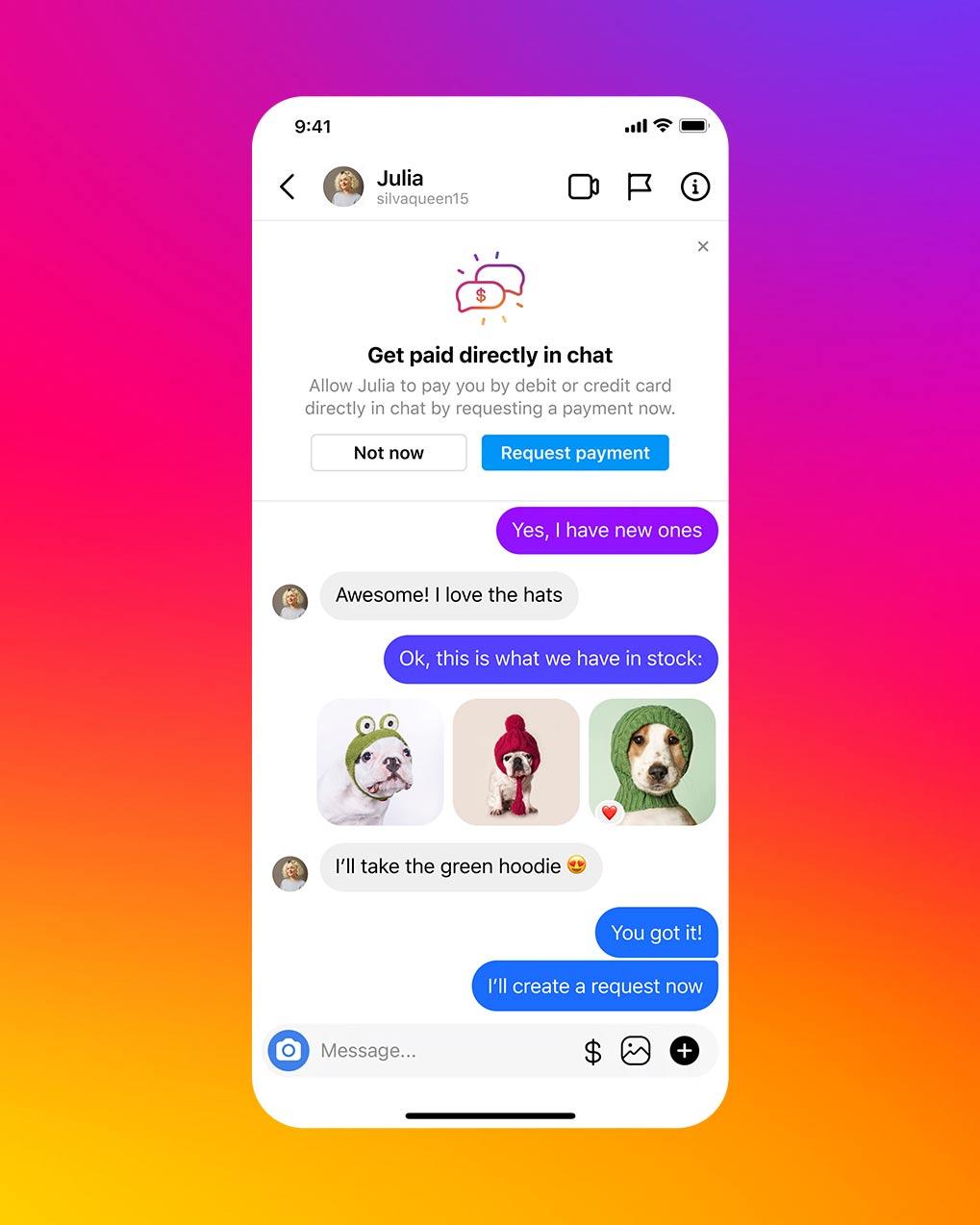
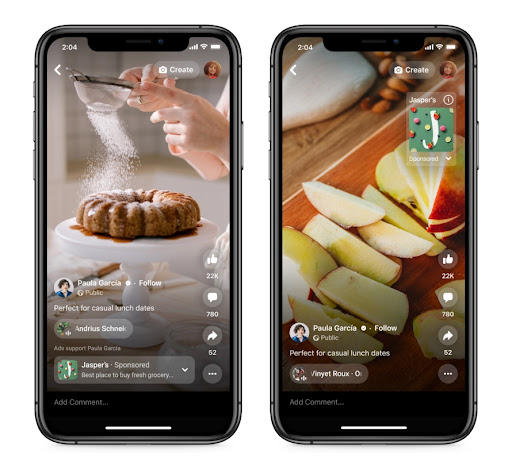
Beginning in late 2020 and accelerating through 2022, Reels became the focal point of Meta’s engagement strategy. Recognizing that users were increasingly consuming passive, short-form content, the company merged IGTV with feed videos to create a unified "Instagram Video" experience. By 2022, Reels were not only the primary driver of engagement but also the core of Meta’s advertising surface, with the company aggressively expanding ad placements into the Reels feed to capture the attention of younger demographics.
The Metaverse and Virtual Reality
Mark Zuckerberg’s vision of the "Metaverse" moved from a buzzword to a multi-billion dollar investment strategy. Despite financial headwinds—including the $36 billion invested in the project by late 2022—Meta’s commitment remained steadfast. The introduction of Horizon Workrooms for Oculus users signaled a push to translate the office environment into a digital space, though the commercial success of virtual reality remains a long-term play rather than an immediate revenue generator for most small businesses.
Chronology of Key Platform Transformations
The following timeline highlights the most significant operational updates that reshaped the advertiser experience:
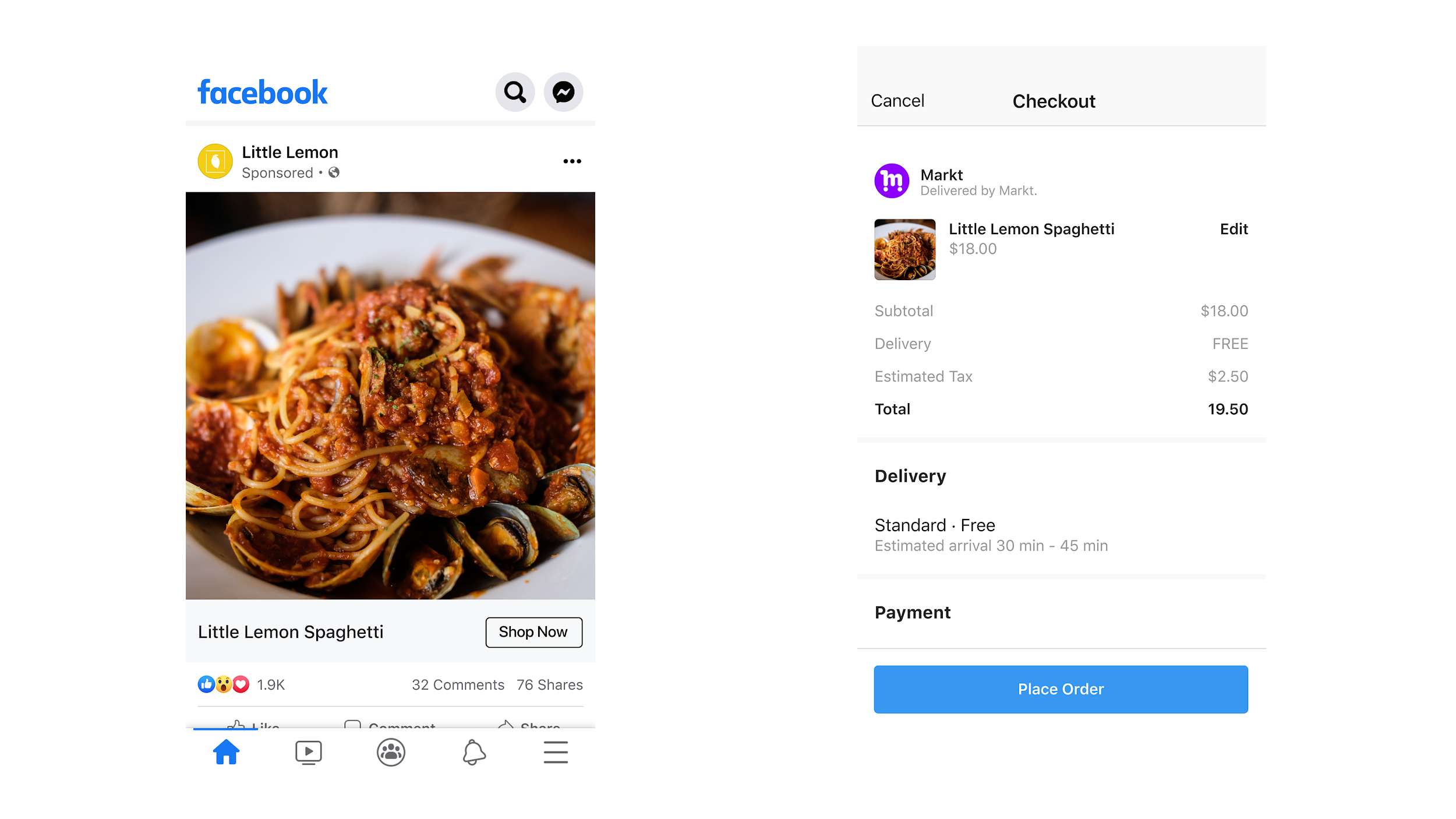
- Mid-2020 (The Pivot): Facebook introduced "Facebook Shops," a native, mobile-friendly shopping experience allowing users to browse and checkout without leaving the app. This was a critical response to the COVID-19 pandemic, which forced brick-and-mortar businesses to accelerate their digital transformation.
- Late 2020 (Privacy Headwinds): The announcement of the iOS 14 privacy changes sent shockwaves through the industry. The shift from "opt-out" to "opt-in" tracking fundamentally changed the effectiveness of traditional retargeting, forcing marketers to rely more heavily on first-party data.
- 2021 (Automation and Safety): Meta introduced the "Meta Advantage" suite, consolidating automated ad products to leverage machine learning. Simultaneously, the company rolled out enhanced brand safety controls, allowing advertisers to exclude specific topics from their video placements.
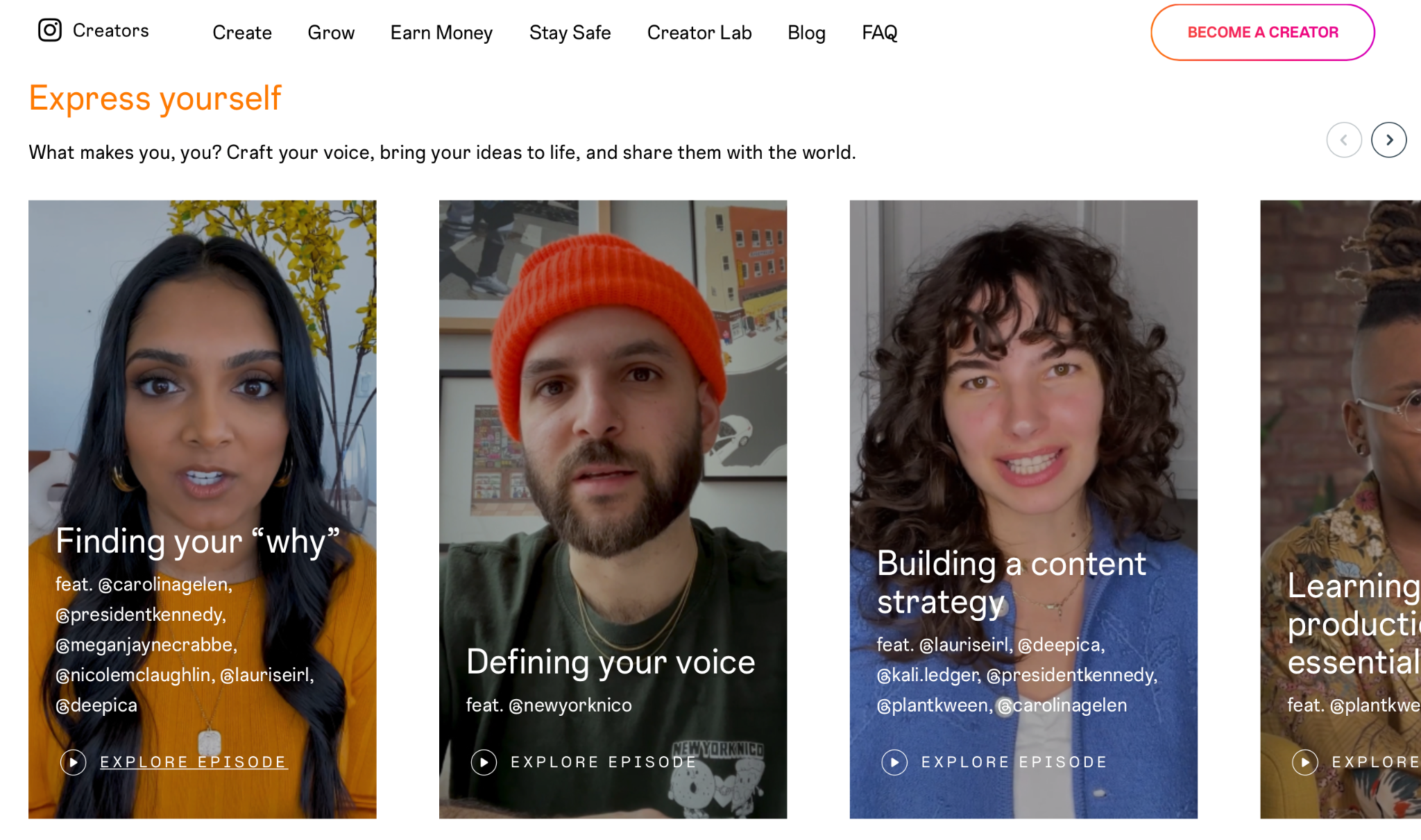
- 2022 (Creator Economy and Monetization): Instagram launched the Creator Marketplace, a centralized hub for brand-creator collaborations, and expanded native scheduling tools. These features were designed to retain talent on the platform amidst increasing competition from creator-focused startups.
Supporting Data: Efficiency Through Automation
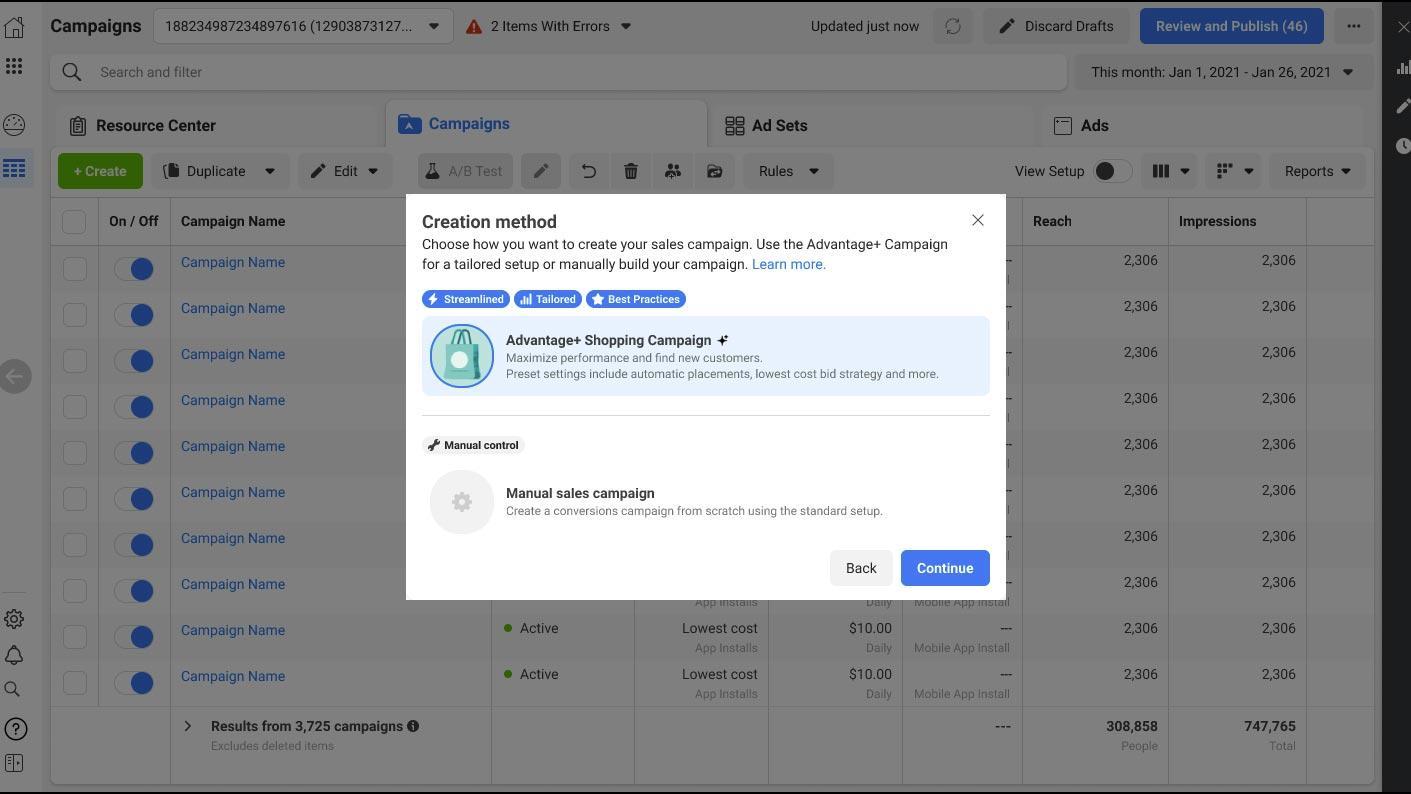
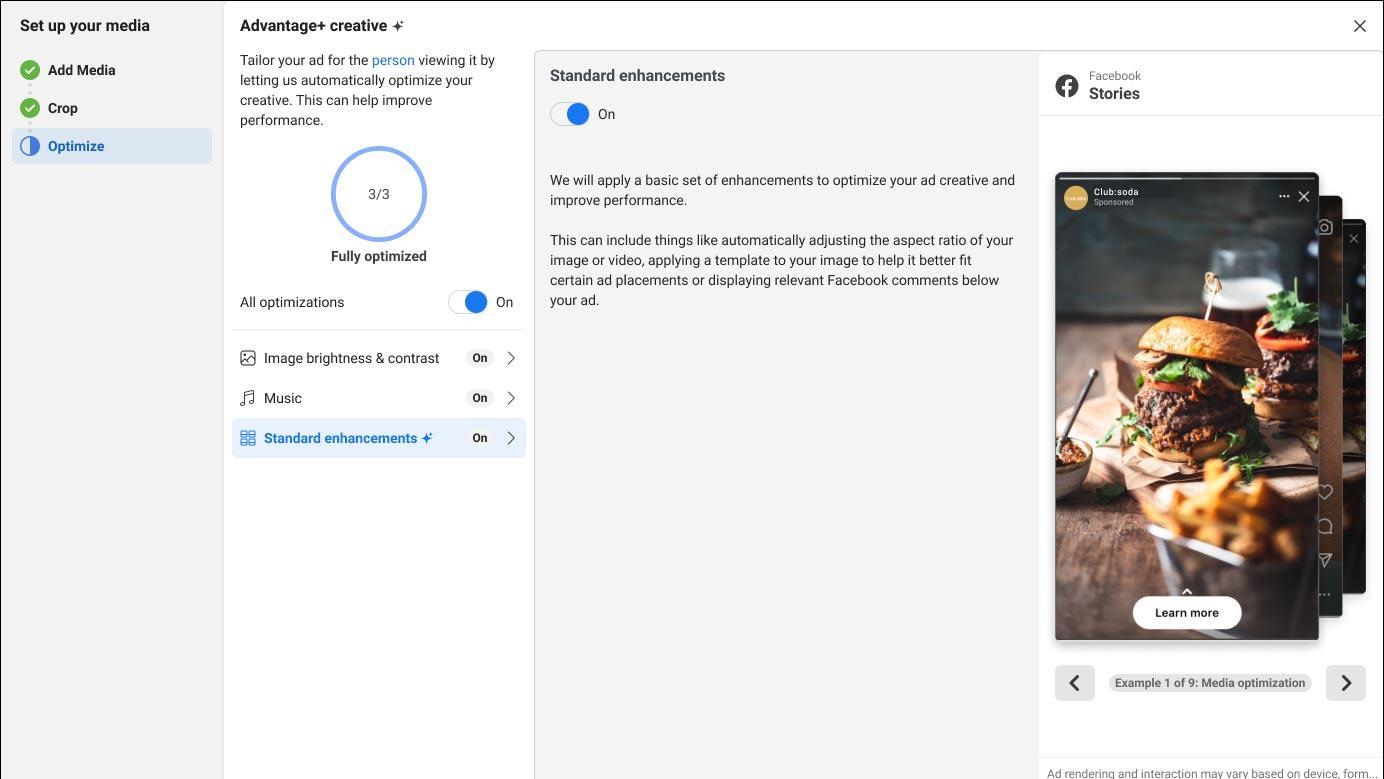
The most profound shift for advertisers has been the move toward "Advantage+" campaigns. Meta’s internal data suggests that automation-heavy campaigns, which utilize machine learning to test hundreds of creative combinations, significantly outperform manual ad sets.

In 2022, Meta reported that Advantage+ Shopping campaigns led to a 12% lower cost-per-purchase compared to standard manual campaigns. This data underscores a fundamental truth for modern advertisers: the era of granular, manual audience targeting is waning, replaced by algorithmic optimization that prioritizes broad targeting and creative diversification.

Official Stance and Brand Safety Initiatives
As Meta has faced intense scrutiny regarding data privacy and the spread of misinformation, the company has implemented several "Safety and Integrity" measures.
Brand Safety Milestones
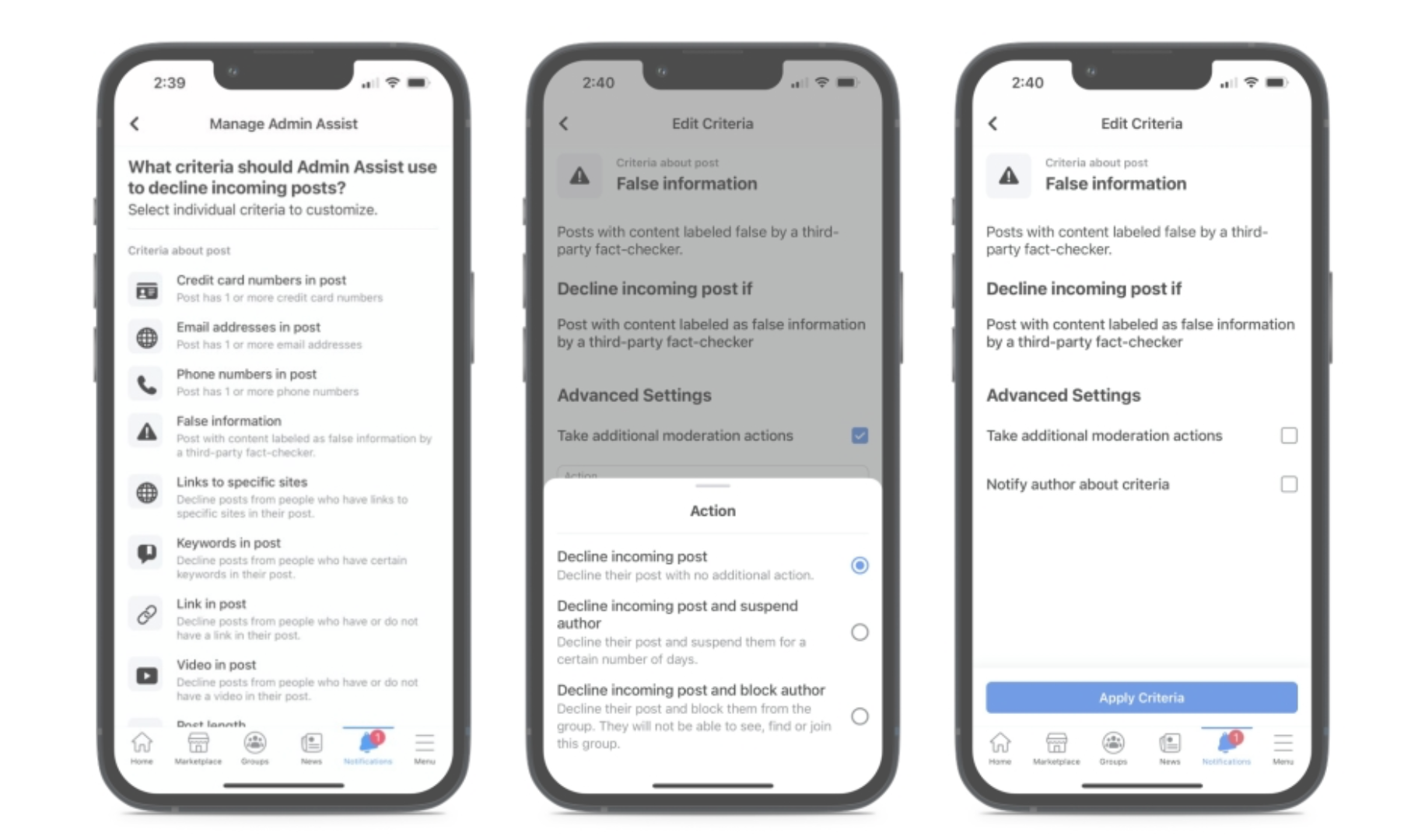
In late 2022, Meta achieved accreditation from the Media Rating Council (MRC) for content-level Brand Safety on Facebook. This was a direct response to advertiser concerns about "ad adjacency"—the fear that brand ads would appear next to harmful or polarizing content. By implementing sophisticated inventory filters and collaborating with third-party verification partners, Meta has attempted to stabilize the advertising environment for major corporate brands.

Political and Social Issue Transparency
Meta has also refined its "Special Ad Category" requirements. Since 2020, political and social issue ads have been subject to stricter authorization processes. The company’s policy is to provide users with a "Paid for by" disclaimer, ensuring that discourse surrounding sensitive topics—such as health, tax policy, and civil rights—is transparent and traceable.
Implications for Marketers in 2023 and Beyond
As we look toward the future of Meta’s platforms, several clear implications emerge for businesses of all sizes.
1. The Death of Manual Optimization
The success of Advantage+ campaigns and automated audience segments suggests that the algorithm is becoming more proficient at finding customers than human media buyers. Advertisers should focus less on "hacks" and more on "creative strategy." If the algorithm is doing the targeting, the creative asset (the video, the copy, the offer) becomes the primary variable for success.
2. The Return to First-Party Data
The aftermath of the iOS 14 privacy updates means that third-party cookies are no longer a reliable foundation for long-term strategy. Businesses must prioritize building their own customer databases. Email lists, SMS marketing, and on-platform lead generation tools (like Meta’s Lead Ads) are no longer optional—they are the bedrock of a resilient marketing strategy.
3. Community is the New Conversion
The aggressive development of Facebook Groups, including subscription-based groups and enhanced moderator tools, signals that Meta is trying to foster "high-trust" environments. While reach may be declining in the public feed, private, community-based groups offer a way to bypass algorithmic volatility. Brands that can build an active, engaged community will find that they have a more stable and cost-effective channel for driving long-term customer value.
4. The Power of "In-Chat" Commerce
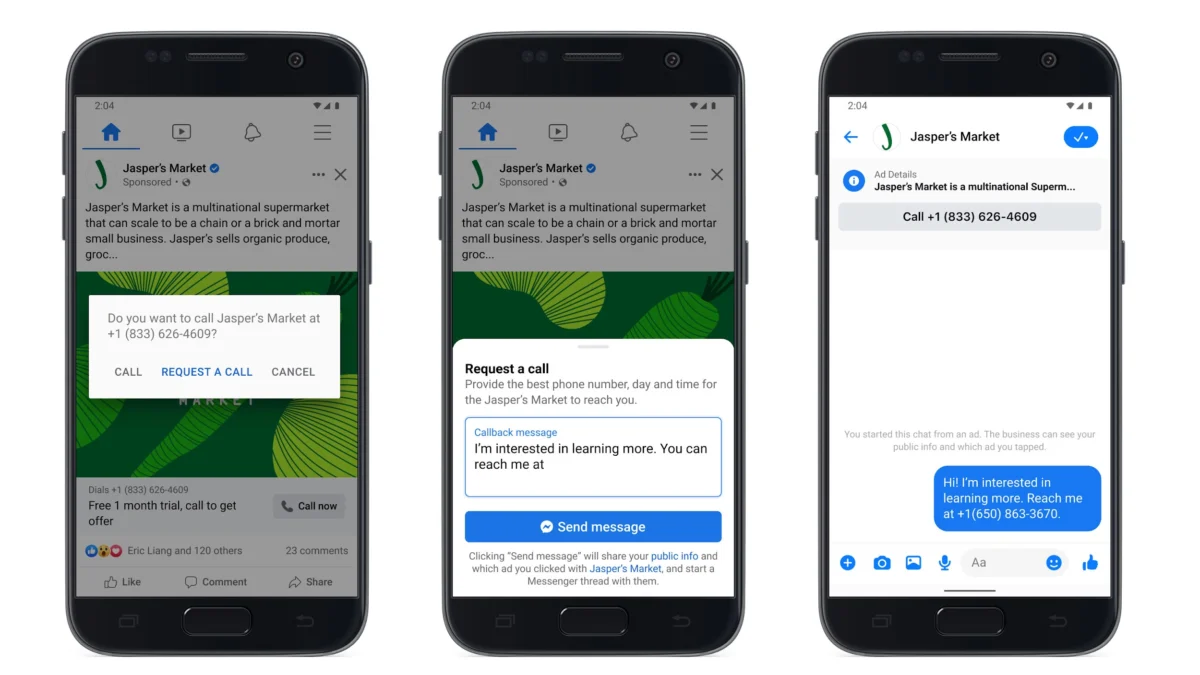
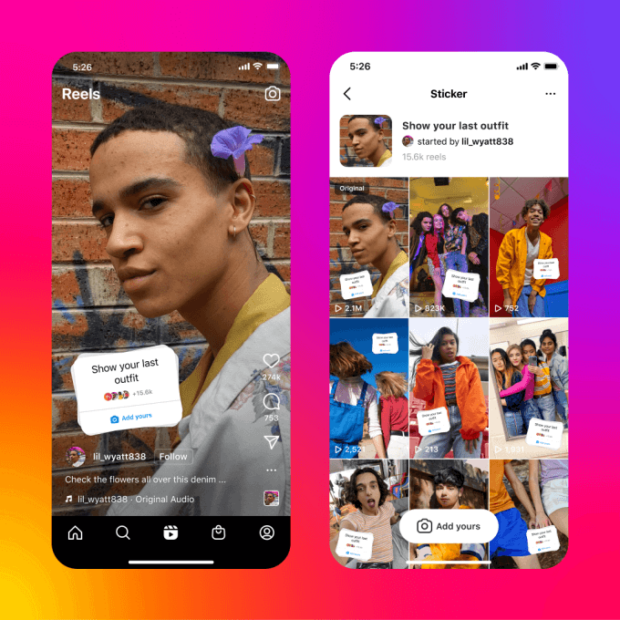
With the integration of payments directly into Instagram DMs and the expansion of WhatsApp business tools, Meta is positioning itself as an end-to-end commerce platform. The friction of moving a customer from a social post to a website is being removed. Businesses that embrace "conversational commerce"—where a customer discovers, inquires, and pays for a product entirely within a chat thread—will likely see higher conversion rates in the coming years.
Conclusion
The Meta ecosystem of 2023 is vastly different from the one that existed in 2020. The platform has evolved from a simple social networking site into a sophisticated, AI-driven commercial infrastructure. For businesses, the path forward is clear: lean into the automation that the platform provides, invest in original, high-quality video content that resonates with human emotions, and prioritize the ownership of customer data over third-party dependencies. While the challenges of privacy and platform volatility remain, the tools at a marketer’s disposal today offer more potential for scale than ever before—provided they are willing to adapt to the new algorithmic reality.