In a landmark shift for the global logistics landscape, A.P. Moller-Maersk has entered into a transformative strategic agreement with athletic giant Puma. The deal, announced on October 2, 2026, marks more than a simple outsourcing of warehousing duties; it signals the next phase in Maersk’s aggressive evolution from an ocean carrier into a comprehensive end-to-end global logistics integrator.
Under the terms of the agreement, Maersk will assume operational control of three major Puma distribution centers in the United States. However, the true innovation lies in the flexibility of the deal: Maersk gains the rights to utilize excess capacity within these facilities to service its broader portfolio of clients. This "multi-tenant" approach represents a significant departure from traditional, siloed warehousing contracts and reflects a growing industry trend toward collaborative supply chain infrastructure.
The Pillars of the Partnership: Expanding the End-to-End Vision
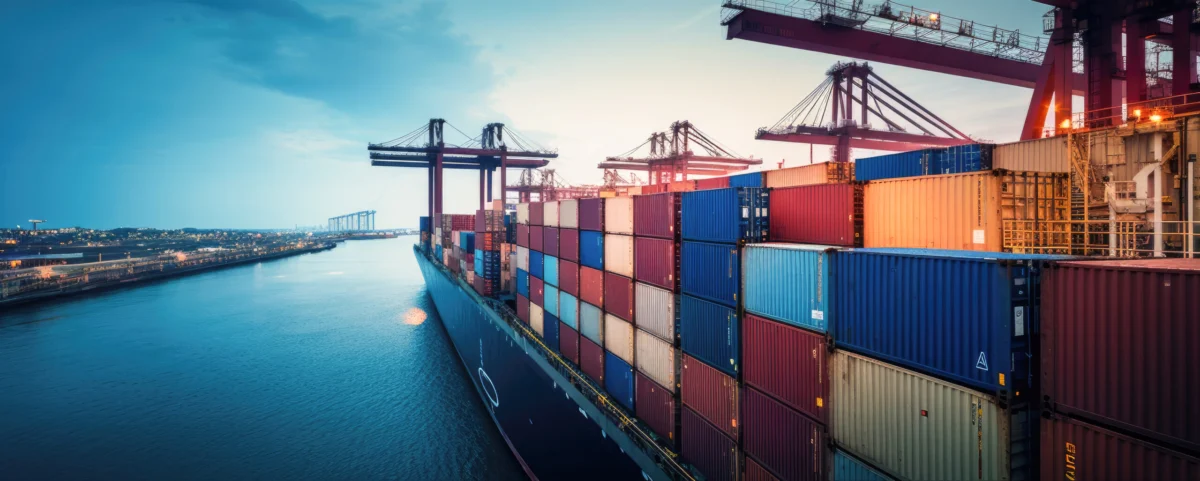
For decades, Maersk was synonymous with the blue hulls of its container ships traversing the world’s oceans. Today, that narrative has been rewritten. The partnership with Puma is a cornerstone of the company’s "integrator" strategy—a multi-year effort to provide a seamless flow of goods from the factory floor to the customer’s doorstep.
By integrating Puma’s distribution network into its own, Maersk is positioning itself as a central nervous system for retail logistics. The agreement leverages physical assets, complex transportation networks, and cutting-edge software to solve the "last mile" and "middle mile" challenges that have plagued retailers in an era of unpredictable consumer demand.
As Dave Hune, North America head of Maersk contract logistics, noted, the industry is undergoing a fundamental shift. "Many companies are looking for ways to get more value from the logistics infrastructure they’ve already invested in," Hune stated. This partnership allows Puma to optimize its own footprint while providing Maersk with the scale necessary to offer premium fulfillment services to other brands.
A Chronology of Maersk’s Logistics Expansion
The road to the Puma partnership was paved by a series of strategic maneuvers over the last several years. Maersk’s transition from a shipping line to a supply chain partner was not accidental but a calculated response to the volatility exposed by global supply chain disruptions.
- 2023–2024: The Foundations of Omnichannel Strategy: Maersk began systematically acquiring and building out its land-based infrastructure. A key milestone occurred in 2024, when the company opened a dedicated fulfillment center specifically designed to enhance the omnichannel capabilities of Levi Strauss & Co. This served as a "proof of concept" for the company’s ability to manage high-volume, brand-specific retail logistics.
- Early 2026: Scaling the Network: Recognizing that the North American market required localized speed, Maersk continued to expand its domestic footprint. The announcement of a $100 million state-of-the-art fulfillment hub in Hopedale, Massachusetts, served to cement Maersk’s presence in the Northeast, focusing on high-volume e-commerce throughput for major retail clients.
- October 2026: The Puma Milestone: The agreement with Puma marks the maturation of this strategy. By moving into the "multi-tenant" warehouse model, Maersk is no longer just a service provider; it is a shared infrastructure landlord, allowing smaller and medium-sized enterprises to tap into the same sophisticated automation and network reach as industry titans.
Supporting Data: The Technology Behind the Transformation
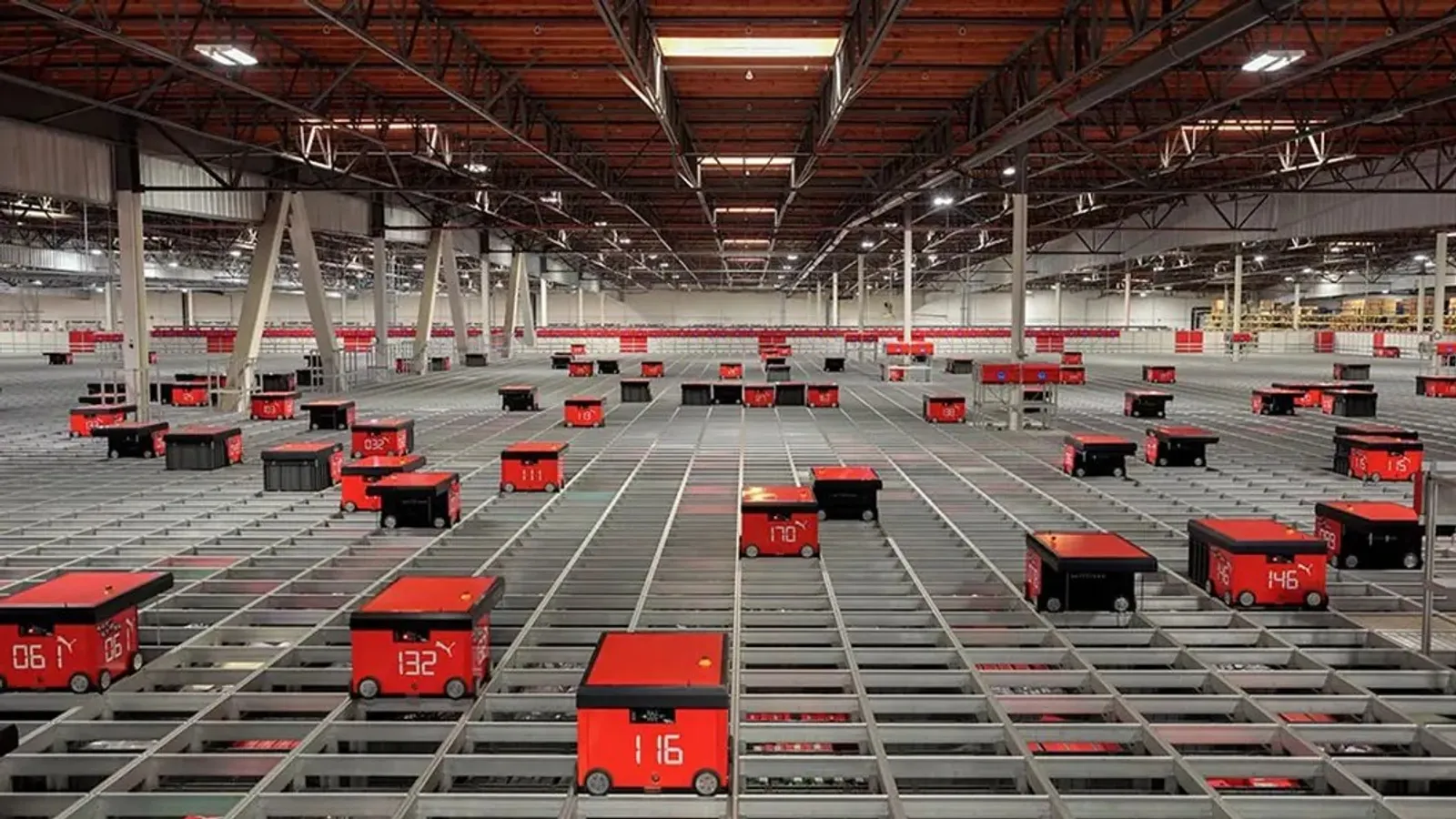
At the heart of this partnership—specifically at the facility in Torrance, California—is the deployment of AutoStore, a high-density automated storage and retrieval system (AS/RS). This technology is the engine of the new agreement.
The AutoStore Advantage
The Torrance facility will serve as the flagship for Maersk’s automated fulfillment capabilities. Starting in 2027, the site is expected to handle a throughput of approximately 20 million units annually. The technology works by storing inventory in a dense, modular grid, where a fleet of robots navigates the top of the structure to retrieve bins.
- Space Efficiency: By eliminating traditional aisles, AutoStore systems can store up to four times more inventory in the same footprint compared to conventional racking.
- Speed and Accuracy: Robots bring the goods directly to the employee—a "goods-to-person" system that drastically reduces the time spent walking through the warehouse. This improves picking accuracy and significantly boosts the number of orders processed per hour.
- Scalability: As the needs of Puma or other Maersk clients evolve, the grid can be expanded without disrupting ongoing operations, providing the "plug-and-play" flexibility that modern e-commerce demands.
Official Responses and Strategic Implications
The industry response to the Maersk-Puma deal has been one of cautious optimism. Supply chain analysts view this as a hedge against the cyclical nature of ocean freight. By diversifying into warehousing and fulfillment, Maersk is effectively locking in revenue streams that are less susceptible to the volatility of spot-market container rates.
The "Multi-Tenant" Model
The most significant implication of this deal is the democratization of high-end logistics. Previously, only the largest global retailers could afford to deploy proprietary AutoStore technology. By allowing multiple clients to share space within the Puma-connected facilities, Maersk is providing smaller brands access to world-class infrastructure.

"As supply chains become increasingly complex," the company noted in its official release, "fulfillment plays a growing role in helping businesses position inventory closer to demand, respond more quickly to market changes and serve consumers across channels."
This creates a "logistics-as-a-service" ecosystem. Maersk isn’t just shipping boxes; they are managing the inventory strategy for their clients. If a brand needs to shift inventory from the Torrance facility to a regional hub in the Northeast, Maersk controls the entire chain, from the robots picking the order to the trucks moving the freight.
The Future of Retail Fulfillment: Positioning for Demand
The broader implications of this partnership are clear: the warehouse is no longer a "storage box"—it is a competitive advantage.
Positioning Near Gateways
The choice of Torrance, California, for this initiative is strategic. Located in close proximity to major air and ocean gateways, the facility acts as a high-velocity staging ground. In an era where "two-day shipping" is the baseline expectation, proximity to the point of entry (the port) and the point of consumption (the urban population) is vital.
Sustainability and Efficiency
The focus on high-density automation also aligns with broader environmental, social, and governance (ESG) goals. Automated facilities generally require less lighting, lower climate control energy expenditures, and provide a safer environment for workers by automating the most repetitive and physically demanding tasks.

Competitive Landscape
This deal places Maersk in direct competition with traditional third-party logistics (3PL) providers and the logistics arms of major e-commerce platforms. However, Maersk brings a unique "ocean-to-shelf" advantage. While a traditional 3PL might manage the warehouse and a trucking company might manage the transport, Maersk is attempting to own the entire data thread connecting the two.
Conclusion
The agreement between Maersk and Puma is a harbinger of the "integrated logistics" future. It is a world where physical distance is bridged by automation and where the traditional boundaries between a shipping line, a warehouse operator, and a retail partner are dissolving.
For Puma, the benefits are clear: reduced overhead and access to cutting-edge automation without the burden of managing the technological infrastructure. For Maersk, the deal is a validation of its long-term strategy to be the backbone of global trade. As the logistics sector continues to navigate the complexities of a globalized economy, the ability to pivot, scale, and automate—as demonstrated in the Torrance facility—will separate the industry leaders from the laggards.
As we look toward 2027 and the full activation of the Torrance hub, the market will be watching closely to see how many other retailers follow Puma’s lead in handing over the keys to their distribution centers to the logistics giants of the world. The era of the "all-in-one" logistics provider has officially arrived.