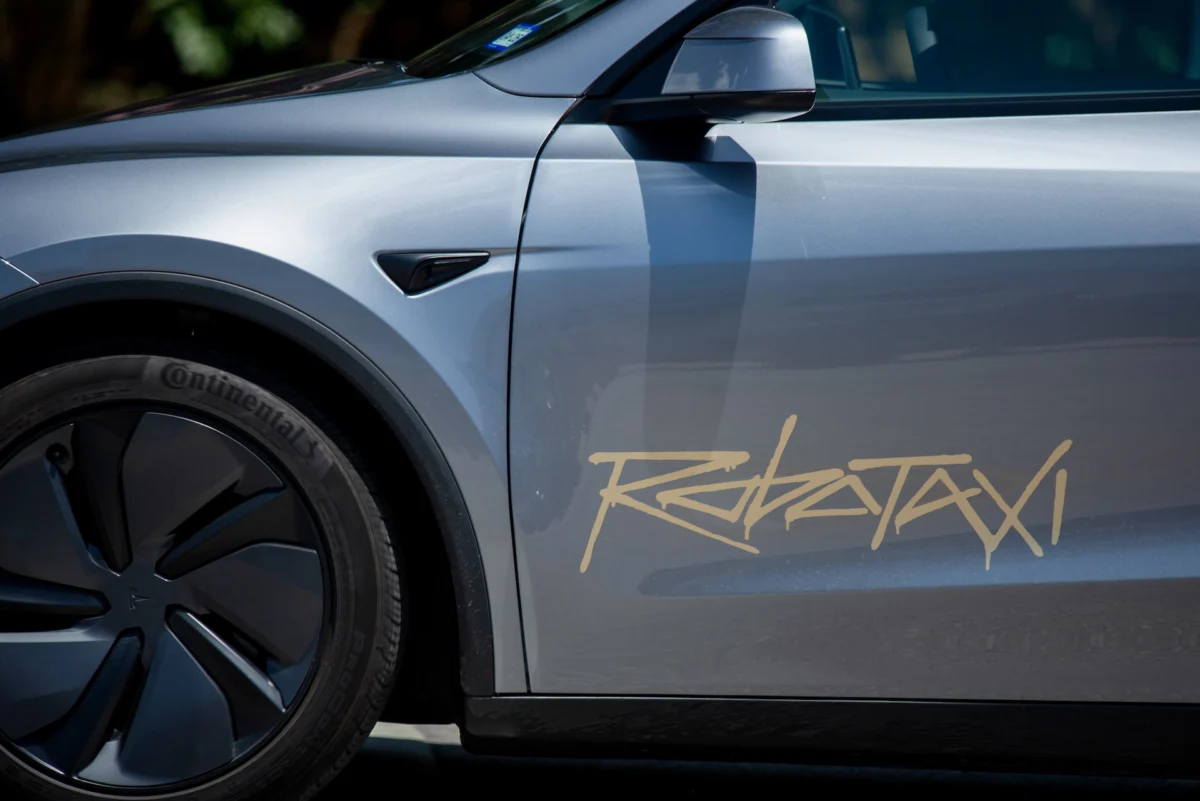
Nevada has officially cemented its status as the nation’s premier proving ground for autonomous vehicle (AV) technology. In a landmark decision that promises to reshape the transit landscape of the American West, the Nevada Transportation Authority (NTA) unanimously approved a series of permits on Thursday, authorizing Tesla, Uber, and Waymo to launch commercial robotaxi operations in Clark County.
This regulatory move marks a significant escalation in the race for autonomous dominance. By allowing the deployment of up to 8,000 robotaxis over the next 12 months, the NTA has set the stage for Las Vegas to become the most densely populated robotaxi market in the world. However, as the dust settles on the commission’s decision, industry analysts and local stakeholders are left questioning whether this rapid rollout is a feasible goal or merely an optimistic administrative cap.
The Regulatory Landscape: Who Got What?
The approval process was meticulous, reflecting the high stakes involved in introducing autonomous fleets into a bustling, high-traffic environment like Las Vegas. The permits issued divide the 8,000-vehicle capacity among three industry titans, each with a different operational strategy:
- Tesla: The electric vehicle giant secured the largest share, with authorization for up to 5,000 vehicles. Tesla intends to utilize its proprietary "Cybercab" platform to capture a significant portion of the Las Vegas ride-hailing market.
- Waymo: A veteran of the autonomous space, Waymo was granted approval for 1,000 vehicles. Leveraging its proven track record in cities like Phoenix and San Francisco, Waymo is expected to deploy its sophisticated suite of sensors and mapping technology to navigate the complex traffic patterns of the Strip.
- Uber: Also authorized for 1,000 vehicles, Uber’s strategy relies on a collaborative model. Rather than developing its own hardware exclusively, Uber will operate its fleet through strategic partnerships with Hyundai-backed Motional and autonomous tech firm Zoox. It is worth noting that Zoox already maintains an independent permit for 100 vehicles, adding another layer to the city’s autonomous tapestry.
A Chronology of the Approval Process
The path to Thursday’s vote was neither short nor simple. Nevada has long been a haven for AV testing, having established one of the first regulatory frameworks for autonomous cars in the United States over a decade ago.
- Initial Testing Phase: For years, companies like Motional and Waymo have operated in the "Golden Triangle"—the high-density corridor between Harry Reid International Airport and the Las Vegas Strip. During this time, testing was largely limited to controlled environments or restricted routes.
- Application Filing: As the technology matured, the NTA received a surge of applications from companies eager to transition from "testing" to "commercial service." These applications forced the state to consider not just safety, but the economic and infrastructure-related impacts of a full-scale deployment.
- The NTA Hearing: Thursday’s hearing served as the final hurdle. It was a marathon session featuring testimony from industry engineers, labor advocates, and legal representatives from the traditional taxi industry. The unanimity of the vote caught some observers off guard, signaling a strong political desire to keep Nevada at the forefront of the technological revolution.
The Reality Check: Deployment vs. Capacity
While the "8,000 robotaxi" figure captures headlines, the companies themselves are tempering expectations. During the hearing, Tesla’s Cybercab chief engineer, Eric Early, provided a dose of reality regarding the aggressive deployment schedule.
"The 5,000 has always been a ceiling for us," Early stated during his testimony. "I don’t think we’ll be in a position by this time next year to deploy 5,000 vehicles, and it’s not [because of] the technology. I think we would be extremely happy and satisfied if we could get ourselves up to 2,500, maybe a bit higher than that in the next year."
This sentiment is echoed across the industry. Scaling a fleet of autonomous vehicles involves more than just software; it requires a massive logistics infrastructure, including dedicated cleaning depots, charging stations, and a fleet of remote human operators who can intervene when the vehicles encounter "edge cases"—unforeseen traffic situations that the AI cannot navigate alone. Even if only half of the permitted 8,000 vehicles reach the road, the sheer volume of autonomous traffic in Las Vegas will be unprecedented.
The Conflict: Traditional Transit vs. The Silicon Valley Model
The decision was met with fierce opposition from the Livery Operators Association and local taxi companies. Their concerns centered on two primary issues: the "oversaturation" of the market and the potential for gridlock in the Golden Triangle.
"These applications raise two grave concerns," said Kimberly Maxson-Rushton, legal counsel for the Livery Operators Association. "One deals with the oversaturation of the commercial transportation industry as a whole in Nevada. And the second one deals with the overcrowding of the roadways, and specifically the Golden Triangle."
The Golden Triangle, which encompasses the airport, the Las Vegas Strip, and the surrounding resort corridors, is already one of the most congested traffic zones in the country. Critics argue that adding thousands of robotaxis to this already volatile mix could lead to a degradation of traffic flow. Furthermore, there is the existential threat to the livelihoods of thousands of human drivers. While proponents of robotaxis argue that these vehicles will create new, high-tech jobs in maintenance and fleet management, skeptics point out that the transition period will likely be devastating for current gig drivers and traditional cabbies.
Uber’s "Goldilocks" Strategy
Amidst the clash between fully autonomous operators and the traditional taxi industry, Uber is attempting to position itself as the bridge. By advocating for a "hybrid approach," Uber argues that ride-hailing networks should consist of a mix of human drivers and autonomous vehicles.
This strategy serves two purposes. First, it offers a pragmatic solution to the peak-demand problem; during major conventions or holiday weekends in Las Vegas, a hybrid fleet could dynamically shift between human and machine to maintain service levels. Second, it acts as a hedge against the potential for their autonomous partners to fall behind in the technical race. By lobbying for regulations that require AVs to integrate into existing ride-hailing platforms, Uber ensures it remains the dominant gateway for the consumer, regardless of whose hardware is under the hood.
Implications: The Future of Urban Mobility
The implications of this move extend far beyond the borders of Clark County. As Las Vegas becomes a massive, real-world laboratory, the data collected will inevitably inform national policy.
Economic Shift
The economic impact will be bifurcated. In the short term, the deployment of 8,000 vehicles will necessitate a massive capital investment in local infrastructure. From the construction of massive charging hubs to the hiring of hundreds of fleet technicians, the "robotaxi economy" will create new revenue streams for the city. However, the long-term displacement of human drivers remains a significant social policy challenge that the state has yet to fully address.
Urban Planning
City planners in Las Vegas will need to rethink curb management. Robotaxis, unlike traditional taxis, often need dedicated zones for pick-up and drop-off that do not block traffic. If the Golden Triangle becomes dominated by these vehicles, the city may need to implement smart-signaling and dedicated "AV lanes" to prevent the very gridlock that the Livery Operators Association fears.
Safety and Public Trust
Ultimately, the success of this initiative will be measured by public trust. If the initial deployment is marked by accidents, software glitches, or traffic chaos, the public appetite for autonomous transit will likely evaporate. Conversely, if the fleets operate with a level of safety and reliability that exceeds human driving, Las Vegas could serve as the blueprint for the next century of American transit.
As the state of Nevada prepares for this transformation, one thing is certain: the era of the autonomous taxi is no longer a futuristic concept. It is a present-day reality, and in the neon-lit streets of Las Vegas, the world will be watching to see if the machines can truly handle the ride.