The Hague, Netherlands – The judicial proceedings against prominent figures of the Kosovo Liberation Army (KLA) continue to cast a long shadow over the nation’s post-war narrative, with recent developments indicating a prolonged period of pre-trial detention for some of its most recognized leaders. The detention of Hashim Thaçi, former President of Kosovo, and his co-accused – Kadri Veseli, Rexhep Selimi, and Jakup Krasniqi – has been extended until August 2026, a decision that has reignited debates about justice, accountability, and the very foundation of Kosovo’s independence.
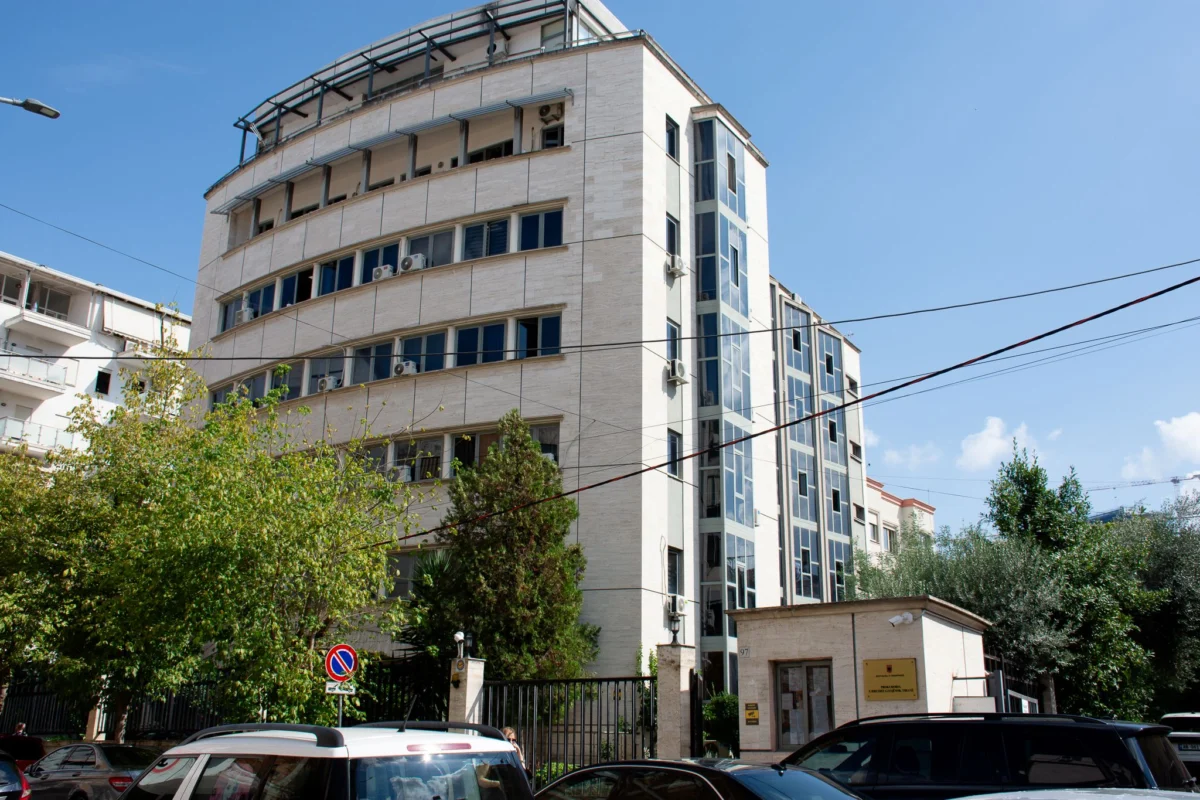
This extension, handed down by the judicial panel presiding over the case, signifies a significant phase in the legal battle unfolding at the Kosovo Specialist Chambers (KSC) and Specialist Prosecutor’s Office (SPO) in The Hague. While the specific details of the charges remain under seal, it is widely understood that the indictment centers on allegations of war crimes and crimes against humanity committed during and immediately after the Kosovo War of 1998-1999.
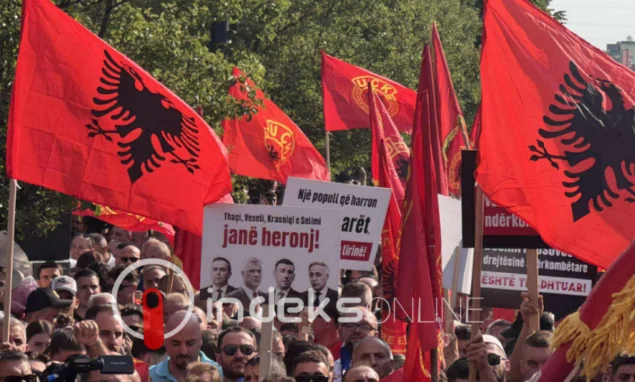
The protracted legal process, coupled with the ongoing detention, has not only impacted the individuals involved but has also stirred strong emotions within Kosovo. Supporters and veterans’ organizations have consistently voiced their discontent, framing the KLA leaders as freedom fighters unjustly targeted by international justice mechanisms. This sentiment is palpable, as evidenced by planned protests and public statements aimed at advocating for their release and highlighting the perceived selectivity of justice.
Main Facts: Extended Detention and Ongoing Legal Scrutiny
The core of the current situation revolves around the judicial panel’s decision to extend the pre-trial detention of Hashim Thaçi, Kadri Veseli, Rexhep Selimi, and Jakup Krasniqi. This extension, set to last until August 2026, means these individuals will remain in custody pending the full trial proceedings. The KSC, established by the Kosovo Assembly in 2015 with the support of NATO and the European Union, operates under Kosovo law but with a panel of international judges and prosecutors. Its mandate is to investigate and prosecute alleged war crimes committed by members of the KLA.
The indictment against Thaçi and his co-accused, unsealed in November 2020, outlines a broad spectrum of alleged crimes, including murder, enforced disappearance, torture, and persecution. The charges are presented as a joint criminal enterprise, suggesting a coordinated effort by the accused to carry out these atrocities. The scale and gravity of the alleged offenses have placed the KSC at the forefront of international justice efforts related to the Kosovo conflict.
The decision to extend detention is typically based on judicial assessments of flight risk, the need to prevent interference with the investigation or trial, and the severity of the charges. For high-profile defendants with significant public support and past involvement in a complex political landscape, these assessments can be particularly stringent. The extension until August 2026 suggests that the judicial process is anticipated to be lengthy, encompassing further pre-trial motions, evidence disclosure, and potentially the organization of the trial itself.
Chronology of Key Events: From Indictment to Extended Detention
The legal journey of Thaçi and his co-accused has been marked by several critical junctures:
- June 2020: The Specialist Prosecutor’s Office announces that it has filed an indictment against Hashim Thaçi and others. At this point, Thaçi was serving as the President of Kosovo.
- November 2020: The indictment is unsealed, detailing the charges of war crimes and crimes against humanity. Thaçi resigns from his presidency to face the charges. Veseli, Selimi, and Krasniqi, all prominent figures in Kosovo’s political and military history, are also indicted.
- November 2020: Thaçi and his co-accused voluntarily surrender to the KSC and are taken into custody. Their initial pre-trial detention begins.
- Early 2021 onwards: The KSC undergoes a series of pre-trial hearings and legal challenges. Defense teams for the accused have consistently contested the validity of the indictment and the jurisdiction of the KSC.
- Periodic Review of Detention: The KSC regularly reviews the detention status of the accused. These reviews involve judicial assessments based on the evidence presented and legal arguments made by both the prosecution and defense.
- Recent Decision (August 2026 Extension): The latest decision to extend the pre-trial detention until August 2026 marks a significant development, signaling the anticipated length of the judicial process. This decision is subject to further review, but it underscores the ongoing nature of the legal proceedings.
Supporting Data and Context: The Kosovo War and its Aftermath
The KLA emerged as the primary armed force fighting for Kosovo’s independence from Serbia during the late 1990s. The conflict, characterized by widespread human rights abuses on both sides, culminated in a NATO intervention in 1999 that led to Serbian withdrawal and the establishment of a UN protectorate. The KLA played a pivotal role in this struggle, and its leaders, including Thaçi, rose to prominence as key figures in the war for independence and the subsequent establishment of Kosovo as a state.
The KSC was established precisely to address allegations of serious crimes committed during this period, particularly those that might not have been adequately investigated or prosecuted by domestic mechanisms. The international community, recognizing the complexities and sensitivities surrounding the conflict, supported the creation of a specialized judicial body with international judges and prosecutors to ensure impartiality and credibility.
The charges against Thaçi and his co-accused are particularly significant given their stature. Thaçi, a former political leader of the KLA and later President, is one of the most recognizable figures from the war. Veseli served as head of the KLA intelligence service and later as Speaker of the Parliament. Selimi was a prominent KLA commander and later a Member of Parliament. Krasniqi, a veteran politician, served as Speaker of the Parliament. Their indictment suggests that the KSC is indeed targeting individuals at the highest levels of the KLA.
The nature of the alleged crimes – murder, enforced disappearance, torture – points to a dark chapter of the conflict, even as the KLA is celebrated by many in Kosovo for its role in achieving independence. The KSC’s mandate is to hold accountable those individuals responsible for perpetrating such acts, regardless of their wartime achievements or subsequent political positions.

Official Responses and Public Sentiment: A Divided Nation
The reactions to the extended detention and the ongoing KSC proceedings have been varied and often deeply polarized.
Support for the KLA and Opposition to the KSC: A significant portion of the Kosovo population, particularly those who lived through the war and remember the KLA’s role in defending their nation, views the KSC and its investigations as an unjust persecution of their heroes. Veterans’ organizations have been particularly vocal, organizing protests and issuing statements calling for the release of the accused. The protest planned for September 14th in The Hague, organized by the Union of Kosovo War Veterans, exemplifies this sentiment, demanding "Freedom for the Liberators." These groups often frame the KLA as having fought a just war for liberation and view any prosecution of its members as a betrayal of their struggle and an attempt to delegitimise Kosovo’s statehood.
Support for Justice and Accountability: On the other hand, international organizations and some segments of Kosovo’s society emphasize the importance of accountability for all alleged war crimes, regardless of who committed them or their wartime roles. They argue that true justice requires that all individuals suspected of serious crimes be investigated and, if evidence warrants, prosecuted. The establishment of the KSC was a deliberate step to ensure that justice is served in a credible and impartial manner, addressing the legacy of the conflict without undermining the progress Kosovo has made.
Official Stance of Kosovo Institutions: While respecting the judicial process, Kosovo’s official institutions have often expressed a desire for a swift and fair resolution. The government has consistently stated its commitment to cooperating with the KSC. However, the prolonged detention and the nature of the charges have created a complex political environment, with national unity often invoked in defense of the KLA figures.
The international community, including the EU and the US, has generally supported the KSC’s mandate and its commitment to due process. They emphasize that the court is an independent judicial body and its decisions should be respected.
Implications: Justice, Reconciliation, and Kosovo’s International Standing
The ongoing judicial proceedings at the KSC have profound implications for Kosovo, its national narrative, and its international standing.
Justice and Accountability: The primary implication is the pursuit of justice for alleged victims of war crimes. The KSC’s work is crucial for ensuring that perpetrators of serious crimes are held accountable, contributing to a more comprehensive understanding of the conflict’s human cost. This process, while painful, is seen by many as a necessary step for healing and reconciliation.
National Identity and Narrative: The KLA is deeply intertwined with Kosovo’s national identity and its struggle for independence. The prosecution of its leaders challenges this foundational narrative and forces a re-examination of wartime actions. This can lead to internal divisions and debates about how to reconcile the heroic image of the KLA with the allegations of war crimes. The extended detention of Thaçi and his co-accused prolongs this period of introspection and potential societal strain.
International Standing and Rule of Law: Kosovo’s commitment to the rule of law and its willingness to cooperate with international justice mechanisms are crucial for its international standing and its aspirations for further integration into European and Euro-Atlantic structures. The successful and fair operation of the KSC, even in challenging circumstances, demonstrates Kosovo’s maturity as a state and its dedication to upholding international legal standards. Conversely, any perception of political interference or a lack of respect for judicial independence could negatively impact its foreign relations and integration efforts.
Reconciliation: True reconciliation within Kosovo and with its neighbors requires acknowledging past wrongs and ensuring accountability. While the KLA is seen as a liberator by many Kosovars, the allegations of crimes committed by some of its members cannot be ignored. The KSC’s work, therefore, has the potential to contribute to a more honest and complete reckoning with the past, which is a prerequisite for lasting peace and reconciliation.
The prolonged detention of Hashim Thaçi and his co-accused underscores the complex and sensitive nature of transitional justice. As the legal process unfolds, the world watches to see how Kosovo navigates this critical period, balancing the demands of justice with the deep-seated emotions and historical narratives that have shaped its journey to statehood. The decisions made in the coming months and years will undoubtedly have a lasting impact on Kosovo’s future and its place in the international community.