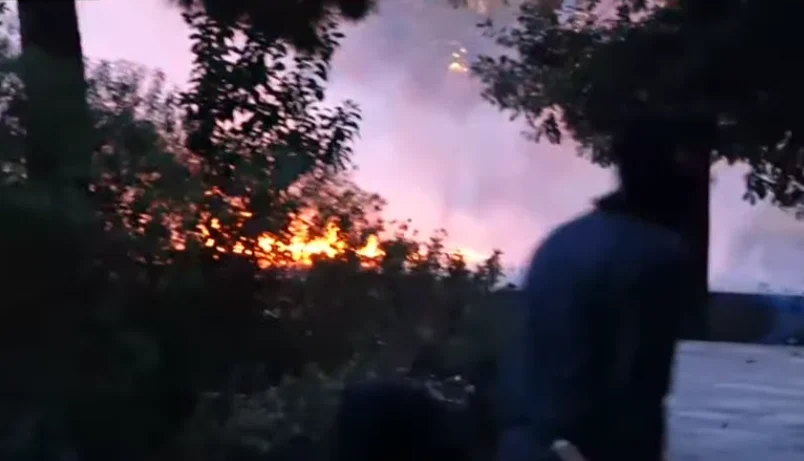
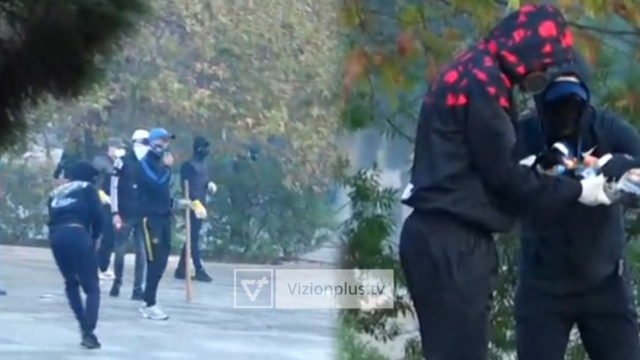
Tirana, Albania – October 24, 2026 – Skënderbej Square, the vibrant heart of Albania’s capital, Tirana, transformed into a battleground this evening as violent clashes erupted between protesters and law enforcement, marking a significant escalation in ongoing public demonstrations. For over two hours, masked individuals among the protesters engaged in direct confrontations with police, deploying Molotov cocktails and fireworks, while authorities responded primarily with tear gas to disperse the agitated crowds. The unrest, which began to intensify in the late afternoon, reached a critical peak in the central area, particularly along the thoroughfare connecting the historic Puppet Theater and the headquarters of the ruling Socialist Party (PS).
The protracted confrontation underscored deep-seated tensions simmering within Albanian society, brought to a head by weeks of protests over various grievances, including allegations of corruption, socio-economic disparities, and controversial urban development projects. The scenes of chaos, broadcast live across national media, painted a stark picture of a nation grappling with widespread discontent and a breakdown of public order in its most iconic public space.
Main Facts: A City Under Siege
The evening of October 24, 2026, witnessed an unprecedented level of violence in downtown Tirana. What began as a large-scale demonstration against the government rapidly devolved into pitched battles between protesters and police forces.
- Location: The primary flashpoint was Skënderbej Square, with significant clashes concentrated on the street between the National Puppet Theater and the Socialist Party Headquarters.
- Duration: The intense confrontation persisted for well over two hours, from late afternoon into the evening, with sporadic clashes continuing in adjacent streets.
- Protester Actions: Individuals, many with their faces obscured by masks, repeatedly hurled Molotov cocktails and launched fireworks directly at police lines. Rocks and other projectiles were also reported to have been thrown.
- Police Response: Law enforcement officers, clad in riot gear, utilized tear gas extensively to manage and disperse the aggressive crowds. Initial reports suggested a measured response from police, with tear gas being the primary tool, though earlier reports from the day mentioned the use of water cannons in other areas.
- Casualties & Damage: While precise figures were still emerging, preliminary reports indicated injuries among both protesters and police officers. Significant property damage was observed, particularly to public infrastructure and the facades of buildings in the immediate vicinity of the clashes.
- Underlying Causes: The protests are part of a broader movement fueled by public anger over perceived governmental corruption, the high cost of living, and a contentious urban redevelopment plan that critics argue benefits political elites at the expense of ordinary citizens.
The situation has gripped the nation, prompting urgent calls for calm and sparking a fierce debate about the right to protest, the limits of state force, and the fundamental issues driving public discontent.
Chronology of Escalation: From Grievance to Confrontation
The events of October 24 did not emerge in a vacuum. They represent the culmination of weeks, if not months, of simmering discontent that has periodically manifested in public demonstrations across Tirana and other major Albanian cities.
Weeks of Mounting Tensions
For several weeks leading up to this evening’s eruption, various civil society groups, opposition parties, and concerned citizens had organized a series of protests. These demonstrations were initially focused on specific grievances:
- The "Tirana 2030" Urban Plan: A highly controversial master plan for urban development in Tirana, which critics allege involves opaque tender processes, expropriation of private property at unfair prices, and benefits a select few developers with close ties to the ruling party. This plan has been a consistent flashpoint.
- Corruption Allegations: Persistent accusations of high-level corruption within government ministries and municipal offices, particularly concerning public procurement and infrastructure projects, have fueled public cynicism and anger.
- Cost of Living Crisis: Rising inflation, stagnant wages, and high unemployment rates, especially among youth, have exacerbated economic hardship for many Albanian families, adding another layer of frustration to the public discourse.
Earlier protests had been largely peaceful, characterized by marches, sit-ins, and symbolic acts of defiance. However, each demonstration saw a gradual increase in tension, with smaller skirmishes often breaking out as protesters attempted to approach government buildings or block major arteries.
The Day of October 24th: A Gradual Descent into Chaos
The day began with calls for a "National Day of Resistance" against what organizers termed "state capture." Thousands gathered in various parts of Tirana, intending to converge on Skënderbej Square.
- Early Afternoon (14:00 – 16:00): Protesters, many carrying banners and chanting slogans, began to assemble near the Prime Minister’s Office and the City Hall. Initial reports from VizionPlus.tv noted that "masked individuals and those with sticks in hand" were present, and that "protesters continued to throw stones and Molotov cocktails," indicating an early intent for confrontation. Police, at this stage, were reported to have used water cannons and tear gas to prevent protesters from breaching security cordons around key government institutions. One related article from VizionPlus.tv, published at 16:41, mentioned protesters setting fire to the doors of Tirana City Hall and the Ministry of Agriculture, highlighting the destructive turn early in the day.
- Late Afternoon (16:00 – 17:00): As the crowds grew denser and moved towards Skënderbej Square, the intensity of the clashes escalated. The square, usually a symbol of national unity, became a focal point for the confrontation. "Fireworks, Molotovs, and stones on the police, situation aggravates in Tirana’s streets," read a VizionPlus.tv headline published at 16:51, confirming the widespread nature of the unrest beyond single locations.
- Evening (17:00 onwards): The peak of the violence occurred in Skënderbej Square itself, specifically in the area leading to the Socialist Party Headquarters. For "more than two hours," as the main article states, protesters engaged in a sustained barrage of Molotov cocktails and fireworks. The presence of masked individuals, acting with apparent coordination, suggested a premeditated element to the violence. Police, in turn, maintained their lines, responding consistently with tear gas canisters to create distance and disperse the crowds. The thick plumes of smoke from tear gas, combined with the explosions of fireworks and Molotovs, created a chaotic and dangerous atmosphere that engulfed the city center.
- Aftermath (Post-19:00): While the most intense clashes subsided after 19:00, smaller groups of protesters continued to roam side streets, engaging in minor skirmishes and acts of vandalism. Police maintained a heavy presence, sweeping through areas to ensure order was restored.
The progression from peaceful assembly to violent confrontation underscores a worrying trend in Albanian public life, where dialogue appears to be increasingly replaced by direct, often destructive, clashes.
Supporting Data: The Human and Material Cost
The full extent of the damage and casualties from the October 24th clashes is still being assessed, but initial reports and eyewitness accounts paint a grim picture.
Casualties and Arrests
- Injuries: Emergency services reported treating dozens of individuals for injuries ranging from tear gas inhalation and minor cuts to burns sustained from Molotov cocktails and blunt force trauma from projectiles. At least 15 police officers were confirmed to have sustained injuries, some requiring hospitalisation for head wounds and burns. The number of injured protesters is more difficult to ascertain accurately, as many may have avoided official medical channels to evade identification. However, anecdotal reports from civil society groups suggest at least 30 protesters received medical attention, with some suffering severe burns.
- Arrests: The Ministry of Interior confirmed that over 50 individuals were arrested during and immediately after the clashes. Charges are expected to include illegal assembly, disturbing public order, assault on police officers, and arson. Authorities stated that investigations are underway to identify and apprehend all those involved in violent acts, particularly the masked individuals seen throwing Molotov cocktails.
Property Damage
The material cost of the unrest is significant.
- Public Buildings: The doors of Tirana City Hall and the Ministry of Agriculture sustained fire damage, requiring immediate repairs. The facade of the Socialist Party Headquarters showed signs of impact from projectiles.
- Infrastructure: Street furniture, traffic lights, and public waste bins in Skënderbej Square and surrounding areas were vandalized or destroyed. Paving stones were dislodged and used as projectiles.
- Private Property: Several commercial establishments, particularly cafes and shops near the square, reported broken windows and minor damage. Vehicle damage, including burned tires and shattered glass, was also reported in parked cars caught in the melee.
- Estimated Cost: Preliminary estimates from municipal authorities suggest property damage could run into the hundreds of thousands of euros, a burden that will ultimately fall on taxpayers.
Eyewitness Accounts
The human element of the conflict was palpable, with residents and business owners caught in the crossfire expressing fear and frustration.
- Elisa Kasa, 45, shop owner near Skënderbej Square: "I had to close my shop early. The smoke, the noise, the fear… it was terrifying. This isn’t the Tirana I know. We want change, but not like this. My business is already struggling, now this."
- Arben Mema, 22, student and protester: "We are here because we have no other choice. The government doesn’t listen. They steal from us, they build palaces while we struggle to find jobs. The Molotovs? That’s the anger boiling over. It’s not what we planned, but people are desperate."
- Officer Gjergji Pema, 38, riot police: "We are just doing our job, trying to maintain order. It’s not easy when you have people throwing fire at you. We are fathers, sons, just like them. We don’t want this violence, but we must protect the public and ourselves."
Expert Analysis
Political analysts and sociologists weighed in on the escalating situation, offering perspectives on the drivers and potential consequences.
- Dr. Erald Guri, Political Scientist at the University of Tirana: "What we are witnessing is a dangerous cocktail of accumulated grievances, political polarization, and a lack of effective channels for dialogue. The ‘Tirana 2030’ plan, coupled with pervasive corruption allegations, has become a symbol of deeper systemic issues. The involvement of masked individuals suggests a degree of organization, but also a radicalization of a segment of the protest movement, which risks alienating broader public support."
- Professor Alma Xhaka, Sociologist: "The youth, particularly, feel disenfranchised. They see limited opportunities, rampant corruption, and a political class that seems impervious to their concerns. This creates a fertile ground for frustration to boil over into violence. The use of Molotovs is a clear sign of extreme desperation and a rejection of traditional forms of protest. It’s a cry for attention, albeit a dangerous one."
- Security Analyst Ilir Hoxha: "The police response, primarily with tear gas, indicates a strategy to contain rather than confront directly, which is generally a good approach in such volatile situations. However, the sustained nature of the attacks with incendiary devices presents a serious challenge. There needs to be a clear intelligence operation to identify the instigators and prevent further escalation, alongside a political strategy to de-escalate tensions."
Official Responses: A Chorus of Condemnation and Calls for Calm
The violent clashes in Skënderbej Square triggered immediate and strong reactions from across the political spectrum, as well as from international observers.
Government’s Stance
The Albanian government, through various official channels, swiftly condemned the violence and reiterated its commitment to upholding law and order.
- Minister of Interior, Mr. Bledar Çuçi: In a late-night press conference, Minister Çuçi stated, "Today’s events in Tirana are unacceptable and a direct assault on the rule of law and democratic principles. While the right to peaceful protest is sacred in our democracy, violence, arson, and attacks on police officers will not be tolerated. Those responsible for these criminal acts will be identified, apprehended, and brought to justice with the full force of the law. I commend the professionalism and restraint shown by our police forces in the face of extreme provocation." He also subtly hinted at "elements seeking to destabilize the country for narrow political gains," without naming specific actors.
- Prime Minister’s Office: A statement released shortly after midnight emphasized the government’s openness to dialogue but stressed that "the language of Molotovs and destruction can never be a part of legitimate political discourse. We call on all citizens to distance themselves from violent provocations and to uphold the peace and stability that Albania has worked so hard to achieve." The statement also highlighted ongoing government initiatives to address economic challenges and combat corruption, attempting to counter the core grievances of the protesters.
Opposition’s Reaction
Opposition parties, while condemning the violence in general terms, placed the blame squarely on the government’s shoulders, accusing it of provoking the public through its policies and lack of accountability.
- Leader of the Democratic Party, Mr. Lulzim Basha: "The scenes we witnessed tonight are a tragic reflection of a government that has lost touch with its people. While we unequivocally condemn any act of violence, the root cause of this anger lies in the systemic corruption, the disregard for the law, and the arrogance of a ruling elite that has pushed our citizens to the brink. The government’s failure to address legitimate concerns has created this explosive atmosphere. They are responsible for the desperation that boiled over into violence." He called for an independent investigation into both police conduct and the actions of the protesters.
- Other Opposition Figures: Many echoed these sentiments, with some accusing the police of excessive force in earlier stages of the protests, thereby escalating tensions. They called for the resignation of the Interior Minister and a re-evaluation of the "Tirana 2030" plan.
Civil Society and Human Rights Organizations
Organizations focused on human rights and civil liberties expressed grave concern over the escalation, urging restraint from all parties.
- Albanian Helsinki Committee: Issued a statement calling for an immediate and thorough investigation into all incidents of violence, including alleged police misconduct and the actions of violent protesters. They emphasized the importance of upholding both the right to peaceful assembly and the need to maintain public order without resorting to excessive force. "Dialogue, not confrontation, is the path forward," the statement read.
International Community
The events also drew attention from the international community, with several diplomatic missions issuing statements.

- European Union Delegation to Albania: Released a statement expressing "deep concern over the escalating violence in Tirana" and urged "all political actors and citizens to exercise restraint, engage in constructive dialogue, and respect democratic processes and the rule of law."
- United States Embassy in Tirana: Called for "calm and de-escalation," reaffirming support for "the right to peaceful protest while condemning acts of violence and destruction of property." They stressed the importance of transparency and accountability from both sides.
Implications: A Precarious Path Forward
The violent clashes in Skënderbej Square carry profound implications for Albania’s political stability, social cohesion, and international standing. The events of October 24th could mark a turning point, either towards renewed efforts for dialogue or a further descent into political and social unrest.
Political Stability at Risk
The government, already facing declining approval ratings due to corruption scandals and economic challenges, now confronts a more radicalized protest movement. The events challenge its authority and capacity to maintain public order.
- Potential for snap elections: While unlikely in the immediate aftermath, sustained unrest could pressure the government into considering early elections to seek a renewed mandate or face a vote of no confidence.
- Increased polarization: The blame game between the government and opposition is likely to intensify, further polarizing an already divided society and hindering constructive political engagement.
- Erosion of trust: Public trust in institutions, including the police and the judiciary, could be further eroded, making it harder to address underlying issues.
Socio-Economic Impact
Beyond the immediate damage, the unrest has broader socio-economic consequences.
- Economic uncertainty: Continued instability could deter foreign investment, negatively impact tourism, and exacerbate existing economic challenges, including inflation and unemployment.
- Public safety concerns: The fear of further violence will undoubtedly affect daily life, potentially leading to a decrease in social activity and public engagement.
- Youth disillusionment: The violent nature of the protests, particularly the involvement of young masked individuals, highlights a deep-seated disillusionment among a segment of the youth who feel marginalized and unheard.
International Standing and European Integration
Albania is a candidate country for European Union membership, and its progress is closely watched by Brussels. The scenes of violence could negatively impact its image and slow down its integration process.
- Scrutiny from the EU: The EU places a strong emphasis on the rule of law, democratic processes, and fundamental rights. Persistent unrest and allegations of human rights abuses (whether by protesters or police) could lead to increased scrutiny and potentially delay accession talks.
- Impact on regional stability: Albania’s stability is crucial for the broader Western Balkans region. Any significant internal turmoil could have ripple effects on regional security.
The Path Ahead
The immediate priority remains de-escalation and the restoration of calm. However, a lasting solution requires more than just law enforcement.
- Genuine Dialogue: There is an urgent need for the government and opposition to engage in meaningful dialogue, addressing the core grievances of the protesters rather than merely condemning the violence.
- Accountability: Thorough and transparent investigations into both the acts of violence by protesters and any instances of excessive force by police are crucial for building trust and ensuring justice.
- Addressing Root Causes: Long-term stability depends on the government’s ability to tackle corruption effectively, promote inclusive economic growth, and ensure equitable urban development.
As Tirana cleans up the debris from a tumultuous evening, the lingering questions about the future of its democracy and the well-being of its citizens hang heavy in the air. The events of October 24th serve as a stark reminder that unresolved grievances, when left unaddressed, can explode into destructive conflict, leaving deep scars on the fabric of a nation. The challenge now for Albania’s leaders and its people is to find a way to channel this anger into constructive change, before the cycle of violence becomes entrenched.