
PRISTINA, Kosovo – August 6, 2026 – In a significant development for justice in post-war Kosovo, the Special Prosecutor’s Office of the Republic of Kosovo (SPRK) has filed a comprehensive indictment against 20 individuals, proposing a trial in absentia for their alleged involvement in grave war crimes committed against the civilian population in the Municipality of Gjakova during the 1998-1999 conflict. The indictment, announced today, marks a crucial step in the protracted quest for accountability for atrocities that devastated the region over two decades ago.
The accused, identified by their initials M.K., R.C., M.D., P.R., S.K., L.O., Zh.S., S.S., L.D., Z.R., D.G., Ç.B., V.B., R.B., R.R., L.R., M.Sh., M.R., S.G., and T.A., face charges related to "War Crimes Against the Civilian Population." This sweeping indictment aims to address one of the darkest chapters of the Kosovo War, bringing hope to victims’ families who have long sought legal redress for their profound suffering.
Main Facts: A Call for Absentia Justice
The indictment details the alleged roles of the defendants within the Serbian military and police apparatus during the 1998-1999 period. According to the SPRK, M.K. served as the head of the Secretariat of Internal Affairs (SUP) in Gjakova, while R. Ç. held the position of commander of the Special Police Units (PJP). M.D. is accused of commanding the 52nd Rocket Artillery Brigade. The remaining 17 individuals – P.R., S.K., L.O., Zh.S., S.S., L.D., Z.R., D.G., Ç.B., V.B., R.B., R.R., L.R., M.Sh., M.R., S.G., and T.A. – are identified as members of these units, all alleged to have actively participated in a large-scale military-police operation that led to the systematic killing of 107 civilians.
The proposed trial in absentia underscores the persistent challenges faced by Kosovo’s justice system in securing the presence of suspected perpetrators, many of whom are believed to reside outside Kosovo, predominantly in Serbia. This legal mechanism, while controversial in some jurisdictions, is often deemed necessary in cases of grave international crimes where traditional extradition routes are blocked by lack of cooperation between states. For the SPRK, it represents a commitment to pursuing justice even when direct arrests are not feasible, ensuring that allegations of mass atrocities do not go unaddressed.
The core of the accusation revolves around a brutal operation during which, the indictment alleges, women and children were systematically separated from men. While the women were subjected to looting – stripped of gold jewelry, money, and other valuables – the men faced execution. These killings reportedly occurred in various locations, including victims’ homes and courtyards, as well as at a site infamously known as "Ura e Taliqit" (Taliqit Bridge). The terror was further amplified by the widespread burning of homes, leaving a trail of destruction and displacement. The date of the indictment, August 6, 2026, positions this as a contemporary legal action seeking to resolve historical injustices.
Chronology: Unraveling Decades of Impunity
The indictment is the culmination of years of investigative efforts, tracing back to the violent dissolution of Yugoslavia and the ensuing conflicts that engulfed the Western Balkans.
The Genesis of Conflict (1990s): The 1990s saw a systematic rise in Serbian nationalist policies under Slobodan Milošević, leading to the revocation of Kosovo’s autonomy in 1989. This ushered in a decade of severe repression against the Albanian majority, marked by political marginalization, economic discrimination, and cultural oppression. As non-violent resistance proved ineffective, armed resistance emerged in the mid-1990s with the formation of the Kosovo Liberation Army (KLA).
Escalation and Atrocities (1998-1999): By early 1998, the conflict escalated dramatically. Serbian security forces, including the army (VJ) and police (MUP), launched extensive offensives against the KLA and the civilian population, whom they accused of supporting the insurgency. Gjakova, a historically significant town in western Kosovo, became a focal point of these operations. Its strategic location and large Albanian population made it a target for Serbian forces intent on suppressing dissent and driving out the local population.
The indictment specifically points to events during 1998 and 1999. During this period, numerous human rights organizations documented widespread abuses across Kosovo, including summary executions, massacres, sexual violence, forced displacement, and the destruction of property. The operation in Gjakova, as described in the indictment, mirrors the pattern of atrocities committed elsewhere – a coordinated military and police offensive designed to instill terror and cleanse the area of its Albanian inhabitants. The separation of men from women and children, followed by the execution of men and the looting of women, was a recurring tactic employed by Serbian forces to maximize their impact and minimize resistance. The burning of homes was not merely an act of destruction but a strategy to prevent return and erase the presence of the targeted community. The "Ura e Taliqit" location would become a site synonymous with unspeakable horror for the local population.
Post-War Justice Mechanisms (1999-Present): Following the NATO intervention in 1999 and the withdrawal of Serbian forces, Kosovo came under UN administration (UNMIK). One of UNMIK’s mandates was to establish a rule of law framework, including the investigation and prosecution of war crimes. This task was later continued and supported by the European Union Rule of Law Mission in Kosovo (EULEX), which took over substantial responsibilities in 2008. Over the years, significant challenges have plagued these efforts, including a lack of evidence, difficulties in witness protection, and, crucially, a persistent lack of cooperation from Serbian authorities regarding suspects residing in Serbia.
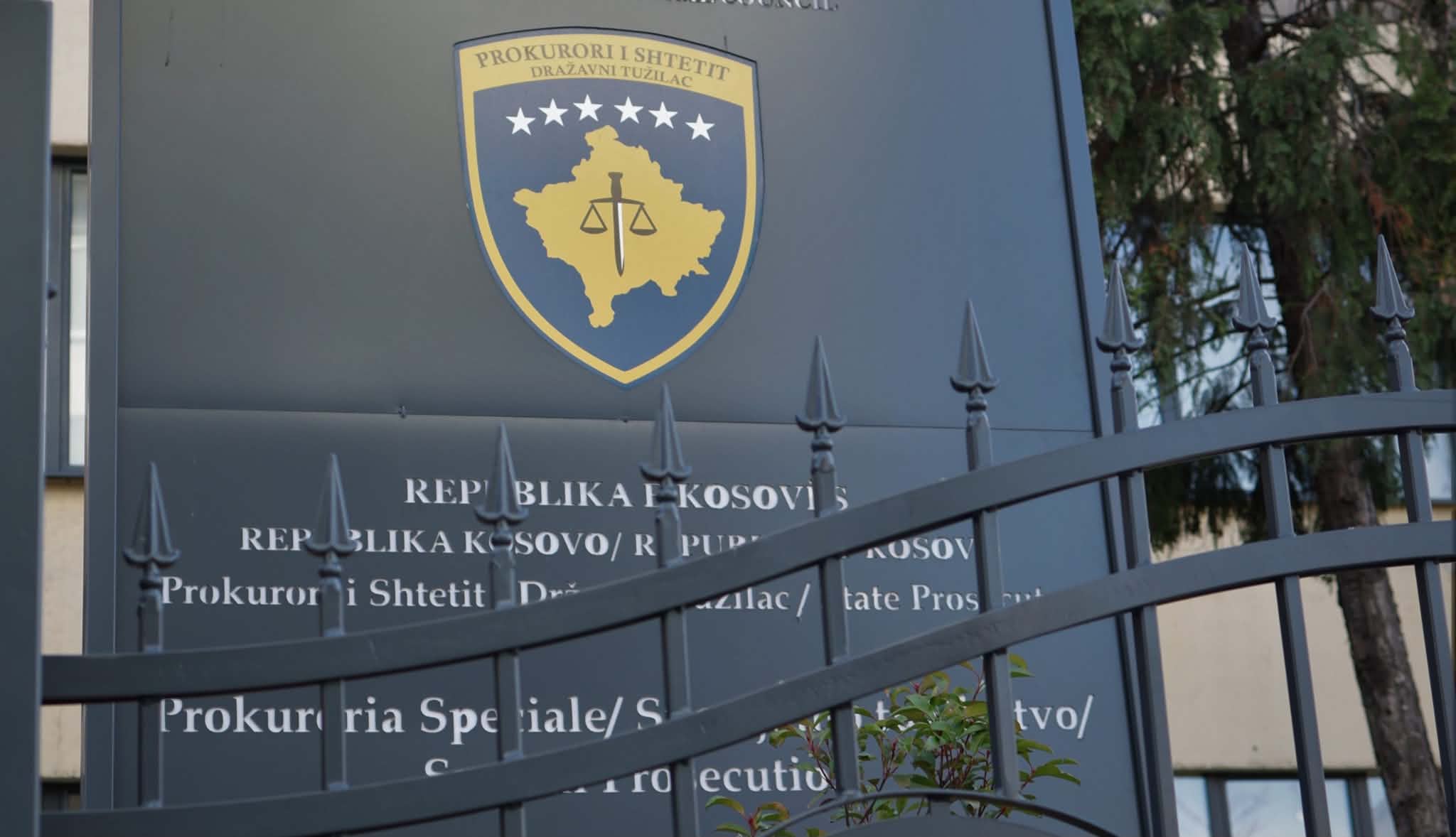
The establishment of the Special Prosecutor’s Office of the Republic of Kosovo (SPRK) represents Kosovo’s sovereign commitment to pursuing justice for war crimes, genocide, and crimes against humanity. The SPRK has gradually taken over the most complex cases, leveraging accumulated expertise and international support. This current indictment, coming more than two decades after the events, demonstrates the enduring commitment to holding perpetrators accountable, regardless of the passage of time or the obstacles presented by geopolitical realities. It reflects a long and arduous journey from the immediate aftermath of the war, through years of international administration, to the current phase where local institutions are taking the lead in prosecuting these grave crimes.
Supporting Data: The Scale of Atrocity and the Pursuit of Truth
The war in Kosovo left an indelible scar on the region, and the Gjakova municipality was one of its most devastated areas. The figures and historical accounts underscore the immense human cost and the imperative for justice.
Victim Statistics and Human Impact: The 107 civilian killings cited in the SPRK’s indictment for Gjakova are part of a much larger grim tally. According to various human rights organizations and databases such as the Humanitarian Law Center (HLC), over 13,500 people were killed or went missing during the Kosovo War, the vast majority of whom were ethnic Albanians. Gjakova alone suffered thousands of casualties and missing persons. Entire villages were razed, and tens of thousands were forcibly displaced, becoming refugees in neighboring countries and internally within Kosovo. The scale of the destruction and human suffering in Gjakova was particularly severe, with many families losing multiple members and their homes. Reports from Amnesty International and Human Rights Watch from the late 1990s extensively documented the systematic nature of the violence perpetrated by Serbian forces, including massacres, rape, and widespread destruction of civilian property, which align with the allegations in the SPRK indictment.
The Historical Context of Gjakova: Before the war, Gjakova was a vibrant multi-ethnic town, known for its Ottoman-era architecture, rich cultural heritage, and bustling economy. Its population was predominantly Albanian, with smaller Serb, Roma, and Ashkali communities. The town and its surrounding villages were heavily impacted by the Serbian military and police operations aimed at crushing the KLA and terrorizing the civilian population. The destruction of the Old Bazaar, a cultural monument, and numerous religious sites, alongside the mass killings and forced displacement, represented an attempt to erase the Albanian identity of the region. The events at "Ura e Taliqit" are just one tragic example of numerous execution sites identified across Kosovo where civilians were systematically murdered.
Legal Framework and Challenges: The prosecution of war crimes in Kosovo operates under a legal framework that integrates international humanitarian law with Kosovo’s national criminal code. Kosovo’s Criminal Code (Article 146, "War Crimes against the Civilian Population") largely mirrors the definitions found in the Rome Statute of the International Criminal Court, covering acts such as murder, extermination, enslavement, deportation, imprisonment, torture, rape, persecution, and other inhumane acts. These crimes carry no statute of limitations, emphasizing the enduring commitment to justice.
However, the pursuit of justice is fraught with challenges. One of the most significant is the lack of cooperation from Serbia. Belgrade consistently denies the systematic nature of war crimes committed by its forces and has refused to extradite suspects to Kosovo or to genuinely cooperate with Kosovo’s judicial bodies. This stance necessitates the use of mechanisms like trials in absentia. Furthermore, the passage of time complicates investigations: evidence can degrade, witnesses may pass away or become difficult to locate, and memories can fade or be influenced. Despite these hurdles, the SPRK, often with international mentoring and support from organizations like the War Crimes Research Office, continues to meticulously gather evidence, including witness testimonies, forensic data, and archival documents, to build robust cases.
Official Responses: Voices of Justice and Despair
The filing of such a significant indictment invariably elicits strong reactions from various stakeholders, reflecting the enduring impact of the war and the complex path to reconciliation.
Special Prosecutor’s Office (SPRK): The SPRK, in its public statement accompanying the indictment, emphasized its unwavering commitment to upholding the rule of law and ensuring accountability for grave crimes. A spokesperson for the SPRK likely highlighted the meticulous nature of the investigation, spanning years, and the critical importance of these indictments for victims. "This indictment represents a vital step in our ongoing pursuit of justice for the victims of war crimes," a statement might read. "It sends a clear message that impunity will not be tolerated, regardless of how much time has passed. The suffering endured by the people of Gjakova during 1998-1999 demands a judicial response, and we are committed to providing it through all available legal means, including trials in absentia." The SPRK would also reiterate its dedication to working independently and professionally to bring all perpetrators to justice.
Kosovo Government and Presidency: High-ranking officials in Kosovo, including the President and Prime Minister, would likely welcome the indictment. Their statements would underscore the government’s support for the justice institutions and express solidarity with the victims’ families. The President might state, "This indictment brings a glimmer of hope to the thousands of families still grieving and searching for truth and justice. Kosovo will not rest until all those responsible for the heinous crimes committed during the war are held accountable. Our institutions are committed to prosecuting these cases with the highest standards of integrity and fairness." The Prime Minister might add, "Justice is a cornerstone of our statehood and a prerequisite for lasting peace. We fully support the work of the Special Prosecutor’s Office in bringing alleged perpetrators to court, even if it means conducting trials in absentia due to the lack of cooperation from Serbia. This is about honoring our victims and building a future free from impunity."
Victim Associations and Families: The most poignant responses often come from victim associations and the families of those killed or missing. For them, this indictment, even after decades, represents a validation of their suffering and a step towards closure. A representative from a Gjakova-based victims’ association might express cautious optimism: "We have waited for this day for so long. The pain of losing our loved ones, of living with the trauma of those years, never truly leaves us. While a trial in absentia is not ideal, it is a necessary measure when the perpetrators remain shielded by another state. We hope this will finally bring some form of justice and truth to light." Individual family members, many of whom have testified and recounted their harrowing experiences countless times, would likely echo sentiments of profound grief intertwined with a desperate hope for accountability.
International Community: International bodies and diplomatic missions in Kosovo would likely issue statements affirming their support for the rule of law and the independent functioning of Kosovo’s justice system. EULEX, which has played a significant role in mentoring and supporting Kosovo’s judiciary, might commend the SPRK’s efforts. The UN or major Western embassies might emphasize the importance of prosecuting war crimes as a global imperative. A statement from an international official could read, "The international community commends the Special Prosecutor’s Office for its diligent work in pursuing justice for war crimes victims. These indictments are crucial for reconciliation, the rule of law, and ensuring that such atrocities are never forgotten or repeated."
Serbia’s Implied Stance: While no direct official response from Serbia to this specific indictment would be expected, its general posture on war crimes prosecutions in Kosovo is well-known. Serbia has historically rejected the legitimacy of Kosovo’s judicial institutions to try Serbian citizens for war crimes, often citing a lack of impartiality or due process. Belgrade rarely cooperates with extradition requests from Kosovo and often conducts its own, often criticized, war crimes trials. This lack of cooperation is precisely why trials in absentia become a necessary legal avenue for Kosovo, allowing justice to proceed despite the political impasse.
Implications: A Path Forward, Fraught with Challenges
The filing of this indictment carries profound implications for justice, reconciliation, and the rule of law in Kosovo and the wider Western Balkans.
Justice for Victims and the Rule of Law: Foremost, the indictment offers a tangible step towards justice for the victims and survivors of the Gjakova atrocities. Even without the physical presence of the defendants, the judicial process itself can provide a measure of validation and recognition for their suffering. It affirms the principle that grave crimes against humanity cannot go unpunished and reinforces Kosovo’s commitment to international legal norms. The ability of the SPRK to independently pursue such complex cases strengthens the credibility and maturity of Kosovo’s judicial institutions. It signifies a transition from reliance on international tribunals to a robust domestic capacity for prosecuting severe crimes.
The Significance of Trials in Absentia: The decision to propose a trial in absentia highlights a persistent dilemma in post-conflict justice. While the presence of the accused is generally preferred for a fair trial, the refusal of states to cooperate in extradition for alleged war criminals often leaves victims with no other avenue for justice. These trials, while facing criticism for potentially undermining certain due process rights, are crucial in circumstances where perpetrators evade capture. They serve to formally establish the facts of the crimes, identify those responsible, and issue judgments that, though difficult to enforce immediately, maintain the legal record and prevent complete impunity. This sets a precedent for future cases where perpetrators remain at large in uncooperative jurisdictions.
Regional Reconciliation and Persistent Divisions: The pursuit of justice for war crimes is a contentious issue in the Western Balkans, often viewed through ethnic lenses. For Kosovo Albanians, these trials are essential for acknowledging their suffering and holding perpetrators accountable. For many Serbs, such indictments are often perceived as politically motivated or anti-Serb. This divergence complicates efforts towards regional reconciliation. While justice is often seen as a prerequisite for genuine reconciliation, the process itself can exacerbate existing tensions. The challenge lies in ensuring that the pursuit of individual accountability does not further entrench collective blame, allowing for a future where historical truths are acknowledged by all sides.
Challenges Ahead: The path forward for these trials is fraught with challenges. Even if convictions are secured in absentia, their enforcement remains a significant hurdle. Without the cooperation of Serbia, the sentences cannot be executed, and the defendants would likely remain free. Appeals, even in absentia, could prolong the legal process. Furthermore, the search for other perpetrators and the collection of additional evidence will continue, as this indictment, while significant, likely addresses only a fraction of the total crimes committed in Gjakova and across Kosovo. The political will and resources required to sustain these long-term investigations and prosecutions will be critical.
In conclusion, the indictment filed by the SPRK against 20 individuals for war crimes in Gjakova represents a determined step towards addressing the atrocities of the 1998-1999 conflict. It underscores Kosovo’s commitment to justice for its victims, despite the profound challenges posed by political obstacles and the passage of time. While the proposed trial in absentia is a testament to the difficult realities of post-conflict justice in the region, it symbolizes an enduring hope that accountability, however belated, will ultimately prevail.