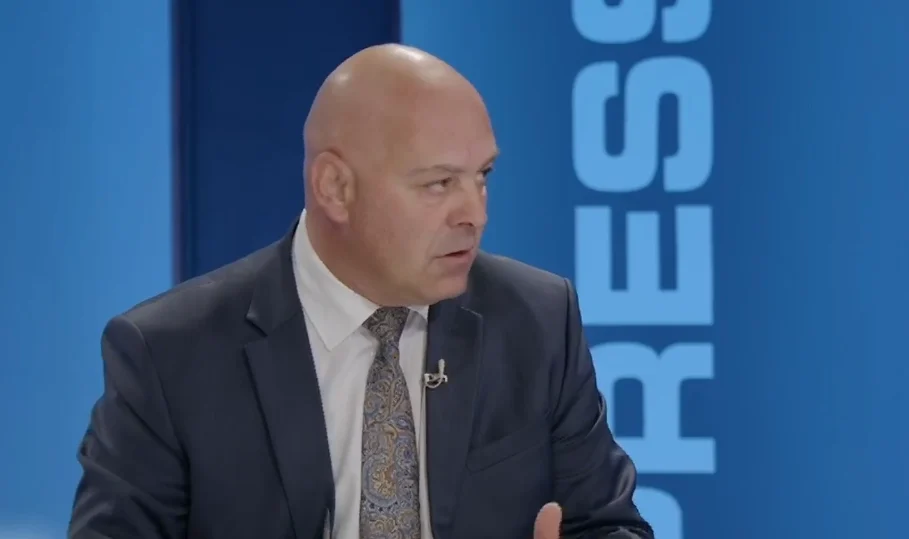
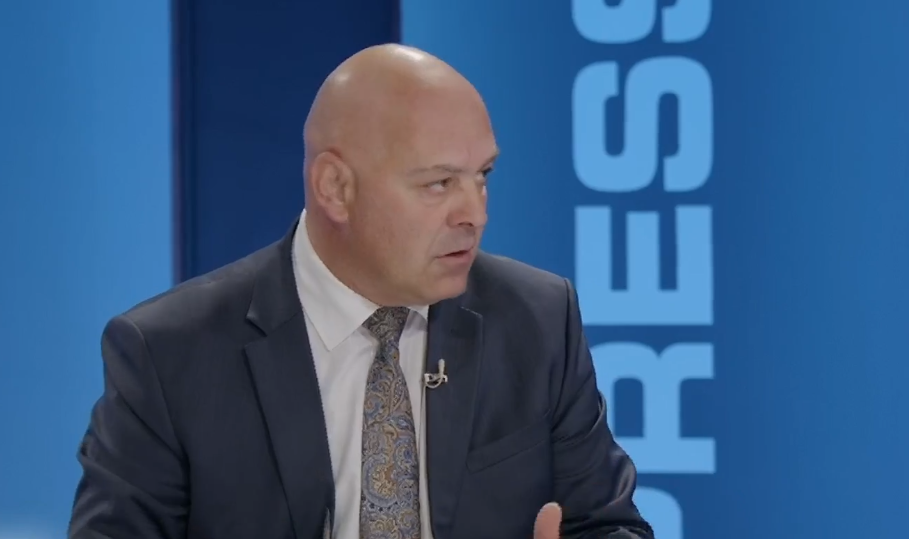
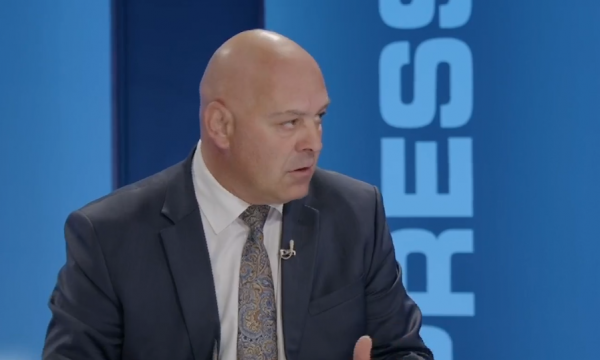
Pristina, Kosovo – In a significant declaration that has reverberated across Kosovo’s political landscape, Ardian Gjini, the Alliance for the Future of Kosovo (AAK) candidate for Prime Minister, asserted that the nation possesses the inherent capacity to transform into an "extraordinary success story." Speaking during an interview on T7’s "Pressing," a prominent political talk show, Gjini articulated a vision where Kosovar citizens would not be compelled to "wait decades to escape poverty," signaling a bold and accelerated timeline for national prosperity.
Gjini’s statement, delivered on May 13, 2026, has positioned AAK at the forefront of a debate concerning Kosovo’s developmental trajectory and the urgency of addressing its pressing socio-economic challenges. His remarks underscore a determined ambition to fast-track economic growth and significantly improve living standards, offering a distinct roadmap for governance should AAK lead the next administration.
Main Facts: A Bold Vision for Rapid Transformation
Ardian Gjini, a seasoned politician and a key figure within the Alliance for the Future of Kosovo, utilized the high-profile platform of "Pressing" on T7 to unveil a profoundly optimistic, yet equally challenging, outlook for the nation. His core message was unambiguous: Kosovo is not destined for prolonged economic struggle, and its citizens deserve and can achieve prosperity far sooner than commonly assumed.
"Kosovo can transform into an extraordinary success story and citizens don’t have to wait decades to escape poverty," Gjini stated emphatically. This declaration is more than just a political slogan; it represents a fundamental shift in rhetoric from gradual reform to accelerated progress, directly challenging the perception of Kosovo as a perpetually developing nation.
The context of this statement is crucial. As a prime ministerial candidate, Gjini’s comments are intrinsically linked to AAK’s broader governance program. They aim to instill hope and confidence among a populace often weary from persistent unemployment, economic migration, and perceived governmental inertia. By promising a rapid escape from poverty, Gjini is tapping into a deep-seated desire for tangible improvement in daily life, particularly among the youth and marginalized communities. The implication is clear: AAK, under his leadership, intends to implement policies that yield quick and decisive results, fundamentally altering the nation’s economic fabric within a single electoral cycle or two.
Chronology: Gjini’s Journey and AAK’s Enduring Presence
Ardian Gjini’s ascent to AAK’s prime ministerial candidacy is the culmination of a distinguished political career marked by various leadership roles and a consistent commitment to public service. Born in Gjakova, Gjini initially made his mark in local governance, serving as the Mayor of Gjakova. His tenure was characterized by efforts to revitalize the municipality’s economy, improve infrastructure, and enhance public services, earning him a reputation as a pragmatic and results-oriented leader.
His political trajectory within AAK saw him transition from local administration to national politics, holding positions as a Member of Parliament and, at various times, a minister in different government portfolios. These experiences provided him with an intricate understanding of Kosovo’s governmental machinery, its legislative processes, and the complexities of policy implementation. His deep engagement across different levels of governance has equipped him with a comprehensive perspective on the nation’s challenges and opportunities, forming the bedrock of his current ambitious vision.
The Alliance for the Future of Kosovo (AAK) itself has been a consistent force in Kosovar politics since its inception. Founded by Ramush Haradinaj, AAK has often played a kingmaker role in coalition governments, demonstrating its strategic importance and ability to navigate the often-turbulent political landscape. The party’s ideology generally leans towards a strong emphasis on national interests, robust economic development through private sector support, and a firm stance on state sovereignty and territorial integrity. Historically, AAK has advocated for significant infrastructure projects, increased domestic production, and an expedited path towards Euro-Atlantic integration.
Gjini’s statement in May 2026 comes at a critical juncture for Kosovo. While the specific electoral calendar for that year might vary, it’s typical for political parties to be either gearing up for an upcoming general election or in the immediate aftermath, setting their long-term strategic visions. The timing suggests a deliberate effort by AAK to define its platform and differentiate itself from competitors by offering a bold, optimistic, and time-bound promise of prosperity. This reflects a political environment where citizens are increasingly demanding concrete solutions and a clear departure from traditional political rhetoric. The emphasis on "not waiting decades" speaks directly to a population that has experienced slow progress and wishes for more immediate, tangible improvements in their lives.
Supporting Data: Kosovo’s Economic Realities and AAK’s Proposed Solutions
Gjini’s assertion that Kosovo can become an "extraordinary success story" within a shorter timeframe is inherently ambitious, particularly when viewed against the backdrop of the nation’s persistent socio-economic challenges. While Kosovo has made strides since declaring independence, significant hurdles remain.
Economic and Social Challenges:
- Unemployment: Despite some fluctuations, unemployment rates, particularly among youth, remain stubbornly high. While official figures vary, estimates often place youth unemployment well above 30-40%, leading to widespread frustration and driving significant brain drain as young, educated Kosovars seek opportunities abroad.
- Poverty: Pockets of extreme poverty persist, particularly in rural areas, and a substantial portion of the population lives close to the poverty line. Access to quality education, healthcare, and social safety nets remains uneven.
- Economic Growth: While GDP growth has been positive, it has often not been robust enough to create sufficient jobs or significantly reduce poverty. Foreign direct investment (FDI) has been inconsistent, hampered by perceptions of political instability, rule of law deficiencies, and bureaucratic hurdles.
- Trade Deficit: Kosovo maintains a significant trade deficit, heavily relying on imports, which strains its economy and limits the growth of domestic industries.
- Brain Drain: The exodus of skilled professionals and young talent to Western Europe and beyond poses a severe long-term threat to Kosovo’s human capital and developmental prospects.
- Energy Sector: Kosovo grapples with an aging energy infrastructure, reliance on coal, and challenges in transitioning to sustainable energy sources, impacting both economic competitiveness and environmental health.
- Rule of Law and Governance: Perceptions of corruption and a lack of consistent application of the rule of law continue to deter investors and erode public trust in institutions.
AAK’s Proposed Solutions (Inferred from Gjini’s statement and party platform):
To achieve such an "extraordinary success story," AAK’s platform, as championed by Gjini, would logically hinge on a multi-pronged strategy:
-
Accelerated Private Sector Growth:
- Investment Climate: Drastic improvements in the business environment, including streamlined administrative procedures, reduced bureaucracy, and enhanced legal protections for investors.
- SME Support: Robust programs for Small and Medium-sized Enterprises (SMEs), including access to finance, mentorship, and export promotion, recognizing them as the backbone of job creation.
- Digital Economy: Investing heavily in digital infrastructure, fostering tech startups, and promoting digital literacy to create a competitive knowledge-based economy.
-
Strategic Infrastructure Development:
- Transport Corridors: Continuation and expansion of major road and rail networks to enhance regional connectivity and facilitate trade.
- Energy Independence: Significant investment in renewable energy sources (solar, wind) to reduce reliance on coal and imports, ensuring a stable and sustainable energy supply.
- Utilities Modernization: Upgrading water, sanitation, and waste management systems across the country.
-
Human Capital Development and Social Welfare:
- Education Reform: Aligning educational curricula with labor market demands, emphasizing vocational training, STEM fields, and critical thinking skills.
- Healthcare System: Modernizing healthcare facilities, increasing access to quality medical services, and addressing the emigration of medical professionals.
- Targeted Social Programs: Implementing efficient and transparent social safety nets to protect vulnerable populations and facilitate their integration into the workforce.
-
Strengthening Rule of Law and Good Governance:
- Anti-Corruption Measures: Zero tolerance for corruption through strengthened investigative and prosecutorial bodies, independent judiciary, and transparent public procurement processes.
- Judicial Reform: Enhancing the efficiency and impartiality of the justice system to build investor confidence and ensure fair competition.
- Public Administration Reform: Professionalizing civil service and reducing political influence in public institutions.
Gjini’s vision implies that these reforms would not be incremental but transformative, requiring political will, efficient execution, and potentially a significant overhaul of existing bureaucratic structures. The "extraordinary success story" would be measured by concrete indicators such as significant reductions in unemployment and poverty, increased GDP per capita, higher FDI, and a reversal of the brain drain trend.
Official Responses: A Spectrum of Reactions
Gjini’s bold declaration has predictably elicited a range of responses from across the political spectrum, as well as from civil society and expert circles.
AAK’s Unanimous Endorsement:
Within the Alliance for the Future of Kosovo, Gjini’s statement has been met with enthusiastic support. Party leaders and prominent members have echoed his optimism, framing the vision as a clear, actionable plan for Kosovo’s future. Ramush Haradinaj, AAK’s founder and influential figure, publicly praised Gjini’s leadership and the party’s coherent strategy. "Ardian Gjini articulates the very essence of AAK’s commitment to our citizens – a future of prosperity that is not a distant dream, but an achievable reality through decisive governance," stated a party spokesperson. AAK aims to project an image of unity and a clear, pragmatic path forward, contrasting itself with what it often describes as the indecisiveness or ideological rigidity of other parties.
Opposition Scrutiny and Skepticism:
Rival political parties, however, have reacted with varying degrees of skepticism and critique.
- Vetëvendosje (VV): As a traditionally reformist and often governing party, VV leaders questioned the feasibility of such rapid change without fundamental systemic overhauls. "While optimism is welcome, true transformation requires addressing the root causes of corruption and establishing genuine rule of law, not just making grand promises," remarked a senior VV official, implicitly criticizing AAK’s past participation in governments that, according to VV, failed to enact deep reforms.
- Democratic League of Kosovo (LDK): The LDK, often positioned as a centrist, establishment party, called for a more pragmatic and consensual approach. "Building a success story takes consistent effort, broad national consensus, and careful planning, not just ambitious rhetoric," an LDK parliamentarian commented, suggesting that AAK’s promises might lack detailed implementation strategies.
- Democratic Party of Kosovo (PDK): The PDK, another major political force, pointed to AAK’s own record in previous coalitions. "The question isn’t just about what can be achieved, but what has been achieved by those making these promises. Kosovo needs credible plans, not just slogans," stated a PDK analyst, challenging AAK’s capacity to deliver on such an accelerated timeline.
Expert and Civil Society Perspectives:
Independent economists and political analysts offered a more nuanced assessment:
- Economists: While acknowledging Kosovo’s potential, many economists stressed the immense challenges. Dr. Lena Koci, an economic policy expert, noted, "Achieving an ‘extraordinary success story’ within a decade would require sustained double-digit GDP growth, massive foreign investment, and an unprecedented crackdown on corruption. It’s theoretically possible, but requires a political consensus and implementation capacity that Kosovo has yet to demonstrate." They emphasized the need for detailed, evidence-based policy proposals rather than just aspirational targets.
- Political Analysts: Analysts viewed Gjini’s statement as a strategic move to energize AAK’s base and attract swing voters. "This is a classic ‘hope and change’ narrative designed to capture the imagination of a frustrated electorate. The challenge, however, will be translating this bold vision into concrete, believable steps," observed Mr. Agon Bytyçi, a political commentator.
- Civil Society Organizations: NGOs focused on social justice and governance highlighted the importance of inclusive growth. "Any success story must ensure that all citizens benefit, not just a select few. This means strong social protections, environmental sustainability, and genuine citizen participation in governance," stated a representative from a leading civil society group, adding a critical dimension to the definition of ‘success.’
The international community, while generally supportive of Kosovo’s reform efforts, typically maintains a cautious stance on specific timelines, often emphasizing the importance of rule of law, regional stability, and good governance as prerequisites for sustained economic growth and European integration.
Implications: Reshaping Expectations and Political Discourse
Ardian Gjini’s declaration that Kosovo can become an "extraordinary success story" within a decade carries significant implications, not only for AAK’s electoral prospects but also for the broader political discourse and the expectations of Kosovar citizens.
For AAK’s Electoral Campaign:
This bold statement positions Ardian Gjini and AAK as the party of decisive action and rapid progress. In an electoral landscape often characterized by incremental promises or entrenched political divides, AAK is attempting to carve out a niche as the party that offers a tangible, time-bound path to prosperity. This could resonate strongly with disillusioned voters, particularly the youth, who are tired of slow reforms and the persistent cycle of poverty and emigration. The message aims to inspire hope and provide a clear alternative, potentially drawing support from those seeking a fresh, energetic approach to governance. It sets a high bar, distinguishing AAK from competitors who might offer more cautious or long-term strategies.
For Kosovo’s Political Discourse:
Gjini’s statement elevates the national conversation from simply discussing problems to demanding solutions with a defined timeline. It challenges other political parties to articulate their own visions for rapid economic development and poverty eradication. This shift could push political debates beyond everyday skirmishes towards more substantive discussions on economic models, investment strategies, and social policies. It forces a focus on tangible outcomes and accountability, potentially leading to more detailed policy platforms from all major political actors.
For Citizens’ Expectations:
The promise of escaping poverty within a decade is a powerful one, capable of mobilizing public sentiment. However, it is also a double-edged sword. While it instills hope and encourages active participation, it simultaneously creates exceptionally high expectations. If these promises are not met, or if progress is perceived as too slow, it could lead to profound disappointment, cynicism, and further erosion of trust in political institutions. The challenge for Gjini and AAK will be to manage these expectations by providing clear, measurable benchmarks and demonstrating consistent, transparent progress.
Long-Term Vision and State-Building:
Ultimately, Gjini’s vision aligns with Kosovo’s overarching ambition for full Euro-Atlantic integration and the consolidation of its statehood. A prosperous, stable Kosovo that has overcome poverty and achieved significant economic growth would be a stronger candidate for EU membership and a more resilient actor in regional and international affairs. The "extraordinary success story" is not merely an economic aspiration but a vital component of Kosovo’s journey towards a fully sovereign, functional, and respected nation-state.
The road to becoming an "extraordinary success story" is undeniably fraught with challenges, requiring profound reforms, unwavering political will, and potentially a fundamental shift in governance practices. Ardian Gjini’s statement has ignited a crucial debate about the speed and direction of Kosovo’s future, setting a high standard for himself, his party, and indeed, for all political leaders vying to shape the destiny of the young nation. The coming years will reveal whether this ambitious vision can be translated from powerful rhetoric into concrete reality for the citizens of Kosovo.