Pristina, Kosovo – With its political institutions now fully functional following the election of a new president and the establishment of a stable government, Kosovo faces a critical race against time. The country has less than three months to enact a comprehensive package of reforms mandated by the European Union’s transformative Growth Plan for the Western Balkans. Failure to meet the stringent December deadline could result in the forfeiture of a staggering €166 million in vital financial assistance, a blow experts warn Kosovo’s developing economy can ill afford.
The clock is ticking for the Parliament and the Government to intensify their efforts, prioritising the legislative agenda that underpins these crucial reforms. This urgent directive comes as the nation seeks to accelerate its European integration trajectory and unlock significant socio-economic benefits. However, a history of political instability and institutional paralysis has left Kosovo playing catch-up, raising concerns among analysts about the feasibility of fulfilling the demanding reform commitments within the tight timeframe. The challenge is not merely about passing laws, but about demonstrating concrete progress and implementation that aligns with the EU’s rigorous performance-based funding model.
The EU Growth Plan: A Pillar of Western Balkan Integration
The European Union’s Growth Plan for the Western Balkans represents a landmark initiative designed to bring the region closer to the EU’s single market and accelerate its socio-economic convergence with the bloc. Unveiled as a strategic response to the aspirations of Western Balkan countries, including Kosovo, for full EU membership, the Plan offers substantial financial incentives tied directly to the implementation of fundamental reforms. It is more than just a financial package; it is a strategic blueprint aimed at fostering economic resilience, enhancing regional cooperation, and strengthening the rule of law across the Western Balkans.
Understanding the EU Growth Plan’s Vision
At its core, the EU Growth Plan seeks to double the size of the Western Balkan economies over the next decade by integrating them more deeply into the EU’s single market, even before full membership is achieved. This ambitious vision is structured around four key pillars:
- Bringing the Western Balkans closer to the EU Single Market: This involves aligning regulations and standards, facilitating trade, and ensuring free movement of goods, services, capital, and people.
- Boosting economic integration within the Western Balkans: Promoting the Common Regional Market (CRM) to create a larger, more attractive investment area.
- Accelerating fundamental reforms: Focusing on rule of law, public administration reform, economic governance, and democratic institutions.
- Increasing financial assistance: Providing up to €6 billion in grants and loans for the period 2024-2027, contingent on the successful implementation of reforms.
For Kosovo, this Plan represents a unique opportunity to access significant funding – half in grants, half in concessional loans – that can fuel critical investments in infrastructure, green transition, digital transformation, and human capital development. The funds are disbursed based on national reform agendas, which outline specific steps and timelines for each country. Kosovo’s current allocation under the Plan is substantial, with the €166 million at risk representing a significant portion of what could be accessed in the initial phases. The performance-based nature of the funding means that financial disbursements are directly linked to tangible results and measurable progress on the agreed reform steps, placing immense pressure on Pristina to deliver.
The Plan’s emphasis on fundamental reforms underscores the EU’s commitment to ensuring that prospective member states not only adopt EU laws but also embody the values and principles of good governance, transparency, and accountability. This holistic approach aims to prepare the Western Balkan countries for the rigours of EU membership by fostering robust democratic institutions and a competitive market economy. For Kosovo, successfully navigating this process would not only secure immediate financial benefits but also send a powerful signal of its readiness and commitment to its European future.
Chronology of Delays and Political Instability
Kosovo’s journey towards European integration has been consistently hampered by a volatile domestic political landscape, characterised by frequent governmental changes, parliamentary deadlocks, and a protracted focus on internal power struggles rather than a sustained commitment to the reform agenda. This tumultuous chronology of political instability has directly contributed to the current predicament, where crucial deadlines loom large with significant legislative work still outstanding.
A Troubled Path to Reform
Since declaring independence in 2008, Kosovo has experienced a succession of coalition governments, often fragile and short-lived. The delicate balance of power within the multi-ethnic parliament, coupled with intense political rivalries, has frequently led to snap elections and prolonged periods of government formation. Each political crisis, each election cycle, inevitably diverted institutional focus away from the demanding legislative and administrative reforms required for EU integration.
For instance, the period leading up to the most recent presidential election and the subsequent formation of the current government saw significant institutional paralysis. Key ministerial positions remained unfilled or were held by interim appointees, parliamentary sessions were often unproductive due to a lack of quorum or partisan disputes, and the legislative pipeline slowed to a crawl. This environment made it exceedingly difficult to push through complex legislative packages that often require extensive debate, cross-party consensus, and meticulous drafting. Laws related to public administration reform, judicial independence, and anti-corruption measures, which are cornerstones of the EU agenda, frequently became casualties of political brinkmanship.
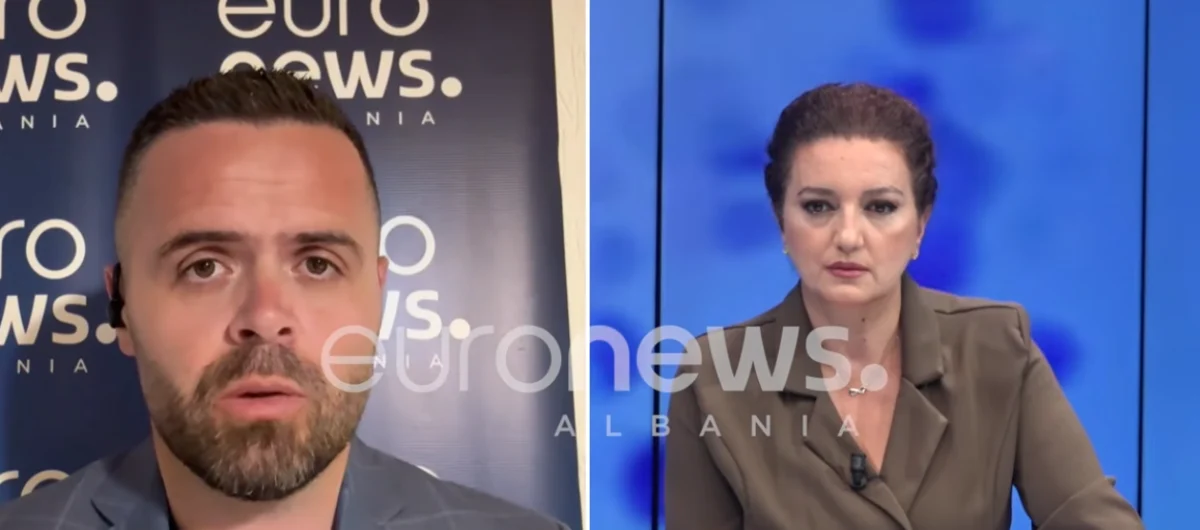
Besar Gërgi from the Group for Political and Legal Studies succinctly captured this impact, stating, "Here we have to deal with 27 reform steps, and they are worth a total of somewhere around 166 million euros. A part of the reforms have been completed, but since there have been political crises, many laws have not passed, so the political crisis has cost us financially with losses from the reform agenda." His assessment highlights the direct financial consequence of political instability, where the inability to pass legislation translates directly into missed opportunities for funding and delayed progress.
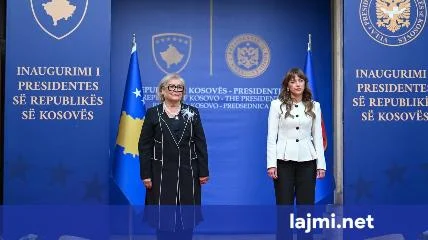
The election of the new president and the functionalisation of all institutions, as noted in the original assessment, marks a pivotal moment. It signifies a window of opportunity, a period of relative stability that, if leveraged effectively, could enable Kosovo to fast-track the stalled reform agenda. However, the legacy of past delays means that the current government and parliament must now operate at an unprecedented pace, compressing years of work into a matter of months. The challenge is not merely to pass the laws but to ensure their quality, enforceability, and alignment with EU standards, a task made more arduous by the condensed timeline. This historical context of political flux underscores the magnitude of the task ahead and the imperative for sustained, unified action.
Supporting Data: The Cost of Inaction
The potential loss of €166 million from the EU Growth Plan is not merely a number; it represents a tangible setback for Kosovo’s development and its aspirations for European integration. This financial blow, coupled with broader economic and social implications, paints a stark picture of the cost of inaction and delayed reforms.
The Tangible Financial Losses
As Besar Gërgi highlighted, the €166 million is linked to 27 specific reform steps. These steps typically span critical areas such as:
- Rule of Law: Strengthening the judiciary, combating corruption and organised crime, ensuring judicial independence and efficiency.
- Public Administration Reform: Modernising state institutions, enhancing transparency, improving service delivery, and professionalising the civil service.
- Economic Governance: Improving fiscal management, fostering a competitive business environment, and supporting small and medium-sized enterprises.
- Green Agenda and Digital Transformation: Investing in sustainable energy, environmental protection, and digital infrastructure and services.
Losing this substantial sum would have profound repercussions for Kosovo’s economy, which, despite recent growth, remains among the poorest in Europe. To put €166 million into perspective, it represents a significant portion of the country’s annual budget allocated to key sectors. For example, such an amount could fund multiple vital infrastructure projects, provide substantial support for healthcare and education initiatives, or significantly boost investment in renewable energy. The absence of these funds means delayed improvements in public services, missed opportunities for job creation, and a slower pace of modernising the country’s infrastructure.
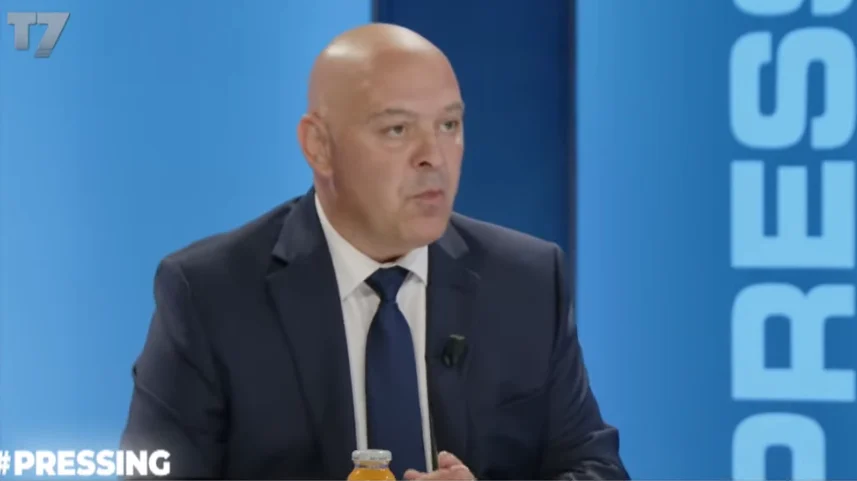
Ardian Zeqiri, another political expert, echoed these concerns, stressing that "The package of laws is not finalised. This is a process that does not go fast. It is a procedure that requires its own time and Kosovo is behind. If the December deadline is not renegotiated, the risk is that the funds will be lost." His observation underscores the complexity of legislative reforms, which involve drafting, public consultations, parliamentary debate, and often presidential assent. Rushing this process can lead to poorly drafted laws that are difficult to implement, or worse, non-compliance with EU standards, rendering the effort futile.
Broader Economic and Social Implications
Beyond the direct financial loss, the failure to secure these funds carries broader, more insidious implications for Kosovo:
- Loss of Credibility and Investor Confidence: International financial institutions and foreign investors closely monitor a country’s commitment to reforms and its ability to absorb external funding. A failure to meet the EU’s conditions would signal institutional weakness, political instability, and a lack of reliable governance, deterring much-needed foreign direct investment. This, in turn, hampers job creation, technological transfer, and overall economic growth.
- Delayed EU Integration: The Growth Plan is a direct pathway to accelerating EU membership. Missing the reform targets means falling further behind other Western Balkan aspirants, potentially prolonging Kosovo’s already lengthy integration process. This not only impacts the country’s geopolitical standing but also delays access to the full benefits of EU membership, including deeper economic ties and increased opportunities for its citizens.
- Impact on Citizens’ Quality of Life: The reforms targeted by the Growth Plan are designed to directly improve the lives of citizens. Better public administration means more efficient government services. Stronger rule of law leads to greater legal certainty and a fairer society. Investments in infrastructure and environmental protection result in better living conditions. Losing the funding means these tangible improvements are postponed, affecting everything from healthcare access and educational quality to clean air and reliable infrastructure.
- Brain Drain and Youth Disillusionment: A lack of economic opportunities and slow progress towards European standards can exacerbate the emigration of skilled professionals and youth, a phenomenon known as "brain drain." This loss of human capital further undermines Kosovo’s long-term development prospects and fuels public disillusionment with the political process and the European path.
In essence, the €166 million at stake represents much more than just a sum of money; it symbolises Kosovo’s commitment to its future, its credibility on the international stage, and its ability to deliver tangible progress for its citizens. The cost of inaction is therefore multifaceted, impacting not only the national budget but also the very fabric of society and the country’s strategic direction.
Official Responses and Institutional Commitments
In the face of the looming deadline and the significant financial stakes, Kosovo’s governmental and parliamentary bodies have begun to respond, acknowledging the urgency of the situation. While past political crises have undeniably hampered progress, there appears to be a renewed impetus to accelerate the reform agenda.
Government’s Stance and Recent Efforts
The recent parliamentary session provided a glimmer of hope, with Members of Parliament approving several key legislative acts deemed prerequisite for accessing the EU Growth Plan funds. While specific details of these laws were not extensively elaborated in the initial report, they are understood to be foundational pieces of legislation aligning Kosovo’s legal framework with EU acquis, particularly in areas like public procurement, anti-corruption measures, judicial reform, and economic governance. These legislative victories, albeit belated, signify a concentrated effort to address the backlog.
Government spokespersons and relevant ministers have repeatedly affirmed their unwavering dedication to the European integration agenda. Statements from the Prime Minister’s office and the Ministry of European Integration have emphasised the government’s commitment to leveraging the newfound institutional stability to push through the remaining reforms. They stress that the Growth Plan is a top strategic priority, and all necessary resources are being mobilised to ensure compliance with the EU’s conditions. This commitment includes not only the legislative aspect but also the administrative capacity building required for effective implementation and monitoring of the reforms.
Parliamentary leadership has also played a crucial role in prioritising the legislative agenda. The Speaker of the Parliament, along with the heads of relevant parliamentary committees, has reportedly worked to streamline procedures and ensure that draft laws related to the Growth Plan receive expedited consideration. This collaborative effort between the executive and legislative branches is essential, as many of the reforms require complex legal amendments and the passage of entirely new statutes. The challenge now is to maintain this momentum and ensure that the political will translates into concrete legislative output within the tight timeframe.
EU’s Perspective and Expectations
From the European Union’s vantage point, the message to Pristina is clear and consistent: reforms are paramount, and deadlines must be met. EU officials, including the Head of the EU Office in Kosovo and representatives from the European Commission, have consistently reiterated the performance-based nature of the Growth Plan funds. While acknowledging Kosovo’s progress in certain areas, they underscore the need for sustained and accelerated efforts, particularly in the critical domains of rule of law, good governance, and economic reforms.
The EU’s position is one of support, coupled with firm expectations. The Union stands ready to offer technical assistance and expertise to help Kosovo meet its benchmarks, but the primary responsibility for driving the reforms lies squarely with the Kosovar institutions. There is an implicit understanding that while political transitions can cause delays, the overall commitment to the European path must remain unwavering. The EU’s message often highlights that the Growth Plan is not merely a financial transaction but a strategic partnership aimed at fostering genuine transformation within the Western Balkans, preparing them for the rigours and responsibilities of future membership.
Furthermore, the EU expects transparency and accountability in the reform process. This includes not only the adoption of laws but also their effective implementation, robust monitoring mechanisms, and clear reporting on progress. The conditional nature of the funds means that disbursements will only occur once specific milestones have been demonstrably achieved. While there might be some flexibility for unforeseen circumstances, the core message from Brussels is that the December deadline is serious and missing it could lead to the reduction or reallocation of funds, a scenario the EU would prefer to avoid but is prepared to enact if necessary. This dual approach of support and strict conditionality aims to incentivise profound and lasting institutional change within Kosovo.
Implications: The Road Ahead
Kosovo stands at a critical juncture. The next few months will be instrumental in determining not only its immediate financial gains but also the pace and credibility of its European integration journey. The implications of success or failure extend far beyond the immediate financial figures, touching upon governance, societal well-being, and regional standing.
Urgent Need for Cross-Party Consensus
One of the most significant implications of the current situation is the urgent need for a broad, cross-party political consensus. Many of the reforms required by the EU Growth Plan are fundamental and often touch upon sensitive areas of governance, requiring widespread support to ensure their passage and, more importantly, their sustainable implementation. Past experience has shown that reforms pushed through by a narrow majority can be vulnerable to reversal with changes in government. For the reforms to be truly effective and to withstand the test of time, they need to be owned by a wider political spectrum.
This calls for constructive dialogue and cooperation between the ruling coalition and opposition parties. Sacrificing partisan interests for the national good – securing crucial EU funds and advancing the European agenda – is paramount. Continued political divisions and infighting could easily derail the legislative process, leading to further delays and ultimately jeopardising the entire package of reforms. The December deadline leaves little room for political maneuvering; a unified front is essential for timely and effective action.
Monitoring and Accountability
Beyond the legislative hustle, the successful implementation of the Growth Plan requires robust monitoring and accountability mechanisms. Civil society organisations, independent media, and international partners will play a crucial role in scrutinising the government’s progress, identifying bottlenecks, and advocating for transparency. This oversight is vital to ensure that the reforms are not merely superficial legislative changes but lead to tangible improvements in governance and public services.
Furthermore, there needs to be clear accountability for the funds once they are disbursed. Mechanisms must be in place to ensure that the financial assistance is used efficiently, effectively, and without corruption, in line with the objectives of the Growth Plan. This builds public trust and reinforces the credibility of Kosovo’s commitment to good governance.
The December Deadline: A Critical Juncture
Ardian Zeqiri’s concern about the need to "renegotiate the deadline" if Kosovo falls further behind highlights the critical nature of December. While the EU is generally pragmatic, extending deadlines often comes with consequences, potentially including reduced allocations or more stringent conditions. The strategic importance of these funds for Kosovo’s path towards the EU cannot be overstated. Missing the deadline could result in:
- Permanent Loss of Funds: The most severe outcome, where the allocated €166 million is permanently withdrawn or reallocated to other Western Balkan countries that meet their targets.
- Reduced Allocation: Even if some funds are retained, the amount could be significantly reduced, diminishing the impact of the Growth Plan on Kosovo’s development.
- Damage to Reputation: A failure to meet commitments would negatively impact Kosovo’s standing with the EU and other international partners, making future cooperation and financial assistance more challenging.
In conclusion, Kosovo is at a crossroads. The recent functionalisation of its institutions offers a precious window of opportunity to accelerate long-overdue reforms. The €166 million from the EU Growth Plan is not just a financial incentive; it is a catalyst for deep-seated institutional change, economic revitalisation, and a clear signal of commitment to the European future. The path ahead demands unprecedented political unity, relentless legislative action, and unwavering dedication to the principles of good governance. Failure to seize this moment risks not only significant financial losses but also a considerable setback to Kosovo’s European aspirations and the well-being of its citizens. The next three months will undeniably define a critical chapter in Kosovo’s post-independence journey.