Brussels, Belgium – In a landmark moment marking Kosovo’s inaugural participation as an Enlargement Candidate Member in the European Economic and Social Committee (EESC) Plenary Session, civil society representatives from Kosovo delivered a poignant and urgent appeal to the European Union. They implored the EU to proactively safeguard the foundational values upon which it was built, particularly in response to recent inflammatory rhetoric emanating from Serbia. Concurrently, they advocated for significantly enhanced support for civil society organizations (CSOs) in all aspiring member states, positioning their role as critical for democratic consolidation and sustainable reforms.
The call came during a high-level roundtable on EU enlargement, held at the prestigious Charlemagne building of the European Commission in Brussels, a setting that underscored the gravity and official nature of the discussions. Kosovo’s presence at this forum, a first of its kind, symbolized a crucial step forward in its European integration journey and provided a direct platform for its civil society to articulate its concerns and aspirations.
Main Facts
Kosovo’s civil society, represented by the Kosovar Civil Society Foundation (KCSF) and other key non-governmental actors, made a direct plea to the European Union to reaffirm its commitment to its core values amidst escalating tensions in the Western Balkans. This powerful message was delivered during Kosovo’s debut participation as an Enlargement Candidate Member in the European Economic and Social Committee (EESC) Plenary Session in Brussels.
A central point of contention was the recent statement by Serbian Minister Snežana Paunović, who suggested she would have conducted "ethnic cleansing" in Kosovo in 1998 had she been in Slobodan Milošević’s position. Dren Puka, Executive Director of KCSF, unequivocally condemned this rhetoric, urging the EU to abandon its silence in the face of such dangerous narratives. Puka emphasized that true convergence with the EU is predicated on embracing European values of peace and human dignity, not merely technical compliance.
Beyond condemning nationalist discourse, Kosovo’s civil society underscored the indispensable role of robust and independent CSOs in driving sustainable reforms and ensuring citizen ownership of the enlargement process. They highlighted the pressing financial and political pressures faced by CSOs in the Western Balkans, pointing to a significant loss of funding, notably following the withdrawal of USAID. This led to a strong call for the EU to consider financial support for civil society in enlargement countries as a strategic investment in Europe’s democratic future and stability. The delegation from Kosovo included representatives from the CIVIKOS Platform, the Union of Independent Trade Unions of Kosovo, the United Union of Education, Science and Culture, and the Kosovar Business Alliance, showcasing a broad front of civil society engagement.
Chronology of the Event
The Brussels Gathering
The European Economic and Social Committee (EESC) Plenary Session convened in the iconic Charlemagne building of the European Commission in Brussels, a venue synonymous with European policy-making and dialogue. This particular session was framed around a high-level roundtable dedicated to the enlargement of the European Union, a topic that has gained renewed urgency and strategic importance in the current geopolitical climate. For Kosovo, its participation marked a significant milestone, being recognized for the first time as an Enlargement Candidate Member within the EESC’s framework. This inclusion signifies a formal acknowledgement of Kosovo’s European aspirations and provides its civil society with an official channel to contribute to the pre-accession dialogue, bridging the gap between national realities and EU institutions. The EESC, as an advisory body representing employers, workers, and other civil society interests, offers a unique platform for non-state actors to influence EU policy, making Kosovo’s presence particularly impactful for its civil society.
Opening Remarks and Keynote
The session commenced with opening remarks from Seamus Boland, the President of the EESC, setting a collaborative and forward-looking tone for the discussions. The keynote address was delivered by European Commissioner for Enlargement, Marta Kos, whose speech resonated deeply with the core themes of the event. Commissioner Kos underscored that EU enlargement transcends mere technical reforms; it represents a profound societal transformation. She articulated that this process is fundamentally about fortifying democracy, strengthening institutions, and upholding fundamental rights across the continent. In a powerful and evocative statement, Kos declared, "Once we are together in the European Union, we no longer wage war." This assertion served as a potent reminder of the EU’s founding purpose – to secure lasting peace and stability through integration, a message particularly resonant for a region scarred by recent conflict. She called upon member states to view enlargement not as a burden, but as a crucial investment in shared peace, freedom, and collective prosperity, emphasizing the strategic imperative of bringing the Western Balkans fully into the European fold.
Kosovo’s Voice on Socio-Economic Convergence
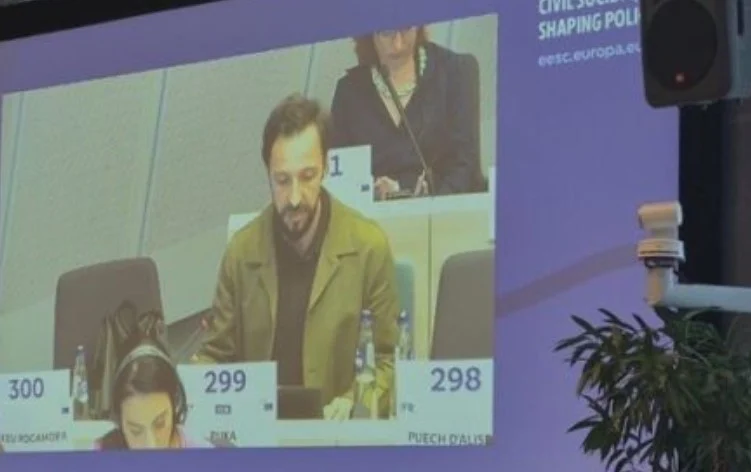
The plenary discussion, themed "Accelerating socio-economic convergence with the EU to boost European growth and competitiveness," provided the primary stage for Kosovo’s delegation. Representing Kosovo was Dren Puka, the Executive Director of the Kosovar Civil Society Foundation (KCSF). Puka commenced his intervention by expressing sincere gratitude to the EESC for its decision to include Kosovo, acknowledging that this represented a reversal of an earlier stance that had initially excluded Kosovo from the Enlargement Candidate Member Initiative. He hailed Kosovo’s inclusion as a pivotal step towards ensuring equitable participation in European processes, emphasizing that true integration requires the involvement of all aspiring partners. His remarks highlighted the importance of inclusivity and the recognition of Kosovo’s unique position in the enlargement framework.
The Crucial Role of Civil Society
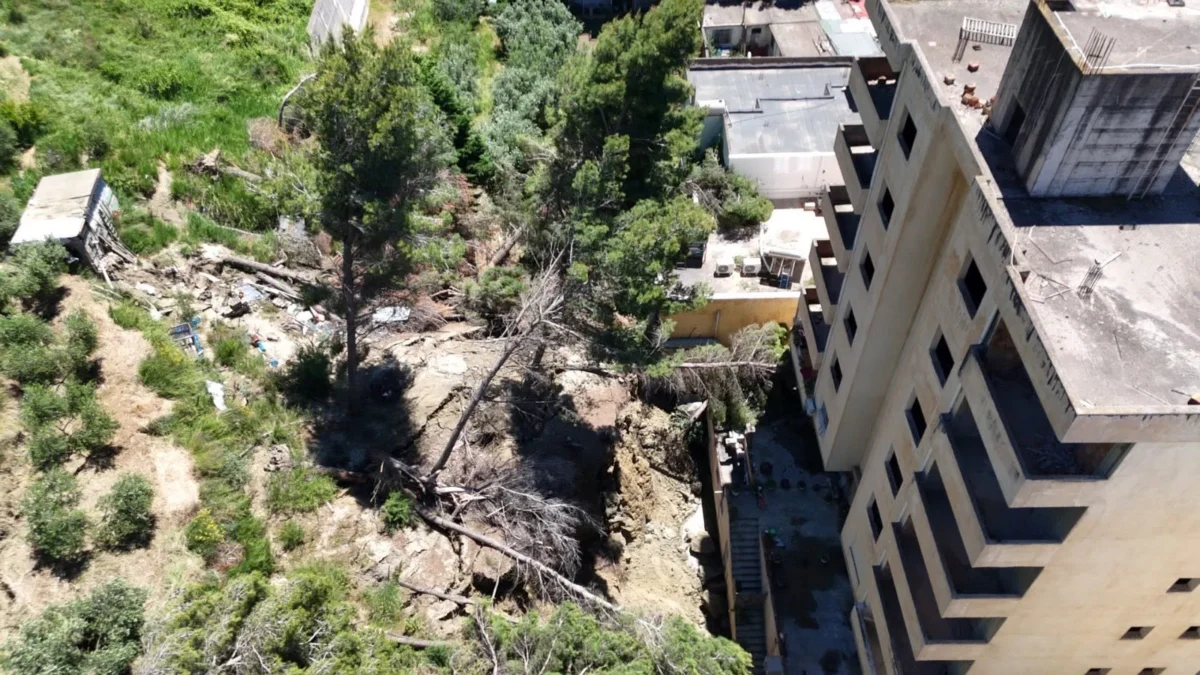
In his address, Puka elaborated on a critical tenet: the ultimate success of the European Union’s Growth Plan for the Western Balkans hinges directly on the genuine and substantive involvement of both citizens and civil society in the ongoing reform processes. He stressed that top-down reforms, devoid of public buy-in, are inherently fragile and unsustainable. "Reforms cannot be sustainable without citizen ownership and a strong civil society," Puka asserted, articulating a fundamental principle of democratic governance. To illustrate his point, he cited the recent environmental protests in Albania, which he presented as a stark example of the potential fallout when significant decisions are made by authorities without adequate consultation or engagement with the citizenry, leading to public discontent and resistance. This example served to underscore the necessity of inclusive decision-making and the role of civil society as a vital conduit for public sentiment and accountability.
Financial Pressures and Strategic Investment
Puka further raised alarm regarding the increasing political and financial pressures being exerted on civil society organizations across the Western Balkans. He highlighted a significant setback for the region’s civil sector following the withdrawal of USAID, which resulted in a loss of over €120 million in funding. Of this substantial sum, approximately €26 million directly impacted Kosovo’s civil society, creating considerable operational challenges for numerous organizations. Puka passionately appealed to European institutions, urging them that during the upcoming negotiations for the new Multiannual Financial Framework (MFF), funding directed towards independent civil society in enlargement countries should not be viewed as mere aid, but rather as a strategic and indispensable investment. He argued that bolstering civil society directly contributes to strengthening democracy, promoting stability, and fostering resilience within aspiring member states, thereby serving the broader strategic interests of Europe itself.
Confronting Inflammatory Rhetoric
One of the most impactful moments of Puka’s address was his direct and unequivocal response to a highly controversial statement made earlier in the week by Serbian Minister of State Administration and Local Self-Government, Snežana Paunović. In a television interview, Minister Paunović had chillingly declared that if she had been in Slobodan Milošević’s position in 1998, she would have "ethnically cleansed" Kosovo. Puka seized this opportunity to confront such rhetoric head-on, stating, "This is a reminder of what happens when power feels no responsibility and accountability, and when no one challenges it. War rhetoric continues to be present in the region, and the European Union cannot remain silent in the face of it." His powerful denunciation underscored the immediate threat posed by such statements to regional stability and the fundamental values of peace and coexistence that the EU purports to uphold.
Values Over Technicalities
Referring back to Commissioner Marta Kos’s earlier message emphasizing peace as a core value of the European Union, Puka eloquently argued that convergence with the EU is far more profound than simply ticking off technical criteria. He posited that genuine integration transcends administrative and legislative alignment. "Convergence with the EU is more about embracing European values than anything else. Only concrete action makes the statement ‘never again war’ a promise for the future, not just a memory of the past," he declared. This statement served as a powerful concluding thought, urging the EU to translate its ideals into tangible actions, particularly in holding accountable those who promote division and violence, thereby ensuring that the lessons of history are truly learned and applied in the present and future.
Supporting Data and Context
The Western Balkans Enlargement Process
The EU enlargement process in the Western Balkans remains a complex and often protracted endeavor, characterized by periods of optimism interspersed with significant challenges. Following the devastating conflicts of the 1990s, the prospect of EU membership was held out as a powerful incentive for peace, stability, and democratic reform. Countries like Albania, Bosnia and Herzegovina, Montenegro, North Macedonia, Serbia, and Kosovo are all at various stages of this journey, with differing levels of progress and unique obstacles. The EU Growth Plan for the Western Balkans, a recent initiative, aims to accelerate socio-economic convergence by offering substantial financial assistance and integration into the EU single market, even before full membership. This plan seeks to inject dynamism into the stalled process, but its success is deeply intertwined with the political will for reform within these countries and the EU’s unwavering commitment to its core values. Despite these efforts, democratic backsliding, persistent corruption, and unresolved bilateral disputes—such as the one between Serbia and Kosovo—continue to cast long shadows over the region’s European future.
The Role of the EESC
The European Economic and Social Committee (EESC) is a consultative body of the European Union that provides opinions to the European Commission, the Council of the EU, and the European Parliament. It comprises representatives of employers, employees, and various other interest groups (such as farmers, consumers, environmental organizations) from all member states. Its mandate is to ensure that EU policy reflects the economic and social realities on the ground and that civil society organizations have a voice in the decision-making process. For aspiring members like Kosovo, participation in EESC sessions is strategically vital. It offers a unique opportunity for civil society actors to directly engage with EU institutions, present their perspectives, and contribute to the pre-accession dialogue. This direct interaction not only informs EU policymakers about local conditions and challenges but also strengthens the capacity and legitimacy of civil society within candidate countries, preparing them for the participatory democracy inherent in the EU system.
Challenges to Civil Society in the Western Balkans
Civil society organizations in the Western Balkans operate within a challenging environment marked by a shrinking civic space, democratic backsliding, and increasing external influences. Many CSOs, particularly those involved in human rights, anti-corruption, and environmental advocacy, face political pressure, including smear campaigns, restrictive legislation, and limited access to public information. Governments in the region sometimes perceive independent CSOs as adversaries rather than partners, undermining their ability to function effectively as watchdogs and reform agents. Financially, the sector has also been hit hard. The withdrawal of major international donors, such as USAID, from substantial direct funding programs in the Western Balkans has left a significant void. This loss of over €120 million, including €26 million for Kosovo, is not merely a quantitative reduction in resources; it represents a qualitative blow. It impacts the sustainability of critical programs, the retention of skilled personnel, and the overall capacity of CSOs to advocate for change, provide essential services, and hold governments accountable. This financial strain often forces CSOs to become more reliant on government funding, potentially compromising their independence and critical voice.
The Serbia-Kosovo Dialogue and Regional Stability
The relationship between Serbia and Kosovo remains the most volatile and unresolved issue in the Western Balkans, posing a constant threat to regional stability and complicating both countries’ EU integration paths. The EU-facilitated dialogue, ongoing for over a decade, aims to normalize relations, culminating in a comprehensive, legally binding agreement. However, progress has been agonizingly slow, marred by frequent political crises, provocative statements, and a lack of full implementation of agreed-upon commitments. Statements like that made by Serbian Minister Snežana Paunović, openly contemplating "ethnic cleansing," are not isolated incidents. They reflect a persistent undercurrent of nationalist rhetoric that seeks to revise historical narratives, deny war crimes, and inflame ethnic tensions. Such discourse directly undermines the spirit of reconciliation and trust-building essential for a lasting peace. For the EU, these statements present a profound challenge to its credibility as a peace broker and a guardian of values. Its inability or unwillingness to strongly condemn such rhetoric risks signaling a tolerance for extreme nationalism, thereby endangering the entire enlargement project and the hard-won stability in the region.
Kosovo’s Path to EU Integration
Kosovo’s journey towards EU integration is unique and particularly arduous due to its unresolved status and the non-recognition by five EU member states. Despite these hurdles, Kosovo has demonstrated a strong commitment to European values and reforms. It holds a Stabilization and Association Agreement (SAA) with the EU, which came into force in 2016, and has made progress in areas such as rule of law, public administration reform, and economic development, albeit with persistent challenges. The recent visa liberalization for Kosovar citizens was a significant achievement, enhancing people-to-people contacts with the EU. Kosovo’s application for EU membership, submitted in December 2022, further solidifies its ambition. However, the lack of full normalization of relations with Serbia continues to be the primary impediment to its advancement in the enlargement process. The EU has consistently linked progress on the dialogue with Serbia to Kosovo’s European future, emphasizing that a stable, democratic, and prosperous Kosovo within the European family is contingent on resolving this fundamental issue.
Official Responses and Broader Implications
EU’s Stance on Enlargement and Values
The European Union officially champions a values-based enlargement policy, asserting that adherence to democracy, the rule of law, human rights, and market economy principles is paramount for any aspiring member. Commissioner Kos’s keynote address at the EESC session, emphasizing enlargement as a "social transformation" strengthening democracy and fundamental rights, reiterated this official stance. However, the practical application of this principle often faces geopolitical complexities. The EU’s response to inflammatory rhetoric, particularly from countries like Serbia which it views as a key regional player, has at times been perceived as cautious, prioritizing dialogue stability over forceful condemnation. This balancing act leads to a delicate diplomatic approach, where strong condemnations of nationalist or revisionist narratives might be tempered to avoid jeopardizing the fragile Serbia-Kosovo dialogue or pushing Belgrade further towards other geopolitical actors. The challenge for the EU is to demonstrate that its commitment to values is non-negotiable, irrespective of political expediency, and that silence in the face of egregious statements can be interpreted as tacit acceptance.
Reactions to Paunović’s Statement
While Dren Puka’s immediate and unequivocal condemnation of Minister Paunović’s "ethnic cleansing" statement was a powerful moment, broader official reactions from EU institutions or other international bodies have been notably muted or non-existent in the public domain. This silence, or at least a lack of strong public condemnation, sends a concerning signal. It risks normalizing dangerous rhetoric and undermining the very principles of reconciliation and accountability that the EU seeks to promote in the Western Balkans. Puka’s direct challenge, therefore, stands out as a crucial intervention, highlighting the responsibility of civil society to fill the void when official channels appear hesitant. The absence of a robust EU response could embolden similar statements in the future, further destabilizing an already volatile region and eroding trust in the EU’s commitment to its own proclaimed values and standards.
The Future of Civil Society Engagement
The EESC session and the impassioned pleas from Kosovo’s civil society could significantly influence the future of EU policy towards CSOs in candidate countries. Puka’s call for treating funding for independent civil society as a "strategic investment" during the Multiannual Financial Framework (MFF) negotiations is particularly noteworthy. If adopted, this approach would mark a shift from viewing CSOs primarily as beneficiaries of development aid to recognizing them as essential partners in democratic state-building and guardians of European values. Such a strategic investment could involve dedicated funding lines, simplified access to grants, and stronger protections against political interference. This would empower CSOs to continue their vital work of monitoring governance, advocating for reforms, and fostering citizen participation, thereby making the enlargement process more robust, inclusive, and sustainable. The EESC, as an advocate for civil society, is well-placed to champion this perspective within EU decision-making circles.
Impact on Kosovo-Serbia Relations
Statements like Paunović’s have a profoundly negative impact on the already fragile Kosovo-Serbia dialogue. They exacerbate mistrust, reinforce nationalist narratives, and make reconciliation efforts even more challenging. Such rhetoric directly contradicts the spirit of the EU-facilitated dialogue, which aims at normalization and a future of peaceful coexistence. The EU’s role in mitigating these tensions is critical, yet complex. While it facilitates the dialogue, it often struggles to exert sufficient leverage to prevent such escalations or to enforce accountability for provocative statements. A more assertive and consistent stance from the EU, unequivocally condemning all forms of hate speech and war rhetoric, would be essential to create a more conducive environment for dialogue and to demonstrate that such narratives have no place in a European future. Without this, the cycle of accusation and counter-accusation risks trapping both societies in a past that prevents progress towards a European future.
Implications for the Future
A Defining Moment for EU Enlargement
Kosovo’s first-time participation as an Enlargement Candidate Member at the EESC Plenary Session represents a defining moment for the EU’s enlargement policy. It underscores the recognition of Kosovo’s European perspective and the increasing importance of civil society voices in shaping the future of the continent. This inclusion is not merely symbolic; it provides a crucial precedent for other aspiring nations and signals a potential shift towards a more inclusive and values-driven enlargement process. The clear articulation of concerns by Kosovo’s civil society, particularly regarding nationalist rhetoric and the imperative of supporting independent CSOs, has injected a renewed sense of urgency and moral clarity into the ongoing debate about the Western Balkans’ path to Europe.
The Imperative of Values
At its core, the message emanating from Brussels is a powerful reminder that the European Union’s strength and legitimacy are rooted in its foundational values: peace, democracy, human rights, and the rule of law. The stark contrast between Commissioner Kos’s vision of a continent "where we no longer wage war" and Minister Paunović’s rhetoric of "ethnic cleansing" highlights the ongoing battle for the soul of Europe. Kosovo’s civil society has made it unequivocally clear that the EU cannot afford to be complacent or silent in the face of narratives that undermine these core values. The imperative is for the EU to actively and consistently defend its principles, ensuring that convergence is measured not just by technical compliance, but by a genuine embrace of shared European ideals. This requires a proactive stance against all forms of extremism and a steadfast commitment to fostering reconciliation and mutual respect in the region.
The Path Ahead for Kosovo
For Kosovo, the path ahead towards full EU integration remains challenging but also filled with renewed hope. The EESC session has empowered its civil society to directly engage with European institutions and to articulate its vision for a democratic, prosperous, and peaceful future within the European family. The demands for strategic investment in civil society, coupled with the call for robust EU action against destabilizing rhetoric, provide a clear roadmap for how the enlargement process can be strengthened and made more resilient. By continuing to champion democratic values, promoting citizen participation, and holding both national and international actors accountable, Kosovo’s civil society aims to ensure that the promise of "never again war" becomes a lived reality, transforming the lessons of the past into a guiding principle for a truly European future. The commitment to these principles will ultimately determine not just Kosovo’s future, but the credibility and enduring legacy of the European Union itself.