Pristina, Kosovo – After a prolonged period of political gridlock that spanned 20 months, saw two early elections, and teetered on the brink of a third, Kosovo has finally elected a new president. Yet, this hard-won stability is fragile, overshadowed by ongoing protests against indictments of former Kosovo Liberation Army (KLA) leaders and a deeply divided nation grappling with its political future. Amidst this internal turmoil, a more profound shift is occurring: the diminishing role of the United States, once Kosovo’s staunchest patron, in shaping its destiny.
For a young nation still charting its political course, the steady hand of Washington has been conspicuously absent. Historically, the U.S. played a parental role, mediating agreements and resolving disputes. A notable example was Ambassador Christopher Dell’s intervention in 2011, facilitating a presidential candidate agreement when Kosovar leaders faltered. Today, however, Washington appears hesitant to reprise such a decisive role.
The Evolving U.S. Role in Kosovo: From Protectorate to Transactional Partner
Since the end of the war, Washington’s approach to Kosovo has been guided by a clear objective: the U.S. would win the war, and Europe would be responsible for maintaining peace. Kosovo, and by extension the Balkans, was to become Europe’s responsibility.
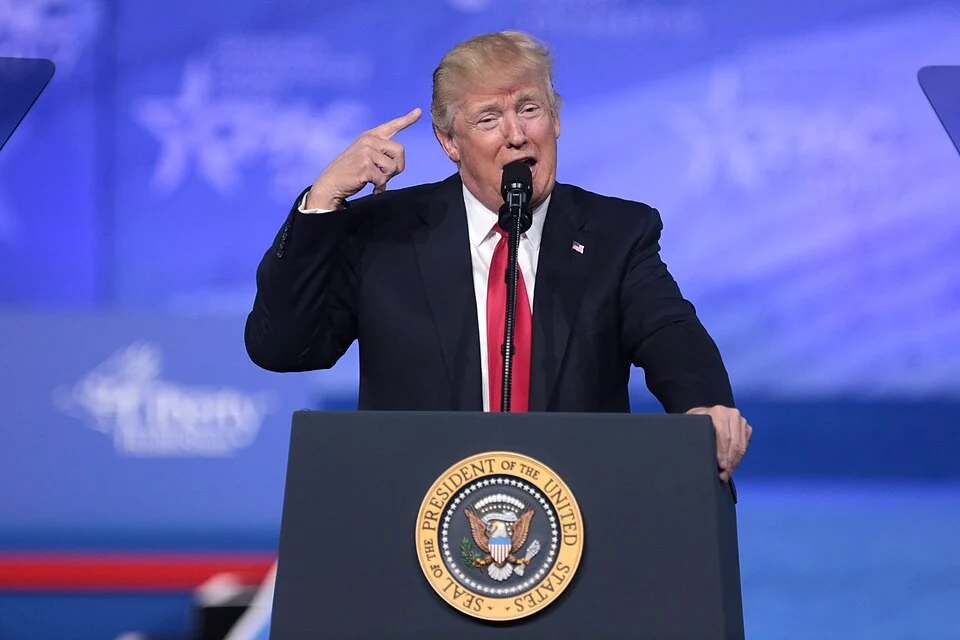
This paradigm was evident during the first Trump administration. Washington’s primary interest in Kosovo was largely transactional, seeking a diplomatic breakthrough between Belgrade and Pristina that President Trump could tout as a foreign policy victory in the 2020 presidential election. Under the Biden administration, Kosovo received even less attention, as Washington’s focus shifted to Serbia, Russia’s growing influence in the region, and broader European security challenges.
While relations between Pristina and Washington have followed a downward trajectory for some time, they have not deteriorated as dramatically and visibly as under the current administration. Washington has suspended the Strategic Dialogue with Kosovo, left the U.S. ambassadorial post in Pristina vacant, and, most significantly, tacitly endorsed the decisions of the Specialist Chambers against four former KLA leaders. This stands in stark contrast to earlier criticisms of the court and its chief prosecutor, Jack Smith, by President Trump and his senior officials.
In 2025, Donald Trump Jr.’s efforts to cultivate ties with then-Serbian President Aleksandar Vučić, using Kosovo as a bargaining chip for Belgrade’s favor, and his veiled threats to question the continued presence of U.S. troops in Kosovo, offered a stark glimpse into how the Trump administration perceived its policy towards Kosovo.
Kosovo now appears to be less of a long-term American strategic commitment and more of a negotiating tool, deployable to exert influence when it serves broader U.S. objectives or the personal and financial interests of involved individuals.
A Withdrawal Fueled by Shifting Priorities and Kosovar Agency
None of this is surprising. Washington has been gradually withdrawing not only from Kosovo but from Europe as a whole, questioning traditional alliances and commitments and increasingly challenging NATO’s role.
In this context, a reduction or even potential future withdrawal of U.S. troops from Kosovo is no longer difficult to envision. Moreover, with the war against Iran now consuming a significant portion of the administration’s foreign policy attention, Kosovo is likely to slip further down Washington’s list of priorities.
For Pristina, the uncomfortable reality is that the U.S. may no longer view Kosovo as a strategic imperative but rather as an issue of declining interest, easily set aside when more urgent priorities arise.
"An Unpredictable Partner"
Pristina has, in turn, made it easier for Washington to disengage. Relations with its most important ally have been strained not only by Washington’s shifting priorities but also by a government increasingly willing to challenge its primary Western backers.
The most telling example is the protracted dispute over the Association of Serb Municipalities, an agreement Kosovo committed to in 2013 but has consistently resisted implementing. Washington has made it clear that it considers the Association a binding obligation for Kosovo to fulfill.
The conflict has extended far beyond the issue of the Association. In 2023, the Kurti government proceeded with installing ethnic Albanian mayors in Serb-majority municipalities, disregarding Western warnings that such a move would escalate tensions. The subsequent violence and clashes resulted in the injury of over 30 NATO peacekeepers, leading to Washington excluding Kosovo from a major U.S.-led military exercise.
Pristina has also pursued policies towards the Serb community without giving significant weight to Western concerns. These include the decision to make the euro the sole legal tender for cash transactions, effectively ending the use of the Serbian dinar in Serb-majority areas.
Taken together, these developments have fostered a broader perception in Washington that Pristina has become a difficult and increasingly unpredictable partner. Kurti’s confrontational style, both in domestic politics and in relations with Serbia, the EU, and the United States, has consistently placed Kosovo at odds with the very governments whose political and military support it depends upon.
The U.S. has changed, but so has Kosovo. And unlike in the past, when Washington was willing to tolerate the frustrations caused by its political protégé because Kosovo was seen as an American strategic project, today’s Washington appears far less inclined to do so.

The era of American foreign policy as a nation-building project has given way to a more transactional approach. If an engagement does not serve a clear American objective, the personal or financial interests of a Trump family member, or the interests of a political ally, then Washington has little reason to invest in strengthening ties with Kosovo. The country’s persistent political instability simply makes such an engagement less attractive.
Kosovo is entering a new era, one in which it can no longer take for granted that Washington will be there to intervene, mediate its political disputes, or serve as its ultimate backstop in times of crisis. The message from Washington is becoming increasingly clear: the United States is disengaging from Kosovo.
Chronology of a Shifting Alliance
The relationship between Kosovo and the United States, once characterized by unwavering support, has undergone a significant evolution. This shift can be traced through key events and policy changes:
- Post-War Era (Late 1990s – Early 2010s): Following the 1999 war, the U.S. played a pivotal role in Kosovo’s state-building efforts, providing significant financial and political support. This period was marked by a strong sense of partnership, with the U.S. actively mediating political processes and advocating for Kosovo’s interests on the international stage. The appointment of U.S. Ambassadors like Christopher Dell symbolized this deep engagement.
- The First Trump Administration (2017-2021): While the U.S. remained a key ally, President Trump’s approach to foreign policy was increasingly transactional. The focus shifted towards achieving a Belgrade-Pristina agreement, with Kosovo viewed as a potential tool for diplomatic gains. This era saw less emphasis on the broader nation-building aspects and more on achieving concrete, albeit often narrowly defined, outcomes.
- The Biden Administration (2021-Present): Under President Biden, Kosovo’s prominence in U.S. foreign policy significantly diminished. The administration’s attention was drawn to other global hotspots, including the war in Ukraine and rising tensions with Russia. While the U.S. continued to support Kosovo’s sovereignty and territorial integrity, the level of direct engagement and proactive mediation saw a noticeable decline.
- Suspension of Strategic Dialogue and Vacant Ambassador Post: More recently, Washington has suspended its Strategic Dialogue with Kosovo and left the crucial position of U.S. Ambassador in Pristina unfilled. These actions signal a significant reduction in the diplomatic bandwidth dedicated to Kosovo.
- Endorsement of Specialist Chambers: The tacit endorsement of the Specialist Chambers’ indictments against former KLA leaders represents a significant departure from previous U.S. administrations, which had often been critical of the court’s mandate or its potential impact on Kosovo’s internal stability. This move has been interpreted by many in Kosovo as a sign of Washington’s waning patience and willingness to prioritize Western legal frameworks.
- Trump Jr.’s Engagement (2025): The reported efforts by Donald Trump Jr. to engage with Serbian President Aleksandar Vučić, using Kosovo as leverage, further illustrate the transactional nature of U.S. engagement under certain political factions. The implied threat to question the U.S. military presence in Kosovo highlighted a willingness to use strategic assets as bargaining chips.
This timeline underscores a gradual but discernible shift from a deeply invested patron to a more detached and transactional partner, driven by evolving U.S. global priorities and a perceived need for Kosovo to demonstrate greater self-reliance and adherence to international agreements.
Supporting Data: The Diminishing Footprint
The tangible evidence of a shifting U.S. commitment to Kosovo can be observed in several key indicators:
- Reduced Diplomatic Engagement: The prolonged vacancy of the U.S. Ambassador position in Pristina directly correlates with a reduced day-to-day diplomatic presence and a diminished capacity for proactive engagement on critical issues. This absence leaves a void in direct communication and mediation efforts.
- Suspension of Strategic Dialogue: The halt of the Strategic Dialogue, a key platform for high-level discussions on bilateral issues, signifies a pause or potential end to structured, in-depth engagement. This forum was crucial for aligning U.S. and Kosovar priorities and addressing complex challenges collaboratively.
- Military Posture: While U.S. troops remain stationed in Kosovo as part of the NATO KFOR mission, the broader strategic context suggests a potential re-evaluation of long-term deployments. Past U.S. foreign policy trends, particularly under administrations focused on "America First," have often involved a reassessment of overseas military commitments, especially when perceived strategic imperatives have waned or other priorities have emerged. The article’s suggestion of potential troop reduction or withdrawal, while speculative, reflects a plausible outcome in a changing geopolitical landscape.
- Financial Aid and Development Programs: While specific figures for current U.S. aid to Kosovo are not detailed in the provided text, historical trends indicate that financial assistance often shifts from direct state-building grants to more targeted programs focused on specific sectors or security cooperation as a nation matures. A perceived decline in direct, broad-based strategic investment could be inferred from the shift towards transactional engagement.
- Rhetoric and Policy Stances: The article points to a shift in rhetorical emphasis, moving from broad support for Kosovo’s development and integration to a more pointed focus on specific obligations, such as the Association of Serb Municipalities. This suggests that the U.S. is now more inclined to hold Kosovo accountable for its commitments rather than offering unconditional backing.
These indicators, when viewed collectively, paint a picture of an evolving U.S. approach to Kosovo, one that is less about deep, long-term strategic partnership and more about specific, often transactional, engagements.
Official Responses and International Reactions
The evolving U.S. stance has elicited varied responses from official circles in Kosovo and the international community.
Kosovo’s Government:
Pristina, particularly under Prime Minister Albin Kurti’s leadership, has adopted a more assertive posture, seeking to assert its sovereignty and national interests. While acknowledging the historical importance of the U.S. alliance, the government has shown a willingness to challenge U.S. preferences, particularly on issues related to the Association of Serb Municipalities and internal governance. This assertiveness, while reflecting a desire for greater self-determination, has also been perceived by some in Washington as unpredictability and a lack of cooperation, contributing to the perceived strain in bilateral relations.
U.S. Officials:
Statements from U.S. officials, while often reaffirming support for Kosovo’s sovereignty and Euro-Atlantic aspirations, have increasingly emphasized the need for Kosovo to fulfill its international obligations and address regional responsibilities. The emphasis on transactional outcomes and specific deliverables, as opposed to broad strategic partnership, has become more pronounced. The suspension of dialogues and the vacant ambassadorial post speak volumes about the current level of U.S. diplomatic prioritization.
European Union:
The European Union, a long-standing partner and potential future member for Kosovo, views the shifting U.S. role with a mix of concern and opportunity. While the EU generally aligns with U.S. goals for regional stability, a reduced U.S. engagement could place a greater burden on the EU to manage Balkan affairs. The EU’s own mediation efforts in the Belgrade-Pristina dialogue, often supported by the U.S., may become more critical. However, Kosovo’s internal political dynamics and its challenges in meeting EU accession criteria also present significant hurdles for deeper integration.
Serbia:
From Belgrade’s perspective, the perceived recalibration of U.S. policy towards Kosovo is likely viewed as an opportunity to strengthen its own regional standing and leverage. The emphasis on transactional diplomacy by certain U.S. political factions can be exploited by Serbia to advance its interests, particularly in discussions concerning Kosovo’s status and the rights of the Serb minority.
NATO:
The NATO alliance, of which the U.S. is the leading member, remains committed to its mission in Kosovo through KFOR. However, the article suggests a potential re-evaluation of long-term U.S. military commitments in the region, which could have implications for NATO’s overall posture and burden-sharing within the alliance.
The collective reaction highlights a complex geopolitical landscape where Kosovo’s future is increasingly being shaped by its own actions, the evolving priorities of its traditional allies, and the broader regional dynamics.
Implications for Kosovo’s Future
The diminishing U.S. patronage presents Kosovo with both profound challenges and a potential catalyst for mature statehood.
- Increased Self-Reliance: Kosovo will be compelled to rely more heavily on its own resources and diplomatic acumen to navigate its political and economic future. This necessitates strengthening domestic institutions, fostering political consensus, and developing a more robust foreign policy independent of external directives.
- Strengthening Ties with Europe: With a potentially more distant U.S., Kosovo will likely seek to deepen its engagement with the European Union. This means accelerating reforms, meeting accession criteria, and actively participating in EU-led initiatives for regional cooperation and reconciliation.
- Regional Diplomacy: The delicate balance in the Balkans requires sustained diplomatic efforts. Kosovo will need to engage constructively with its neighbors, including Serbia, to de-escalate tensions and build a foundation for lasting peace and cooperation. This will require a pragmatic approach that prioritizes long-term stability over short-term political gains.
- Economic Diversification: Relying on external support, whether from the U.S. or elsewhere, has limitations. Kosovo must focus on diversifying its economy, attracting foreign investment, and creating opportunities for its youth to stem emigration and foster sustainable growth.
- Internal Political Unity: The ongoing political divisions within Kosovo, exacerbated by external pressures, pose a significant threat to its stability and progress. Overcoming partisan divides and fostering a national consensus on key strategic issues will be paramount.
The era of a paternalistic U.S. ally is likely drawing to a close. Kosovo must now embrace its role as an independent actor on the world stage, capable of charting its own course and forging its own alliances. The path ahead will be demanding, but it also offers the opportunity for Kosovo to emerge as a more resilient, self-sufficient, and truly sovereign nation. The message from Washington is clear: the United States is disengaging, and Kosovo must now stand on its own feet.