For webmasters, SEO professionals, and digital marketers, the visual elements of a search result snippet are far more than mere aesthetic choices—they are critical touchpoints for brand identity and user trust. This week, the digital ecosystem faced a notable disruption as Google grappled with a technical glitch that caused website favicons—the small, recognizable icons associated with a domain—to vanish from search engine results pages (SERPs).
The issue, which triggered a wave of concern across the SEO community, saw thousands of sites displaying a generic "globe" icon in place of their custom branding. Following an investigation and a series of public acknowledgments from Google leadership, the search giant has confirmed that the issue is now largely resolved.
The Core Issue: What Happened?
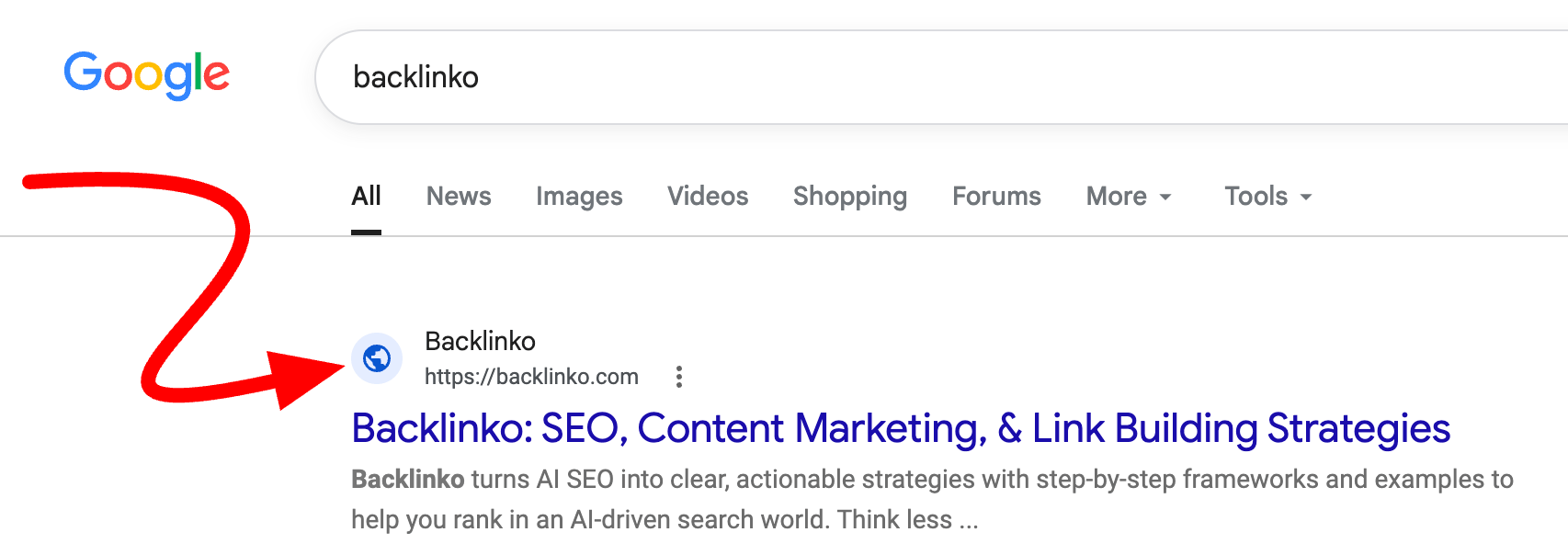
Beginning earlier this week, users and webmasters noticed a widespread inconsistency in Google Search. When searching for specific brands or websites, the traditional, custom favicon that typically appears alongside the site name and URL in the search result snippet had been replaced by a default, gray globe icon.
This default icon acts as a placeholder, signaling to the browser and the user that Google’s systems were unable to fetch, parse, or render the specific favicon file associated with that domain. While this might seem like a minor cosmetic issue to the casual browser, it represents a significant failure in the automated indexing pipelines that Google uses to maintain the visual consistency of its search experience.

The disruption was not limited to small, obscure sites; it affected major global brands, professional networks, and high-traffic publishers. The visual degradation of these snippets prompted an immediate outcry on social media platforms and industry forums, as site owners feared that their SEO performance—specifically click-through rates (CTR)—might be negatively impacted by the loss of their recognizable branding.
Chronology of the Disruption and Resolution
The timeline of the favicon bug was characterized by rapid initial reports, followed by a period of uncertainty, and finally, a structured recovery.
- Early Week: The issue first surfaced on search results, with a significant spike in complaints appearing on platforms like X (formerly Twitter) and SEO forums such as Search Engine Roundtable.
- Mid-Week: As reports mounted, the scale of the error became clear. It was not a localized browser issue or a site-specific cache error, but a systemic problem within Google’s rendering engine.
- Friday, August 21: Rajan Patel, Google’s VP of Engineering for Search, took to social media to acknowledge the fault, confirming that the engineering team had identified the root cause and was working on a fix.
- Saturday, August 22: The first signs of recovery appeared. Many sites that had been displaying the default globe icon began to revert to their proper, branded favicons.
- Sunday, August 23: By the end of the weekend, the majority of the errors were rectified. According to follow-up statements from Google, the system was effectively restored to normal operations, concluding a nearly week-long period of visual instability.
Official Response: Engineering Transparency
In an era where search algorithms are often shrouded in mystery, Google’s direct communication regarding this bug was a welcome departure from the norm. Rajan Patel, representing the engineering department, provided a succinct yet reassuring update to the public.
"It’s an issue on our end," Patel stated. "We identified the issue and we’re addressing it as quickly as we can. Sorry that this happened."
While the specific technical trigger—such as a potential update to the image-fetching crawler or a database synchronization error—remains undisclosed, the admission of accountability provided closure for thousands of concerned site owners. This level of transparency is vital, as it prevents the SEO community from chasing "ghosts"—troubleshooting their own site’s code or hosting configurations when the fault lies entirely within Google’s infrastructure.
The Strategic Importance of Favicons in SEO
Why does a tiny 16×16 or 32×32 pixel icon matter so much? The implications of this bug go far beyond simple vanity.
1. Brand Recognition and Trust
In a search result page crowded with blue links and ad placements, a brand’s favicon is one of the most effective visual cues for a user. It acts as a "trust badge." When a user searches for a specific company, seeing that company’s familiar logo in the results provides instant psychological validation that the link is legitimate and relevant.
2. Impact on Click-Through Rates (CTR)
Data-driven marketing has long suggested that visual elements in SERPs influence user behavior. A unique, recognizable favicon creates a visual "hook." When that hook is replaced by a generic globe, the snippet loses its distinctiveness. Users are more likely to skim past a generic icon, whereas a branded icon catches the eye and increases the probability of a click. A widespread disappearance of these icons can lead to a measurable, albeit often small, dip in traffic.

3. User Experience (UX)
Google has consistently moved toward a more visual search experience, integrating images, videos, and refined formatting to make results more intuitive. A broken favicon is a jarring UX failure. It suggests a lack of polish and, in some cases, can make a highly reputable site appear broken or unmaintained to the average user.
Analyzing the Impact: What Webmasters Should Know
While the issue is now resolved, it serves as a critical case study for webmasters. If your site was affected, it is worth performing a brief audit to ensure that your favicon is now rendering correctly across all devices and browsers.
Lessons Learned:
- Don’t Overreact to Global Issues: When you notice a sudden, widespread change in how your site appears in search, check industry news outlets and social media channels first. If other major sites are experiencing the same issue, it is almost certainly a platform-level bug, not a penalty or an error on your part.
- Maintain Standard Favicon Formats: While Google is generally flexible with favicon formats (typically supporting PNG, ICO, or SVG), adhering to standard naming conventions (e.g.,
favicon.icoin the root directory) and using the correct<link>tags in your HTML header ensures that when Google’s crawlers do refresh their cache, they have the easiest time possible re-indexing your asset. - Monitor Search Performance: During periods of visual instability, keep a close eye on your Google Search Console performance data. While the impact of a favicon bug is usually minimal, understanding how visual changes correlate with shifts in your CTR is a valuable part of long-term SEO analysis.
Looking Ahead: The Future of SERP Visuals
The incident highlights the inherent fragility of the modern, feature-rich search interface. As Google continues to roll out AI-generated overviews, visual search features, and dynamic snippet enhancements, the complexity of maintaining these interfaces grows exponentially.
For the search giant, the challenge lies in balancing rapid innovation with the stability of the core search experience. For the user, the incident was a reminder of how much we have come to rely on the subtle, visual cues provided by Google to navigate the vastness of the internet.
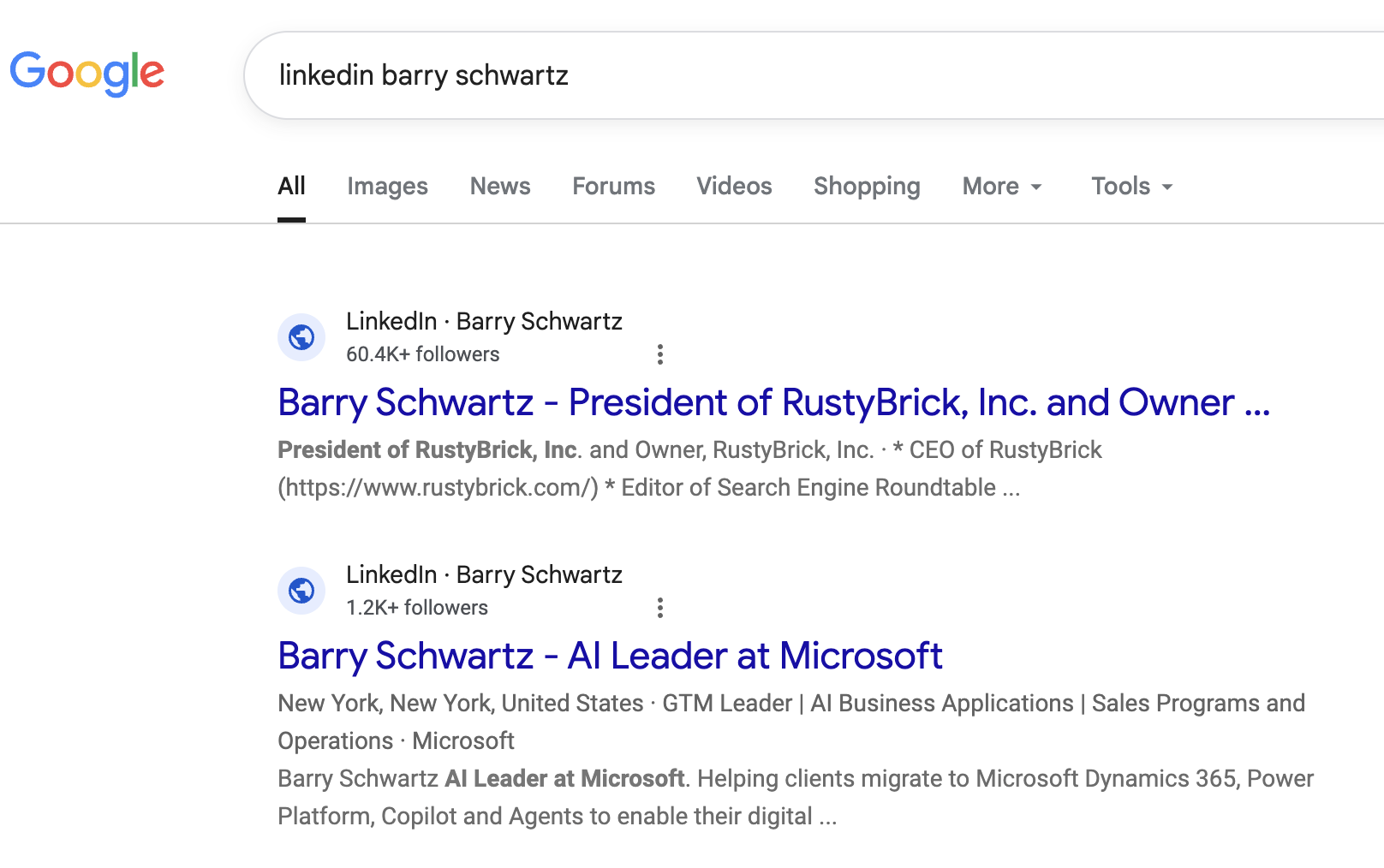
As of late August, the "globe" era of this week appears to be over. Most websites, including those that were particularly stubborn like LinkedIn, have returned to their standard visual presence. The event serves as a reminder to the digital marketing industry that even the most robust systems are subject to human error—and that clear, prompt communication remains the best remedy when things inevitably go wrong.
Moving forward, site owners are encouraged to keep their favicon assets updated and properly linked. While you cannot control Google’s servers, you can ensure that your site is providing the best possible assets to be picked up whenever the next system refresh occurs. The digital landscape is always in flux, and staying informed is the most effective way to protect your brand’s visibility in the global marketplace.