Executive Summary: A Nation in Turmoil
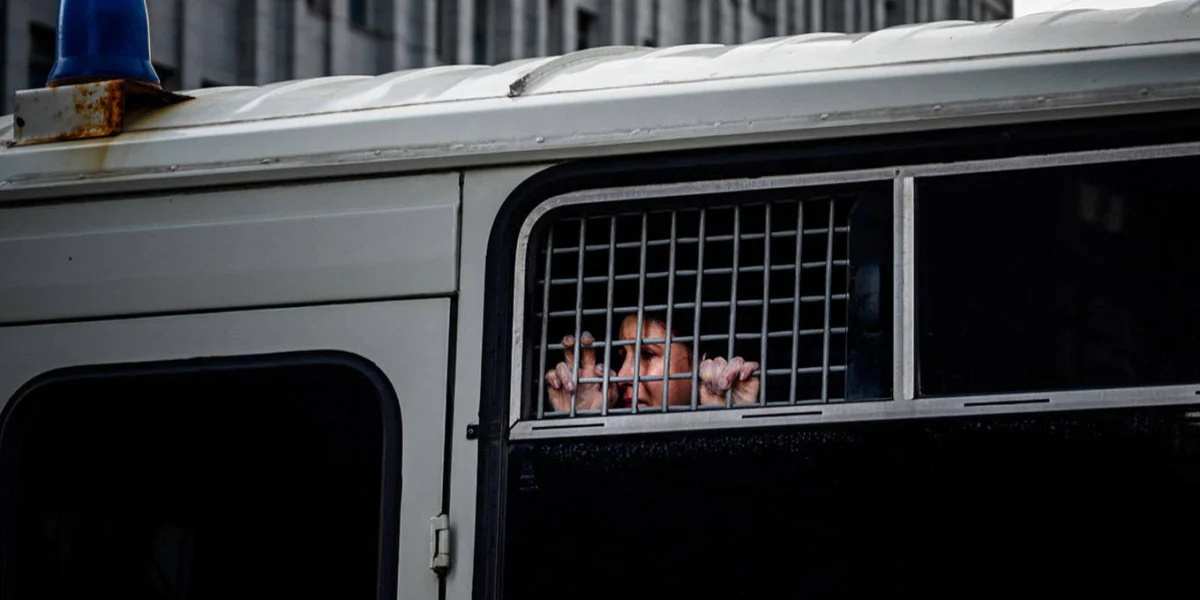
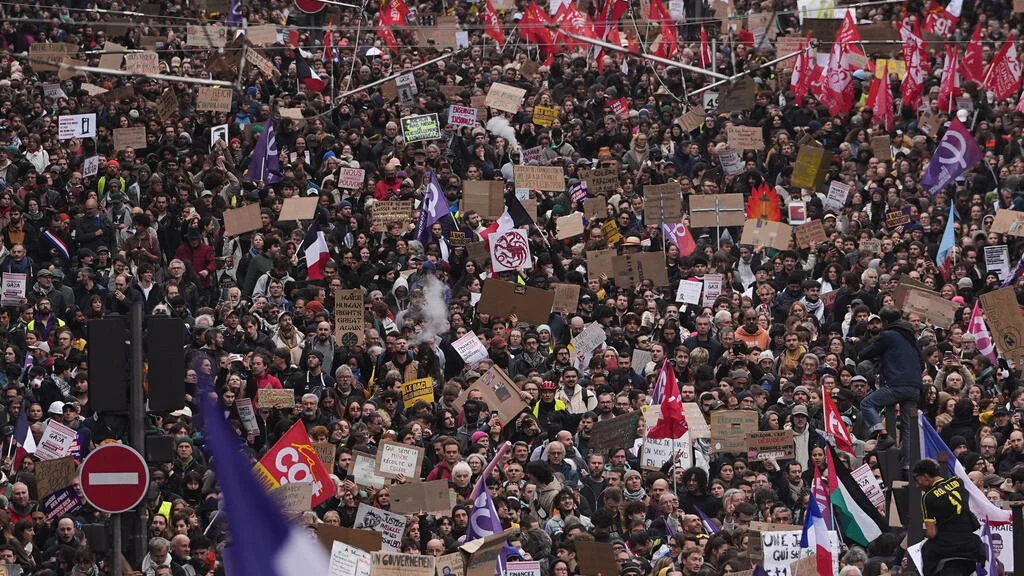
France plunged into a weekend of intense civil unrest this Saturday as hundreds of thousands of demonstrators took to the streets to protest against the soaring cost of living. The mobilization, which spanned major urban centers from Paris to Marseille, resulted in nearly 1,000 arrests and a significant deployment of security forces.
Coming exactly one week after a wave of riots that saw widespread looting and vandalism, the latest protests have tested the endurance of President Emmanuel Macron’s administration. With presidential elections looming just six months away, the government is struggling to balance the preservation of public order with the democratic right to assembly. While Interior Minister Laurent Nuñez characterized the state’s response as more effective than the previous week, the sheer scale of the unrest and the emergence of violent factional clashes suggest that the socio-political fabric of France is under unprecedented strain.
Chronology of the Escalation
The atmosphere in France has been increasingly febrile since early February, fueled by a sharp rise in inflation—particularly in energy and fuel costs—linked to the ongoing conflict in the Middle East.
The Buildup
By Friday, the government had already signaled a hardline approach, announcing a massive deployment of 70,000 police officers across the country. In Paris, authorities proactively shuttered major cultural landmarks, including the Louvre and the Musée d’Orsay, while ordering businesses in city centers to board up storefronts. By Saturday morning, large swathes of metropolitan areas were under partial curfews, and the government had taken the controversial step of banning non-union-sanctioned demonstrations, labeling them "illegitimate."
Saturday’s Flashpoints
The protests began with a redirected march in Paris, which was forced to the capital’s southeastern rim by a last-minute government order. Throughout the day, the primary demonstrations remained largely peaceful. However, as evening descended, the situation deteriorated rapidly.
In Paris, police reported that approximately 500 "ultra-left" agitators triggered two hours of intense clashes at the tail end of the march. Similar patterns emerged in Lyon, where police fired tear gas to disperse a crowd of 1,000, and in Nantes, where protesters breached police lines to reach the city center. In the southern cities of Cannes and Montpellier, an alarming new dynamic emerged: clashes not only between police and protesters, but between far-right activists and left-wing militants.

Supporting Data and Security Statistics
The scale of the unrest is reflected in the divergent numbers provided by authorities and organizing bodies.
- Attendance Estimates: Authorities reported between 410,000 and 800,000 participants nationwide, with the Paris rally accounting for between 110,000 and 250,000 attendees.
- Security Deployment: 70,000 police and gendarmes were mobilized, a testament to the government’s fear of a repeat of the previous week’s riots, which saw 2,700 people arrested.
- Casualties: Interior Minister Laurent Nuñez confirmed two "serious" injuries, including a man in Toulouse who suffered the traumatic loss of fingers and an individual in Clermont-Ferrand.
- Arrests: The figure of nearly 1,000 arrests underscores the proactive and often aggressive tactics employed by the security services, including pre-demonstration checks and rapid dispersal maneuvers.
Official Responses and Tactical Shift
Interior Minister Laurent Nuñez defended the government’s strategy, describing Saturday’s outcome as "more positive" than the previous week. He credited the improvement to a more robust, mobile police presence and more efficient protective measures for local businesses.
However, the government’s rhetoric has met with fierce criticism from civil society. Demonstrators, such as 20-year-old Silem in Lyon, argued that the crackdown on protest rights is evidence of an authoritarian drift. "If they prohibit protests, then that means we are heading more and more towards a regime that is fascist, that is dictatorial," he stated.
The government’s decision to ban certain marches has turned the debate away from the original grievances—the cost of living—and toward the fundamental issue of civil liberties. This has, in turn, galvanized new groups, including the "Yellow Vests," who have called for further mass action on October 31 specifically to defend the "freedom to protest."
Implications: A Fragile Political Landscape
The unrest occurs in a high-stakes environment where every street protest is viewed through the lens of the upcoming presidential election.
The Far-Right Factor
Adding to the volatility was a campaign launch rally by Marine Le Pen’s National Rally (RN) in Orléans. The event became a lightning rod for anti-fascist protesters, who converged on the city in numbers estimated between 13,000 and 26,000. The presence of counter-protesters at an opposition party’s campaign event highlights the deep ideological polarization currently plaguing French society. With Le Pen currently leading in many polls, the specter of a populist victory after a decade of Macron’s leadership is driving both fear and radicalization.

The European Context
France is not an outlier in this wave of discontent. Similar, though distinct, social unrest is rippling across Europe, with Italy, Belgium, Spain, and Portugal all grappling with protests over inflation and education reform. Italy has even gone as far as deploying 500 troops to Milan to quell street violence. This suggests that the current French crisis is part of a broader, systemic struggle within the European Union to manage the economic fallout of global geopolitical instability.
Future Outlook
The political outlook for France is precarious. Jean-Luc Mélenchon, a key figure on the far-left, has warned that the current cycle of violence will likely repeat itself weekly if the government fails to address the underlying economic grievances.
As President Macron enters the final months of his term, his legacy is being defined not by policy success, but by the fire in the streets. The government’s current strategy—characterized by heavy-handed policing, protest bans, and the securitization of urban spaces—appears to be containing the physical damage but at the cost of deepening the social chasm.
Unless the administration can pivot from a security-first posture to a substantive economic dialogue, the coming weeks are likely to see continued volatility. With the election cycle accelerating, the streets of France have become a surrogate for the ballot box, and the citizens of the Republic are proving that their frustration with the cost of living—and their perceived loss of political agency—is far from spent.
The next few months will prove decisive. If the government continues to treat the symptom rather than the disease, the "febrile atmosphere" noted by observers may solidify into a long-term crisis of governance, potentially reshaping the French political landscape for years to come.