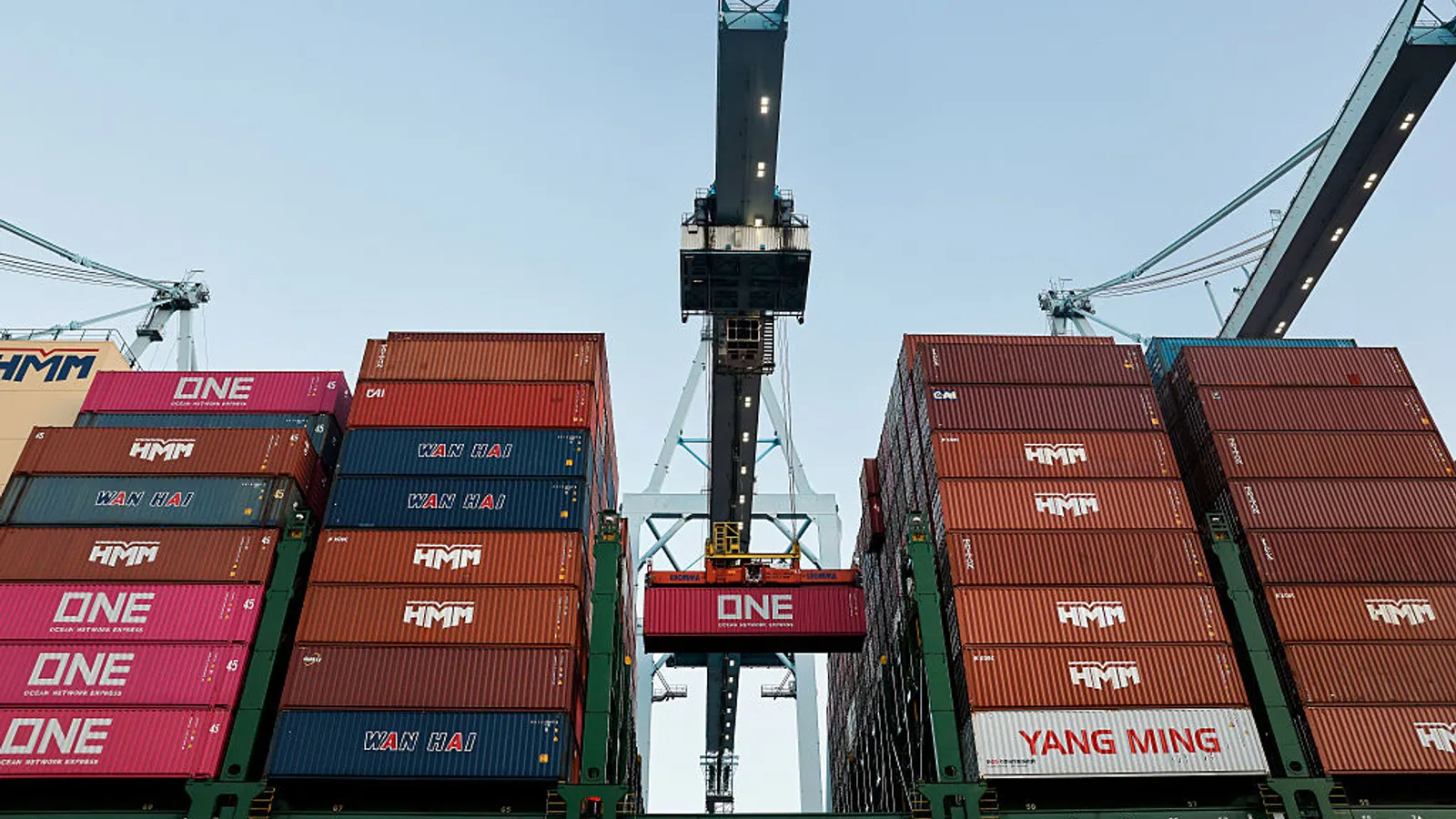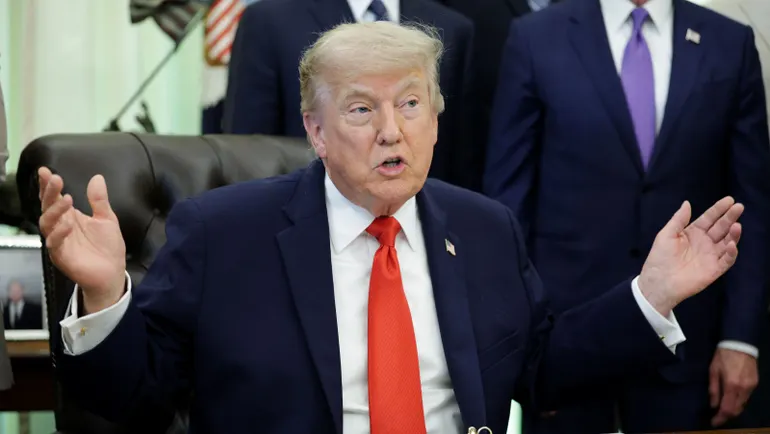
In a dramatic escalation of North American trade hostilities, President Donald Trump announced on Monday a series of sweeping proclamations that will impose a 50% additional tariff on a vast array of Canadian imports. Set to take effect on August 19, the move marks a significant departure from the relative stability once promised by the U.S.-Mexico-Canada Agreement (USMCA).
The new duties, which target sectors ranging from industrial machinery and textiles to raw agricultural materials, represent one of the most aggressive uses of the Tariff Act of 1930 in modern American history. By invoking Section 338 of the act, the administration is signaling a shift toward a more unilateral and protectionist trade policy, effectively bypassing the collaborative spirit of the USMCA to address what the White House terms “discriminatory, unequal, and unreasonable” trade practices by its northern neighbor.
The Core of the Conflict: Unilateral Proclamations
The scope of these tariffs is extensive. According to documents reviewed by supply chain analysts, the levies apply to a wide breadth of products, including chemicals, wood products, paper, and consumer goods. While the USMCA was designed to facilitate duty-free trade for the majority of goods crossing the border, these new proclamations apply regardless of a product’s origin status under that agreement.
However, the administration has carved out specific exemptions to mitigate domestic supply chain shocks. Goods categorized as energy, potash, products already subject to Section 232 tariffs, certain fish, and critical minerals remain exempt. Despite these exclusions, the breadth of the remaining taxable goods is expected to ripple through the North American manufacturing landscape, forcing businesses to reassess their supply chain logistics in less than a month.
A Chronology of the Trade War
The current crisis is not a sudden eruption but the culmination of a year-long deterioration in bilateral economic relations. The path to the August 19 implementation date has been paved with incremental protectionist measures and failed diplomatic overtures.
- Early 2026: The Trump administration began shifting its trade enforcement strategy after the Supreme Court curtailed the president’s ability to use the International Emergency Economic Powers Act (IEEPA) for broad, global tariff implementation.
- February 2026: In response to the legal setback, the administration pivoted to Section 122 of the Trade Act of 1974, implementing a 10% surcharge on a wide range of imports to protect the U.S. balance of payments.
- Mid-2026: Trade tensions between Washington and Ottawa intensified as Canada retaliated against U.S. domestic subsidies, leading to a tit-for-tat cycle of sector-specific duties.
- July 2026: The U.S. announced a 25% tariff on many imports from Brazil under Sections 301 and 304, signaling a broader, aggressive posture toward international trade partners.
- Late July 2026: President Trump formalizes the findings of discrimination against Canada regarding alcohol, dairy, and motor vehicle imports, setting the stage for the August 19 implementation of the 50% duty.
Supporting Data: The Rationale for the Duties
The White House has released a detailed fact sheet justifying the 50% tariff, citing three specific sectors where they claim Canada has actively discriminated against American commerce.
Motor Vehicles
The administration’s primary grievance involves the automotive sector. The White House alleges that Canada enforces quotas that force U.S. companies to shift production facilities to Canada, rather than maintaining operations in the U.S. Furthermore, Canada maintains a 25% tariff on U.S.-made vehicles that do not meet specific USMCA preferential requirements—a barrier the U.S. views as a direct attempt to disadvantage American automakers.
Dairy and Agriculture
The dairy sector remains a long-standing flashpoint. The U.S. argues that Canada has established tariff-rate quotas on American cheese that are significantly more restrictive than those imposed on imports from the European Union. This disparity is particularly galling to U.S. trade representatives, who note that both the U.S. and the EU maintain trade agreements with Canada, yet the U.S. is treated with greater hostility.
Alcoholic Beverages
The final pillar of the justification involves the distribution of U.S. alcoholic beverages. According to the administration, several Canadian provinces and territories have halted the purchasing and retailing of American beer, wine, and spirits. The White House asserts that this ban is discriminatory, as it does not apply to similar products imported from other trading partners, thereby creating an artificial blockade against U.S. market access.
Official Responses and Perspectives
The White House, in its formal proclamation regarding motor vehicles, stated, "The United States, U.S. businesses and workers, and U.S. commerce suffer from Canada’s discriminatory, unequal, and unreasonable tariff scheme." This sentiment reflects a broader philosophy within the administration that existing international trade frameworks are insufficient to protect American workers from foreign market distortions.
Conversely, the Canadian government has characterized the move as a violation of the spirit of the USMCA and a major setback for North American economic integration. Canadian trade officials have expressed concern that these measures will trigger a significant inflationary spike for both nations, as the integrated nature of the North American supply chain means that taxing Canadian parts effectively taxes the final U.S. product.
Industry groups in the U.S., particularly those in the manufacturing and automotive sectors, have voiced apprehension. Many rely on Canadian raw materials and intermediate goods to remain competitive. A 50% tariff represents a massive cost increase that cannot be easily absorbed or passed on to consumers without eroding demand.
Economic and Strategic Implications
The imposition of these tariffs carries profound consequences for the global and regional economy.
Supply Chain Disruption
For businesses that have spent decades optimizing their supply chains to treat the U.S. and Canada as a single market, this development is catastrophic. Manufacturers of machinery and tools, in particular, face the prospect of immediate cost hikes. Many companies will likely be forced to seek alternative suppliers in third-party nations, a process that is costly, time-consuming, and potentially unreliable in the current geopolitical climate.
The Future of USMCA
The most significant question remains the future of the USMCA. The agreement was specifically designed to provide certainty and prevent the kind of volatility now unfolding. By invoking the Tariff Act of 1930 to bypass USMCA provisions, the U.S. is effectively signaling that it considers the agreement subordinate to domestic trade law when national economic interests are perceived to be at stake. This creates a dangerous precedent that could lead other nations to disregard their treaty obligations with the United States.
Inflationary Pressures
Economists are already warning that the new tariffs will act as a tax on American consumers. While the administration argues that the tariffs protect U.S. jobs, the increased cost of imported inputs for American manufacturers often leads to higher prices for finished goods. From consumer electronics to household appliances, the cost of living could see upward pressure as the August 19 deadline approaches.
Diplomatic Fallout
Beyond economics, the rift between Washington and Ottawa threatens long-standing diplomatic ties. The two nations share a border, a defense architecture (NORAD), and a deeply integrated history. The shift toward a "trade war" mentality complicates cooperation on other fronts, including security, immigration, and environmental policy.
Conclusion: A New Era of Trade Policy
The administration’s decision to impose a 50% tariff on Canadian imports marks a definitive end to the post-NAFTA era of predictable trade relations. By leveraging Section 338 of the Tariff Act of 1930, President Trump is deploying a tool that has rarely been used in the 21st century, signaling a pivot toward a nationalist economic agenda that prioritizes immediate, unilateral corrective action over long-term, multilateral cooperation.
As the August 19 deadline looms, the manufacturing, agricultural, and retail sectors face a period of intense volatility. Whether these tariffs will succeed in forcing Canada to alter its trade policies—or whether they will result in a deeper, more entrenched trade conflict—remains the central question for policymakers and market participants alike. For now, the North American trade landscape has been irrevocably altered, with businesses and consumers left to navigate an increasingly uncertain economic future.