By Editorial Staff
A high-stakes geopolitical crisis has deepened in Eastern Europe following a devastating Russian ballistic missile strike on critical energy infrastructure in Kyiv. The Tuesday evening attack, which targeted the CHP-4 power plant, has not only resulted in significant civilian casualties and infrastructural damage but has also exposed a deepening fissure between Ukraine and its Western allies—specifically regarding the real-time sharing of intelligence.
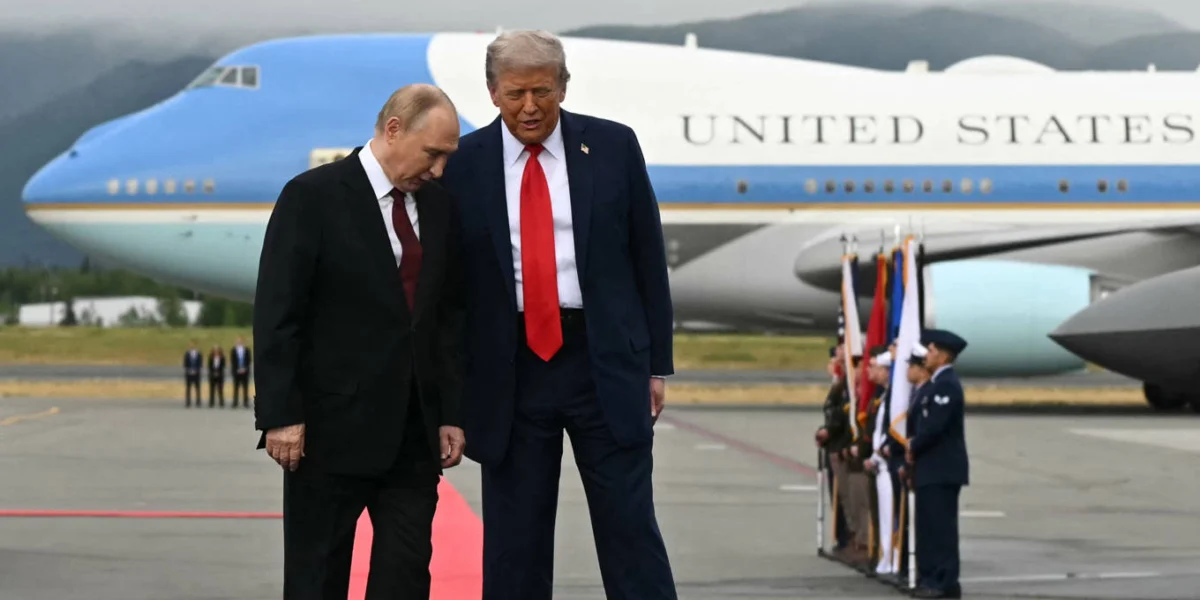
The strike marks a grim turning point in the conflict, occurring just days after a highly publicized and controversial "energy ceasefire" announcement by U.S. President Donald Trump. As the dust settles in the Desnianskyi district, where a residential building was also decimated, President Volodymyr Zelensky has issued a pointed rebuke to his international partners, citing a fatal lack of early warning.
The Anatomy of the Strike: Main Facts
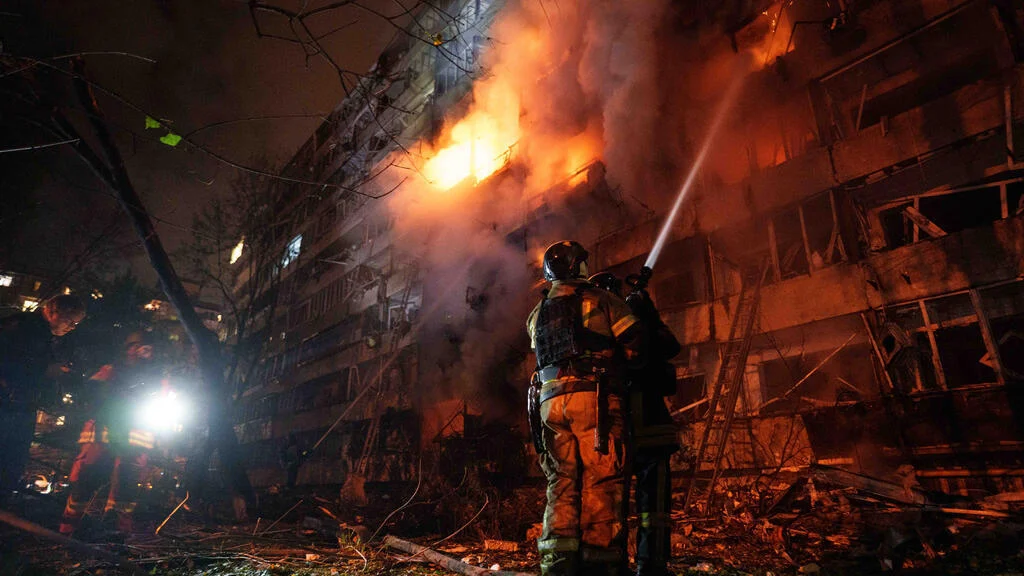
On Tuesday evening, the Ukrainian capital, home to approximately three million people, was rocked by a series of powerful explosions. The primary target, the CHP-4 power plant, sustained significant damage, raising concerns about the stability of the city’s power grid as the colder months approach.
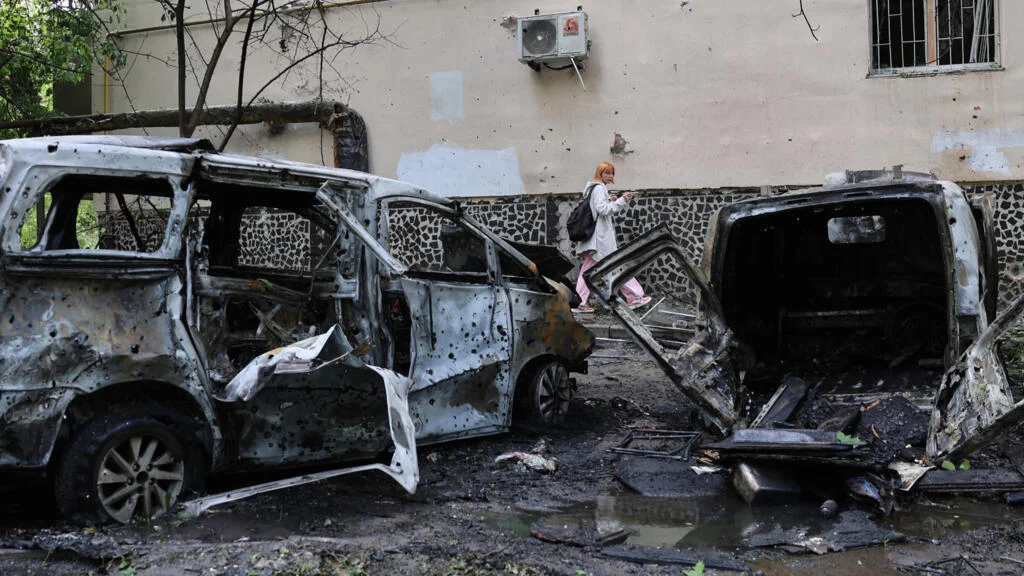
According to Kyiv Mayor Vitali Klitschko, the human toll of the attack was immediate and severe. At least two individuals were confirmed dead, and approximately 20 others were hospitalized with injuries ranging from shrapnel wounds to blast trauma. The destruction of a residential building in the Desnianskyi district underscores the indiscriminate nature of the assault, further complicating the humanitarian situation in a city that has become accustomed to, but remains vulnerable to, relentless aerial bombardment.
President Zelensky, in a public statement released via Facebook, expressed deep frustration. "A Russian ballistic missile attack on Kyiv. Once again, no early warning from our partners," Zelensky wrote. He noted that Ukraine’s domestic air defense systems only detected the incoming threats moments before impact, leaving virtually no time for citizens to seek shelter.
A Chronology of Confusion
The events of Tuesday did not occur in a vacuum; they followed a weekend of diplomatic maneuvering that left global observers and Ukrainian officials in a state of bewilderment.
- Sunday: U.S. President Donald Trump took to his Truth Social platform to announce an "energy ceasefire." He claimed that Russia and Ukraine had reached an agreement to cease targeting each other’s power plants and oil refineries. The announcement was met with skepticism from Kyiv and confusion in European capitals.
- Saturday/Monday: Leading up to the strike, tensions simmered as President Trump publicly criticized President Zelensky, suggesting it was "time for Ukraine to get a new president" and lashing out against Ukrainian strikes on Russian oil infrastructure.
- Tuesday Morning: Reports emerged of explosions in Kyiv occurring before air-raid sirens were triggered. This anomaly—strikes preceding warnings—has been a rare, terrifying development in the capital, leading officials to suspect that Russia is deploying advanced, high-velocity missiles specifically designed to evade conventional detection.
- Tuesday Evening: The ballistic missile strike on the CHP-4 facility confirmed that the supposed "energy ceasefire" was either non-existent or had been abandoned by Moscow as quickly as it was announced.
Intelligence Gaps and Technological Hurdles
Ukraine’s defensive strategy has long been predicated on a symbiotic relationship with Western intelligence. Access to satellite data, long-range radar monitoring, and classified U.S. signals intelligence has historically provided Kyiv with the critical minutes required to scramble interceptors and move civilians into bunkers.
However, the failure to warn of Tuesday’s ballistic launch suggests a significant degradation in this pipeline. Ukrainian officials have offered two potential explanations for the intelligence void: either the Russian military has successfully employed "stealth" ballistic technology that bypasses standard monitoring, or there has been a deliberate "blackout" of intelligence sharing from Western partners.
Zelensky’s comments hinted at the latter, framing the lack of warning as an "unjust" abandonment. "This is absolutely unjust," he stated, highlighting the disparity between Russia’s aggressive targeting of civilian infrastructure and the silence emanating from Western command centers. For a nation that relies on the "eyes and ears" of its allies to survive, this perceived withdrawal of support is existential.

Official Responses and Diplomatic Fallout
The response from the international community has been fractured. While local Kyiv officials are focused on recovery and energy restoration, the political fallout continues to reverberate through Washington and Brussels.
The Trump administration’s stance remains a polarizing factor. By attempting to broker a unilateral ceasefire that Russia appears to have violated within 48 hours, the White House finds itself in an increasingly tenuous position. Analysts suggest that Moscow is "playing" with Washington, using the promise of de-escalation to lower Ukraine’s guard before launching precise, high-value strikes.
In Kyiv, the mood is one of profound betrayal. The government is struggling to reconcile the public promises of support from the West with the reality of incoming ballistic missiles that remain undetected until they reach the city limits. Mayor Klitschko, alongside other local leaders, has called for increased air defense autonomy, arguing that if the intelligence cannot be guaranteed, Ukraine must be provided with the hardware to detect and neutralize these threats independently.
Implications: A New Phase of the Conflict?
The strike on the CHP-4 plant signals that the "energy war" is far from over. By targeting power infrastructure, Russia is applying a "coercive pressure" tactic designed to break the morale of the Ukrainian population as winter looms.
1. The Erosion of Trust
The most significant implication of this incident is the erosion of trust between Kyiv and its primary benefactors. If Ukraine feels it can no longer rely on Western intelligence, it may force a pivot toward more aggressive, independent tactical decisions. This could lead to a cycle of escalation where Ukraine strikes deep within Russian territory without prior coordination, further distancing it from Western diplomatic constraints.
2. The Failure of "Truth Social" Diplomacy
The attempt to manage the conflict through social media announcements has proven disastrous. The failure of the purported "energy ceasefire" suggests that the diplomatic channels intended to de-escalate the conflict are being used as cover for military repositioning. This sets a dangerous precedent for future negotiations, where good-faith agreements are increasingly viewed as strategic feints.
3. Vulnerability of the Power Grid
With the energy infrastructure under direct threat, the logistical burden on Ukraine will intensify. The loss of a major plant like CHP-4 means that energy rationing may return to the capital, further complicating the life of the three million residents of Kyiv. The humanitarian cost, evidenced by the civilian casualties in the Desnianskyi district, indicates that Russia is willing to accept high levels of international condemnation to achieve its strategic goal of freezing the Ukrainian populace.
Conclusion: The Path Forward
As the debris is cleared in Kyiv, the question remains: what comes next? The current trajectory suggests a hardening of positions. The failure of intelligence sharing, the collapse of the energy ceasefire, and the continued loss of civilian life create a volatile environment.
President Zelensky’s administration is now faced with the dual challenge of defending the city against a technologically superior aerial threat and managing a diplomatic alliance that appears increasingly unpredictable. For the people of Kyiv, the immediate reality is a return to the shadows of uncertainty, where every siren—or the lack thereof—carries the weight of survival.
The coming days will be critical. If Western allies cannot bridge the intelligence gap, or if the Trump administration continues its current diplomatic course, the conflict in Ukraine is likely to enter a darker, more isolated, and more dangerous phase. The strike on Tuesday serves as a stark reminder that in the theater of modern warfare, the absence of communication is often as deadly as the weapons themselves.