By Editorial Staff
Published: October 13, 2026 – 22:22 GMT+2
In a move that marks a seismic shift for campus culture at one of America’s most prestigious institutions, Cornell University has announced an immediate, blanket suspension of all fraternity parties and social events for the remainder of the 2026-2027 academic year. The decision follows a tidal wave of public outcry and intense scrutiny regarding the university’s administration and its controversial handling of a 2024 gang rape allegation involving members of the Interfraternity Council (IFC).
The suspension, announced by Cornell President Michael Kotlikoff, represents the most drastic disciplinary measure the Ivy League institution has taken in its recent history. The move is designed to force a "thorough review" of the viability of fraternity life on the Ithaca, New York campus, amid allegations that the university failed to protect its students from a culture of sexual violence.
The Core Controversy: The Jane Doe Case
The catalyst for this institutional reckoning is a lawsuit filed in September 2026 by a survivor identified as "Jane Doe." The lawsuit details a harrowing account of a 2024 incident in which the plaintiff alleges she was "plied with alcohol and drugs to the point of intoxication" by several members of a Cornell fraternity.
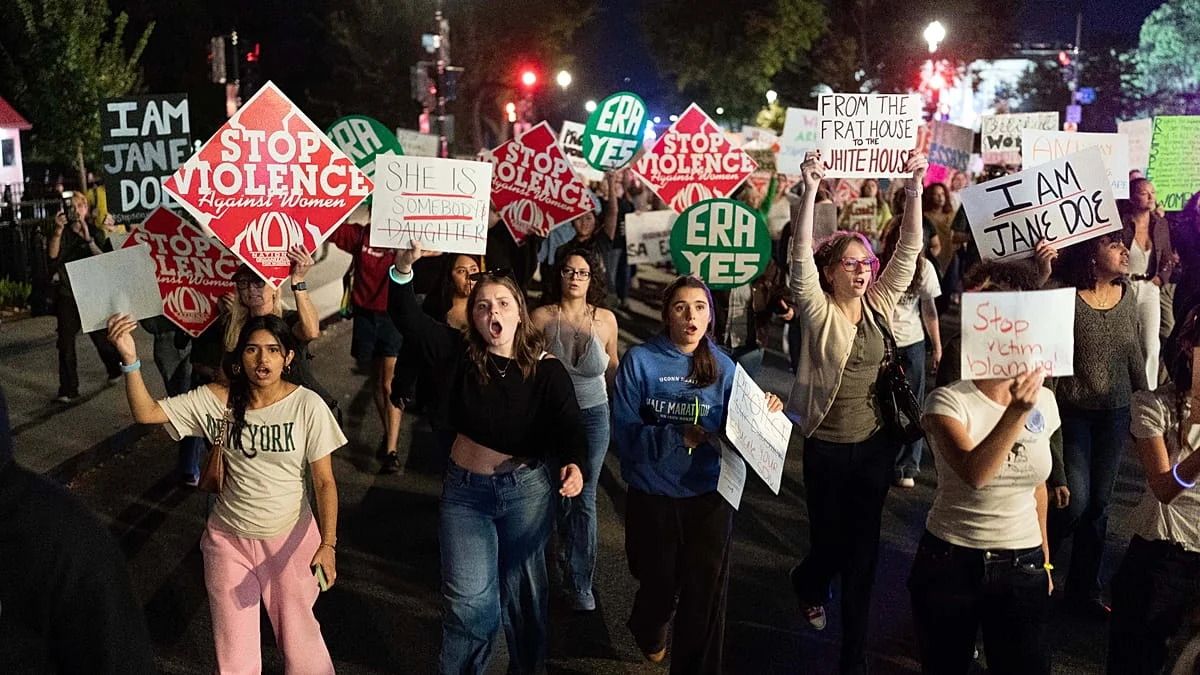
According to court filings, the victim was rendered incapacitated before being subjected to a gang rape within the confines of the fraternity house. The case has ignited widespread fury, not only due to the severity of the alleged violence but because of the perceived institutional inertia that followed. While the fraternity in question was temporarily suspended when the incident was first reported in 2024 and several students faced internal disciplinary action, no criminal charges were brought forward at the time. This lack of legal consequence—contrasted with the severity of the victim’s allegations—has fueled protests across the United States, turning Cornell into the epicenter of a national debate on campus safety and the power dynamics of Greek life.
A Chronology of the Crisis
To understand how Cornell arrived at this turning point, one must examine the timeline of events that led to the current administrative overhaul:
- 2024: The alleged assault takes place at an IFC-affiliated fraternity house. The victim reports the incident, triggering an internal university investigation.
- 2024-2025: Cornell conducts internal disciplinary proceedings. While some students face sanctions, the university does not refer the case for external criminal prosecution, and the fraternity eventually resumes operations, sparking simmering resentment among the student body.
- September 2026: Jane Doe files a lawsuit against the university and the fraternity, bringing the 2024 allegations back into the public eye and accusing the administration of negligence.
- October 2026: Protests erupt on the Cornell campus and across the country. Students and alumni demand accountability, arguing that the university’s previous disciplinary measures were a "slap on the wrist" that failed to address systemic issues.
- October 13, 2026: President Michael Kotlikoff issues a formal apology and announces the immediate suspension of all IFC social events, alongside the appointment of former Deputy Attorney General Sally Yates to lead an independent inquiry.
Official Responses and Administrative Accountability
The administration’s shift from passive disciplinary measures to proactive intervention reflects the immense pressure placed on President Kotlikoff. In his Tuesday statement, Kotlikoff adopted a tone of contrition that was markedly different from previous institutional communications.
"I am deeply sorry for the harm Jane Doe suffered," Kotlikoff stated. "This act of sexual violence occurred within our Cornell community. It is clear that women on our campus continue to question whether they are safe. We must meet this moment by acknowledging where we have fallen short and taking meaningful action."
The president’s directive mandates a "zero tolerance" policy. Any fraternity found hosting an in-house party or social gathering during the suspension period faces immediate, permanent expulsion from the university. This is intended to stop the cycle of clandestine events that often bypass official oversight.
Furthermore, in a bid to restore credibility, the university has appointed former US Deputy Attorney General Sally Yates to conduct a "comprehensive independent review." Yates, known for her rigorous investigative record, has been tasked with auditing the university’s historical handling of sexual misconduct cases to determine how the 2024 investigation failed to produce a satisfactory outcome.
Supporting Data and the Crisis of Confidence
The "Jane Doe" case is not an isolated incident but rather the latest in a long string of concerns regarding campus sexual violence at elite universities. Data from the Association of American Universities (AAU) has consistently shown that undergraduate women are at a significantly higher risk of sexual assault, particularly in environments dominated by Greek life.
Critics of the university point to the "Greek life bubble"—the physical and social autonomy often afforded to fraternity houses—as a breeding ground for misconduct. Statistics suggest that fraternities are often shielded from the same scrutiny as other campus organizations due to their status as private, off-campus or semi-independent entities. Cornell’s decision to involve the New York State Police in future investigations serves as an admission that the university’s internal Title IX processes were insufficient to handle allegations of a criminal nature.
The Implications: A New Era for Cornell?
The suspension of social events is not merely a temporary restriction; it is an existential threat to the current fraternity model at Cornell. By questioning "whether and how it can safely continue," the university has signaled that the traditional fraternity experience—historically defined by unregulated social gatherings and alcohol consumption—may be permanently altered or dismantled.
The Role of New Oversight
The inclusion of the New York State Police (NYSP) in future investigations marks a fundamental change in campus policing. By allowing external criminal investigators to handle sexual assault allegations, Cornell is effectively outsourcing the most sensitive aspects of student safety to law enforcement. This aims to remove the conflict of interest inherent in university-run investigations, where schools are often motivated to protect their reputation by downplaying or mismanaging reports of sexual violence.
Impact on Student Life
The suspension will undoubtedly cause friction between the administration and the Greek community. Fraternity members argue that the blanket ban punishes entire organizations for the actions of a few, while student activists argue that the suspension is a necessary "cooling-off period" to dismantle a toxic culture.
The appointment of a dedicated case manager for survivors is another significant development. This role is designed to provide victims with a direct line of support, ensuring that they are not left to navigate the complex, often intimidating, bureaucracy of a university disciplinary system alone.
Conclusion: The Path Forward
As Cornell University navigates this period of intense scrutiny, the eyes of the academic world are fixed on Ithaca. The decision to prioritize student safety over the traditions of fraternity life is a bold, if belated, step toward accountability.
However, the efficacy of these measures will ultimately be judged by the findings of Sally Yates’ independent review. If that review reveals that the failures of 2024 were systemic and sanctioned by leadership, the university may face even more severe consequences, including potential federal investigations and a lasting loss of trust from the student body and donors alike.
For now, the silence in the fraternity houses during this academic year will serve as a constant reminder of the "Jane Doe" case—a case that has forced one of the world’s most elite universities to finally reckon with the cost of its own culture. The administration has acknowledged that they "cannot wait" for the findings of an inquiry to act, and in doing so, they have set a new, high bar for how universities must handle the pervasive and devastating reality of campus sexual violence. Whether this leads to a safer, more transparent future remains to be seen, but one thing is clear: the status quo at Cornell has been irrevocably shattered.