October 14, 2026 – 18:08 CET
The global energy landscape is bracing for a protracted period of volatility, with the International Energy Agency (IEA) issuing a stark warning that oil markets are set to remain exceptionally tight until at least 2027. In its latest monthly report, released on Wednesday, the Paris-based energy watchdog underscored that wholesale oil prices in Europe could experience further significant increases in the coming weeks, driven by a persistent supply deficit exacerbated by an escalating geopolitical conflict in the Middle East and disruptions to key energy infrastructure.
The IEA’s assessment paints a challenging picture for consumers and industries worldwide, highlighting the fragile state of global energy security amidst a complex interplay of geopolitical strife, logistical bottlenecks, and an enduring imbalance between supply and demand. The agency’s projections signal that the recovery of oil supplies, particularly from the Gulf region, has proven insufficient to alleviate the fundamental issues plaguing the market, setting the stage for continued price pressures and economic uncertainty.
A Market Under Siege: The Supply-Demand Imbalance
Global Production Struggles to Meet Surging Demand
According to the IEA’s comprehensive analysis, global oil production, despite recent increases, continues to lag behind consumption. The report indicated that global supply in September rose by a notable 2.5 million barrels per day (mb/d), reaching 102.3 mb/d. This uptick was primarily attributed to a significant surge in crude oil exports from the Gulf, spearheaded by Saudi Arabia, which saw its output climb to more than three-quarters of its pre-war levels. While this recovery offered a glimmer of hope, it remains critically short of the estimated global demand of approximately 103.5 mb/d, leaving a substantial deficit that continues to exert upward pressure on prices.
The persistent shortfall underscores the challenges inherent in rapidly scaling up production to meet robust global energy needs, especially when faced with unforeseen disruptions. The IEA emphasized that while major producers like Saudi Arabia have made efforts to stabilize the market, the collective global output remains insufficient to bridge the gap, leading to a draw on existing reserves and heightened market anxiety.
Beyond the Middle East, other factors are contributing to the supply crunch. The report implicitly acknowledged the ongoing impact of the conflict in Eastern Europe, noting that Russian refineries have been repeatedly targeted by Ukrainian drones. These attacks have curtailed Russia’s refining capacity, disrupting its ability to supply refined petroleum products to global markets and further exacerbating the overall tightness in supply. Such multifaceted pressures from various geopolitical hotspots create a complex web of challenges for global energy supply chains, making a quick resolution to the current market tightness increasingly unlikely.
The Strait of Hormuz: A Chokepoint Under Threat
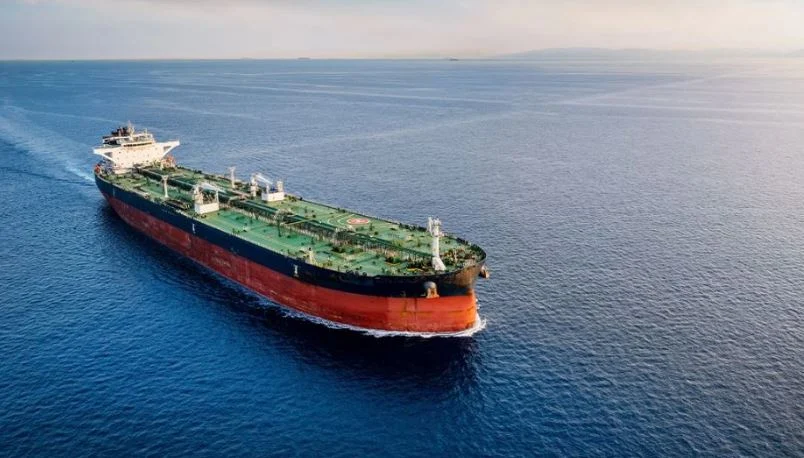
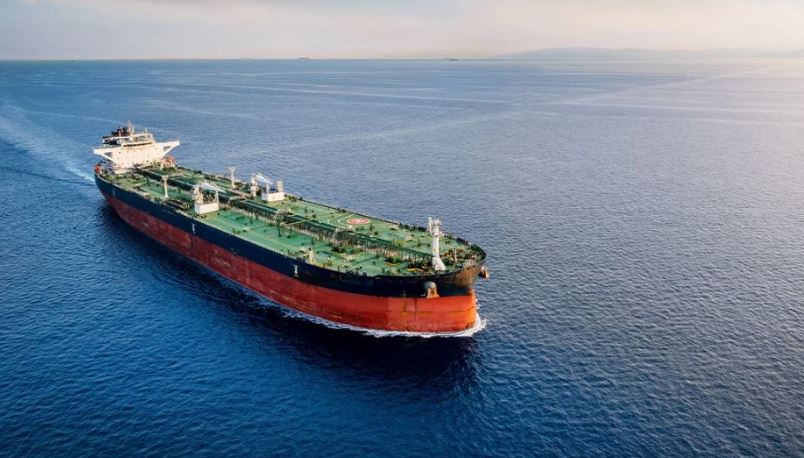
Central to the IEA’s dire outlook is the precarious situation in the Persian Gulf, particularly concerning the Strait of Hormuz. This narrow waterway, a critical maritime chokepoint, is the transit route for roughly one-fifth of the world’s total oil supply. The IEA explicitly warned that "repeated attacks in the Persian Gulf leave the recovery fragile," pointing to the direct impact of regional hostilities on the global energy lifeline.
The conflict, which escalated with "US-Israeli attacks on Iran" on February 28, has profoundly reshaped the dynamics of energy transport through the region. In response to these attacks, Iran has implemented a blockade of the Strait of Hormuz, severely restricting the free flow of oil tankers. This strategic move, designed to exert pressure and retaliate against perceived aggressions, has transformed the Strait into a highly contested and dangerous zone for commercial shipping. The heightened risk associated with navigating this vital passage has naturally translated into increased insurance premiums and operational costs for shipping companies, further contributing to the upward trajectory of oil prices.
Adding another layer of complexity to the region’s instability are the actions of Yemen’s Iran-backed Houthi rebels. These groups have intensified their attacks on Saudi Arabian oil facilities, employing drones and missiles to target critical infrastructure. These strikes, often aimed at disrupting production and export capabilities, serve as a constant reminder of the fragility of supply from the world’s largest oil exporter. The dual threats—direct attacks on shipping in the Strait and assaults on onshore production facilities—create an environment of extreme uncertainty, making sustained and reliable supply from the Middle East a significant challenge.
Chronology of Conflict and Escalation
February 28, 2026: The Onset of Conflict
The current phase of heightened tensions can be traced back to February 28, 2026, when the "US-Israeli attacks on Iran" initiated a new and dangerous chapter in Middle Eastern geopolitics. While the precise triggers and initial objectives of these attacks remain subjects of intense international debate and speculation, their immediate consequence was a rapid and severe escalation of hostilities across the region. The conflict quickly spilled over into vital maritime pathways, most notably the Strait of Hormuz, transforming it into a flashpoint for naval confrontations and economic warfare. This marked the beginning of a period of profound instability that has directly impacted global energy markets.
Escalation in the Persian Gulf
Following the initial attacks, Iran swiftly responded by implementing a partial, and at times complete, blockade of the Strait of Hormuz. This strategic maneuver was designed to assert its control over the vital waterway and to leverage its geographic position as a powerful deterrent. Since then, the frequency and intensity of attacks on commercial shipping in the Strait have dramatically increased, creating an extremely perilous environment for vessels.
Just this week, on Tuesday, the British maritime security agency UKMTO (United Kingdom Maritime Trade Operations) reported that shells of unknown origin had struck both a tanker and a container ship navigating the Strait. These incidents, occurring in rapid succession, underscore the escalating risks faced by international shipping. Early on Wednesday, further alarming news emerged when Iran’s elite Revolutionary Guard announced that a container ship, reportedly carrying over 2,500 containers, had sunk south of the Strait after hitting a naval mine and subsequently catching fire. The Revolutionary Guard claimed the vessel was following an "unauthorized route" and issued a stern warning to other ships about the "continued dangers" in the area, signaling Iran’s resolve to enforce its maritime claims and potentially disrupt commercial traffic.
Expanding Fronts: Houthi Attacks on Saudi Infrastructure
The conflict’s reach extends beyond the immediate vicinity of the Strait of Hormuz. Yemen’s Houthi rebels, widely understood to be supported by Iran, have become increasingly active in targeting critical oil infrastructure in neighboring Saudi Arabia. These attacks, often involving sophisticated drones and ballistic missiles, aim to disrupt Saudi oil production and export capabilities, thereby adding further pressure to global supply. While Saudi Arabia has invested heavily in air defense systems, these persistent assaults demonstrate the rebels’ capacity to inflict damage and maintain a constant state of alert across the Kingdom’s vast oil fields and processing plants. The ongoing Houthi campaign ensures that even land-based oil facilities in the region are not immune to the pervasive instability, creating a multi-front challenge to oil supply.
Economic Repercussions: Prices Soar, Shipping Costs Surge
Volatile Crude Benchmarks
The ripple effects of these geopolitical tensions have been immediately felt in global oil markets, leading to significant price volatility. Brent crude, the international benchmark for oil prices, saw a notable increase early Wednesday, rising by approximately 1% to trade above $107 per barrel. While it later pared some of these gains, hovering around $106 per barrel at the time of reporting, this level represents a substantial premium. The IEA noted that while current prices have retreated from the record highs seen in September, when crude benchmarks briefly soared past $200 per barrel, they "remain almost double the price of crude oil and their pre-crisis levels." This sustained elevation in prices indicates that despite the pull-back from extreme peaks, the market fundamentally remains in a state of crisis, with prices far exceeding historical averages and pre-conflict valuations. Meanwhile, West Texas Intermediate (WTI), the American benchmark, traded largely unchanged at approximately $94.75 per barrel, reflecting the more localized supply-demand dynamics within the North American market, though still at elevated levels compared to historical norms.
Rising Shipping Costs and Regional Impact
The direct and indirect consequences of the conflict extend far beyond the immediate cost of crude. The IEA highlighted that "tensions in the crude oil shipping market have spread to other tanker categories," leading to a broad increase in maritime transport costs. The added risks associated with navigating conflict zones, coupled with higher insurance premiums and potential rerouting requirements, have driven up the expenses of transporting refined petroleum products.
This surge in shipping costs is expected to have a significant impact on specific regions. The IEA warned that the prices of petroleum products delivered to dominant import markets—Europe, Africa, and Latin America—"could rise again in the coming weeks." These regions are heavily reliant on imported fuels, making them particularly vulnerable to disruptions in global shipping lanes and increases in transport expenses. For consumers in these areas, this translates directly into higher prices at the pump and increased costs for heating and industrial operations, further fueling inflationary pressures.
Broader Economic Fallout
The sustained elevation of oil prices and the rising costs of energy inputs are poised to have profound and far-reaching economic consequences globally. High energy prices act as a significant drag on economic growth, increasing operational costs for businesses across all sectors—from manufacturing and agriculture to transportation and logistics. This upward pressure on production costs often translates into higher prices for goods and services, contributing to broader inflationary trends that erode consumer purchasing power. For households, the burden of increased fuel and utility costs reduces disposable income, potentially leading to a slowdown in consumer spending.
Furthermore, persistent energy crises can trigger a chain reaction, impacting international trade balances as import bills for energy-dependent nations surge. This can strain national economies, potentially leading to trade deficits, currency depreciation, and increased public debt. In the most severe scenarios, prolonged high oil prices can even tip fragile economies into recession, exacerbating unemployment and social unrest. The current situation thus presents a significant headwind for global economic recovery and stability, demanding urgent attention from policymakers worldwide.
Global Responses and Future Outlook
Strategic Petroleum Reserves: A Temporary Respite?
In response to the escalating crisis, the Group of Seven (G7) nations, representing some of the world’s largest economies, made a significant pledge on October 2. They committed to releasing up to 100 million barrels of emergency oil reserves through the IEA. This measure is primarily intended to inject crude oil into the market, aiming to temper price surges and stabilize supply in the short term. Such releases from Strategic Petroleum Reserves (SPRs) are a well-established tool used by major consuming nations during periods of severe supply disruption.
However, the IEA’s report tempered expectations regarding the long-term efficacy of these releases. The agency indicated that the lost oil reserves are "unlikely to be refilled beyond normal seasonal changes before the second half of 2027." This statement suggests that while the G7’s action might provide temporary relief, it does not address the fundamental structural deficit in the market or the ongoing geopolitical risks. The slow pace of replenishment highlights the deep-seated nature of the supply problem and implies that nations will continue to operate with diminished strategic buffers for an extended period, leaving them more vulnerable to future shocks.
The Long Road to Supply Stability
Achieving long-term stability in the oil market presents formidable challenges. The IEA’s assessment underscores the difficulty of rapidly increasing global oil production in the current constrained environment. Years of underinvestment in new exploration and production capacity, partly driven by environmental concerns and a focus on energy transition, mean that major oil companies and national producers are struggling to bring new supply online quickly enough to meet burgeoning demand. Moreover, the geopolitical instability in key producing regions, particularly the Middle East, acts as a significant deterrent to sustained investment and reliable production growth.
While non-OPEC+ producers, such as the United States with its shale oil industry, could potentially increase output, such expansions are often constrained by infrastructure, labor shortages, and evolving regulatory landscapes. The cumulative effect of these factors is a global oil market that lacks significant spare capacity, making it highly susceptible to even minor disruptions and prolonging the period of tightness predicted by the IEA.
Implications for Energy Transition
Paradoxically, the current oil crisis could serve as both a hindrance and an accelerator for the global energy transition. On one hand, the immediate imperative to secure energy supplies might lead some nations to temporarily increase reliance on fossil fuels, postponing ambitious decarbonization targets in favor of energy security. Investments in existing fossil fuel infrastructure might receive a temporary boost to ensure continuity of supply.
On the other hand, the profound economic pain and geopolitical vulnerabilities exposed by the crisis could provide a powerful impetus for accelerating the shift towards renewable energy sources. The argument for greater energy independence through domestic clean energy production becomes increasingly compelling when international supply chains are disrupted and prices are volatile. Governments and industries may redouble efforts to invest in solar, wind, nuclear, and other alternative energy technologies, viewing them not only as climate solutions but also as critical components of national security and economic stability. Ultimately, the long-term trajectory will depend on the policy choices made in response to this crisis, with the potential to either entrench existing energy paradigms or catalyze a more rapid transition to a sustainable future.
Conclusion: A Precarious Balance
The IEA’s latest report delivers a sobering message: the world is facing a prolonged period of tight oil markets, extending well into 2027. The confluence of a persistent supply-demand imbalance, escalating geopolitical conflicts in the Middle East, and disruptions to critical energy infrastructure has created a highly volatile environment. While international efforts, such as the G7’s pledge to release strategic reserves, offer some short-term relief, they do not address the fundamental challenges.
The ongoing war, initiated by US-Israeli attacks on Iran, has not only disrupted a significant portion of global oil flow through the Strait of Hormuz but has also led to a dangerous escalation of maritime attacks and regional proxy conflicts. These events, coupled with attacks on Russian refineries, highlight the fragility of the global energy supply chain. As wholesale prices in Europe are poised for further increases, and major consuming nations grapple with diminished strategic reserves, the global economy faces significant headwinds. The IEA’s warning serves as a critical reminder that navigating this precarious balance between geopolitical instability and energy security will require sustained international cooperation, strategic foresight, and potentially, an accelerated commitment to diversifying global energy sources. The coming months will be crucial in determining the full extent of this energy crisis and its lasting impact on the global economic and political landscape.