TIRANA, Albania – October 26, 2022 – Albanian Prime Minister Edi Rama announced on Wednesday a sweeping package of legislative and administrative measures targeting individuals involved in violent protests. The proposed actions include potentially restricting their entry into Schengen Area member states, a move that has raised significant concerns regarding domestic constitutional rights and European Union legal frameworks.
The Prime Minister’s pronouncements come amidst escalating political tensions and public discourse surrounding the handling of recent demonstrations. While the government asserts its commitment to maintaining public order, the proposed measures have been met with immediate criticism for potentially infringing upon fundamental freedoms and constitutional guarantees.
Constitutional Crossroads: Freedom of Movement Under Threat?
At the heart of the controversy lies Article 38 of the Albanian Constitution, which unequivocally states that "No one can be prevented from leaving the country." Prime Minister Rama’s declared intention to impose entry bans on individuals involved in violent protests directly challenges this fundamental right. Legal experts and civil society organizations have voiced strong objections, arguing that such a broad-brush approach circumvents established legal procedures and could lead to arbitrary restrictions on citizens’ liberty.
The proposed measures suggest a departure from the principle of individual accountability, potentially punishing individuals based on their alleged involvement in collective actions rather than through due process and judicial determination. This raises serious questions about the presumption of innocence and the right to a fair trial, cornerstones of democratic societies and key benchmarks for Albania’s EU accession aspirations.
European Commission Weighs In: Competence and Compliance
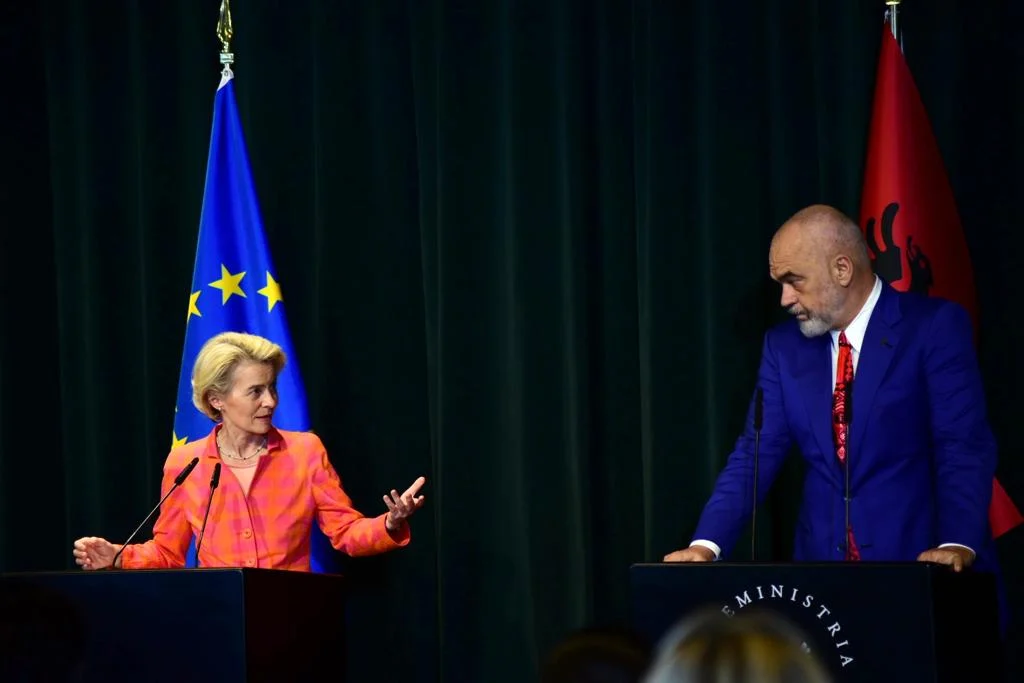
In response to inquiries from BIRN (Balkan Investigative Reporting Network) regarding the legality and compatibility of such measures with fundamental rights, freedom of movement, and the presumption of innocence, the European Commission offered a nuanced but firm response. A spokesperson for the Commission clarified that decisions regarding the admission or refusal of entry into individual EU member states fall within the competence of those respective states.
"Decisions on the admission or refusal of entry into the territory of specific EU member states fall within the competence of the respective member states, in accordance with applicable EU and national legislation," the spokesperson stated. This suggests that while the ultimate decision-making power rests with individual EU countries, any such measures would need to align with existing EU legal frameworks and respect fundamental rights principles.
The Commission further emphasized that Albania, as a candidate country, is obligated to adhere to its national legislation and its international commitments concerning the movement of its citizens. This includes any initiatives aimed at restricting the movement of individuals involved in violent activities. The EU’s position underscores the importance of ensuring that national measures are proportionate, non-discriminatory, and fully compliant with established legal norms.
Echoes of Concern: The Ombudsman’s Findings and EU Monitoring
Adding another layer of scrutiny to the situation, the European Commission acknowledged the findings of the Albanian Ombudsman. Recent reports from the Ombudsman’s office have highlighted "serious problems" in the treatment of protesters detained by the police. These issues include overcrowded holding cells, complaints of inadequate treatment of minors, and allegations of disproportionate police violence.
The Commission reiterated its commitment to closely monitoring Albania’s progress in upholding the rule of law and protecting fundamental rights throughout the accession negotiation process. This implies that the handling of protests and the treatment of detainees will remain under the watchful eye of Brussels, with potential implications for Albania’s EU integration trajectory.
The Commission’s statement also served as a reminder of a fundamental democratic principle: "Participation in peaceful protests is a fundamental right in all democratic countries." However, it was quick to add a crucial caveat: "Violence has no place." The responsibility for maintaining public order and enforcing the law, the Commission stated, ultimately rests with national authorities.
A Precedent of Condemnation and Proportionality
The European Commission’s stance on the matter is not new. It has previously condemned acts of violence associated with protests in Albania, including arson, attacks on state institutions, and the destruction of public and private property. In such instances, the Commission has consistently stressed that perpetrators must be held accountable through legal proceedings.
Furthermore, the Commission has consistently advocated for a response to violence that is both proportionate and in full compliance with the law. This principle is crucial in ensuring that the state’s reaction to unlawful acts does not itself violate fundamental rights or create new injustices. The emphasis on due process, individual accountability, and proportional responses remains a central tenet of the EU’s engagement with candidate countries.
Chronology of Events and Developing Situation
The announcement of the new legislative package follows a period of heightened public activity and political discourse in Albania. While the exact timeline of the proposed legislation is yet to be fully detailed, the Prime Minister’s public statement indicates an intent to act swiftly.
- Recent Weeks/Months: Albania has witnessed several public demonstrations, some of which have involved instances of violence and property damage. These events have prompted government discussions on measures to deter such behavior.
- Wednesday, October 26, 2022: Prime Minister Edi Rama publicly announces the impending legislative and administrative package aimed at addressing individuals involved in violent protests, including the possibility of travel restrictions to EU member states.
- Following the Announcement: Legal experts and civil society organizations begin to voice concerns about the constitutionality and potential human rights implications of the proposed measures.
- Inquiries to the European Commission: BIRN and other media outlets seek clarification from the European Commission on the legality and compatibility of the proposed actions with EU law and fundamental rights.
- European Commission Response: The Commission clarifies that entry decisions are the prerogative of member states but emphasizes the need for compliance with EU law and fundamental rights. They also highlight the importance of national legislation and international commitments.
- Ombudsman’s Report: The European Commission references the findings of the Albanian Ombudsman concerning the treatment of detained protesters, adding further weight to concerns about the handling of demonstrations.
- Ongoing Monitoring: The EU reaffirms its commitment to closely monitoring Albania’s adherence to the rule of law and fundamental rights as part of the accession process.
Supporting Data and Context: The Shadow of Past Protests
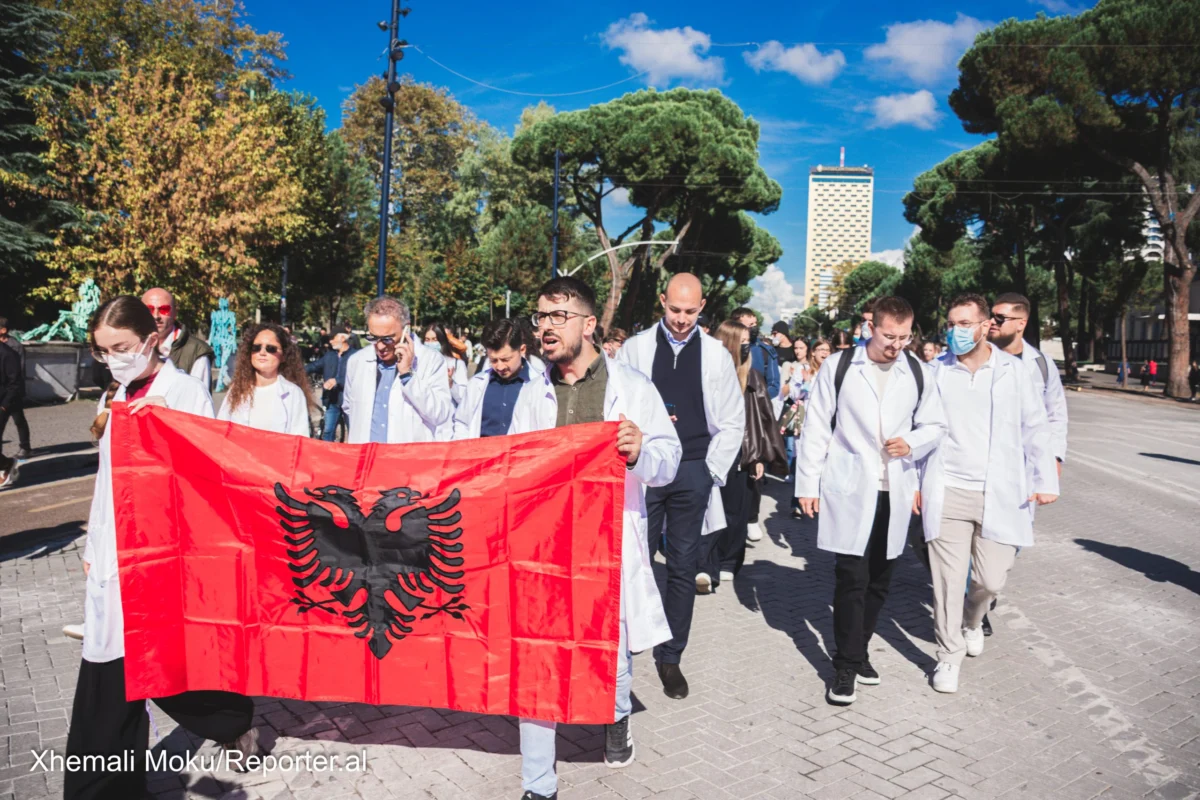
The context for Prime Minister Rama’s announcement is intrinsically linked to the history and nature of public demonstrations in Albania. While peaceful assembly is a vital democratic outlet, certain protests have unfortunately been marred by violence, leading to significant public debate about the state’s response.
Reports from various sources, including the Ombudsman’s office, have documented instances of:
- Overcrowded Detention Facilities: Police stations have reportedly struggled to accommodate detained individuals, leading to concerns about humane treatment and conditions.
- Disproportionate Use of Force: Allegations of excessive force by law enforcement during protests have been a recurring theme, raising questions about police conduct and accountability.
- Treatment of Minors: Specific concerns have been raised regarding the treatment of underage individuals involved in protests, highlighting the need for specialized care and legal protections.
- Property Damage and Arson: Acts of vandalism, including the burning of public and private property, have been condemned by authorities and the EU, underscoring the need for measures to prevent such destruction.
These documented issues provide a backdrop against which the government’s desire to implement stricter measures can be understood. However, the challenge lies in balancing the legitimate need for public order with the imperative to uphold fundamental rights and constitutional guarantees.
Implications for Albania’s EU Accession and Democratic Future
The proposed measures and the subsequent scrutiny from the European Commission carry significant implications for Albania’s aspirations to join the European Union. The EU accession process is not merely about legislative alignment; it is fundamentally about embracing and upholding the core values of democracy, the rule of law, and human rights.
Key implications include:
- Rule of Law Benchmarks: Any legislation that is perceived to undermine constitutional rights or due process will be closely examined by the EU. Demonstrating a robust commitment to the rule of law is a prerequisite for progress in accession negotiations.
- Fundamental Rights Protection: The EU places a high premium on the protection of fundamental rights, including freedom of movement, freedom of assembly, and the right to a fair trial. Any perceived infringement in these areas could lead to setbacks in the accession process.
- Public Trust and Confidence: The manner in which the government handles dissent and protest can significantly impact public trust and confidence in democratic institutions. Measures that are seen as overly restrictive or arbitrary can erode this trust.
- International Reputation: Albania’s adherence to international human rights standards and its commitment to democratic principles are crucial for its international standing and its ability to attract foreign investment and partnerships.
- Precedent for Future Legislation: The approach taken by the Albanian government in this instance could set a precedent for future legislative actions concerning public order and individual liberties.
The European Commission’s careful wording, emphasizing the competence of member states while implicitly urging adherence to EU legal principles, highlights a delicate balancing act. While the EU acknowledges the right of sovereign nations to maintain public order, it also expects these actions to be undertaken within a framework of respect for fundamental freedoms and legal due process.
As Albania navigates this complex landscape, the path forward will likely involve a rigorous legal and political debate. The ultimate success of the proposed measures will depend not only on their legislative drafting but also on their alignment with the constitutional framework, international legal obligations, and the fundamental values that underpin the European Union. The coming weeks and months will be critical in determining how Albania addresses the challenge of balancing public order with the enduring principles of democratic governance.