The landscape of American manufacturing is undergoing a significant transformation, marked by a series of aggressive capital investments aimed at bolstering domestic production capacity. Five major industrial players have recently announced new or expanded facilities across the United States, totaling more than $1.6 billion in combined investment. This surge in domestic activity spans diverse sectors—from commercial transportation and energy-efficient cooling systems to essential consumer goods—signaling a robust commitment to re-shoring and regional supply chain resilience.
For the logistics and transportation sector, these developments represent more than just corporate growth; they serve as a catalyst for a new wave of freight demand. As these massive facilities come online, trucking companies, rail providers, and third-party logistics (3PL) firms can expect a sustained increase in the movement of raw materials, specialized components, and finished goods, further tightening the integration between industrial production and the national distribution network.
The Strategic Geography of Growth
The recent investment cycle is geographically dispersed, touching key industrial hubs in Texas, Illinois, Georgia, Kentucky, and Arkansas. By situating these plants in regions with established logistics infrastructure, companies like Hyundai Translead, Carrier Global Corp., and Blue Bird Corp. are positioning themselves to capitalize on lower transportation costs and shorter lead times to end-users.
Collectively, these three companies alone have committed over $1.5 billion toward these initiatives, accounting for 5,625 new full-time jobs. This influx of capital reflects a broader trend: manufacturers are prioritizing proximity to their customer base, shifting away from the hyper-globalized models of the past two decades toward a more localized, responsive supply chain strategy.
Chronology of Expansion: Key Corporate Moves
The momentum behind these projects ranges from recently opened facilities now ramping up production to massive greenfield developments currently in the early planning stages.
Hyundai Translead: Scaling Up in the Midwest
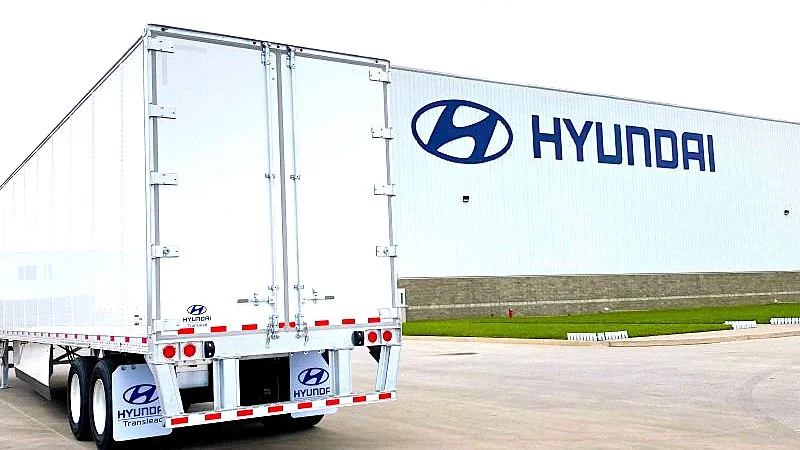
In a move that underscores the persistent demand for commercial transportation equipment, Hyundai Translead announced a major revision to its Illinois footprint. Initially committing $450 million in March, the company declared on Thursday that it is boosting its total investment in Will County, Illinois, to $600 million. This additional $150 million capital injection is designed to support a third production shift, effectively increasing the company’s job commitment from 2,500 to 3,750 full-time roles. As the transportation industry continues to navigate a complex recovery cycle, Hyundai Translead is positioning its Illinois operations to meet growing demand for its diverse portfolio, which includes dry van and refrigerated trailers, truck bodies, and flatbeds.
Carrier Global: A New Standard in Fort Worth
Carrier Global Corp. (NYSE: CARR) has unveiled plans for a state-of-the-art manufacturing and engineering hub in Fort Worth, Texas. With a planned investment of over $600 million spanning the next three years, the facility will occupy more than 1 million square feet at the prestigious AllianceTexas logistics development. Expected to begin operations by 2027, the plant will focus on the production of advanced thermal management systems, specifically air-cooled and water-cooled commercial chillers. These systems are critical infrastructure components for the rapidly expanding data center market, as well as for schools and hospitals. The project, which will create 1,500 jobs, is a direct response to a record backlog in Carrier’s commercial HVAC segment.
Blue Bird: Sustaining a Georgia Legacy
Blue Bird Corp. (Nasdaq: BLBD) is doubling down on its long-standing history in Georgia with a $300 million investment to establish a new school bus manufacturing facility in Fort Valley. The project involves the conversion of a former diesel motorhome site into a massive 1-million-square-foot production plant. Construction is slated to begin in the first quarter of 2027, with the facility expected to support the production of Type C buses powered by a variety of fuel sources, including electricity, propane, gasoline, and diesel. The investment will create 375 jobs, adding to the company’s existing local workforce of over 1,900 employees.
Niagara Bottling: Strengthening Kentucky’s Logistics Base
On the consumer goods front, Niagara Bottling held the grand opening of its $141 million beverage facility in Elsmere, Kentucky, this past Thursday. Located at the C5 Airport East Logistics Center, the 436,000-square-foot plant represents a $11 million increase over its initial 2024 budget estimate. The facility will employ 60 full-time workers and will serve as a hub for both the production and distribution of bottled water, sports drinks, and flavored sparkling waters.
Primo Brands: Revitalizing Arkansas’s Water Industry
Primo Brands (NYSE: PRMB) has officially opened its new manufacturing facility in Hot Springs, Arkansas, as of October 14. Dedicated to the iconic Mountain Valley premium spring water brand, the 200,000-square-foot plant represents a major milestone as the company’s first new manufacturing site since its 2024 merger. Equipped with high-speed retail production lines and dedicated logistics space, the factory is engineered to meet the surging consumer demand for premium bottled water, providing a significant boost to regional distribution capabilities.
Supporting Data: The Investment Landscape
| Company | Facility Location | Investment | Primary Output |
|---|---|---|---|
| Hyundai Translead | Will County, IL | $600 Million | Commercial Trailers |
| Carrier Global | Fort Worth, TX | $600+ Million | Commercial Chillers |
| Blue Bird | Fort Valley, GA | $300 Million | School Buses |
| Niagara Bottling | Elsmere, KY | $141 Million | Bottled Beverages |
| Primo Brands | Hot Springs, AR | Undisclosed | Premium Water |
Source: Company announcements and state economic data, October 2026.
Official Perspectives and Strategic Intent
The common thread linking these disparate manufacturers is a recognition of the shifting economic climate. Executives from these firms have consistently cited "growing customer interest" and "strong demand" as the primary drivers for their capital deployment.
For companies like Carrier, the investment is not merely about volume but about capability. The integration of engineering laboratories alongside the manufacturing floor suggests a focus on R&D-led manufacturing, where the design of energy-efficient systems is as important as the speed at which they are produced. Similarly, Blue Bird’s transition to a facility that can accommodate multiple fuel types—from traditional internal combustion to electric—highlights a strategic hedge against energy market volatility and changing environmental regulations.
State and local economic development agencies have welcomed these moves, viewing them as long-term anchors for their local tax bases and workforce development pipelines. By facilitating these projects, states like Kentucky and Georgia are further cementing their reputations as primary hubs for the U.S. industrial supply chain.
Implications for the Logistics and Freight Industry
For the logistics sector, these announcements present a significant opportunity. The manufacturing sector is a primary generator of both inbound and outbound freight, and the scale of these new facilities implies a need for consistent, high-volume transportation services.
Inbound Raw Material Requirements
The construction of these facilities requires massive quantities of steel, aluminum, plastics, and electronic components. In the short term, this will drive demand for flatbed and specialized haulers to transport construction materials. Once operational, the "inbound" requirement shifts to raw components—such as specialized parts for HVAC chillers or bulk resin for beverage bottles—which will create a recurring demand for dedicated lane contracts.
Outbound Finished Goods Distribution
The distribution of finished goods—especially heavy assets like school buses and commercial trailers—requires specialized logistics coordination. Unlike consumer electronics or apparel, these products often require specialized equipment, such as low-boy trailers or multi-axle configurations, to move from the factory floor to the end customer. For small-to-mid-sized carriers, these new factories represent a chance to secure long-term, high-value freight contracts that can serve as the backbone of a stable business model.
The Rise of the "Regional Hub"
The location of these facilities at major industrial parks like AllianceTexas and the C5 Airport East Logistics Center suggests that manufacturers are increasingly prioritizing "last-mile" industrial proximity. As these companies refine their logistics strategies, they are likely to favor carriers that can offer integrated warehouse-to-delivery solutions, potentially increasing the demand for 3PL providers that can manage the complexity of both the production supply chain and the finished goods distribution.
Conclusion: A Sustained Trajectory
The commitment of $1.6 billion in new capital is a clear indicator that the U.S. manufacturing sector is not merely recovering from previous disruptions but is actively evolving. By investing in advanced technology, workforce development, and expanded geographic reach, these five companies are setting the stage for a more resilient and efficient industrial future.
For the broader economy, these projects serve as a bellwether for sustained growth. As these facilities come online over the next 12 to 36 months, they will provide a much-needed boost to local economies while simultaneously providing a steady pipeline of freight activity for the trucking and logistics industries. In a landscape characterized by uncertainty, these multi-billion-dollar bets represent a firm vote of confidence in the enduring viability and competitiveness of American manufacturing.