
In the modern digital landscape, the inbox has become the most contested real estate on the internet. For years, the prevailing wisdom in ecommerce has been purely algorithmic and transactional: optimize for open rates, push for click-throughs, and convert subscribers into revenue. While these tactics are foundational, a growing number of industry leaders are discovering that the traditional "email list" model is fundamentally incomplete.
The most successful brands today are moving beyond simple customer acquisition. They are building communities. A community is not merely a collection of email addresses; it is a group of individuals who feel a sense of belonging to a brand’s mission, identity, and narrative. In an era of infinite choices and fleeting attention, this connection is the ultimate competitive advantage.
The Paradigm Shift: List vs. Community
To understand the difference between a list and a community, one must look at the psychological engagement of the subscriber. A "list" is a passive repository of data. A "community" is a living, breathing ecosystem where members feel invested in the brand’s success.
The Transactional Trap
Most ecommerce businesses operate on a funnel-based infrastructure. Their email strategy is dominated by automated flows: the welcome series, the browse abandonment trigger, the cart recovery email, and the post-purchase upsell. While these automated systems are essential for business health, relying exclusively on them creates a sterile environment. When every communication is an ask, the brand becomes a commodity—easily swapped for a cheaper competitor or a more aggressive ad campaign.
The Relational Pivot
Building a community requires a fundamental shift in priorities: treat the inbox as a relationship channel first and a revenue channel second. This does not mean abandoning profit; it means recognizing that sustainable, repeatable revenue is a byproduct of a strong, loyal relationship. When subscribers feel connected to the "why" behind a brand, they move from being passive consumers to vocal advocates who recommend products without being prompted.
The Anatomy of an Insider Experience
The most effective way to foster this sense of belonging is to grant your subscribers "insider" status. This does not necessitate complex loyalty software or expensive gated content; it is primarily a matter of communication strategy and transparency.
The Power of "Working Out Loud"
Consumers are increasingly disillusioned by polished, corporate-speak marketing. Instead, they crave authenticity. By pulling back the curtain on your operations, you invite your audience into the journey.
- The Development Story: Instead of announcing a new product, explain the problem you were trying to solve. Share the failed iterations and the prototypes that didn’t make the cut.
- The Vulnerability Factor: Share the challenges of the business. Discuss supply chain hurdles or design dilemmas. When customers see the human effort behind a product, their perceived value of that product increases significantly.
- Prioritized Access: Give your email list the "first look" at new launches or sales. This signals to your subscribers that their loyalty is recognized and rewarded, reinforcing their identity as insiders.
The Rise of Founder-Led Communication
There is a profound disconnect between glossy, highly designed marketing templates and the desire for human connection. Experimenting with "plain text" emails—written with a personal, conversational tone—often yields higher engagement than high-production-value newsletters. When a founder writes directly to the reader, the email transforms from a promotional flyer into a personal correspondence.
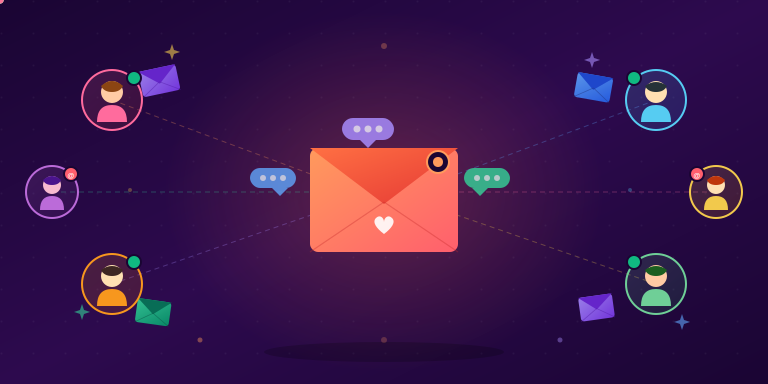
Establishing a Two-Way Conversation
If your email program is entirely one-directional, you are not building a community; you are operating a broadcast station. A community is defined by its ability to engage in dialogue.
Mastering the Art of the Reply
The simplest, most underutilized tactic in email marketing is asking a question and actually reading the response. A well-placed query at the end of a message—such as "What is the one thing you are still trying to figure out regarding [Industry Topic]?"—can spark a conversation.
While this does not scale to an audience of 50,000, it is incredibly effective for building a "core" of high-value, vocal advocates. For many entrepreneurs, replying to a handful of emails per month creates a level of brand loyalty that no advertisement can purchase. These individuals are the ones who write detailed reviews, share your content, and defend your brand in public forums.
Implementing "Reply-Based" Campaigns
Beyond individual responses, structure entire campaigns around feedback. Ask your list to vote on future product colors, request input on content topics, or share their best "hacks" for using your products. When customers see their suggestions implemented, they feel a sense of ownership in the brand. This turns a customer into a co-creator.
Cultivating a Distinctive Brand Voice
Identity is the glue that holds a community together. If your email copy is interchangeable with that of your competitors, you are fighting a losing battle of price and convenience. A community-driven brand possesses a recognizable "voice"—a consistent point of view that permeates every communication.
Defining Your Brand’s Beliefs
To build a distinct voice, you must define what your brand stands for and, more importantly, what it refuses to do.
- The Stance: What are the common industry practices you push back against?
- The Values: What do you care about beyond the profit margin?
- The Tone: Is your brand humorous, authoritative, vulnerable, or minimalist?
Consistency is the key to trust. When your voice remains steady, whether you are announcing a product launch or sharing an educational article, the subscriber begins to feel they "know" you. This familiarity is the bedrock of long-term trust.
Metrics That Matter: Measuring Community Health
When moving from a transactional model to a community-centric one, you must evolve your KPIs. Revenue remains the ultimate health metric, but community-building requires tracking "engagement of intent."
1. Reply Rate
The most direct indicator of a two-way relationship. A high reply rate suggests your content is provocative, helpful, or human enough to warrant a response. If your reply rate is zero, your audience likely views you as a robot.
2. Forward Rate
Forwarding an email is a high-trust action. It signifies that your content provided enough value—or evoked enough emotion—that the subscriber wanted to share it with a trusted peer. This is the modern version of word-of-mouth marketing.
3. Referral-Based List Growth
Ask your new subscribers how they found you. If a growing percentage cite "a friend shared this," you have achieved the holy grail of marketing: your community is doing the acquisition work for you.
4. Unsubscribe Sensitivity
Don’t just track unsubscribes; track when they happen. If you lose subscribers after a purely promotional email, it’s noise. If you lose them after a personal, value-driven, or educational email, it may indicate a misalignment between your voice and your audience’s expectations.
Implications for Future Growth
The shift toward community-led email marketing is not a temporary trend; it is a necessary adaptation to the maturation of the digital economy. As social media platforms become increasingly pay-to-play and algorithms fluctuate, the email list remains the only "owned" audience that a business can reliably access.
For the modern entrepreneur, the infrastructure to manage this is more accessible than ever. Tools like Omnisend allow for the necessary segmentation to ensure that the "transactional" side of the business (like shipping notifications) runs efficiently in the background, freeing up the brand owner to focus on the "relational" side of the inbox.
By leveraging automation to handle the logistics and human-led storytelling to handle the connection, businesses can scale without losing their soul. The brands that will survive the next decade are not those with the largest budgets or the most complex automation, but those that treat their subscribers as participants in a shared journey.
The lesson is simple: stop talking at your audience and start talking with them. When you make a subscriber feel like an insider, you aren’t just building a list—you are building a business that can withstand market volatility, ignore competitor pricing wars, and flourish for years to come.