Updated: 14 October 2026 – 23:27 GMT+2
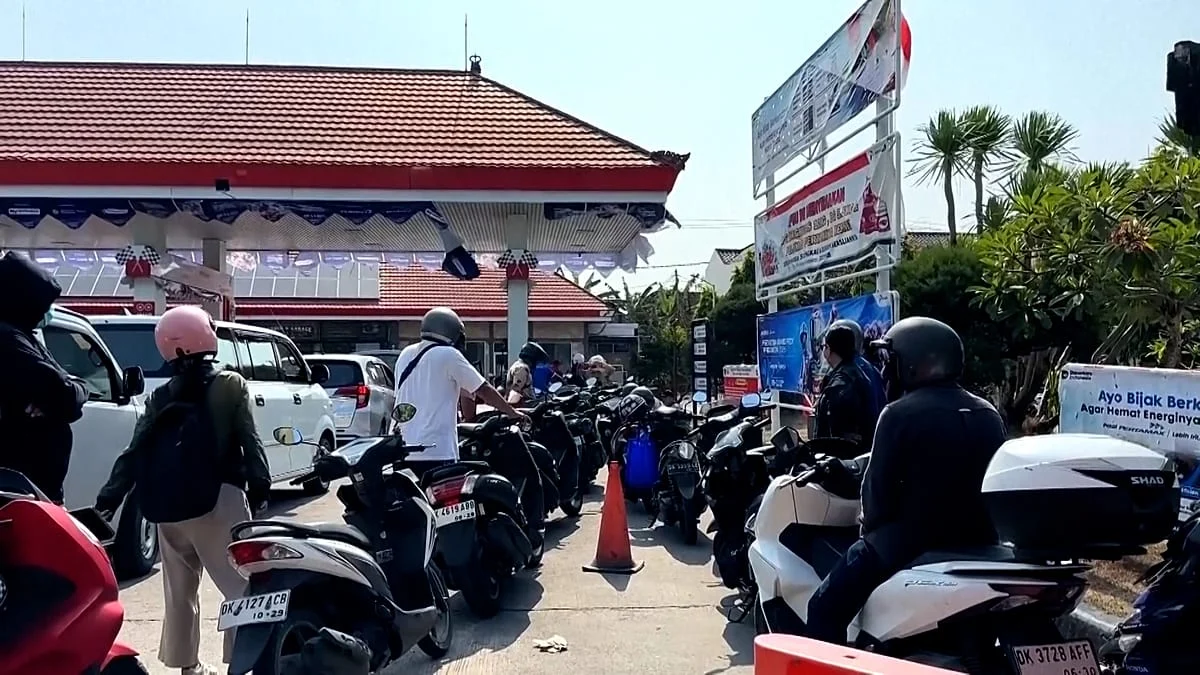
DENPASAR, Bali – The picturesque landscapes of Indonesia’s primary tourist hub, Bali, were marred by a different kind of scenery on Wednesday, 14 October 2026. Instead of the usual flow of tourists and local commuters, major thoroughfares were choked by miles-long queues of motorcycles and automobiles, all snaking toward petrol stations. As fuel supplies dwindled to critical levels, the island faced a paralyzing logistical crisis that left residents stranded and sparked widespread panic.
The Anatomy of the Crisis: A Logistical Failure
The situation began to deteriorate in the early hours of Wednesday morning, as word spread through social media and local WhatsApp groups that several stations in Denpasar and the surrounding regencies had run dry. By mid-morning, the queues had spilled out from station forecourts onto major arterial roads, causing massive traffic congestion that gridlocked the island’s already strained infrastructure.
For many residents, the wait was grueling. One Denpasar local reported spending nearly seven hours under the sweltering tropical sun, engine idling, just for the chance to fill a small tank. "It is not just about the wait," she said. "It is the uncertainty. You sit in line for hours, watching the pumps, hoping they don’t run out before you reach the front."
The chaos was primarily centered around Pertalite, the Indonesian government’s heavily subsidized RON 90 gasoline. As the most affordable option for the island’s massive motorcycle population, its scarcity triggered a psychological reaction that exacerbated the physical shortage: panic buying.
Chronology of the Disruption
- 12 October 2026: Initial reports of "spot shortages" began to appear in rural parts of the island, initially dismissed as minor supply chain hiccups.
- 13 October 2026: Shortages intensified. Pertamina, the state-owned energy company, identified an issue involving a fuel tanker anchored off the coast of Bali, which was unable to commence unloading due to technical complications.
- 14 October 2026 (Early Morning): Panic buying peaked. By 06:00, social media platforms were flooded with images of petrol stations cordoned off with yellow tape or surrounded by hundreds of desperate motorists.
- 14 October 2026 (Afternoon): Governor Wayan Koster issued an urgent public statement, pleading for calm and clarifying that the island’s storage facilities were not empty.
- 14 October 2026 (Evening): Pertamina announced a 24-hour delivery surge and the deployment of additional tanker trucks to prioritize high-traffic stations in the Denpasar metropolitan area.
Official Responses: Pertamina and the Provincial Government
The state-owned energy giant, Pertamina, has faced intense scrutiny regarding its distribution efficiency. According to corporate spokespeople, the crisis was not a result of a national fuel shortage, but a localized "distribution bottleneck."
The primary culprit, according to official reports, was an "anchor problem" experienced by a maritime tanker tasked with delivering fuel to the Manggis fuel terminal in East Bali. The vessel was unable to dock, stalling the replenishment of storage depots. Furthermore, the already congested road network in Bali made it difficult for smaller tanker trucks to navigate from the depots to the individual retail outlets, creating a cascading failure.
"We recognize the frustration caused by these delays," a Pertamina representative stated in a press briefing. "However, the stock at the terminal is sufficient to meet the island’s needs. The issue is purely one of logistics and the velocity of distribution under high-demand conditions."
Bali Governor Wayan Koster took to the airwaves on Wednesday afternoon, urging the public to refrain from "hoarding or unnecessary travel." He emphasized that the provincial government was coordinating closely with Pertamina to ensure that fuel stocks reached the most critical areas first. "We are working around the clock. There is no need to panic; the supply is on its way," Koster stated.
Supporting Data: The Scale of the Intervention
To combat the growing unrest, Pertamina has mobilized an emergency logistics plan. The company confirmed that an additional 57.9 million litres of petrol are scheduled to arrive at the Manggis terminal between 14 October and 17 October.
To expedite the flow of fuel to the public, Pertamina has:
- Extended Operating Hours: 60 stations in the Denpasar area have been mandated to operate 24 hours a day until the crisis subsides.
- Priority Dispatch: Tanker trucks have been granted emergency transit status to bypass standard traffic bottlenecks where possible.
- Stock Monitoring: Increased frequency of stock-level reporting from retail stations to central command to ensure that depleted stations are restocked before they hit zero.
Despite these measures, the "bullwhip effect"—where small fluctuations in supply lead to massive overreactions in demand—continued to keep queues long late into the evening.
The Economic and Social Implications
The implications of the fuel crisis extend far beyond the inconvenience of waiting in line. Bali’s economy is heavily reliant on tourism and a logistics chain that depends on the mobility of its workforce.
Impact on Tourism
While the island’s tourism core—primarily hotels and resorts—often relies on contracted bulk fuel deliveries that were less affected than retail stations, the perception of instability is a significant concern. Tourists rely on ride-hailing services and rental transport to explore the island. Any disruption to these services threatens the "ease of travel" that Bali markets itself on. Industry stakeholders are watching closely, fearing that prolonged fuel queues could tarnish the island’s reputation just as the peak tourism season approaches.
Socio-Economic Vulnerability
For the local Balinese, the crisis highlighted the fragility of the island’s dependency on subsidized fuel. Many workers rely on Pertalite to commute long distances from rural villages to jobs in the hospitality sector. When fuel becomes inaccessible, the economic cost is immediate: lost wages, delayed deliveries of goods, and a spike in the price of local transport services.
"If I cannot get gas, I cannot work," said one local delivery driver. "If I cannot work, I cannot feed my family. It is that simple."
Looking Ahead: A Call for Resilience
As of late Wednesday, the queues remained, though officials expressed hope that the situation would normalize within 48 to 72 hours. The crisis has sparked a wider conversation about Bali’s energy security. Critics have pointed out that the island’s reliance on maritime fuel shipments makes it vulnerable to minor technical failures.
There are growing calls for the provincial government to invest in larger on-island storage capacity to act as a buffer against such logistical failures. Furthermore, the event has reignited discussions regarding the transition to electric vehicles (EVs) for public and private transport, which could theoretically decouple the island’s mobility from the volatility of liquid fuel supply chains.
For now, the focus remains on the immediate: moving millions of litres of fuel from the Manggis terminal to the pumps. As night fell on Denpasar, the glow of motorcycle headlights in long, stationary lines served as a stark reminder of how quickly modern convenience can evaporate. Residents are now waiting not just for fuel, but for a return to the normalcy that defines daily life on the Island of the Gods.
This is a developing story. Updates will follow as the situation evolves.