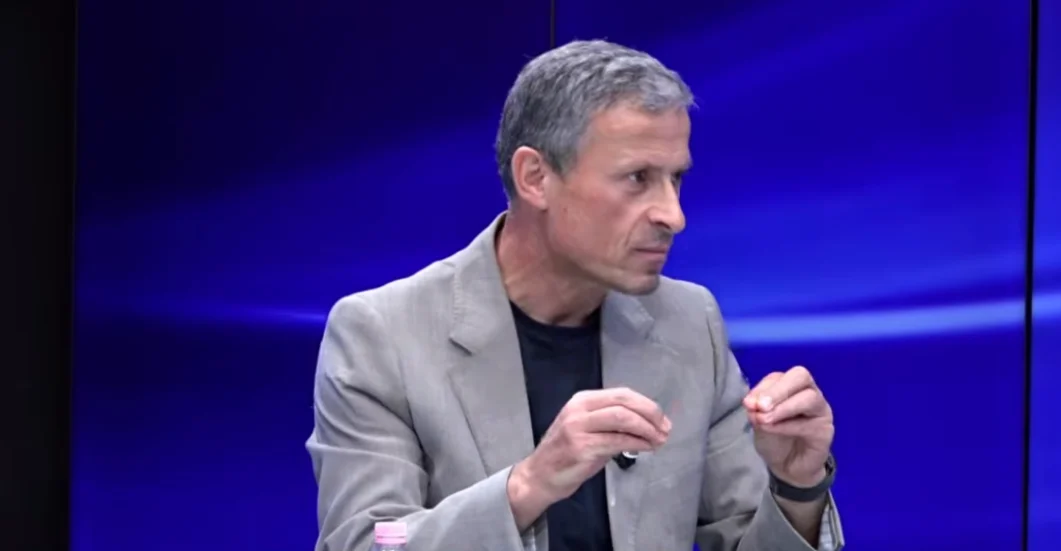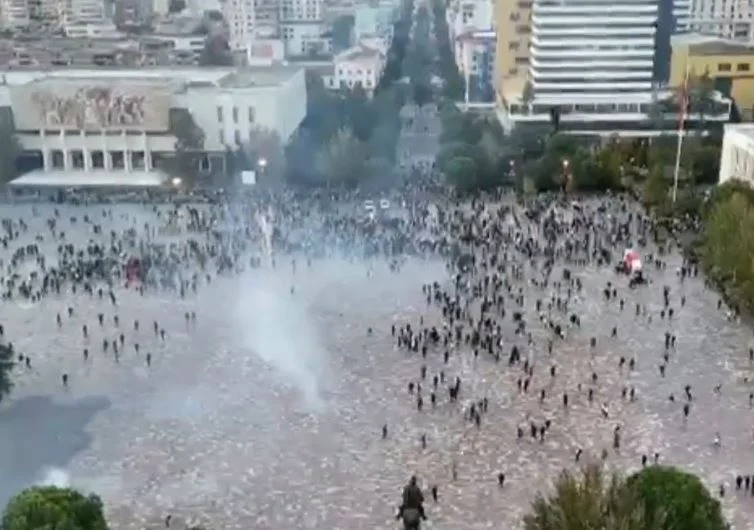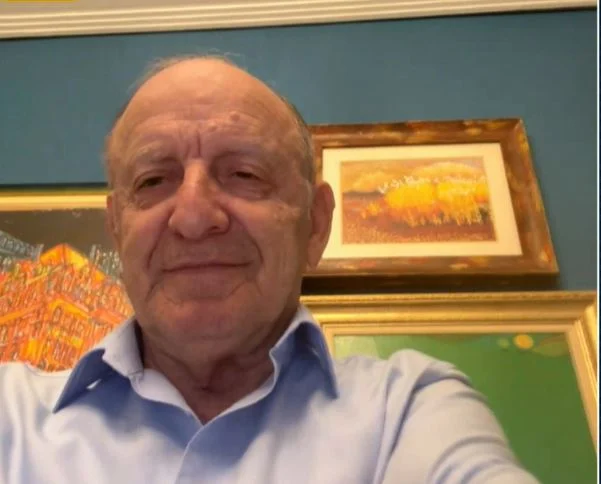
Tirana, Albania – October 15, 2026 – Amidst escalating student protests that have gripped the Albanian capital for the past two days, prominent political analyst Martin Leka has issued a stark warning, asserting that the demonstrations have devolved into a breeding ground for "nervousness and violence." Speaking in an interview for "Ora e Njëmbëdhjetë" on ABC News, Leka unequivocally stated that dialogue remains the only viable solution to de-escalate the volatile situation. He further leveled serious accusations against the leader of the Democratic Party (PD), Sali Berisha, claiming Berisha has not only "taken ownership" of the student movement but has also "come out in defense of violence," effectively attempting to hijack the genuine grievances of the students for political gain.
Leka’s analysis paints a grim picture of the current climate, suggesting that the protests are morphing into a scenario that plays directly into the hands of "enemies of Albania," hinting at external or internal forces seeking to destabilize the nation. His comments underscore a growing concern among observers regarding the trajectory of the protests and the potential for wider social and political repercussions. The analyst’s call for restraint and immediate, constructive engagement highlights the urgent need for all parties to step back from the brink and pursue peaceful resolution.
The Unfolding Crisis: A Chronology of Discontent
While the specific triggers and initial demands of the current wave of student protests were not detailed in the original report, Leka’s comments suggest an intense escalation over the preceding 48 hours. Typically, student protests in Albania, much like elsewhere, emerge from a confluence of factors, ranging from specific grievances related to educational policy – such as tuition fees, quality of teaching, or infrastructure – to broader socio-economic and governance issues like corruption, unemployment, and lack of future prospects.
In the context of the current unrest, Leka’s observation that the situation "resembles exactly the Albania that the enemies of Albania desire" suggests a rapid deterioration from peaceful dissent to a state of disorder. This phrase implies a concern that the protests, irrespective of their initial legitimate motivations, are being manipulated or are veering towards chaos that could serve agendas contrary to national stability. The analyst’s reference to "hot blood" needing to be careful not to create "nervousness and violence" indicates that emotions are running high among demonstrators, and there is a palpable risk of clashes, property damage, or other forms of unrest that could further inflame tensions.
The protests, initially understood to be a spontaneous expression of student grievances, appear to have reached a critical juncture where their nature and direction are now subject to intense scrutiny. The very act of Leka, a respected analyst, speaking out publicly indicates the seriousness with which the situation is being perceived within political and media circles.
Leka’s Incisive Analysis: The Seeds of Discord
Martin Leka’s critique delves deeper than merely observing the presence of violence; he attributes its emergence, in part, to a pervasive "nervousness" within the protests. This nervousness could stem from various sources: a perceived lack of official response to student demands, frustration over stalled dialogue, the presence of provocateurs, or the inherent tension when large groups gather, especially when political stakes are perceived to be high. The transition from peaceful assembly to acts of violence is often a complex process, fueled by a breakdown in communication, radicalization of certain elements, or external instigation.
Leka’s stark analogy – that the current state of protests reflects what "enemies of Albania" would desire – is a powerful rhetorical device. It suggests a fear of external meddling or internal forces exploiting legitimate grievances to sow discord and undermine national unity or democratic processes. In a region often susceptible to various forms of influence, such a warning resonates deeply within the political discourse, prompting questions about the underlying dynamics and potential beneficiaries of instability. It implies that beyond the immediate student demands, there might be a larger game at play, leveraging the protests as a proxy for broader political objectives or even geopolitical maneuvering.
The analyst’s direct admonition for "hot blood" to exercise caution is a plea for self-restraint among the protesters. It recognizes the genuine passion and frustration driving the students but warns against allowing these emotions to lead to destructive outcomes. This perspective acknowledges the legitimate basis of student anger while simultaneously cautioning against actions that could delegitimize their cause or lead to undesirable consequences, both for the students themselves and for wider society. The emphasis on preventing "nervousness and violence" highlights a precarious balance that needs to be maintained to ensure the protests remain within the bounds of democratic expression rather than descending into civil disorder.
The Shadow of Political Interference: Sali Berisha’s Role
Perhaps the most controversial aspect of Leka’s analysis is his direct accusation against Sali Berisha, the long-standing and often polarizing leader of the Democratic Party. Leka claims that Berisha has "taken ownership of the protest" and has "come out in defense of violence," thereby seeking to co-opt the student movement for his own political agenda. This accusation carries significant weight in Albanian politics, where accusations of political opportunism and the instrumentalization of public grievances are common, especially from opposition figures seeking to challenge the incumbent government.
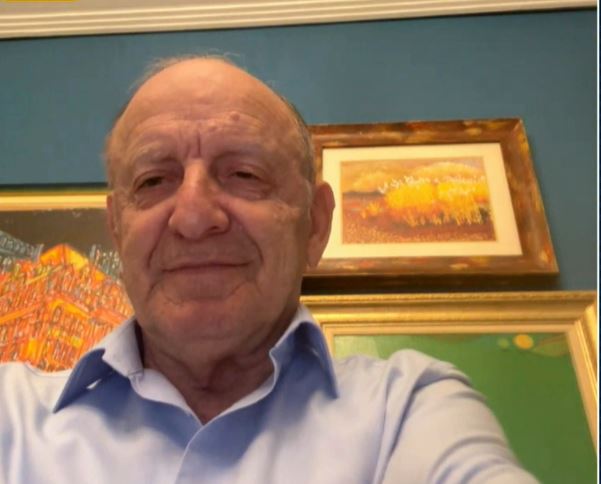
Sali Berisha’s political career spans several decades, marking him as one of the most enduring and influential figures in post-communist Albania. Having served as President and Prime Minister, his legacy is complex and contentious. He has been a central figure in many of Albania’s pivotal moments, from the democratic transition in the early 1990s to periods of profound political and social crisis, including the unrest of 1997. Critics often point to his past actions as indicative of a willingness to employ confrontational tactics, sometimes leading to heightened tensions or violence. It is this historical context that underpins Leka’s strong assertion that Berisha "should remain silent."
"We have been listening to Sali Berisha for 36 years," Leka remarked, implying a long history of rhetoric that, in his view, has translated into violence. This statement is a powerful indictment, suggesting that Berisha’s past actions and current rhetoric are intrinsically linked to the potential for unrest. The analyst argues that Berisha’s defense of violence provides further reason to conclude that he is the "last person who should speak about violence," given his track record.
Leka’s claim that Berisha is attempting to "hijack this protest" from the students, driven by a perceived "lack of support" for his own political standing, suggests a strategic move by the opposition leader. In this view, Berisha is attempting to leverage the raw energy and legitimate grievances of the student movement to bolster his political capital and challenge the government, potentially at the expense of the students’ original goals. This narrative is often seen when established political figures attempt to insert themselves into organic social movements, creating a dilemma for the movements themselves: accept the political endorsement and risk being seen as partisan, or reject it and potentially lose a powerful voice. Leka clearly advocates for the latter, seeing Berisha’s involvement as a detrimental force.
Beyond the Streets: The Specter of Hybrid Warfare
Leka’s mention of "hybrid warfare" as an element involved in the current protests adds another layer of complexity and concern. The term "hybrid warfare" describes a strategy that blends conventional military tactics with irregular warfare, cyberattacks, disinformation campaigns, economic pressure, and other destabilizing actions. In the context of domestic protests, it often refers to the manipulation of public sentiment, spread of misinformation, incitement of violence through various channels (including social media), and the exploitation of existing societal divisions by state or non-state actors.
If elements of hybrid warfare are indeed present, it implies that the student protests may be more than just a local expression of discontent. It suggests the possibility of coordinated efforts, potentially from external actors or well-resourced internal groups, to influence the narrative, escalate tensions, or steer the movement towards objectives that are not genuinely those of the students. This could manifest as:
- Disinformation Campaigns: Spreading false or misleading information about the government’s actions, the students’ demands, or the nature of the protests to polarize public opinion and incite anger.
- Cyber-Attacks/Social Media Manipulation: Using bots or troll farms to amplify certain messages, discredit opponents, or coordinate disruptive actions.
- Incitement of Violence: Directly or indirectly encouraging radical elements to engage in confrontational or destructive behavior to create a crisis.
- Exploitation of Grievances: Taking legitimate student concerns and twisting them into a broader anti-government narrative, making it harder to address the core issues.
The presence of such elements would profoundly complicate any efforts to resolve the crisis. It would transform a domestic political challenge into a broader national security concern, requiring a multi-faceted response that goes beyond traditional policing or political negotiation. It also raises the stakes significantly, as the integrity of the nation’s democratic processes and its internal stability could be at risk. Leka’s warning here is not to be taken lightly, suggesting that the crisis is more profound than it appears on the surface.
The Imperative for Dialogue: A Narrow Path to Resolution
In light of the escalating tensions and the complex layers of political maneuvering and potential hybrid warfare, Martin Leka firmly positions dialogue as the "only solution." This emphasis on negotiation reflects a fundamental principle of conflict resolution: that sustained communication between opposing parties is essential to understand grievances, identify common ground, and forge mutually acceptable compromises.
For dialogue to be effective in the current Albanian context, several critical conditions must be met:
- Willingness from All Parties: Both the student representatives and the government must demonstrate a genuine commitment to engage in good faith, listen to concerns, and be prepared to make concessions.
- Identification of Legitimate Representatives: For the students, this means identifying clear, credible leaders who can articulate their demands cohesively and command the respect of the broader student body. For the government, it means designating high-level officials with the authority to negotiate and implement agreements.
- Creation of a Neutral Space: Dialogue often requires a neutral facilitator or a setting perceived as unbiased to build trust and encourage open communication. Civil society organizations, academics, or even international observers could play a role in this regard.
- Clear Agenda and Objectives: The dialogue must have a structured agenda that addresses the core demands of the students while also considering the government’s constraints and responsibilities.
Leka’s call for "leaving open a path for the parties to dialogue" implies that current channels for communication might be blocked or insufficient. It suggests that both sides need to actively create opportunities for engagement, rather than allowing the situation to fester in the streets. The obstacles to such dialogue are significant: the political opportunism Leka highlighted, the heightened emotions among protesters, and the inherent difficulty of governments negotiating under pressure. However, the alternative – continued escalation and potential violence – is far worse, making dialogue not just an option, but a necessity.
Official Responses and Societal Reactions
While Leka’s interview focuses on the analyst’s perspective and his critique of the opposition leader, a comprehensive understanding of the situation requires considering the broader reactions.
Government’s Stance (Inferred): In similar situations, governments typically adopt a two-pronged approach. Initially, they might acknowledge the students’ legitimate right to protest while simultaneously condemning any acts of violence or vandalism. They would likely call for calm and order, urging students to return to their academic activities. The government might also express an openness to dialogue, but often on its own terms, perhaps through official channels or designated ministries, rather than direct, high-stakes negotiations with street protesters. Given Leka’s warnings about "hybrid warfare" and "enemies of Albania," the government might also issue warnings about external influences or political manipulation attempting to hijack the protests.
Students’ Demands (General): While the specific demands are not detailed, student protests are generally driven by a desire for improved educational conditions, reduced costs, better facilities, and often, a demand for greater accountability and transparency from public institutions. If the protests are indeed linked to broader governance issues, their demands might extend to anti-corruption measures or calls for systemic reform. The students’ primary leverage is their collective voice and their ability to disrupt public life, putting pressure on authorities to respond.
Civil Society and Public Opinion: Albanian civil society organizations often play a crucial role in mediating between protesters and the government, advocating for human rights, and monitoring the democratic process. They would likely echo the call for dialogue and peaceful resolution, emphasizing the importance of protecting democratic freedoms while also condemning violence. Public opinion, on the other hand, is often divided. While many citizens may sympathize with the students’ grievances, especially if they resonate with broader societal frustrations, there is also likely a segment that fears instability and violence, urging a swift return to normalcy. The longevity and nature of the protests would heavily influence public support.
Broader Implications: Stability, Democracy, and the Future
The escalating student protests, particularly when viewed through Martin Leka’s analytical lens, carry significant implications for Albania’s political stability, democratic processes, and its international standing.
Risk of Further Escalation: If dialogue fails to materialize or proves ineffective, the risk of further escalation is substantial. This could involve more widespread violence, greater property damage, and potentially, a more forceful response from law enforcement. Such a scenario could lead to a deeper political crisis, making it harder to find common ground and prolonging the period of instability.
Impact on Democratic Institutions: The alleged political hijacking of a genuine social movement, coupled with the specter of hybrid warfare, poses a direct threat to the integrity of Albania’s democratic institutions. When public dissent is perceived as being manipulated for partisan gain or by external forces, it erodes public trust in democratic processes, including the right to protest. It also makes it harder for legitimate grievances to be heard and addressed, as they become conflated with broader political battles.
International Image: Albania, an aspiring member of the European Union, is constantly under scrutiny regarding its adherence to democratic principles, rule of law, and political stability. Prolonged unrest, particularly if marked by violence and accusations of political opportunism, could negatively impact its international image and potentially hinder its progress towards EU integration. International partners typically advocate for peaceful resolution, respect for fundamental freedoms, and a robust democratic dialogue.
The Challenge of Distinguishing Genuine Grievances from Manipulation: One of the most insidious implications of Leka’s analysis is the difficulty it creates for observers, both domestic and international, to discern the authentic voice of the students from potential political manipulation or external influence. This ambiguity can delegitimize the entire movement, making it easier for authorities to dismiss demands and harder for genuine reforms to be enacted.
Responsibility of Political Leadership: Ultimately, the situation places a heavy burden of responsibility on Albania’s political leadership, both in government and opposition. The government is tasked with responding to legitimate grievances while maintaining order. The opposition, particularly figures like Sali Berisha, are called upon to act responsibly, upholding democratic norms rather than exploiting unrest for short-term political gains. Leka’s critique is a direct challenge to this responsibility, urging political actors to prioritize national stability and democratic principles over partisan interests.
Conclusion
The student protests in Albania have reached a critical juncture, as highlighted by analyst Martin Leka’s sobering assessment. His warnings of escalating nervousness and violence, coupled with accusations of political opportunism and the potential involvement of "hybrid warfare," paint a complex and concerning picture. The imperative for immediate and constructive dialogue between all parties – students, government, and civil society – has never been more urgent. Failure to open this path to negotiation risks further destabilization, undermining Albania’s democratic institutions and its aspirations for a stable, prosperous future. The eyes of the nation, and indeed the international community, are now fixed on Tirana, awaiting a demonstration of leadership and a commitment to peaceful resolution.