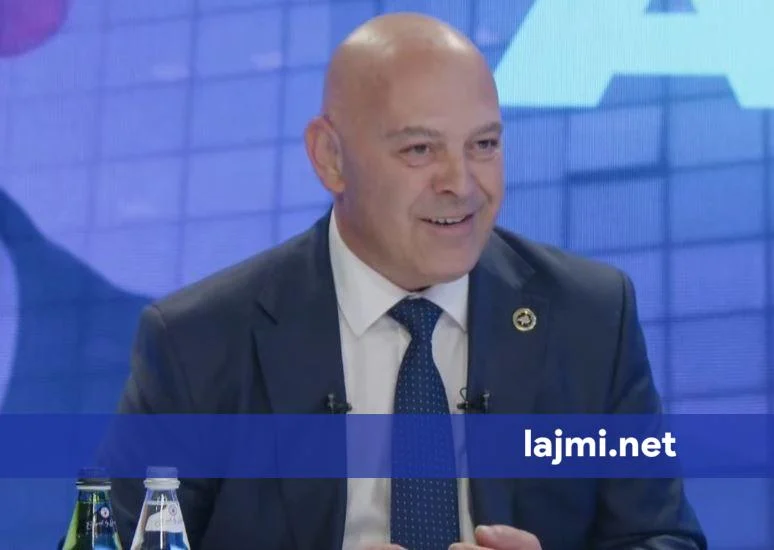
Tirana, Albania – Albania’s Minister of Interior, Ervin Demo, has strongly condemned the acts of violence that resulted in the injury of 51 State Police officers during the second day of a protest in Tirana. The minister’s denunciation followed his visit to the injured officers receiving medical care at the Trauma Hospital and was amplified through a statement released on social media, emphasizing the unacceptable nature of such aggression against law enforcement personnel.
The incident underscores the delicate balance between the constitutional right to protest and the imperative to maintain public order and safety. Minister Demo’s remarks highlighted the human cost behind the uniform, appealing for respect for the dedication and sacrifice of police officers who serve to ensure citizen security. The events have sparked a broader discussion on the conduct of protests, the responsibilities of participants, and the state’s role in managing civil unrest.
Main Facts
On a Wednesday, during the second consecutive day of a public protest that originated in front of the Ministry of Education building in Tirana, significant clashes erupted between demonstrators and law enforcement. These confrontations led to a substantial number of injuries among police personnel. Minister of Interior Ervin Demo promptly visited the wounded officers at the Trauma Hospital, where several were receiving urgent medical attention.
Subsequently, Minister Demo utilized social media platforms to issue a comprehensive statement, revealing that a total of 51 State Police employees sustained injuries during the day’s violent acts. He unequivocally stated that violence directed at State Police officers is entirely unacceptable and cannot be rationalized under any circumstances. The minister stressed that while the right to protest is a fundamental democratic guarantee, acts of aggression against those tasked with upholding law and order fall outside the legitimate scope of peaceful demonstration. His message underscored solidarity with the injured officers and their families, while reaffirming the government’s commitment to supporting its police force. Some of the more severely injured officers were transferred to the Military Hospital for specialized care, indicating the varying degrees of their injuries.
Chronology of Events
The recent unrest unfolded over two days in the Albanian capital, Tirana, culminating in the clashes that injured dozens of police officers. The protest initially gathered momentum on Tuesday, beginning its demonstration in front of the Ministry of Education building. While the initial motivations for the protest were not explicitly detailed in the minister’s statement, the chosen location often suggests grievances related to educational policies, student concerns, or broader social issues championed by youth and civil society groups.
Day One: Initial Mobilization and Tensions
The protest on its first day was characterized by a significant gathering of citizens, expressing their discontent with unspecified government policies or societal conditions. Typically, such demonstrations in Albania begin peacefully, with participants marching, chanting slogans, and holding banners. Law enforcement agencies, including the State Police, are routinely deployed to manage traffic, ensure the safety of both protesters and the general public, and to monitor the proceedings. On this first day, while tensions may have been present, no major incidents of violence or significant injuries were reported, suggesting a relatively controlled environment despite the large turnout. Police presence would have been visible, strategically positioned to manage crowds and prevent any escalation.
Day Two: Escalation and Violent Clashes
The situation drastically changed on Wednesday, the second day of the protest. What began as a continuation of the previous day’s demonstration quickly devolved into acts of violence. Reports indicate that the confrontations escalated significantly, moving beyond verbal exchanges to physical altercations. The nature of the violence, though not fully detailed, likely involved the throwing of various objects at police lines, attempts to breach police cordons, and direct physical confrontations. Such incidents often arise from a combination of factors: an increase in crowd size, the presence of more aggressive elements within the protest, a perceived lack of response from authorities to demands, or a breakdown in communication between protest organizers and police.
Police officers, equipped with riot gear, were tasked with containing the unrest and preventing damage to public property, particularly government buildings in the vicinity. The sustained nature of the clashes resulted in a large number of officers sustaining injuries. These injuries, as confirmed by Minister Demo, ranged in severity, requiring immediate medical attention. The fact that some officers were transferred to the Military Hospital implies more serious trauma, potentially fractures, head injuries, or other significant wounds requiring specialized treatment beyond what a general trauma hospital might provide for minor injuries. The intensity and duration of the clashes on this second day represent a significant breakdown in public order, prompting a strong official response from the highest levels of government. The events of this Wednesday effectively transformed a peaceful assembly into a scene of widespread disorder and injury.
Supporting Data and Context
The recent clashes in Tirana are not isolated incidents but rather reflective of a broader pattern of social and political unrest that occasionally grips Albania. Protests, driven by a myriad of factors ranging from economic hardship and corruption allegations to specific government policies and environmental concerns, are a recurring feature of the country’s democratic landscape.
Context of Protests in Albania:
Albania, a young democracy transitioning from a communist past, has a vibrant but sometimes volatile protest culture. Citizens frequently take to the streets to voice grievances. These protests can range from small, localized demonstrations to large-scale national movements. Common triggers include:
- Economic Issues: High unemployment, cost of living, energy prices, and perceived government mismanagement of the economy.
- Governance and Corruption: Allegations of corruption, lack of transparency, and perceived impunity for powerful figures.
- Environmental Concerns: Protests against construction projects, damming of rivers, or pollution.
- Social Justice: Demands for better public services, human rights issues, or specific social reforms.
- Political Discontent: Protests organized by opposition parties against government policies or election outcomes.
The specific protest leading to the recent injuries, originating in front of the Ministry of Education, could potentially be linked to student grievances, educational reforms, tuition fees, or even broader youth unemployment concerns that often manifest through student-led initiatives.
The Role of Police in Maintaining Order:
The State Police in Albania, like law enforcement agencies globally, are mandated to maintain public order, protect property, and ensure the safety of all citizens, including those participating in protests. Their duties during demonstrations include:
- Facilitating Peaceful Assembly: Ensuring that protesters can exercise their right to free expression without undue interference.
- Containing Disorder: Preventing protests from turning violent, dispersing unlawful assemblies, and apprehending individuals engaging in criminal acts.
- Protecting Infrastructure: Safeguarding government buildings, businesses, and public utilities from damage.
- Ensuring Public Safety: Managing traffic and ensuring the safety of bystanders and non-protesting citizens.
The use of force by police is a highly regulated and sensitive issue. International standards and Albanian law dictate that force must be necessary, proportionate, and used only as a last resort. Training for riot control and crowd management aims to de-escalate situations and minimize harm. However, when protests turn violent, officers often face difficult and dangerous circumstances, as evidenced by the 51 injuries reported.
Legal Framework for Protests and Use of Force:
The Albanian Constitution guarantees the right to peaceful assembly without prior permission, though organizers are generally required to notify authorities in advance. This notification allows police to plan for crowd management and allocate resources. The Criminal Code outlines penalties for disturbing public order, assaulting police officers, and damaging property. For law enforcement, the Law on State Police and various internal regulations govern the use of force, including batons, tear gas, and other crowd control measures. These regulations emphasize proportionality and the principle of necessity. The severe number of injured officers suggests that the force used by some protesters was significant and went beyond peaceful dissent.
Public Perception and Challenges:
Public perception of both protests and police can be complex and polarized in Albania. While many citizens value the right to protest as a cornerstone of democracy, there is also widespread concern about property damage, disruption to daily life, and the potential for violence. Similarly, police often walk a fine line: they are expected to be firm in maintaining order but also to respect civil liberties. Incidents where officers are injured can evoke public sympathy for law enforcement, while instances of perceived excessive force by police can erode public trust and fuel further discontent. The media plays a crucial role in shaping these perceptions, and often, narratives can become deeply divided along political lines.
The fact that 51 officers were injured highlights a significant challenge for internal security and underscores the need for effective strategies to de-escalate tensions and prevent violence during public demonstrations. It also brings into sharp focus the personal risks undertaken by those in uniform who are on the front lines of maintaining public order. The events underscore the fragility of peace when public discontent boils over into aggressive confrontations.
Official Responses
The immediate and robust response from Minister of Interior Ervin Demo was central to the official narrative following the violent clashes. His actions and statements served to articulate the government’s stance, express solidarity with law enforcement, and condemn the aggression.
Minister Ervin Demo’s Comprehensive Statement:
Minister Demo’s full statement, shared across social media platforms, was both a factual update and a powerful message of condemnation and support. He began by confirming the stark figures: "51 State Police employees were injured during today’s acts of violence. Several of them are currently in the Military Hospital, where they are receiving the necessary medical care." This immediate acknowledgment of the casualties set a serious tone for his message.
He then humanized the officers, a crucial element in garnering public sympathy and understanding: "Behind every uniform is a human being. A parent, a son, a daughter, a family member who left home to fulfill their duty and guarantee the safety of citizens." This poignant reminder sought to shift the public discourse from an abstract "police force" to individual men and women performing a public service, emphasizing their personal sacrifices.
The core of his message was an unequivocal condemnation of the violence: "Violence against State Police employees is unacceptable and cannot be justified under any circumstances. The right to protest is guaranteed, but violence against those whose duty it is to protect order and security is not, and can never be, a part of it." This statement meticulously balanced the constitutional right to protest with the boundaries of lawful conduct, clearly distinguishing between peaceful dissent and criminal aggression.
Minister Demo extended gratitude and respect: "Gratitude and respect for every police employee who today, facing violence and danger, stood at the forefront of duty with professionalism, dedication, and responsibility." This commendation aimed to bolster morale within the police ranks and project an image of a professional and resilient force.
He concluded with a message of care and appreciation: "I wish a speedy recovery to all the injured officers. We are close to you and your families. Behind the uniform is the human. Behind the duty is the sacrifice. And this sacrifice deserves everyone’s respect." This reiterated the government’s support for the officers and their families, while appealing to the broader public for recognition of their difficult role.
Broader Government and Political Reactions:
Beyond Minister Demo’s direct statement, such incidents typically elicit responses from other governmental figures and political entities.
- Prime Minister’s Office: It is highly probable that the Prime Minister’s office would echo the Interior Minister’s sentiments, condemning the violence and reiterating commitment to law and order. Such statements often emphasize the rule of law and the inviolability of state institutions.
- Other Ministries: Ministries responsible for public health might issue updates on the condition of the injured, while those overseeing public safety would reinforce the message of zero tolerance for violence against public officials.
- Opposition Parties: Opposition parties often navigate a complex path. While they might generally condemn violence, they could also use the opportunity to criticize the government’s handling of the protest, the underlying reasons for public discontent, or perceived heavy-handedness by the police. Some might call for independent investigations into the circumstances that led to the escalation.
- Human Rights Organizations: Local and international human rights groups would likely monitor the situation closely, advocating for adherence to human rights standards by both protesters and police. While condemning violence against officers, they would also emphasize the importance of protecting the right to peaceful assembly and ensuring that police response is proportionate.
The unified message from the government, led by Minister Demo, underscores a firm stance against any acts that undermine public order and endanger law enforcement personnel. It seeks to reinforce the authority of the state while acknowledging the human element of its security apparatus.
Implications
The violent clashes in Tirana and the subsequent injury of 51 police officers carry significant implications across various facets of Albanian society, politics, and its international standing. These events are likely to trigger both immediate and long-term consequences, shaping public discourse and government policy.
Impact on Police Morale and Public Trust:
The sheer number of injured officers undoubtedly impacts the morale of the State Police force. Such incidents can be demoralizing, highlighting the dangers inherent in their duties and potentially leading to burnout or a sense of being undervalued. Minister Demo’s visit and statement were crucial in attempting to mitigate this by showing government support and appreciation. Conversely, the events can also solidify a sense of camaraderie and resolve within the force.
For the public, the implications are more complex. While many citizens may sympathize with injured officers, particularly when violence is perceived as unprovoked, others might view the incident through a lens of state authority versus citizen rights. This polarization can erode overall public trust in both the police’s ability to manage protests without escalation and the public’s willingness to engage in peaceful dissent without fear of confrontation. The incident could also reinforce existing negative stereotypes about protests turning violent, potentially deterring future peaceful assemblies.
Potential for Further Unrest and Political Ramifications:
Such violent confrontations often act as catalysts for further unrest. If the underlying grievances that sparked the protest remain unaddressed, or if the government’s response is perceived as overly punitive, it could fuel more demonstrations. The cycle of protest and counter-response can become entrenched, destabilizing the political climate.
Politically, the government faces pressure to demonstrate its capacity to maintain order while upholding democratic freedoms. Failure to do so could lead to increased criticism from the opposition, potentially impacting the government’s approval ratings and electoral prospects. The opposition, on the other hand, must carefully balance its condemnation of violence with its role as a voice for public grievances, without appearing to condone illegal acts. The incident could become a significant talking point in parliamentary debates and future election campaigns, with both sides leveraging it to their advantage.
Calls for Investigation and Accountability:
Following incidents of this magnitude, there are invariably calls for thorough investigations. These investigations would aim to:
- Ascertain the precise sequence of events: Who initiated the violence? What actions were taken by both protesters and police?
- Identify perpetrators of violence: Law enforcement agencies would likely launch investigations to identify and prosecute individuals responsible for assaulting officers or damaging property.
- Review police conduct: Human rights organizations and civil society groups might call for an independent review of the police response to ensure that force used was proportionate and in line with legal and ethical standards.
- Address underlying causes: A more comprehensive inquiry might seek to understand the root causes of the protest’s escalation to prevent future occurrences.
Accountability on both sides – for those who perpetrated violence and for any potential misconduct by police – is crucial for restoring public confidence and upholding the rule of law.
Debate on Protest Rights vs. Public Order:
The incident will undoubtedly intensify the ongoing debate in Albania, and indeed in many democracies, about the appropriate balance between the right to protest and the need to maintain public order. This debate often involves questions such as:
- What constitutes a peaceful protest, and at what point does it cross into unlawful assembly?
- What are the legitimate limits on police power in managing demonstrations?
- How can authorities facilitate peaceful dissent while effectively deterring and responding to violence?
- What responsibilities do protest organizers have in ensuring their demonstrations remain peaceful?
This incident serves as a stark reminder that these are not abstract legal questions but have real-world consequences for individuals and the state.
International Community’s Potential Reaction:
Albania, as a candidate country for European Union membership, is under scrutiny from international bodies regarding its adherence to democratic principles, human rights, and the rule of law. Violent clashes during protests, particularly those resulting in numerous injuries to law enforcement, can attract the attention of international organizations such as the European Commission, the Council of Europe, and human rights NGOs like Amnesty International or Human Rights Watch.
These bodies would likely issue statements urging all parties to exercise restraint, respect human rights, and ensure thorough investigations. While they would condemn violence against police, they would also emphasize the importance of protecting the right to peaceful assembly and ensuring that any police response is proportionate and in line with international standards. The country’s progress towards EU integration could be indirectly influenced by how effectively and transparently it manages such internal security challenges.
In conclusion, the events of this Wednesday are more than just an isolated incident of unrest. They represent a significant challenge to Albania’s democratic stability, testing its institutions’ ability to manage dissent, uphold the rule of law, and protect its citizens and public servants alike. The path forward will require careful deliberation, robust investigation, and a commitment from all stakeholders to de-escalation and constructive dialogue.