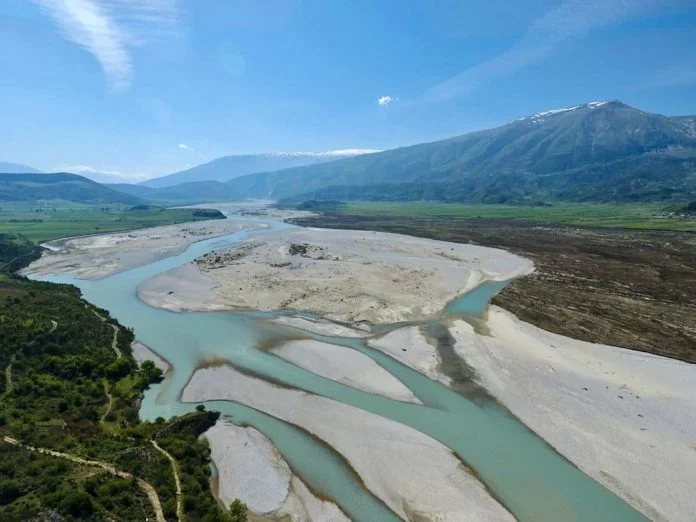
TIRANA, Albania – In an era where human intervention has drastically altered natural landscapes across the globe, the Vjosa River in Albania stands as a rare testament to untamed wilderness. With its wild, ever-changing waters, impressive canyons, and therapeutic thermal springs, the Vjosa offers a unique and unparalleled opportunity for the development of natural and adventure tourism, simultaneously embodying a triumph for European river conservation. Its pristine state has captured international attention, notably from the Catalan media outlet "MónTerrassa," which recently spotlighted the Vjosa Valley’s natural treasures and the profound experiences it offers visitors, from exhilarating water activities to the serene exploration of its surrounding landscapes and natural monuments.
Unlike the vast majority of European waterways, the Vjosa remains a free-flowing river, unencumbered by the large dams and barriers that fragment and restrict the natural dynamics of river ecosystems. This remarkable preservation of its wild character makes it a natural marvel and a critical ecological asset, underscoring the vital importance of protecting riverine ecosystems. The culmination of decades of tireless advocacy saw Albania declare the Vjosa as Europe’s first Wild River National Park in 2023, a landmark decision that set a new precedent for river protection on the continent and secured the future of this irreplaceable natural heritage.
Main Facts: A River Unbound
The Vjosa River, often hailed as Europe’s "last wild river," represents an ecological sanctuary of immense value. Originating in the Pindus Mountains of Greece, where it is known as Aoos, the river embarks on a 272-kilometer journey, with 192 kilometers winding through Albanian territory before emptying into the Adriatic Sea. What distinguishes the Vjosa is its largely unhindered flow from source to sea, a phenomenon increasingly rare across Europe. This uninterrupted dynamism allows for natural hydrological processes, including sediment transport and constant riverbed reconfiguration, which are crucial for maintaining its rich biodiversity.
The establishment of the Vjosa Wild River National Park in 2023 was not merely a ceremonial act; it was a strategic move to safeguard a unique aquatic system and its adjacent terrestrial habitats. The park encompasses the main stem of the Vjosa and several of its tributaries, creating a vast protected area that spans diverse ecosystems, from glacial valleys and narrow gorges to wide braided plains and a coastal delta. This designation directly counters decades-long threats from proposed dam and hydropower projects that would have irrevocably altered the river’s character and devastated its ecological integrity.
The allure of the Vjosa extends beyond its scientific significance. For adventurers and nature enthusiasts, it presents an untouched playground. Its turbulent upper reaches are ideal for white-water rafting and kayaking, while its calmer sections offer opportunities for serene exploration. The presence of natural thermal springs, such as those at Bënja near the historic Kadiut Bridge, adds another dimension to its tourism appeal, blending natural beauty with therapeutic benefits and cultural heritage. This combination positions the Vjosa as a premier destination for sustainable ecotourism, offering authentic experiences that connect visitors deeply with nature and local culture.
Chronology: A River’s Fight for Freedom
The story of the Vjosa River is one of ancient natural processes clashing with modern development ambitions, ultimately leading to a triumphant conservation victory. For millennia, the Vjosa has carved its path through the Balkan landscape, its flow dictated only by natural forces. Its journey begins high in the Greek Pindus Mountains, where melting snows and abundant rainfall feed its nascent streams. Even a small dam in its Greek upper reaches, a historical anomaly, has failed to subdue the river’s wild spirit, as numerous karst springs continuously replenish its flow, ensuring its powerful surge into Albania.
The modern era, however, brought new challenges. As energy demands grew across Europe in the late 20th and early 21st centuries, the Vjosa, like many other rivers in the Balkans, became a target for hydropower development. Plans for multiple large-scale dams and hydroelectric power plants emerged, threatening to fragment its free-flowing status and transform its vibrant ecosystems into stagnant reservoirs. These projects, often touted for their economic benefits, failed to account for the immense and irreplaceable ecological and social costs.
The impending threat galvanized a robust coalition of environmental organizations, scientists, and local communities. For nearly three decades, groups such as EcoAlbania, Riverwatch, EuroNatur, WWF, and Patagonia spearheaded a relentless campaign to "Save the Vjosa." This movement employed a multi-pronged approach, combining scientific research to highlight the river’s unique biodiversity, legal challenges against proposed dam projects, and widespread public awareness campaigns. International media attention, celebrity endorsements, and grassroots activism played crucial roles in elevating the Vjosa’s plight to a global stage. Petitions garnered hundreds of thousands of signatures, and protests were held both locally and internationally, putting significant pressure on the Albanian government.
A pivotal moment arrived in 2022 when the Albanian government, under increasing international and domestic pressure, announced its intention to declare the Vjosa and its tributaries a National Park. This commitment culminated in March 2023, with the official declaration of the Vjosa Wild River National Park. This landmark decision marked the first time an entire river system of this scale and ecological significance in Europe was granted national park status specifically for its "wild river" characteristics. The declaration was hailed as a monumental achievement, not just for Albania, but as a potential blueprint for river conservation efforts worldwide. It solidified Albania’s commitment to protecting its natural heritage and positioned the country as a leader in environmental stewardship.
Supporting Data: The Pulse of a Wild Ecosystem
The scientific data underpinning the Vjosa’s unique status paints a vivid picture of its ecological importance. A groundbreaking study published in the scientific journal "Nature" revealed the shocking reality of European rivers: across 36 European countries, approximately 1.2 million river barriers have been identified, translating to an average obstruction every 1.35 kilometers. In this heavily fragmented continent, the Vjosa stands as an extraordinary anomaly, a rare example of a river that maintains its natural hydrological and geomorphological dynamics.
Dynamic River Morphology:
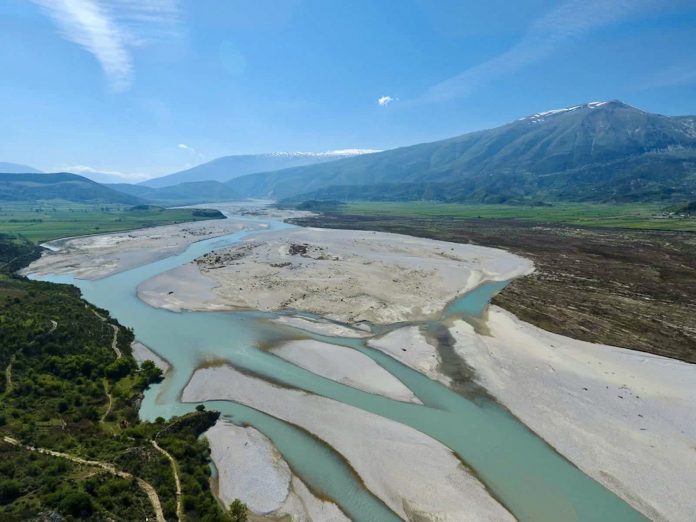
One of the Vjosa’s defining characteristics is its active and ever-changing riverbed. In segments like that between Poçem and Kalivaç, the active riverbed can vary in width from a remarkable 400 to 1,000 meters. This expansive and fluid channel allows the river to constantly reshape its course, forming new meanders, gravel bars, and islands. These continuous changes directly influence the formation of diverse aquatic and riparian habitats. Data cited in the "MónTerrassa" article indicates that, annually, between 10% and 20% of the river’s branches and habitats can undergo significant alterations. This dynamic process ensures the regeneration of natural environments in cycles ranging from five to ten years, playing a fundamental role in maintaining the river’s rich biodiversity.
Sediment Transport and Habitat Creation:
The Vjosa’s free flow also facilitates the immense transport of sediments. Near Poçem, the river carries an astonishing five million tons of sediment annually. This massive sediment load is not merely geological debris; it is a lifeblood for the ecosystem, shaping the riverbed, banks, and surrounding habitats. These processes are crucial for creating new spawning grounds, nursery areas for fish, and diverse microhabitats essential for a wide array of species. Without the natural transport of sediment, the ecological balance would be severely disrupted, leading to habitat degradation and loss of biodiversity.
A Biodiversity Hotspot:
The Vjosa river system and its basin are home to an incredible array of life, hosting over 1,600 identified species. This includes a multitude of aquatic and terrestrial organisms, many of which are endangered or endemic.
- European Eel: Among the most emblematic species dependent on the Vjosa’s free flow is the critically endangered European eel (Anguilla anguilla). This fascinating species undertakes an epic migratory journey, spawning in the Sargasso Sea and migrating thousands of kilometers to freshwater rivers like the Vjosa to mature, before returning to the sea to reproduce. Its lifecycle absolutely depends on an uninterrupted connection between the river’s freshwater reaches and the Adriatic Sea, which dams would irrevocably sever.
- Avian Diversity: The Vjosa basin is a haven for avian life, supporting nearly 300 bird species. This includes the highly specialized sand martin (Riparia riparia), which relies on the river’s eroding banks to create its nesting colonies. Other notable species include various raptors, herons, and migratory birds that utilize the river and its wetlands as crucial resting and feeding grounds.
- Mammalian Presence: In the upper, more mountainous regions of the basin, the presence of large mammals such as brown bears (Ursus arctos) and grey wolves (Canis lupus) testifies to the health and vastness of the ecosystem. These apex predators require large, undisturbed habitats, indicating a robust and interconnected natural environment that extends far beyond the riverbanks.
- Flora and Other Fauna: Beyond the charismatic megafauna, the river supports a complex web of life, including diverse fish species, amphibians, reptiles, and invertebrates, as well as a rich variety of riparian vegetation adapted to the dynamic floodplains.
Geographic Tapestry:
The Vjosa’s journey through Albania is a geographical spectacle. After entering Albanian territory, it carves through the dramatic Këlcyrë Gorge, a deep and narrow canyon that showcases the river’s raw power. Further downstream, it transitions into wider, braided sections before finally spreading out across the Myzeqe Plain, creating a mosaic of wetlands, oxbow lakes, and a dynamic delta where it meets the Adriatic Sea. Each segment of its journey fosters unique habitats, from the fast-flowing, oxygen-rich waters of the gorges to the slow-moving, sediment-rich waters of the plains and delta.
Official Responses and Conservation Efforts
The declaration of the Vjosa Wild River National Park in 2023 represents a culmination of concerted efforts by various stakeholders, marking a significant official response to the urgent need for river conservation.
Albanian Government’s Vision: The Albanian government, under Prime Minister Edi Rama, officially declared the Vjosa and its main tributaries as a National Park. This decision was framed not just as a national environmental policy, but as a commitment to a global cause. The stated goals of the park’s establishment were clear: to preserve a unique aquatic system of exceptional ecological significance, to guarantee the continuity of natural processes that define its development, and to serve as a model for sustainable development. The government’s decision reflected a recognition of the Vjosa’s intrinsic value and its potential as an asset for ecotourism and scientific research, moving away from short-term hydropower gains.
International and Local Advocacy: The path to this declaration was paved by nearly three decades of relentless advocacy from a powerful coalition of environmental organizations.
- EcoAlbania: As the leading local NGO, EcoAlbania played a critical role in mobilizing local communities, conducting scientific studies, and lobbying the government.
- Riverwatch and EuroNatur: These international conservation organizations provided crucial scientific expertise, strategic guidance, and international fundraising support, spearheading the broader "Save the Blue Heart of Europe" campaign which included the Vjosa.
- WWF (World Wide Fund for Nature): Contributed to scientific assessments and public awareness.
- Patagonia: The outdoor clothing company became a prominent corporate ally, using its marketing power and financial resources to raise global awareness and support the campaign, framing it as a fight against "dirty energy" and for wild rivers.
- Scientists and Academics: Numerous scientists, including those whose work was published in journals like "Nature," provided irrefutable data on the Vjosa’s ecological importance, helping to counter the arguments for dam construction. Alejandro Martín-Sanz de Santamaría’s article in "MónTerrassa" exemplifies how scientific insights are translated for broader public understanding and international recognition.
Role of Catalan Media: The attention from "MónTerrassa" and the article by Alejandro Martín-Sanz de Santamaría are examples of how international media plays a crucial role in amplifying conservation stories. By bringing the Vjosa’s narrative to a Catalan and broader European audience, they contribute to raising awareness, fostering appreciation for wild natural spaces, and potentially influencing other regions to consider similar conservation strategies. This media exposure reinforces the global significance of the Vjosa’s protection.
Community Engagement: Local communities along the Vjosa, whose livelihoods and cultural heritage are intrinsically linked to the river, were vital allies in the conservation struggle. Fishermen, farmers, and residents understood the direct impact that dam construction would have on their way of life. Their voices, often amplified by NGOs, added a powerful human dimension to the conservation narrative, highlighting the social implications of environmental degradation. The park designation aims to provide alternative sustainable economic opportunities for these communities through ecotourism.
Implications: A Blueprint for Sustainable Futures
The establishment of the Vjosa Wild River National Park carries profound implications, not only for Albania but also for the future of river conservation globally. It represents a paradigm shift, moving away from a development model that prioritizes short-term economic gains over long-term ecological health.
Ecotourism and Local Development: The park designation is set to unlock the full potential of the Vjosa as a premier destination for natural and adventure tourism.
- Adventure Activities: The Përmet region, known as the "City of Roses," is already a hub for white-water rafting and kayaking, drawing adrenaline seekers to its exhilarating rapids. The park status will enhance infrastructure and safety, making these activities more accessible and sustainable.
- Wellness and Culture: The thermal springs of Bënja, located near the picturesque Ottoman-era Kadiut Bridge and the entrance to the dramatic Langarica Canyon, offer unique opportunities for wellness tourism, blending natural therapy with historical and cultural exploration.
- Exploration and Wildlife Viewing: Hiking, birdwatching, and exploring the diverse landscapes, from the rugged mountains to the sprawling delta, will become key attractions. The historic Ali Pasha’s Castle in Tepelenë, perched above the confluence of the Vjosa and Drino rivers, offers breathtaking panoramic views and a glimpse into Albania’s rich past, integrating cultural heritage into the natural experience.
- Economic Empowerment: Crucially, sustainable tourism development is expected to provide significant economic benefits to local communities, creating jobs and fostering local entrepreneurship, ensuring that the protection of the river directly translates into improved livelihoods for those who live along its banks. This model emphasizes community-based tourism, where local residents are active participants and beneficiaries.
A Model for River Protection: The Vjosa Wild River National Park sets a groundbreaking precedent for river conservation in Europe and beyond. In a continent where most rivers are heavily modified, the Vjosa offers a living laboratory for scientific research into natural river processes and a powerful argument for the intrinsic value of free-flowing rivers. It demonstrates that with sustained advocacy, scientific evidence, and political will, even the most threatened natural assets can be protected. This success story can inspire and inform similar campaigns for other threatened rivers globally, particularly in the Balkans, which still harbors a significant number of relatively untouched waterways.
Future Challenges and Long-term Stewardship: While the park declaration is a monumental victory, the long-term preservation of the Vjosa’s natural values requires continuous vigilance and effective management.
- Enforcement and Monitoring: The park management authority will need robust resources and capacity to effectively monitor the vast area, enforce regulations, and combat potential threats such as illegal poaching, pollution, or unauthorized construction.
- Sustainable Development: Balancing the growing interest in tourism with the imperative of conservation will be a delicate act. Developing sustainable infrastructure, managing visitor flows, and ensuring that tourism activities do not degrade the natural environment will be ongoing challenges.
- Cross-border Cooperation: Given that the Vjosa originates in Greece as the Aoos, effective cross-border cooperation between Albania and Greece will be essential for holistic management of the entire river basin. This includes coordinated efforts on water quality, biodiversity protection, and sustainable resource management.
- Climate Change: The Vjosa, like all natural systems, will face the impacts of climate change, including altered precipitation patterns and potential changes in water flow. Adaptive management strategies will be crucial to ensure the river’s resilience.
The Vjosa remains a vibrant example of the invaluable ecological functions and services that free-flowing rivers provide. Its dynamic sediment transport, constant reshaping of the riverbed, and the creation of diverse habitats—from sandbanks and wetlands to brackish zones and lagoons near its delta—are all critical for the survival of countless species. Any interventions that hinder its flow and sediment transport could disrupt the delicate equilibrium of this ecosystem and threaten the myriad life forms that depend on its natural rhythms.
Ultimately, the Vjosa’s journey from a threatened waterway to a protected Wild River National Park underscores a profound truth: the protection of our planet’s natural heritage is not just an environmental issue, but a fundamental pillar of sustainable development and human well-being. It highlights the critical importance of collaboration among institutions, environmental organizations, and local communities to ensure that economic and touristic development does not compromise our invaluable natural assets. The Vjosa stands as a beacon of hope and a powerful testament to the value of letting nature flow free.