By Kyle Pope
As we move through 2026, the climate narrative has shifted from a distant warning to an inescapable reality. From the visceral imagery of melting glaciers to the terrifying frequency of historic wildfires and unprecedented, deadly heatwaves, the planetary alarm is sounding louder than ever. Yet, beneath the clamor of these headlines lies a chilling, sobering fact: for the vast majority of the human population, 2026 will likely be remembered as the coolest year of the rest of their lives.
Each year, we observe a grim progression where new temperature records are set, only to be dismantled by the following year’s data. With the El Niño weather pattern exerting its influence on global temperatures, scientists are warning that we are on the precipice of shattering previous heat records, pushing the planet well past the "safe" thresholds that climate experts have spent decades trying to protect.
In this climate of uncertainty, many citizens feel a profound sense of helplessness. Governments, particularly those tethered to the interests of petro-states, often appear paralyzed or actively obstructive. Individual lifestyle changes, while meaningful in a personal capacity, can feel like trying to empty the ocean with a thimble when compared to the industrial-scale destruction being wrought. However, there is a potent, often overlooked solution to this existential crisis: journalism.
The Role of Journalism in the Climate Era
Journalism is more than just the transmission of information; it is the fundamental infrastructure upon which public understanding is built. To solve the climate crisis, we must first accurately comprehend what is happening, identify the drivers of this destruction, and hold the entities responsible accountable. There are, indeed, villains in this story—those who have prioritized short-term profit over the stability of the biosphere—and journalism is the tool required to name them.
Tuning out is a luxury we no longer possess. Ignoring the science does not make the reality of a warming planet vanish; it only serves to ensure that we remain unprepared for the consequences. For the past seven years, the non-profit organization Covering Climate Now has been analyzing how global media outlets handle climate reporting, working to bridge the gap between complex scientific data and the public’s need for actionable information.
The 89% Majority: A Sleeping Giant
The most persistent myth in media circles is that audiences are "bored" or "fatigued" by climate news. The reality is quite the opposite. Peer-reviewed data suggests that approximately 89% of people worldwide are not only deeply concerned about the climate crisis but actively desire government intervention to mitigate it.
The crisis, therefore, is not a lack of public will; it is a crisis of isolation. Most of these individuals believe they are in the minority—siloed and sidelined—unaware that their neighbors, colleagues, and fellow citizens share the same profound anxieties and desires for change. Because this "climate majority" feels fragmented, they fail to act as a cohesive political force. They are not voting as if they are part of a global movement for change, because they do not realize that the movement already exists.
This is the void that journalism must fill. By profiling the 89% and amplifying their voices, newsrooms can demonstrate that the consensus for climate action is not a fringe position—it is the status quo.
A Chronology of Media and the Climate Crisis
To understand where we are, we must look at how the media has evolved in its coverage of the planet:
- 1990s – Early 2000s: Climate change was often treated as a "debate" or a future theoretical concern, frequently subjected to "both-sidesism," where scientific consensus was balanced against industry-funded denial.
- 2010s: As the physical impacts of climate change became more frequent, newsrooms began to adopt more serious tones, though climate coverage remained largely confined to dedicated science or environmental beats rather than being integrated into business, politics, and lifestyle reporting.
- 2020 – 2024: The onset of extreme weather events—from the 2021 Pacific Northwest heat dome to the 2023 Mediterranean wildfires—forced climate change into the mainstream news cycle.
- 2025: Despite record-breaking temperatures and public interest, a concerning trend emerged where some media outlets shied away from the "climate" label, fearing reader fatigue or political polarization.
- 2026 and Beyond: We are currently in a pivot point. Journalism is beginning to move away from "doom-scrolling" coverage toward solutions-oriented, investigative reporting that connects the 89% to the political process.
The Disinformation Machine
The primary obstacle to this enlightenment is a deliberate, well-funded effort to distort reality. For decades, the fossil fuel industry has funneled hundreds of millions of dollars into public relations campaigns designed to sow doubt. These campaigns have not merely been about denying science; they have been about eroding the very foundation of trust in news media.
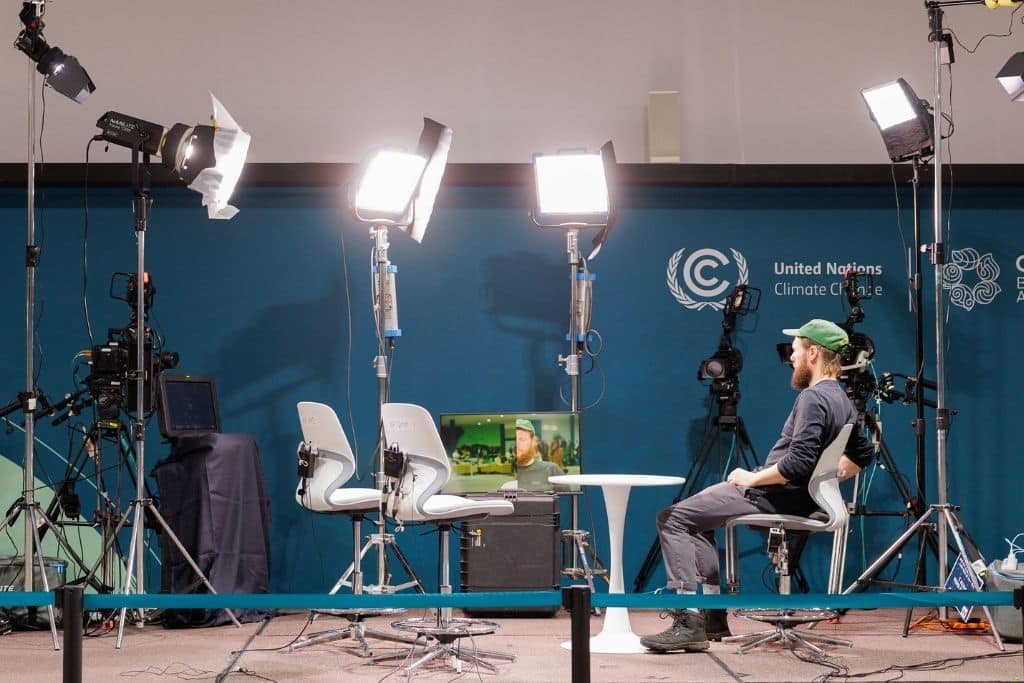
The rise of digital media and social platforms has acted as a catalyst for this strategy. Climate lies are now algorithmically amplified, creating echo chambers where false narratives thrive. A small but vocal minority of online trolls has successfully pressured some newsrooms into diluting their coverage, fearing that aggressive reporting on the fossil fuel industry’s culpability will result in backlash or a loss of advertising revenue.
However, the industry’s influence is a fragile wall. As public awareness grows, the "trust gap" in journalism is becoming more visible. The irony is that the best way for journalism to regain public trust is to cover the issues that people care about most—and climate change is at the very top of that list.
Official Responses and Political Implications
The failure of governments to respond adequately has created a vacuum of leadership. In the United States and other major economies, the political system is frequently gridlocked by interests tied to traditional energy sectors.
However, we are seeing shifts in the private sector that mirror public sentiment. When entities like Oatly begin featuring climate-conscious messaging on a global scale, it signals a shift in the cultural landscape. The 89% are starting to demand that their products, their politics, and their media reflect the urgency of the moment.
The political implication is clear: when the "silent majority" realizes their strength, the cost of climate inaction for politicians will rise. Journalism’s duty is to provide the facts that allow that political pressure to be applied effectively.
The Path Forward: A New Compact
If journalism is to survive and thrive, it must abandon the pretense of neutral observation in the face of a collapsing climate. This does not mean abandoning objectivity; it means adhering to the reality of the evidence. There is no "neutral" position on a burning house.
The path forward involves:
- Connecting the Dots: Reporting on climate change in every section of the paper, from the business pages (the cost of climate risk) to the travel section (the loss of biodiversity).
- Naming the Villains: Providing transparent, investigative reporting on the funding sources of climate disinformation.
- Empowering the 89%: Giving space to the activists, the local communities, and the scientists who are working toward solutions.
The audience is ready. They are waiting for the information that will help them transition from individual concern to collective action. By reporting factually, urgently, and without fear of the interests that benefit from our silence, the independent press can fulfill its most vital function: helping humanity navigate the most dangerous period of our history.
As we look toward the future, the value of an independent, truth-seeking press will only increase. We are all part of the 89%. It is time that our news feeds started reflecting that reality.
Kyle Pope is the co-founder and executive director of strategic initiatives for Covering Climate Now, a global collaboration of newsrooms committed to more and better climate coverage. This article was commissioned as part of the World News Day campaign, highlighting the essential role of journalism in providing facts and clarity.