The nature of geopolitical risk is undergoing a fundamental transformation. For decades, policymakers and energy analysts treated disruptions in the Middle East as temporary shocks—acute crises to be managed with strategic reserves, emergency shipments, and diplomatic pressure. However, as the ongoing conflict in the Middle East stretches from weeks into months and years, the global discourse is shifting. The war is no longer being treated as a transient anomaly; it is being integrated into the very architecture of global energy strategy.
This transition from "crisis" to "condition" is not occurring in a vacuum. It is being forged in the crucible of a broader, more complex global environment: the persistent instability of the Russia-Ukraine war, the tightening of global refining capacities, and the heightening of risks to critical energy infrastructure. As this new reality sets in, the global investment community faces a pivotal question: How can the world maintain the necessary production, refining, and infrastructure capacity to power the future while navigating a map that is being redrawn by conflict and geography?
Main Facts: The New Energy Paradigm
The central challenge today is that governments are moving beyond tactical responses. While initial reactions to the war involved emergency inventory draws and the rerouting of flows, these actions are now crystallizing into long-term strategic shifts. Contingency planning is evolving into structural strategy, and that strategy is dictating where global capital flows.
The current global energy map is experiencing significant divergence:
- The United States: Viewed by many as the "center of the energy universe," the U.S. has leveraged its massive production capacity across oil, gas, nuclear, and renewables to insulate itself from direct shocks. However, this has fueled a push for Western Hemisphere energy dominance, creating a new, ambitious narrative of regional self-sufficiency.
- Europe: Having moved away from Russian pipeline gas, Europe has replaced one form of vulnerability with another: a high-price exposure to global markets. The focus has shifted toward aggressive domestic electrification, though physical dependencies on molecular feedstocks for industry remain.
- Asia: As the primary importer of Middle Eastern energy molecules, Asian economies remain uniquely vulnerable to maritime disruptions, forcing them to look toward the Western Hemisphere for diversification—a move that risks substituting one geographic dependency for another.
A Chronology of Strategic Shift
The evolution of this crisis can be traced through a distinct timeline of policy and market reactions:
- The Shock Phase (Initial Months): The immediate aftermath of the regional conflict saw a rush to secure emergency cargoes and maximize existing supply chains. Governments prioritized "quick fixes"—rerouting tankers and dipping into strategic petroleum reserves to suppress price volatility.
- The Realization Phase (Mid-Term): As the conflict persisted into the second year, the narrative shifted. Markets recognized that the "Middle East risk premium" was not going to dissipate quickly. This period saw the rise of the "Western Hemisphere-first" energy policy, with increased political rhetoric emphasizing energy security through geographical proximity.
- The Structural Phase (Current): We are now in a period where strategic narratives are becoming entrenched. Investors are increasingly viewing Middle Eastern infrastructure as high-risk, leading to a subtle but dangerous trend of capital flight away from the region. Simultaneously, the focus has expanded from "energy security" to "mineral and industrial security," as governments recognize that the energy transition requires more than just fuel—it requires the materials to build the new grid.
Supporting Data and Regional Realities
The "substitution logic" currently driving global investment—the idea that the Western Hemisphere can simply replace Middle Eastern energy—is analytically flawed. While the Western Hemisphere possesses immense potential, the Middle East’s scale, cost structure, and infrastructure are not easily replicated.
The Myth of Replacement
Total global energy demand continues to climb, driven by the rise of artificial intelligence, massive data centers, and the electrification of industrial processes. The Western Hemisphere can certainly add to global supply, but it cannot replace the Middle East without causing a massive supply-side crunch.
Data suggests that as the U.S. and its neighbors increase their own domestic demand to power AI and advanced manufacturing, the export surpluses that many rely on may prove temporary. The recent stress in the diesel-refined products market serves as a warning: when domestic demand surges, political pressure to keep energy at home often overrides export commitments.
Europe’s Electrification Gamble
Europe’s pivot toward domestic clean power is an essential component of its long-term strategy, but it is incomplete. While electricity can power homes and light cities, it cannot replace the need for molecules in petrochemicals, high-heat manufacturing, or aviation. By ignoring the need for reliable molecular feedstocks, Europe risks creating an industrial vulnerability that electrification alone cannot solve.
Official Responses and Strategic Misalignments
Leading policy officials have signaled a desire to build new routes that bypass traditional chokepoints like the Strait of Hormuz. However, there is a growing disconnect between policy ambition and investment reality.
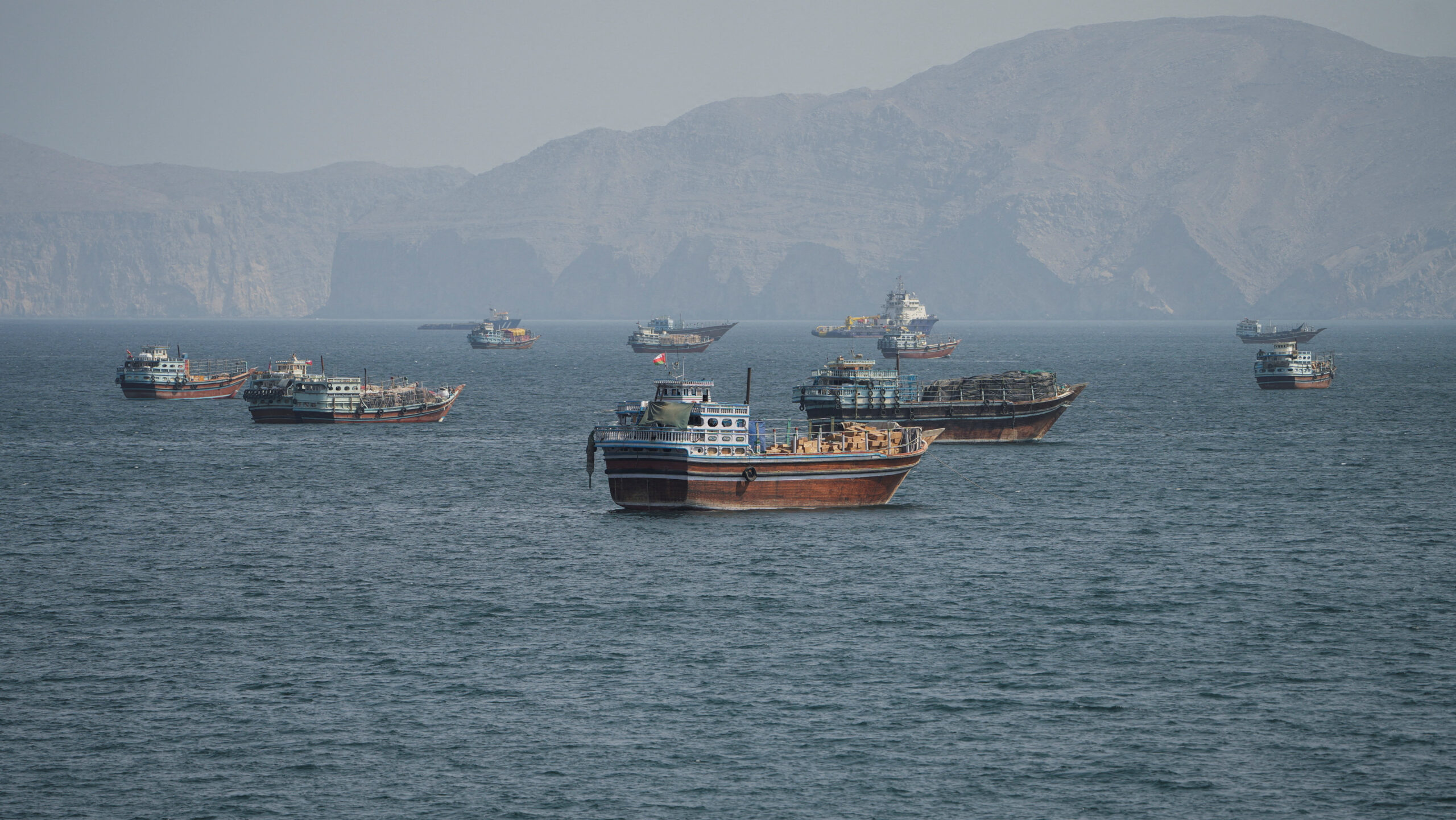
In investor circles, a dangerous sentiment has taken root: the belief that producers should bear the sole cost of protecting their export infrastructure. This "producers-pay" logic ignores the reality that global consumers are the ultimate beneficiaries of resilient supply. When capital is diverted away from Middle Eastern infrastructure due to perceived "high risk," it leads to underinvestment. Paradoxically, this underinvestment creates the very supply bottlenecks that cause the price shocks consumers fear most.
Implications: The Path Toward Resilience
The path forward requires moving beyond the current trend of "concentration" and embracing a more nuanced approach to security. The goal should be addition, not replacement.
A New Strategic Role for the Middle East
The Middle East must evolve from a simple exporter of raw hydrocarbons to an integrated hub of global industrial supply chains. By using their affordable and abundant energy at home, Middle Eastern nations can attract high-value industries: mineral refining, data center hosting, and advanced manufacturing.
This would accomplish two goals:
- Economic Diversification: It allows the region to retain more value from its resources.
- Global Resilience: It embeds the Middle East into the global economy, making its stability a shared, tangible interest for the world’s major powers.
The Case for a Global Minerals Partnership
As the world shifts toward a mineral-intensive energy system (copper, lithium, nickel, rare earths), the "energy-and-mineral" security nexus becomes the next frontier of diplomacy. A broad-based "Minerals Partnership" that includes not just like-minded nations, but also major processors (like China), energy producers, and resource holders, could provide the transparency needed to stabilize these critical markets.
This structure would not resolve the fundamental geopolitical competition between the U.S. and China, but it would provide a "practical space" for cooperation on market transparency and supply-chain stability. It would allow for better price discovery and help move stalled projects from the conceptual phase to execution by coordinating the needs of technology markets with the resources of the Global South and the energy of the Middle East.
The Reality Check
The greatest risk to global energy security today is that our strategic narratives are running faster than the physical reality of the energy system. If Europe overestimates the speed of electrification, if Asia merely swaps one dependency for another, and if investors abandon the Middle East, the world will find itself with a fragmented and brittle energy infrastructure.
True energy security is not found in a single, "safe" region or a single source of power. It is found in a diversified, interconnected, and redundant system. The objective for the coming decade must be to build a resilient energy map that avoids the traps of exclusion and competition. By fostering cooperation—connecting the Western Hemisphere’s production, the Middle East’s industrial potential, Europe’s clean-tech ambitions, and Asia’s demand—the world can move beyond the current cycle of crisis.
The era of viewing energy security as a zero-sum game must end. The world does not need to choose between the Western Hemisphere and the Middle East, or between molecules and electrons. It needs all of them. The challenge is to align capital, policy, and strategy to ensure that the infrastructure of tomorrow is built on the foundations of a stable, diverse, and cooperative global market. Anything less invites not just economic volatility, but a systemic failure of the energy and industrial systems that underpin modern civilization.