By Sharon Udasin and Gemma Smith
As the United States government recalibrates its stance on per- and polyfluoroalkyl substances (PFAS)—the persistent, bioaccumulative compounds colloquially known as "forever chemicals"—a striking new reality is taking shape. While federal agencies pivot toward deregulation, individual states are rushing to construct a patchwork of protective policies. This divergence marks a critical stress test for the American system of "cooperative federalism," raising urgent questions about whether the nation can protect its citizens from toxic contamination when Washington’s commitment wavers.
The Science of Persistence: Why PFAS Matter
PFAS are not merely a chemical nuisance; they are a structural challenge to public health. Characterized by incredibly strong carbon-fluorine bonds, these man-made chemicals do not break down in the environment or the human body. Linked to a litany of severe health outcomes, including kidney cancer, liver damage, developmental delays, and immune system suppression, they have become ubiquitous.
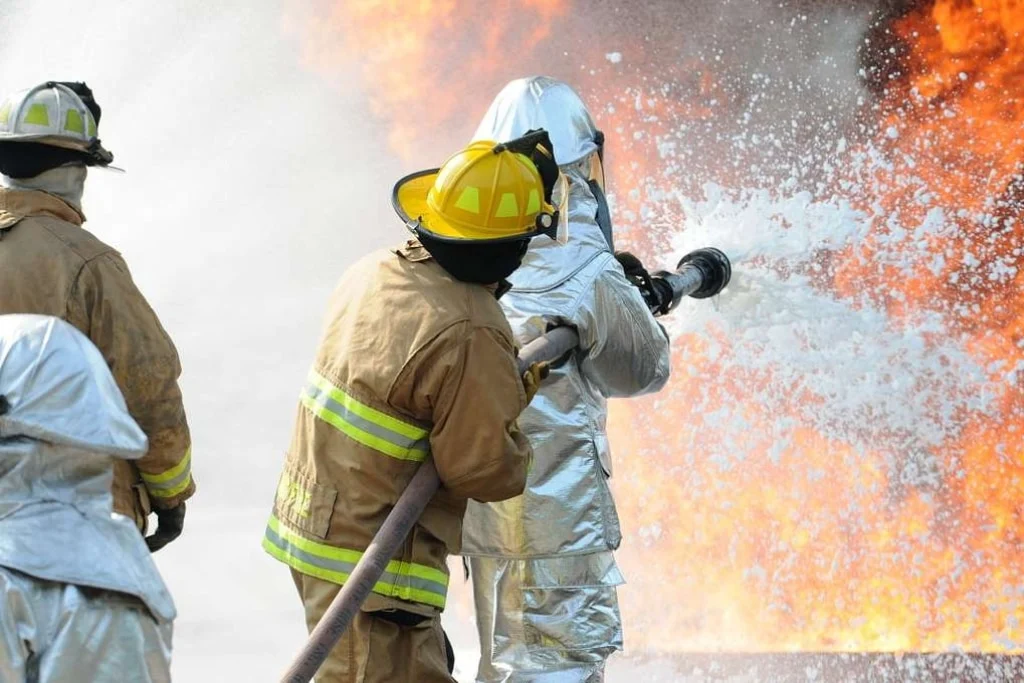
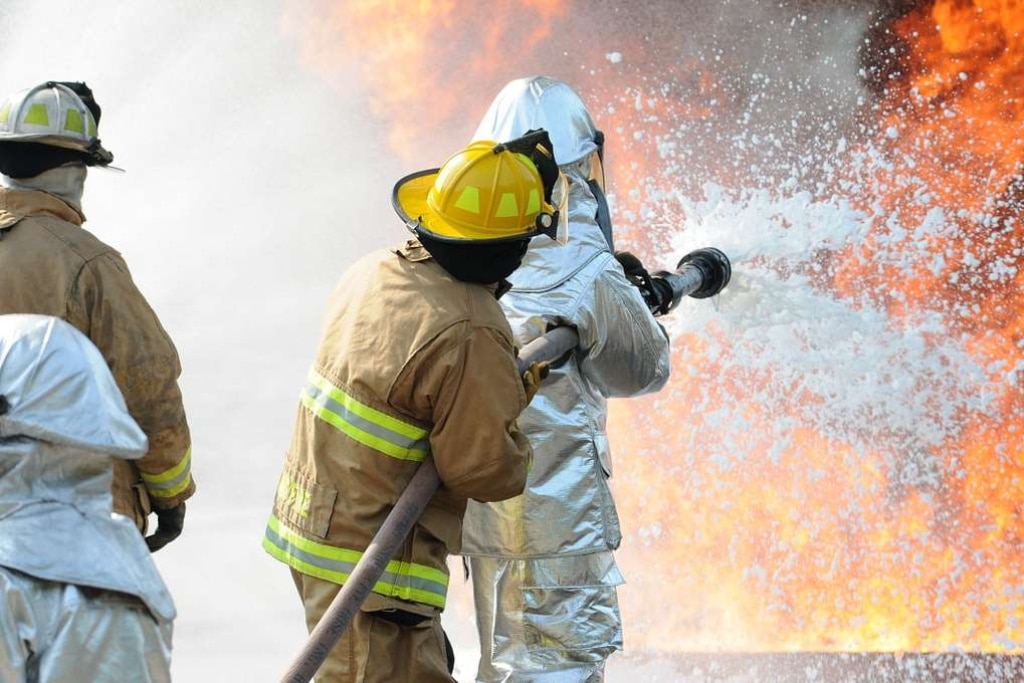
They are the "invisible thread" in modern life: found in the non-stick coating of your frying pan, the moisture-wicking properties of your outdoor gear, the flame-retardant foams used at military bases, and even in food packaging. Because they move through water tables with ease, the U.S. Geological Survey has estimated that approximately 45% of the nation’s tap water contains at least one detectable PFAS compound.
A Chronology of Regulatory Flux
The trajectory of PFAS regulation in the U.S. has been anything but linear. For decades, the issue languished in a regulatory vacuum, with limited oversight and minimal public disclosure.
- April 2024: The Biden administration’s EPA made a historic move, establishing the first-ever legally enforceable drinking water standards for six specific PFAS compounds. This was followed by the designation of PFOA and PFOS as "hazardous substances" under the Comprehensive Environmental Response, Compensation, and Liability Act (CERCLA), effectively creating a legal framework to hold corporate polluters financially liable for cleanup.
- Early 2025: A research team at the University of Arizona published a study in Environmental Policy and Governance highlighting how local entities, specifically in Tucson, had been forced to act as first responders to the crisis, implementing remediation strategies years ahead of federal mandates.
- Spring 2026: Under the incoming administration, the EPA proposed a rule to rescind the drinking water standards for four of the six previously regulated PFAS, leaving only PFOA and PFOS under federal scrutiny. Furthermore, the compliance deadlines for these remaining two chemicals—globally recognized carcinogens—faced potential extensions from 2029 to 2031, effectively kicking the can down the road.
The Erosion of Cooperative Federalism
Historically, the relationship between federal and state environmental regulation functioned like a "floor and ceiling" model. The federal government established a national "floor"—a baseline of protection—ensuring that no citizen, regardless of their zip code, was exposed to unacceptable risks. States were then empowered to build upward, creating more stringent protections if their specific environmental or industrial landscape demanded it.
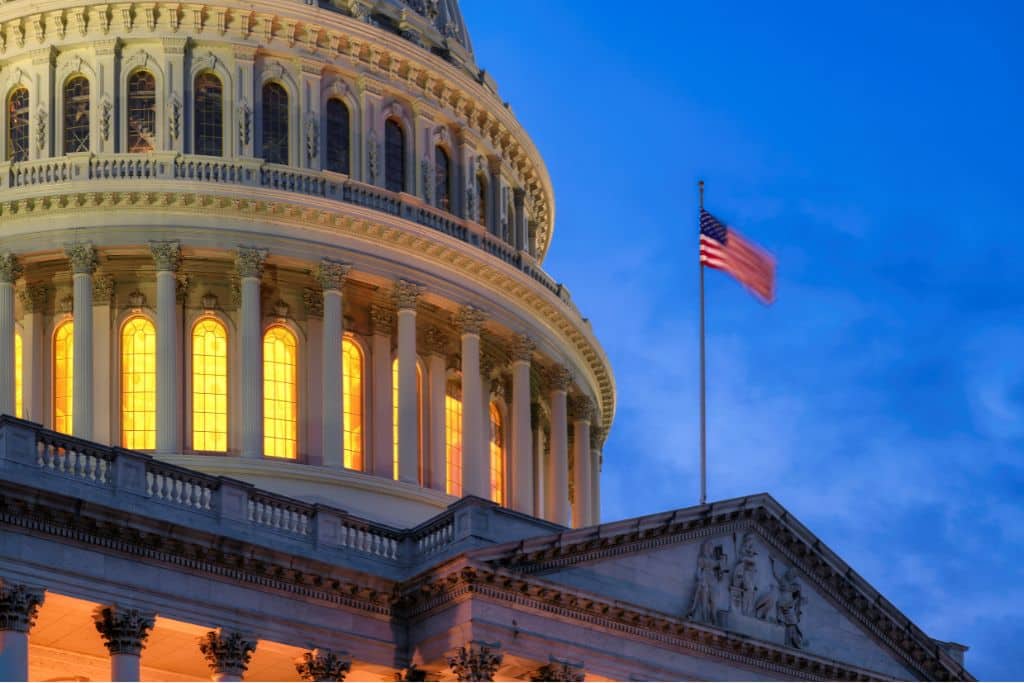
Today, that model is inverted. Federal standards are increasingly treated as a "ceiling." Many states have adopted "no more stringent" laws, which explicitly forbid local regulators from passing rules that exceed federal requirements. When federal action is sluggish or regressive, these states find themselves legally paralyzed, unable to protect their residents from emerging threats that Washington has yet to address.
The Tucson Blueprint: Local Leadership in the Face of Gridlock
The University of Arizona’s study offers a poignant look at Tucson, Arizona, as a case study in decentralized resilience. For decades, the city grappled with groundwater contamination originating from military and industrial sites.
"Regulation was hard to come by in these early days," the researchers noted. Because federal guidelines were absent, local agencies shifted their focus to extensive sampling and monitoring. By leveraging federal research grants and funneling local utility funds into infrastructure, Tucson built its own treatment facilities.
This proactive stance highlights a critical reality: while federal funding is essential for large-scale remediation, local agencies are often the ones identifying the scope of the problem. When the 2023 Bipartisan Infrastructure Law provided a surge of capital, cities like Tucson were ready to pivot from monitoring to active filtration and mitigation. However, as the study points out, even the most innovative local efforts feel the tremors of federal uncertainty. Without a clear national mandate, local utilities face constant political and economic headwinds.
The Bipartisan Path: Lessons from Maine and Minnesota
Despite the political polarization in Washington, PFAS has emerged as a rare catalyst for bipartisan action at the state level. The human and economic cost of contamination—particularly in agricultural sectors—has forced politicians to look past party lines.
Maine serves as the gold standard for this shift. After years of applying "sludge" (treated sewage) as fertilizer, the state discovered that its dairy farms were essentially toxic waste sites. The response was swift and cross-partisan: Maine enacted the nation’s first comprehensive ban on PFAS in consumer products and pioneered a $60 million "PFAS Fund" to compensate farmers for the loss of their land.
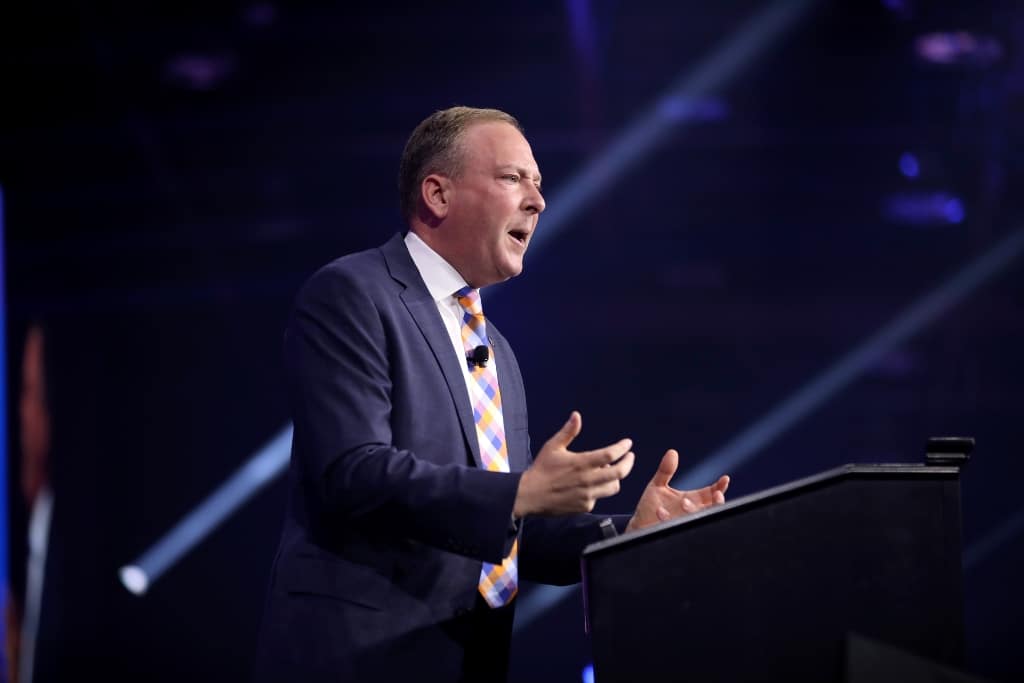
"It doesn’t matter whether you’re Republican or Democrat," says Fred Stone, a Maine farmer and advocate. "It’s very hard to vote against public health and food safety."
Following this lead, Minnesota successfully passed "Amara’s Law," a sweeping ban on the sale and manufacture of non-essential PFAS products. Wisconsin, too, recently finalized a $125 million allocation to combat the contamination, proving that when the federal government abdicates its responsibility, the states are capable of stepping into the breach. To date, 10 states have implemented bans on PFAS-laden consumer goods, including cosmetics, textiles, and children’s items.
The Threat of Federal Preemption
The momentum of state-led innovation now faces an existential threat: federal preemption. Proposed revisions to the Toxic Substances Control Act (TSCA) could effectively dismantle the progress made in states like Maine and Minnesota.
If these legislative changes are enacted, they would grant the federal government the power to override state-level bans. Under the guise of "national uniformity," these measures would force states to adhere to the federal baseline—a baseline that is currently being weakened. For proponents of environmental health, this is a "race to the bottom" that would effectively strip states of their right to protect their own natural resources and public health.
Implications for the Future
The PFAS crisis is more than a public health emergency; it is an indicator of the health of American democracy. When the federal government fails to provide a stable regulatory environment, the resulting patchwork of laws creates a system of "geographic inequity," where a citizen’s safety depends entirely on which side of a state border they live on.
While state and local governments have demonstrated remarkable agility in identifying and mitigating the dangers of forever chemicals, they are not a substitute for national policy. A "relay race" only works if the baton is passed. If federal agencies continue to retreat, they leave the states running a solo race toward a finish line that keeps moving further away.
The path forward requires more than just local ingenuity. It demands a federal commitment to science-based regulation that respects, rather than restricts, the rights of states to protect their constituents. Until then, the "forever chemical" crisis will remain a cautionary tale of what happens when the mechanisms of cooperative federalism are left to rust.
About the Authors
Sharon Udasin is a Colorado-based journalist and author of Poisoning the Well: How Forever Chemicals Contaminated America. A former Ted Scripps Fellow in Environmental Journalism, she has spent two decades covering the intersection of public policy and the environment.
Gemma Smith is an assistant professor at the University of Arizona’s School of Government and Public Policy. Her research focuses on complex, multi-jurisdictional water governance and the engineering challenges posed by emerging contaminants like PFAS.