By Tina Casey
It has been exactly one year since the United States Agency for International Development (USAID)—once the world’s most formidable engine of humanitarian relief and diplomatic soft power—was effectively erased from the federal landscape. In the wake of the agency’s sudden termination during the early days of President Donald Trump’s second term, a profound silence has replaced the hum of global development operations. While the administration points to "efficiency" and "realignment," the reality on the ground for millions of the world’s most vulnerable people is a deepening crisis of survival.
For decades, USAID served as the primary arm of U.S. foreign aid, functioning not merely as a charity, but as a strategic pillar of national security. By fostering democratic governance, stabilizing fragile states, and addressing the root causes of poverty, the agency projected American values globally. Today, that infrastructure lies in ruins, leaving activists, NGOs, and the international community to grapple with the fallout of a decision that has fundamentally altered the United States’ role in the world.
The Anatomy of a Shutdown: A Chronology of Chaos
The destruction of USAID was not a gradual sunsetting of programs; it was a surgical strike executed with immediate, devastating precision. Despite its status as an independent agency established by Congress in 1998—which legally mandates legislative approval for its dissolution—the Trump administration bypassed traditional oversight on January 20, 2025.
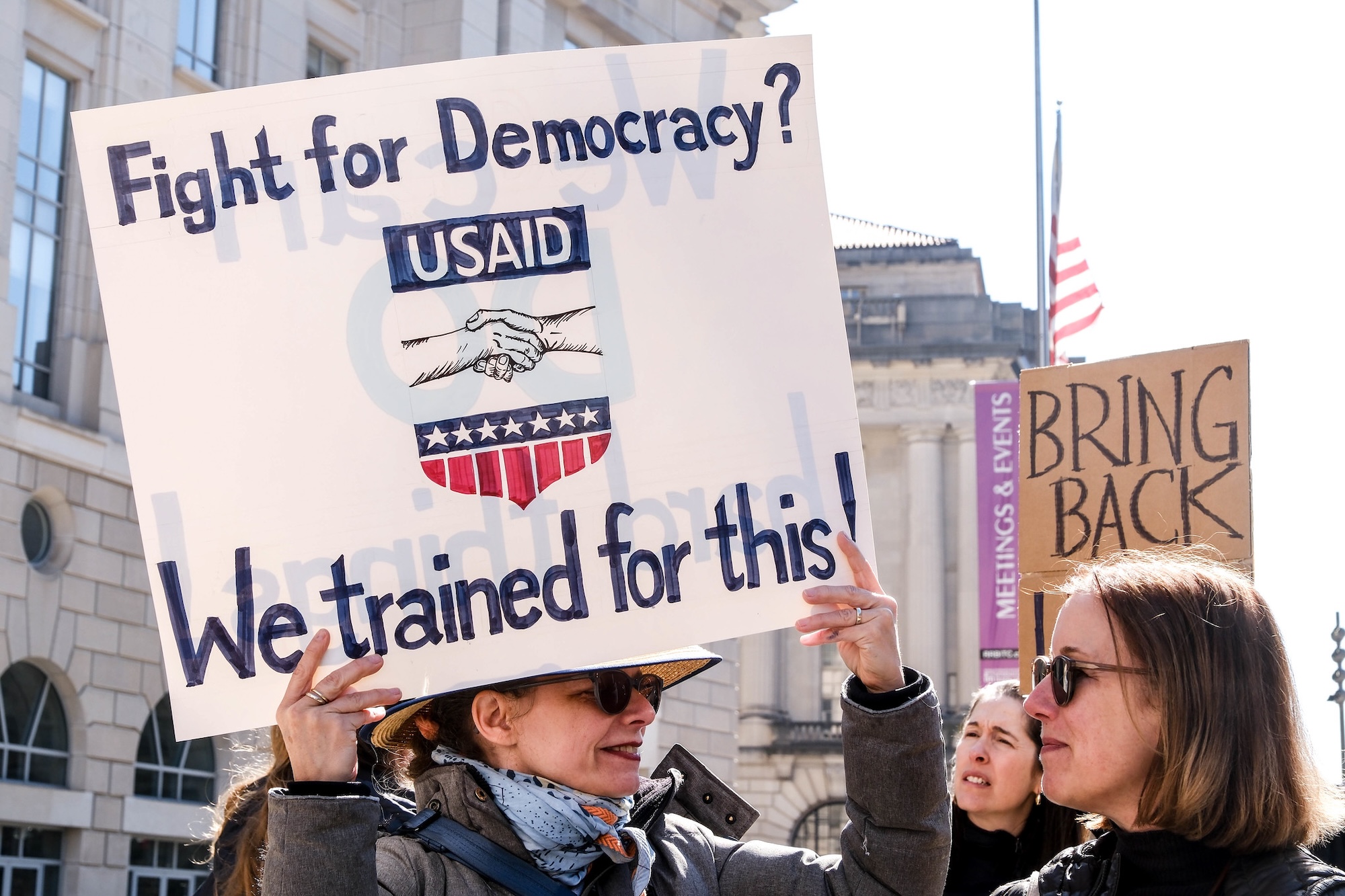
On his first day back in the Oval Office, President Trump issued an executive order that summarily abolished the agency. The administrative execution was swift. Within weeks, the agency’s website was scrubbed of historical data, and 1,600 U.S. personnel, along with thousands of global staff, were placed on indefinite administrative leave.
The mandate for this demolition was handed to Tesla CEO Elon Musk, acting as the head of the Department of Government Efficiency (DOGE). The process was characterized by a cold, algorithmic indifference. Rather than conducting impact assessments or evaluating the efficacy of long-standing development projects, DOGE staff employed software-generated keyword searches to flag and terminate thousands of contracts.
Nicholas Enrich, former executive director of USAID’s Bureau of Health, describes the atmosphere of those early days as a form of institutional trauma. In his recent book, Into the Wood Chipper, Enrich details the frantic attempt by staff to save critical data before the agency’s digital and physical archives were purged. "Many of the terminated contracts had been axed by mistake," Enrich noted in an op-ed last month. "It was evident that no one had bothered to ask what the contracts did before ending them."
The Human Cost: Data and Destruction
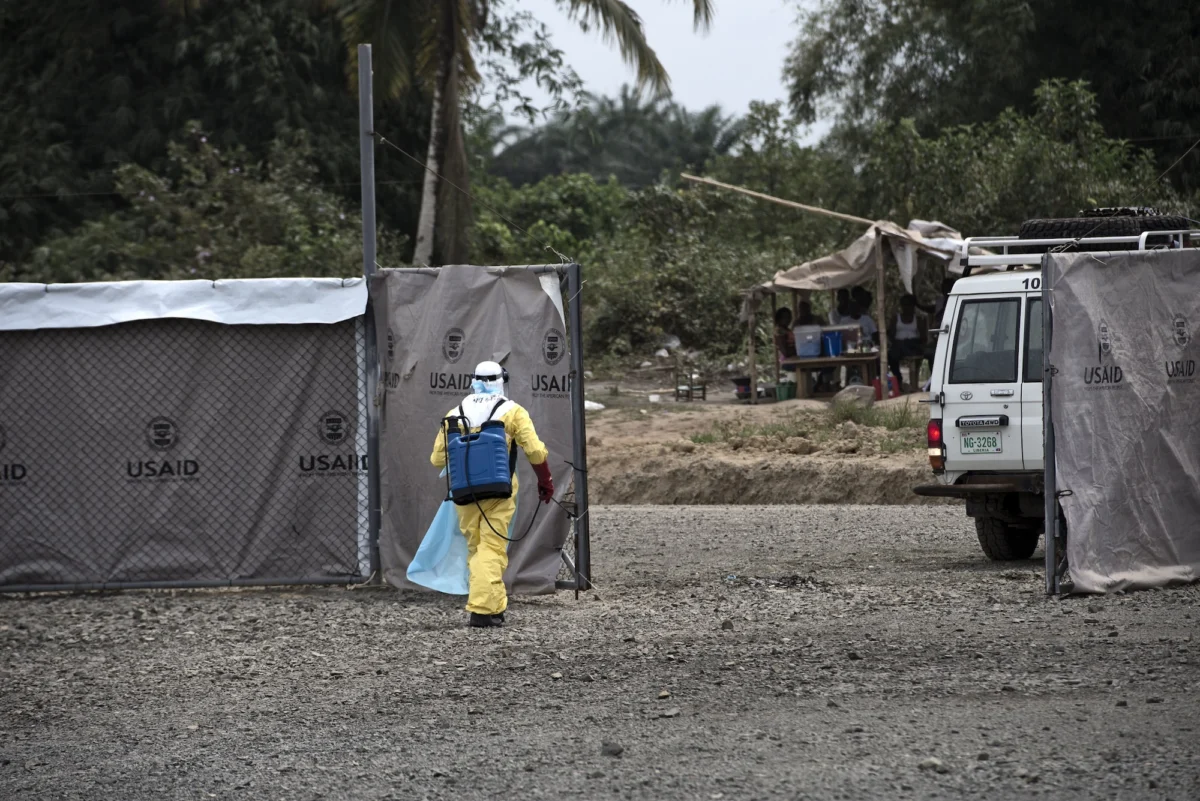
The consequences of this "efficiency-first" approach have been measured not in dollars saved, but in lives lost. Independent projections, such as those from the Impact Counter initiative, warned that the termination of medical aid would result in the deaths of over 260,000 adults and 500,000 children within the first year.
The disruption of the President’s Emergency Plan for AIDS Relief (PEPFAR) stands as the most egregious example of this policy failure. Once hailed by the World Health Organization as a "beacon to the world," PEPFAR was a lifeline for millions living with HIV/AIDS. When the funding was severed, clinical trials for multidrug-resistant tuberculosis were halted, leaving patients stranded without treatment and risking the emergence of drug-resistant strains that could threaten global health security.
Beyond medicine, the impact has rippled through maternal health services and basic food security. As ambulance services in remote regions ceased operations and clinics shuttered, the baseline of human survival in conflict-affected zones dropped precipitously. Mothers in regions once stabilized by U.S. development aid are now forced to navigate a landscape where they must choose which children to feed, reversing decades of progress in child mortality reduction.
Supporting Data: The Efficiency Fallacy
The administration’s primary defense for the dismantling of USAID was the alleged "massive waste and inefficiency" of federal spending. However, independent audits suggest the opposite. Reports from the Senate Permanent Subcommittee on Investigations have highlighted billions of dollars in taxpayer funds squandered by the very department tasked with cutting costs: DOGE.
In contrast to the indiscriminate slashing of programs, the USAID model—specifically the Development Investment Ventures (DIV) division—had developed a rigorous, evidence-based approach to grantmaking. This strategy focused on scaling pilot programs that demonstrated the highest "social value" per dollar invested.

Analyses indicate that the DIV model delivered roughly $39 in social value for every $1 invested, a figure that dwarfs the efficiency of traditional, non-vetted aid. Yet, this model was among the first to be discarded in favor of a broad-brush approach that prioritized budget line-item reduction over measurable outcomes.
Philanthropy in the Age of Triage
With the vacuum left by the federal government, the philanthropic sector has scrambled to act as a stop-gap. Between February and October of 2025, private donors mobilized over $125 million to prevent the total collapse of essential programs.
One of the most notable efforts has been the relaunch of the DIV Fund, a private initiative led by Sarah Gallant, former head of the USAID Ventures division, and Nobel Prize-winning economist Michael Kremer. The fund has successfully raised $20 million to keep life-saving programs—such as mobile software for health workers and clean cookstove initiatives—afloat.
However, leaders in the philanthropic space are the first to admit that private charity is an inadequate substitute for public policy. "Private donors are excellent at innovation, but they cannot replicate the scale, diplomatic reach, or sustained commitment of a national government," says one humanitarian strategist. Philanthropy lacks the mandate to engage in long-term nation-building or to navigate the complex geopolitical negotiations that characterize true foreign aid.

Official Responses and the "Absorbed" Agency
The Trump administration maintains that USAID was not destroyed, but "absorbed" into the Department of State. This bureaucratic maneuver, overseen by White House budget director Russell Vought—the architect of the "Project 2025" playbook—is intended to provide a legal fig leaf for the agency’s disappearance.
By folding the remnants of USAID into the State Department, the administration has effectively subordinated humanitarian goals to the immediate, transactional interests of short-term diplomacy. Critics argue that this transition has not saved the agency but has instead ensured its paralysis. With a remaining $19 billion earmarked solely for the "close-out" of existing grants, the agency’s capacity for future planning has been effectively neutered.
Implications: The Loss of Soft Power
The dissolution of USAID is not merely a domestic policy shift; it is a profound retreat from the global stage. For nearly a century, U.S. foreign aid has functioned as a cornerstone of "soft power," building goodwill and stability that benefit American national security interests.
By abdicating this role, the United States has left a significant power vacuum. In regions across Africa, Asia, and Latin America, other global powers are now moving to fill the void left by the absence of American support. The strategic cost of this withdrawal is only beginning to be understood, but experts warn that the loss of influence will be felt for generations.

A Path to Restoration?
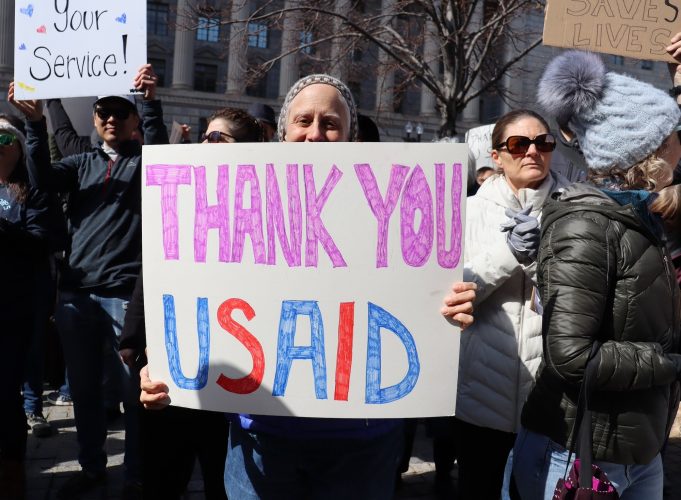
Despite the bleak outlook, the pushback has begun. Grassroots organizations, including the re-energized ACT UP, have turned their focus to the halls of Congress, disrupting budget hearings and demanding a return to responsible governance.
The upcoming mid-term elections present a critical juncture. For the American public, the question of what the United States stands for on the world stage remains on the ballot. Can the damage be undone? Can an agency of this scale be reconstructed after its data, its personnel, and its institutional memory have been dismantled?
While the task of restoration will be monumental, the existence of preserved archives and the ongoing work of private funds like the DIV Fund suggest that the intellectual and operational core of the agency is not entirely lost. However, as activists continue to chant at the doors of the Capitol, the message remains clear: private charity cannot replace public policy, and a beacon, once extinguished, requires more than just a flickering spark to be lit once again. The future of America’s humanitarian legacy will be decided by whether the electorate chooses to prioritize global engagement over the isolationist austerity of the past year.