For over a decade, the digital marketing playbook was governed by a singular, rigid metric: the follower count. The logic was simple—more followers equaled more reach, which fueled engagement, drove sales, and justified budget increases. It was a cyclical, predictable model. However, in 2026, that playbook is not just outdated; it is fundamentally broken.
The modern social media landscape is no longer driven by the size of a brand’s digital "walled garden." Instead, it is governed by sophisticated algorithmic recommendation engines. Today, a post can garner millions of views from users who have never clicked "follow," often dwarfing the impressions seen by a brand’s existing audience. In this new era, relevance has usurped audience size as the primary driver of growth.
The Shift: From Audience Building to Algorithmic Reach
The transition from a "follower-first" to a "discovery-first" model represents a tectonic shift in how content is distributed. Platforms like TikTok, Instagram, and LinkedIn have moved away from chronological feeds that prioritize the accounts a user follows, opting instead for recommendation feeds—like the "For You" page—that prioritize topical relevance.
The Math of Non-Follower Reach
Data from Sprout Social reveals the magnitude of this shift: over 70% of video views now originate from non-followers at least 60% of the time. This means that if a brand’s content strategy is designed exclusively for its existing base, it is effectively ignoring the vast majority of its potential audience.
User behavior has evolved in lockstep with these algorithms. Current research indicates that only 17% of consumers check an influencer’s follower count before deciding to engage with their content or follow them. The follower count has lost its status as a "trust signal," replaced by the immediate, visceral value of the content itself. For brands, this means that the most effective path to growth is not through vanity metrics, but through high-quality, relevant creative work that the algorithm is incentivized to push to new audiences.
Niche Creators and the Authenticity Dividend
As the industry moves away from mega-influencers, a new class of "niche creators" and micro-influencers has emerged. These creators possess something that large-scale accounts often lack: a highly specific, deeply trusting community.
The Power of Small-Scale Influence
Our survey data highlights a striking divide in consumer sentiment: 21% of buyers are more likely to make a purchase based on a recommendation from a niche creator, compared to only 15% for mega-influencers. A full third of respondents express no preference, indicating that the traditional "star power" of a large follower count is no longer a guaranteed driver of conversion.
The success of these niche creators rests on the bedrock of authenticity. Consumers are increasingly skeptical of "broadcast-style" advertisements. Approximately 80% of consumers believe that influencers should genuinely use the products they promote, with 44% demanding that the creator be a long-term user before any promotion occurs. This level of vetting is inherently more sustainable for smaller creators who curate their content around specific interests, rather than attempting to serve a generic, massive audience.
The Rise of the Internal Advocate: Frontline Employees
Perhaps the most disruptive trend of 2026 is the emergence of the "employee creator." Brands are finding that their most effective marketing team may already be on the payroll.
The "Staples Baddie" Effect
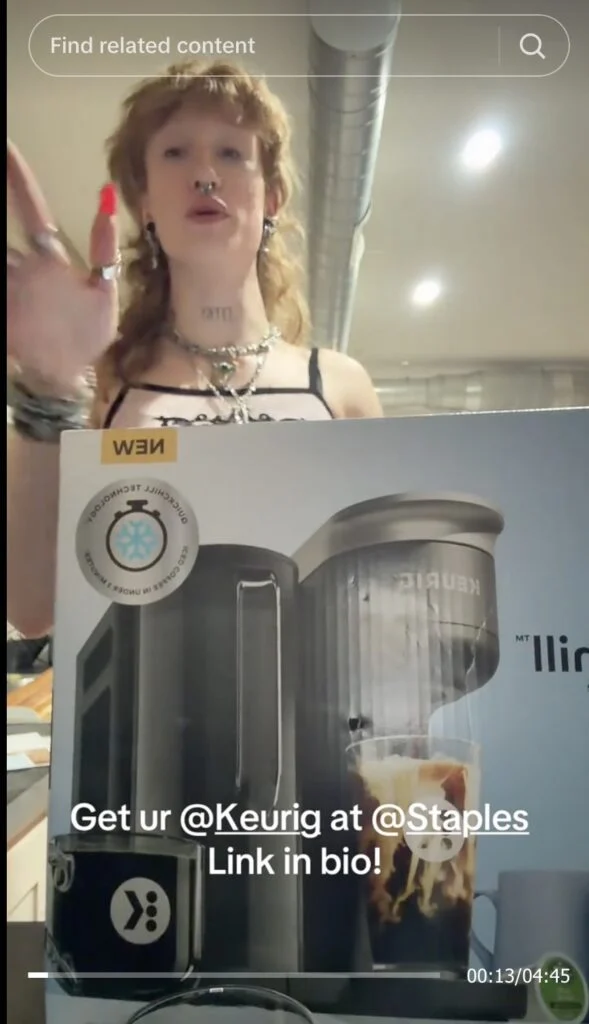
The phenomenon of the "Staples Baddie," a frontline worker whose raw, behind-the-scenes content garnered national attention and a feature in The New York Times, serves as a blueprint for the future. It demonstrated that audiences crave the unfiltered reality of the workplace over the polished, sanitized messaging of the corporate marketing department.

Employee-generated content is now a primary discovery driver for 40% of all consumers, a figure that jumps to 62% among Gen Z. The implication is clear: when a barista shows how a drink is made or a warehouse worker explains the logistics of a shipment, they build a bridge of trust that no polished TV commercial can replicate.
However, this transition requires careful management. A majority of consumers (61%) believe that employees should be compensated for the labor of content creation. Forward-thinking companies like Gap and Starbucks are formalizing these programs, providing employees with clear creative guardrails while ensuring fair pay and intellectual freedom.
The Tactical Frontier: Social Media SEO (SOSEO)
If algorithms are the gatekeepers, then Social Media SEO (SOSEO) is the key. As social networks increasingly function as primary search engines, brands must treat their social profiles with the same technical rigor they apply to their websites.
Decoding the Search Intent
Social media is now the second most-used search platform across all demographics. For younger generations, the distinction between a traditional search engine and a social platform is rapidly dissolving. To win in this environment, brands must:
- Keyword-Align Captions: Use the terms their target audience is actually searching for.
- Optimize Audio and On-Screen Text: Algorithms are increasingly sophisticated; they "listen" to spoken audio and "read" on-screen text to categorize content.
- Focus on Intent: Content should answer specific questions or address common pain points, rather than just acting as a lifestyle broadcast.
The Evergreen Potential: SEO and AI Answer Engines
The impact of high-quality social content now extends far beyond the 24-to-48-hour "feed window." Because major search engines (like Google) now index social posts and display them in "Short Video" tabs, and AI-driven answer engines (like ChatGPT, Claude, and Gemini) scrape social platforms to synthesize information, well-optimized social content is becoming "evergreen."
A video that is properly optimized for search today can provide traffic, awareness, and conversion for months or even years. This turns the social media team from a "broadcast" function into a "content library" function, where the goal is to create high-value assets that the web can rediscover indefinitely.
Strategic Implications: How to Win in the Post-Follower Era
The strategy for success in the latter half of the 2026 fiscal year is defined by three pillars:
- Prioritize Discoverability Over Growth: Stop chasing follower totals. Focus on creating content that is "shareable" and "searchable." If a piece of content is relevant, the algorithm will find the audience for you.
- Diversify Your Creative Partners: Build a roster of niche, high-trust creators rather than betting the entire budget on a single mega-influencer. Authenticity is the only currency that does not devalue.
- Formalize Employee Advocacy: Your frontline staff are your most credible spokespeople. Empower them, pay them, and trust them to show the real side of your business.
The Bottom Line
Follower counts are a relic of a pre-algorithmic age. While they may still serve as a vanity metric for some, they are increasingly decoupled from actual business performance. The brands that win in 2026 will be those that master the nuances of discoverability—blending the art of authentic, human-centric storytelling with the science of keyword-optimized search and algorithmic alignment.
The goal is no longer to own an audience; it is to be found by the right people, at the right time, exactly when they are looking for you.
Methodology Note:
Unless otherwise noted, all data cited in this report is sourced from a Q3 2026 Pulse Survey of 2,286 consumers in the US, UK, and Australia. The survey was conducted online by Panoplai on behalf of Sprout Social between August 11 and August 18, 2026.