In the high-pressure world of B2B SaaS, the "Request a Demo" button is often treated as the ultimate trophy. Yet, for many marketing teams, that button has become a source of friction, frustration, and internal conflict. When demo requests dwindle, the classic corporate narrative plays out: Sales blames Marketing for poor lead quality, and Marketing responds by pouring more budget into top-of-funnel ads.
The problem persists because it is fundamentally a misdiagnosis of the buyer’s journey. Marketers frequently treat the "Request a Demo" call-to-action (CTA) as a low-friction entry point, similar to downloading a white paper or signing up for a newsletter. In reality, asking a prospect to commit their time to a sales conversation is a significant, high-stakes request.
According to Dreamdata’s 2025 LinkedIn Ads benchmark report, the average B2B customer journey now spans 211 days and involves 88 distinct touchpoints. High-investment software decisions are not made on a whim. If you are pushing for a demo before a buyer has conducted their research, built trust, and determined that you belong on their shortlist, you are essentially asking for a marriage proposal on a first date.
The Anatomy of the Buyer Journey: Why Context Matters
To understand why your demo landing page is underperforming, you must first acknowledge its specific place in the ecosystem. Most teams make the fatal error of using the demo page as a catch-all destination for all paid traffic.
In truth, your demo landing page should be the final act of a long-form narrative. By the time a prospect arrives there, they should already understand the problem you solve, how you solve it, and why your solution is superior to the competition.
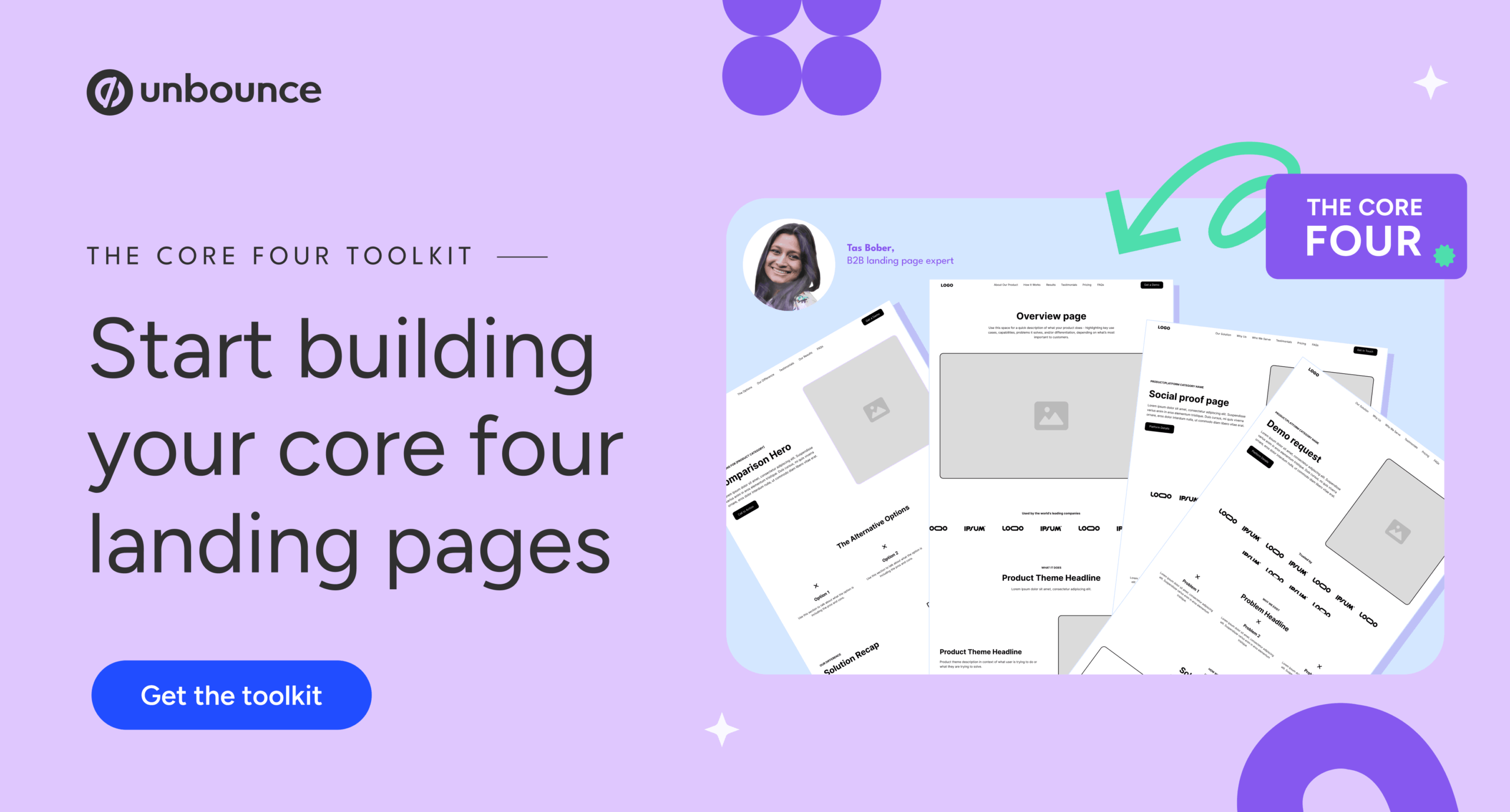
Landing page expert Tas Bober advocates for the "Core Four" framework, which segments content based on the buyer’s maturity. The demo page belongs to the bottom-of-the-funnel (BOFU) stage. If this is the first page a visitor sees, they lack the foundational context to justify the time investment of a demo. You aren’t just selling a product; you are selling the transition to a new way of working.
Benchmarking Performance: What’s Realistic?
Expectations around conversion rates often drift into the realm of fantasy. While industry standards fluctuate, Unbounce’s 2024 Conversion Benchmark Report places the median conversion rate for SaaS landing pages at roughly 3.8%. Recent field research from experts like Tas Bober suggests a more conservative, realistic benchmark of 3.1%.
If your page is hovering in the 3–4% range, you are performing at a standard level. However, if you are significantly below this, the culprit is rarely the color of your button or the font size of your headline. It is almost always a targeting issue. If you are sending "cold" traffic—prospects who have never engaged with your brand—to a demo page, you are hitting a performance ceiling that no amount of A/B testing can break. You cannot optimize your way into a conversion if the visitor isn’t ready to buy.
The 7 Common Sins of SaaS Demo Pages
Before attempting a redesign, audit your page against these seven common pitfalls:
- Misaligned Traffic: Sending cold, top-of-funnel visitors to a bottom-of-funnel request form.
- "Request a Demo" Blindness: Using a generic CTA that doesn’t articulate the value of the exchange.
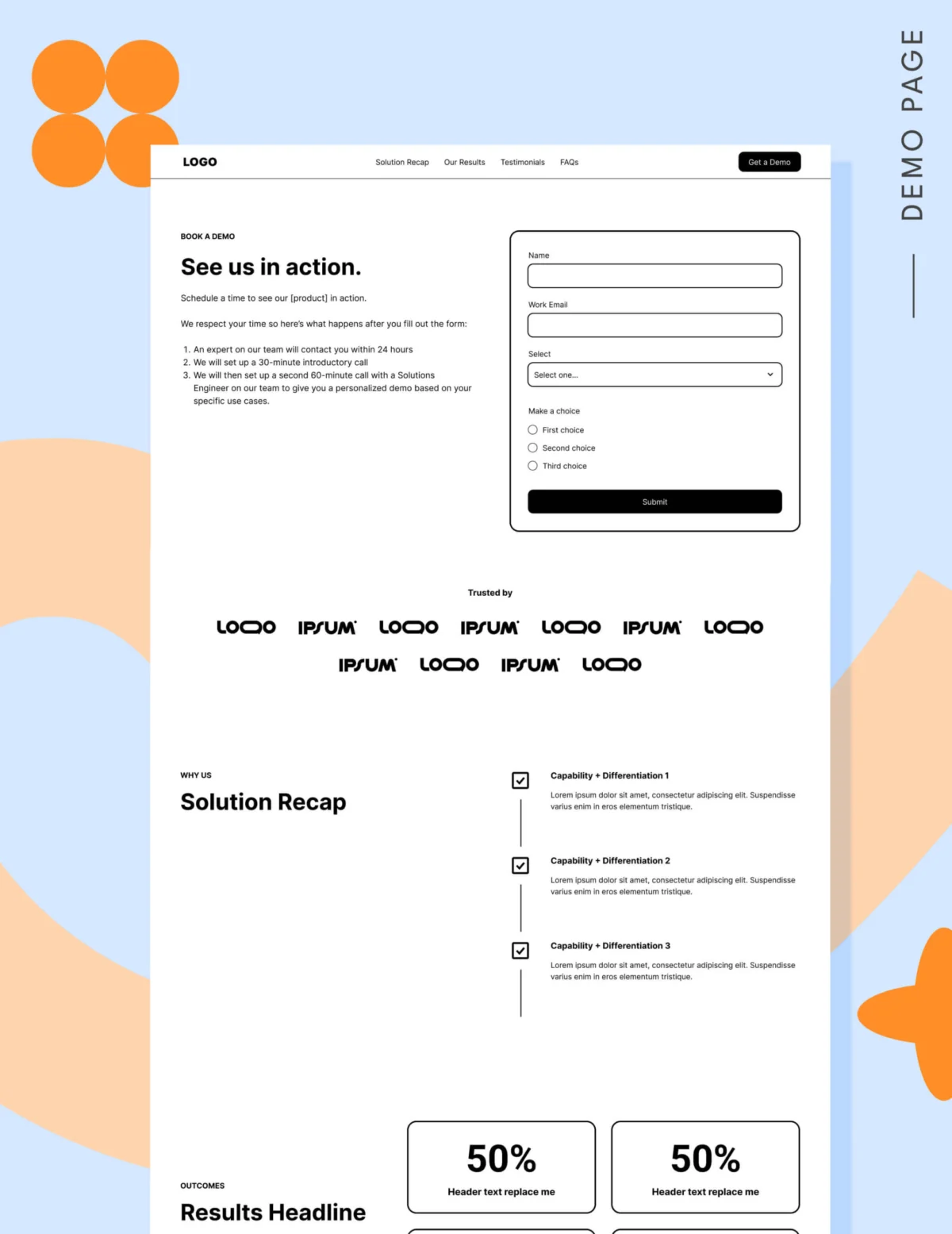
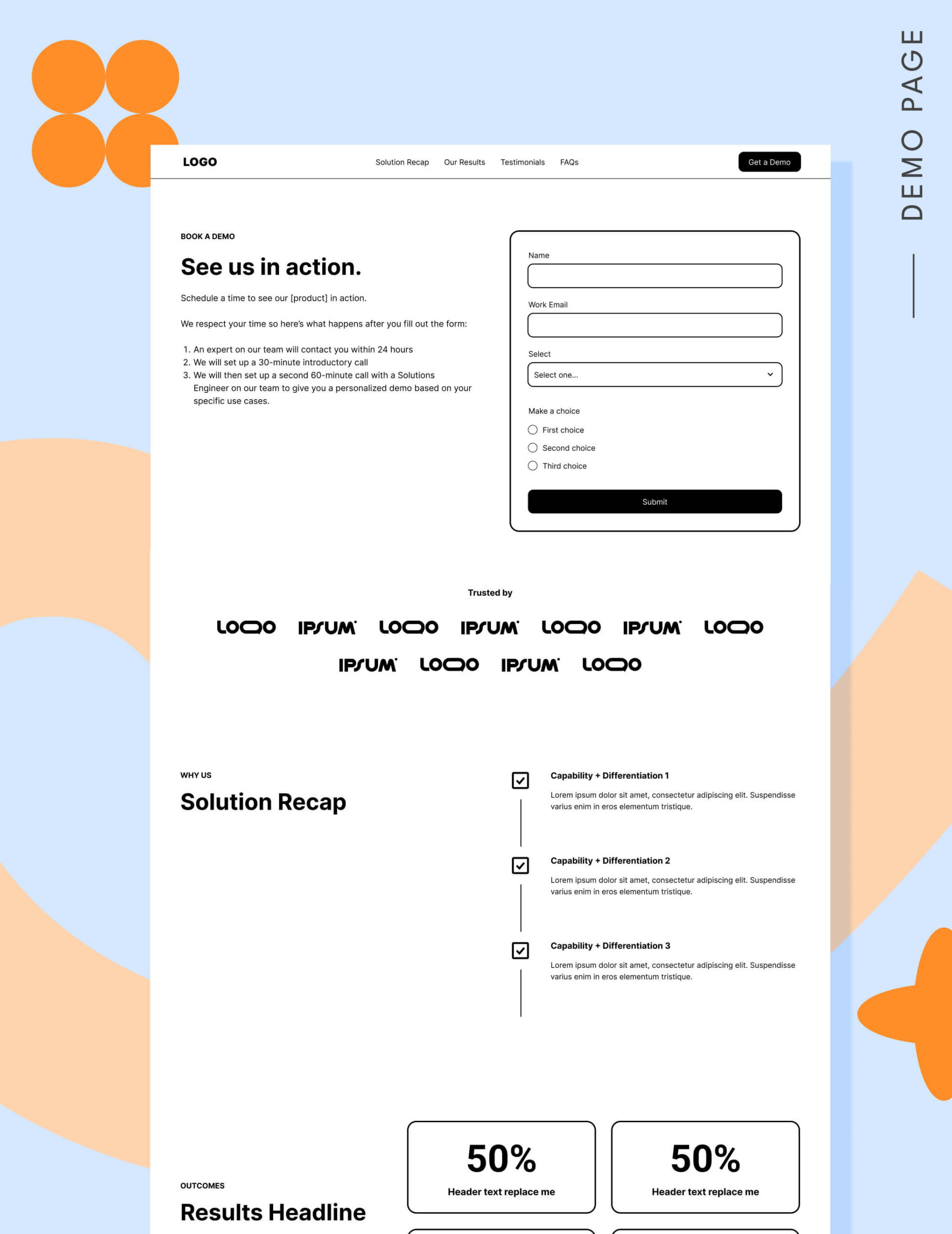
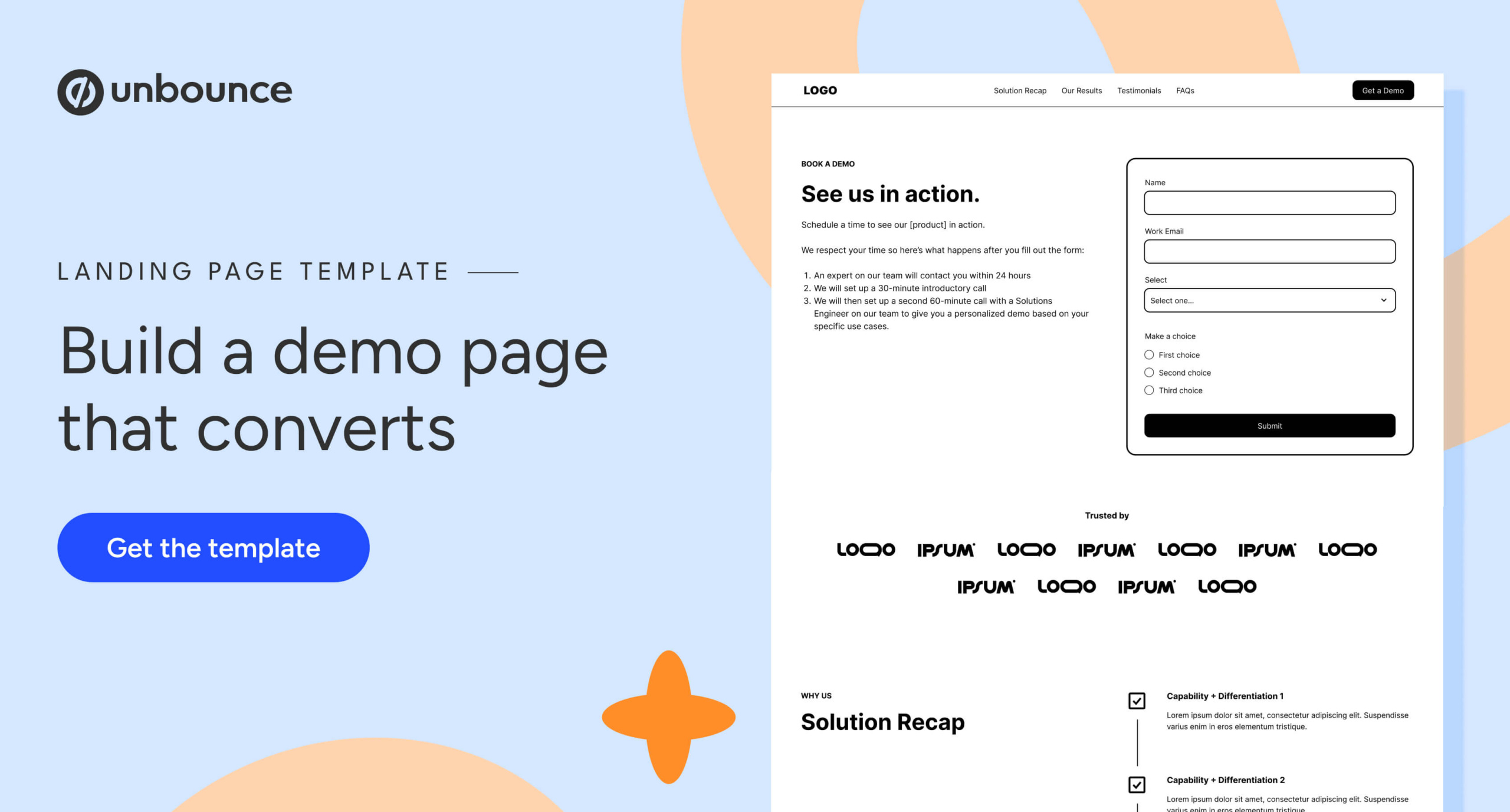
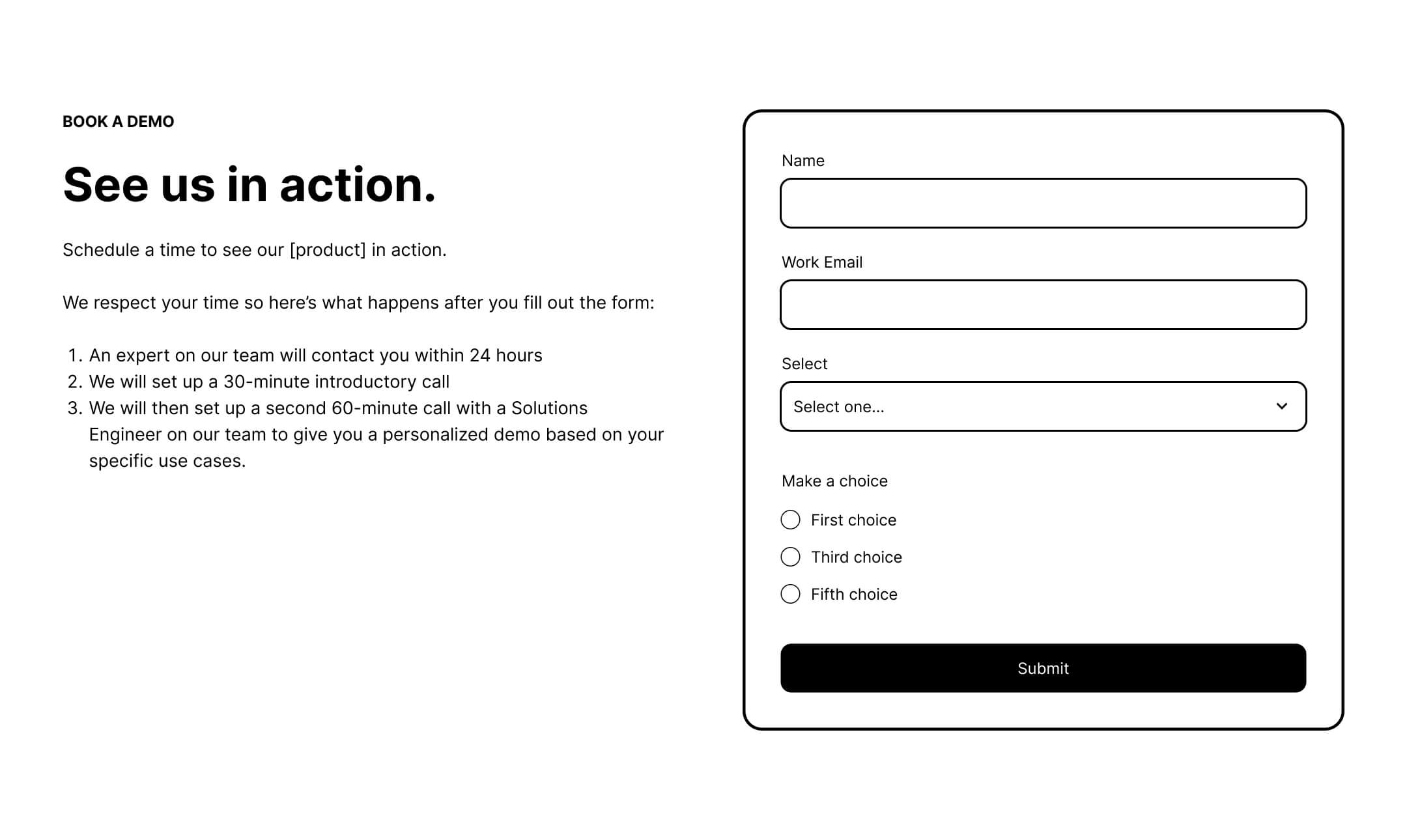
- Information Asymmetry: Failing to tell the user what happens after they hit "submit."
- Friction Overload: Including too many mandatory form fields.
- The "Cold Start" Problem: A lack of social proof or logo validation to build immediate trust.
- No Self-Qualification Path: Forcing users into a sales call when they are still in the price-comparison phase.
- Obscured Value Proposition: Assuming the user knows exactly why they should talk to you.
Strategic Elements of a High-Converting Demo Page
Once you have refined your traffic sources to focus on "warm" leads, your page must act as the final bridge to a sale. Here is how to construct a page that drives action.

1. Intentional Navigation
The old school of landing page design argued for "frictionless" pages with no links to prevent exits. However, modern search engines—and modern buyers—prefer utility. If a user isn’t ready for a demo, they will leave if you give them no other option. By providing a subtle anchor-link navigation, you allow the user to explore your solution’s features or pricing before they feel ready to commit.
2. The Hero Section: Managing Expectations
Your hero section should be the most transparent part of your site. It must answer the "what happens next" question immediately. Will they get a recorded video? A 15-minute discovery call? A technical deep-dive? Clarity reduces the anxiety that prevents form submission.
3. The Power of Proof: Logo Gardens and Testimonials
Social proof is the engine of B2B credibility. If your brand is recognizable, a "logo garden" is essential. If you are a challenger brand, prioritize 6–12 detailed, qualitative testimonials that mirror the specific pain points of your target audience. Volume matters here; a single testimonial looks like a paid endorsement, while a dozen suggests a thriving community of satisfied users.
4. The Pricing Dilemma
Many sales-led organizations fear transparency, opting for "Contact Us" instead of prices. However, providing a starting range—or even a basic, condensed pricing table—acts as a powerful filter. It keeps your sales team from wasting time on prospects with mismatched budgets and encourages high-intent buyers to move forward with confidence.
Rethinking the "Request"
The psychological barrier to a "demo" is often the fear of a high-pressure sales pitch. When companies like FORM shifted their language from "Request a Demo" to "Take a Tour" and implemented interactive product walkthroughs, they saw a 33% increase in conversions.
Consider offering a "softer" path. A weekly group webinar with a Q&A session serves as a lower-stakes bridge for prospects who are interested but not yet ready for a 1:1 interaction. This strategy respects the buyer’s time while allowing you to nurture them until they are ready to talk.
Form Length and the Friction Threshold
Data from 2026 benchmarks indicates a steep drop-off in conversion rates once a form exceeds five fields. Every additional field should be treated as a barrier to entry. If you feel you need 10 fields to qualify a lead, you must ask yourself: Are we qualifying them, or are we just scaring them away?
Test your forms rigorously. Sometimes, the best way to improve lead quality isn’t more fields—it’s better targeting in your ad campaigns.
The Final Verdict: Fix the Traffic, Then the Page
The most common mistake in SaaS marketing is the belief that a landing page is a magic wand that can fix poor strategy. If your demo requests are low, the root cause is almost certainly upstream. Are you attracting the right people? Are you educating them before you ask for the sale?
By aligning your landing page content with the actual maturity of your buyer, you turn the "Request a Demo" process from an intimidating hurdle into the natural, logical conclusion of a well-informed research journey. Fix your targeting, build trust through proof, and be radically transparent about the process. When you treat your prospects like partners rather than leads, the conversions will follow.