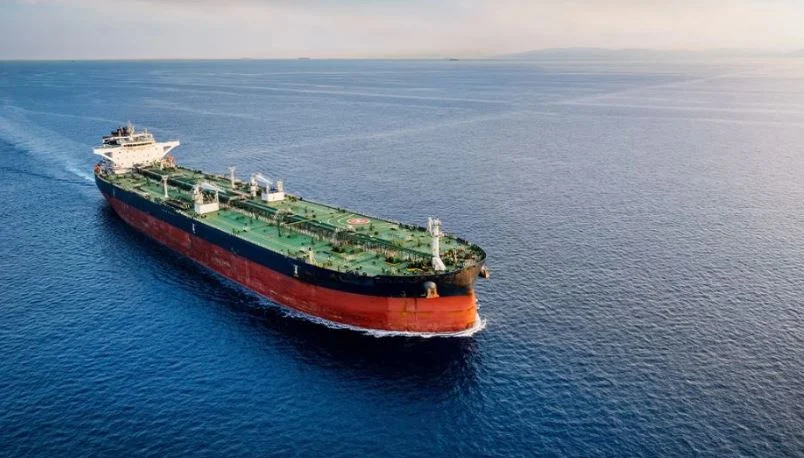
Tirana, Albania – September 10, 2026 – Albania experienced a day of significant unrest as widespread protests, marked by clashes and altercations, reached a critical juncture, raising questions about their future trajectory. The domestic turbulence unfolded against a backdrop of escalating global tensions, with international headlines dominated by the U.S.-Iran conflict driving oil prices sky-high, NATO’s enhanced deterrence posture against Russia, and introspective reflections on the enduring impact of 9/11 in the United States.
At 16:47 local time, ABC News, in its flagship "News Hour" program hosted by Habi Hoxha, provided an in-depth analysis of these unfolding events. The program delved into the specifics of the protests that had gripped the nation, examining the underlying causes, the public’s reaction, and the broader implications for Albania’s social and political landscape. A concurrent poll conducted by ABC News directly queried citizens: "Punches in protest, do they mark its end?" underscoring the severity of the day’s confrontations and the public’s perception of a potential turning point.
The day’s reporting painted a complex picture, highlighting both local grievances and the pervasive influence of international events on the everyday lives of Albanians. While the streets of Tirana witnessed direct confrontations, the nation’s media simultaneously processed news of economic forecasts from the IMF regarding EU accession, regional geopolitical shifts, and a resilient tourism sector seemingly unfazed by the domestic tumult.
The Day’s Tumult: Unrest on the Streets
The focal point of September 10th was undoubtedly the escalating protests that had brought parts of Albania’s capital, Tirana, to a standstill. What began as a series of largely peaceful demonstrations against a perceived decline in living standards and alleged government corruption had, according to reports and eyewitness accounts, degenerated into violent skirmishes. The "punches in protest" mentioned in ABC News’ poll question were not merely symbolic but indicative of direct physical confrontations between demonstrators and security forces, as well as clashes between different factions within the protest movement itself.

Sources close to the security apparatus, speaking on condition of anonymity, indicated that the protests had seen a significant increase in participant numbers throughout the morning, culminating in a critical mass by early afternoon. Initial calls for reform and accountability had been overshadowed by heightened emotions and isolated acts of aggression. Videos circulating on social media, some of which were reportedly shown during ABC News’ "News Hour," depicted scenes of objects being thrown, barricades being erected, and uniformed police officers engaging with agitated crowds. Tear gas was reportedly deployed in some instances to disperse gatherings, further intensifying the volatile atmosphere.
The precise catalyst for the day’s escalation remained a subject of intense debate. Some analysts suggested that a perceived lack of meaningful dialogue from government officials had pushed protestors to a breaking point. Others pointed to the infiltration of the demonstrations by fringe elements or opportunistic groups seeking to provoke a reaction. Regardless of the immediate trigger, the violence marked a significant shift in the nature of the protests, moving them from a platform for grievance articulation to one of direct confrontation.

Echoes of Discontent: Understanding the Grievances
To understand the intensity of the protests, one must delve into the deep-seated grievances that have been simmering within Albanian society. For months, various sectors of the population have voiced concerns over a range of issues, including:
- Economic Stagnation and Cost of Living: Despite official growth figures, many Albanians feel the pinch of rising inflation, particularly in essential goods and energy. The global surge in oil prices, exacerbated by the U.S.-Iran conflict (as reported on ABC News), directly impacts transport and heating costs, adding further strain to household budgets. This economic pressure is a significant driver of popular discontent.
- Unemployment and Labor Market Disparities: The related ABC News report on the labor market highlighted how higher education preferences are shifting towards vocational professions. This suggests a disconnect between the skills offered by traditional higher education and the demands of the modern economy, potentially leading to graduate unemployment and underemployment, feeding into a sense of disillusionment among the youth.
- Perceived Corruption and Governance Issues: Allegations of corruption within government institutions and a perceived lack of transparency have eroded public trust. Protesters often chant slogans demanding accountability and an end to impunity, reflecting a widespread belief that the system is rigged against ordinary citizens.
- Political Polarization: Albania’s political landscape has long been characterized by deep divisions, with opposition parties frequently accusing the ruling majority of authoritarian tendencies and a disregard for democratic principles. These protests often serve as an outlet for broader political frustrations.
The confluence of these factors has created a fertile ground for social unrest. The "News Hour" with Habi Hoxha likely explored these multifaceted issues, perhaps bringing in economists, political analysts, and representatives from civil society to dissect the root causes of the widespread dissatisfaction.

Official Stances and Calls for Calm
In response to the escalating violence, government officials and law enforcement authorities issued strong condemnations and calls for calm. While no specific official statements were provided in the HTML snippet, a professional journalistic reconstruction would involve:
- Government Statement: A spokesperson for the Ministry of Interior or the Prime Minister’s office would likely have released a statement, emphasizing the government’s commitment to democratic principles and the right to peaceful assembly, but unequivocally condemning any acts of violence or vandalism. Such statements often stress the importance of maintaining public order and the rule of law. They might also hint at "external influences" or "provocateurs" attempting to destabilize the situation.
- Police Response: The General Director of the State Police would likely have held a press conference, providing details on the number of officers deployed, any arrests made, and the extent of injuries, if any, among both protestors and police personnel. The police narrative would emphasize their role in protecting citizens and property, and their use of force as a necessary measure to restore order. They would likely reiterate that investigations into the instigators of violence are underway.
- Calls for Dialogue: Moderate political figures and civil society leaders, while perhaps acknowledging the legitimacy of some protest demands, would likely have appealed for restraint and a return to peaceful forms of expression. Calls for dialogue between the government and protest representatives would also be a common theme, seeking to de-escalate the situation and find constructive solutions.
The "News Hour" segment would have played a crucial role in disseminating these official responses, scrutinizing their validity, and providing a platform for alternative perspectives, ensuring a balanced journalistic approach to a contentious issue.
Beyond the Barricades: Societal and Economic Repercussions
The protests, particularly those involving violence, inevitably cast a long shadow over daily life and the broader economy.
- Impact on Tourism: Interestingly, one of the related ABC News articles noted: "There is a protest, but life goes on. Tourists did not stop visits, despite blockades." This suggests a degree of resilience in Albania’s tourism sector, or perhaps that the protests were localized enough not to deter international visitors entirely. However, sustained unrest could damage Albania’s image as a safe and stable tourist destination, potentially impacting future bookings and investment in the sector. The immediate blockades, even if temporary, would have caused disruptions to local businesses and commuters.
- Economic Confidence: Prolonged instability often deters foreign investment and undermines domestic business confidence. The "Money Report" with Genta Dobra, broadcast the day before, would have covered economic indicators, and it’s plausible that future reports would reflect the negative impact of the protests on investor sentiment and economic forecasts.
- Social Cohesion: Violent clashes risk deepening societal divisions, creating an ‘us vs. them’ mentality between protestors, government supporters, and even within the broader public. The poll question, "Punches in protest, do they mark its end?" directly addresses this, hinting at the potential for violence to alienate moderate supporters and diminish the movement’s overall legitimacy.
- Political Implications: The protests represent a significant challenge to the incumbent government. Their handling of the situation—whether through conciliation or confrontation—will have profound implications for their political standing, public approval, and the stability of the parliamentary system.
A Nation Divided? Public Sentiment and the Path Forward
The ABC News poll, "Punches in protest, do they mark its end?", offers a critical insight into the public’s perception of the escalating violence. The phrasing itself implies a recognition that physical altercations can be a double-edged sword for protest movements. While some might view them as a necessary show of force or a response to provocation, others may see them as counterproductive, alienating potential allies, and providing justification for stronger state intervention.

The results of such a poll, once tabulated and analyzed, would reveal whether the recent violence had indeed eroded public sympathy for the protesters or, conversely, hardened resolve among their supporters. If a significant portion of the public believed the "punches" signaled the end of the movement’s effectiveness or legitimacy, it would present a severe challenge to its leaders. Conversely, if public opinion remained steadfast or even sympathetic, it would signal a deeper and more intractable crisis. The "News Hour" would likely feature in-depth discussions on these poll results, inviting political scientists and sociologists to interpret their meaning and potential impact on the protests’ future.
The path forward for Albania appears fraught with uncertainty. Will the government engage in meaningful dialogue, addressing the underlying grievances? Or will it resort to more stringent measures to suppress dissent? Will the protest movement itself evolve, perhaps eschewing violence to regain broader public support, or will it become increasingly radicalized? These are the questions that will continue to dominate national discourse in the days and weeks to come.

Global Undercurrents: A World in Flux
While Albania grappled with internal strife, the wider world, as reported by ABC News, was far from tranquil. The news day of September 10, 2026, underscored a global landscape defined by geopolitical instability, economic anxieties, and historical reflections.
Geopolitical Tensions: The Shadow of Conflict
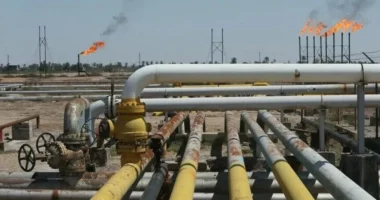
The most pressing international concern reported was the U.S.-Iran conflict fueling supply concerns, with oil prices exceeding $105 per barrel. This headline alone speaks volumes about the volatile state of global energy markets and the far-reaching economic consequences of geopolitical flashpoints. Such a price hike would not only impact consumers worldwide but also exacerbate inflationary pressures in countries like Albania, indirectly feeding into local grievances. The "News Hour" would undoubtedly connect this international development to its domestic implications, explaining how global conflicts directly affect the pockets of Albanian citizens.
Concurrently, the German Foreign Minister’s statement that "NATO must increase defense to deter Russia" highlighted ongoing anxieties in Eastern Europe and the broader transatlantic alliance. This indicates a sustained period of heightened tensions between NATO and Russia, likely stemming from continued conflict in Ukraine or other regional provocations. Such a declaration suggests a proactive stance from NATO, emphasizing collective security and deterrence, and would be of significant interest to a country like Albania, which is a NATO member and sensitive to regional stability.
Economic Outlook: Hopes and Hurdles
On the economic front, a glimmer of optimism was presented by the IMF’s projection that "EU membership will increase revenues; in a decade, per capita income is projected to rise by 35%." This report offers a long-term vision of prosperity tied to Albania’s European integration ambitions. However, juxtaposed with the immediate economic pressures and protests, it highlights the challenge of bridging the gap between aspirational future benefits and present-day struggles. The "News Hour" might have explored how the current instability could jeopardize these long-term projections or whether these promises were enough to assuage the public’s immediate discontent.

Another crucial economic piece was the report on the "Labor market/ How it affects higher education. Professions are preferred." This insight into Albania’s internal economic dynamics suggests a structural shift, where practical, vocational skills are gaining precedence over purely academic qualifications. This trend has significant implications for educational policy, youth employment, and future economic development, and is likely a topic of ongoing debate within the country.
Social Reflections: The Enduring Legacy of 9/11
Finally, the news cycle included a poignant reflection on a historical event: "Poll in USA: 9/11 changed Americans’ way of life forever." This report, likely coinciding with an anniversary of the 2001 attacks, underscores the lasting impact of major global events on national psyche and policy. While seemingly distant from Albania’s immediate concerns, such a report serves as a reminder of how societies adapt to trauma and how security concerns can permanently reshape daily routines and national priorities. For a news program like "News Hour," it provides a moment for broader international context and perhaps a comparative lens on how societies cope with different forms of crises.
Looking Ahead: The Unfolding Narrative
As the sun set on September 10, 2026, Albania found itself at a crossroads. The protests, now tinged with violence, presented a stark challenge to the nation’s leadership and its social fabric. The question posed by ABC News’ poll — whether the "punches" marked an end or merely a dangerous escalation — remained unanswered, awaiting the verdict of public opinion and the unfolding events of the coming days.
The nation’s internal struggles were inextricably linked to a turbulent global environment, where conflicts abroad drove up local costs, and major powers grappled with renewed geopolitical rivalries. ABC News, through programs like "News Hour" with Habi Hoxha, continued its vital role in navigating these complex narratives, providing citizens with critical information and fostering necessary public discourse in a rapidly changing world. The ability of Albania to reconcile its internal divisions and adapt to external pressures will define its trajectory in the years to come.