The e-commerce landscape is undergoing a period of rapid, AI-driven transformation. As we move deeper into the third quarter of 2026, the convergence of generative AI, agentic workflows, and high-speed logistics is redefining how merchants operate and how consumers shop. This week’s dispatch explores the latest suite of tools and strategic investments that are setting the stage for the next phase of digital retail.
Main Facts: The State of the Industry
This week’s updates underscore a clear trend: the shift from passive software to "agentic" commerce. Platforms are no longer just providing tools to manage data; they are providing autonomous agents capable of making decisions, managing customer interactions, and optimizing supply chains in real time.
Key highlights include:
- Platform Maturity: WooCommerce has hit a major milestone with version 11.0, focusing on backend performance and conversion optimization.
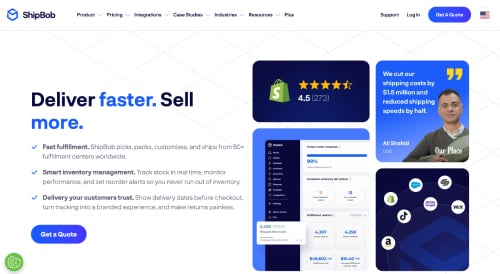
- AI Integration: From Adobe’s Catalog Agent to ShipBob’s AI-driven fulfillment suite, AI is becoming the backbone of operational efficiency.
- Funding Shifts: Massive capital injections, such as Whatnot’s $545 million Series G, indicate strong investor confidence in the future of live-shopping and interactive retail.
- Logistical Breakthroughs: Cainiao Group is pushing the boundaries of global trade with 3-day cross-border delivery, setting a new benchmark for international fulfillment.
Chronology of Developments
The following timeline tracks the rapid-fire release of features and strategic announcements over the past several days:

- August 3: Wayy.ai secures $2 million in pre-seed funding to deploy its "AI Co-Founder" tool for solopreneurs.
- August 4: Kibo Commerce launches its unified agentic platform. Simultaneously, RepSpark announces $22 million in growth equity, and Minty rolls out its Shopify integration.
- August 5: ShipBob introduces its AI suite, anchored by its new proprietary connector, while Cainiao unveils its high-speed global delivery service.
- August 6: Adobe releases its ChatGPT plugin, and Wunderkind announces a strategic partnership with Cordial to advance autonomous marketing.
- Ongoing: WooCommerce 11.0 and Markable’s new creator-focused AI tools continue to see high adoption rates across the merchant community.
Supporting Data and Technical Innovations
The Rise of Agentic Commerce
The most significant development this week is the "agentic" shift. Kibo Commerce’s new platform is a prime example. By organizing operations into five core functions—configure, explain, analyze, engage, and optimize—Kibo is moving beyond static dashboards toward AI that acts on behalf of the business.
Similarly, ShipBob’s AI suite, powered by their new Multi-Cloud Platform (MCP) connector, bridges the gap between digital software and physical warehouse robotics. This represents a "closed-loop" system where data insights from an AI agent can trigger immediate physical actions on the warehouse floor.
Logistics and Supply Chain Velocity
Cainiao Group’s 3-day delivery service is a testament to the maturation of global logistics networks. By integrating air cargo, customs clearance, and last-mile delivery across 15 trade lanes, they are effectively narrowing the logistical gap between domestic and international shopping. This is expected to be a major tailwind for cross-border merchants who have historically struggled with the "latency tax" of overseas shipping.
AI-Driven Content Generation
The launch of the AI Bulk Listing Generator addresses a perennial pain point for merchants: catalog scalability. By allowing businesses to import structured data from spreadsheets and generate thousands of listings in minutes, the platform solves the bottleneck of manual entry. This is particularly vital for multi-channel sellers who must maintain consistency across Shopify, Amazon, and eBay simultaneously.
Official Perspectives and Strategic Vision
Whatnot’s Massive Capital Injection
Whatnot’s $545 million Series G, led by ICONIQ, Lightspeed, and Avra, highlights the endurance of the live-shopping model. According to company statements, their growth has been exponential, with August 2026 volume already eclipsing their total for the entirety of 2025. The company plans to funnel this capital into AI-driven discovery, ensuring that users are matched with live streams that align with their personal interests, effectively turning a shopping session into an entertainment experience.
RepSpark and the Future of B2B
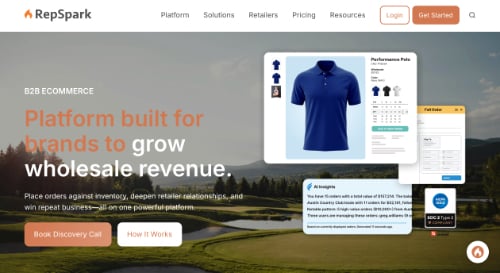
RepSpark’s $22 million investment from Headlight Partners underscores the growing focus on B2B e-commerce. As specialty retail brands move away from manual spreadsheets and legacy EDI systems, they require robust, scalable platforms. RepSpark’s commitment to expanding its integration ecosystem suggests that they are positioning themselves to be the "central operating system" for wholesale trade.
Adobe’s Creative Integration
Adobe’s launch of its ChatGPT plugin is a strategic play to maintain dominance in the content creation space. By allowing users to invoke 70+ Adobe tools directly within a chat interface, they are removing the technical barrier to entry for professional-grade marketing assets. This allows a small business owner to describe a campaign vision and have the assets generated, edited, and formatted for a PDF or social media post in a single workflow.
Implications for the Merchant
For the average e-commerce merchant, these developments offer a dual-sided reality: increased efficiency at the cost of higher technical complexity.
1. The Death of Manual Operations
With tools like AI Bulk Listing Generator and Wayy.ai, the era of manual data entry and basic administrative outreach is coming to an end. Merchants who continue to handle these tasks manually will find it increasingly difficult to compete with the speed and scale of AI-augmented rivals.
2. Privacy and Personalization
The partnership between Eyeota and Zeotap Data for Amazon DSP highlights the industry’s pivot toward "privacy-first" advertising. As third-party cookies continue to vanish, advertisers are turning to intent and behavioral signals that exist within walled gardens like Amazon. Merchants should prepare for a future where customer acquisition relies on deep, first-party data integrated into ad-buying algorithms.
3. The New Standard for Checkout
Rokt’s Brain V4 and WooCommerce’s Checkout Recovery represent a new standard for the checkout experience. It is no longer enough to offer a functional cart; the checkout must be a dynamic, personalized interface that adapts in real-time to the individual customer. Whether through personalized offers or intelligent messaging, the checkout page has become the final, most critical battleground for conversion.
4. Cross-Border Accessibility
For smaller retailers, the barrier to entry for international sales is lowering. With global logistics providers like Cainiao optimizing the fulfillment path, merchants should begin evaluating their inventory readiness for global expansion. If a product can be delivered in three days, the competitive landscape for that product is no longer local or regional—it is global.
Conclusion
The e-commerce sector of late 2026 is defined by a rapid move toward intelligent, automated, and globalized infrastructure. The tools highlighted this week—from the backend power of WooCommerce 11.0 to the forward-thinking agentic frameworks of Kibo Commerce—are not just incremental upgrades. They are the building blocks of a more efficient, high-velocity digital economy.
Merchants who invest the time to integrate these tools into their tech stacks will likely see significant gains in productivity and customer satisfaction. However, the true winners will be those who can harness these AI agents to create a cohesive, personalized, and seamless experience for their customers. As the gap between intention and purchase continues to shrink, the brands that leverage the best technology to bridge that gap will dictate the future of commerce.
Got an e-commerce product release? Please reach out to our editorial team at [email protected].