In the rapidly evolving landscape of direct-to-consumer (DTC) apparel, the line between digital convenience and physical immersion has become increasingly blurred. For Beyond Yoga, a premium activewear brand known for its emphasis on comfort and inclusivity, the path forward is clear: it intends to become a permanent fixture in the nation’s most prominent shopping corridors.
CEO Nancy Green has confirmed that the brand’s current pop-up location in New York’s Flatiron District—which debuted in September and is slated to run through January—is a precursor to a more permanent presence. For Beyond Yoga, these temporary installations are not merely marketing exercises; they are essential tactical maneuvers in a larger, calculated expansion strategy that prioritizes community engagement, brand identity, and data-backed site selection.
The Main Facts: A Blueprint for Physical Expansion
Beyond Yoga’s current footprint includes 20 stores, a number that the company intends to grow significantly. The New York City pop-up serves as the latest case study in how the brand bridges the gap between its massive e-commerce following and a tangible, in-store experience.
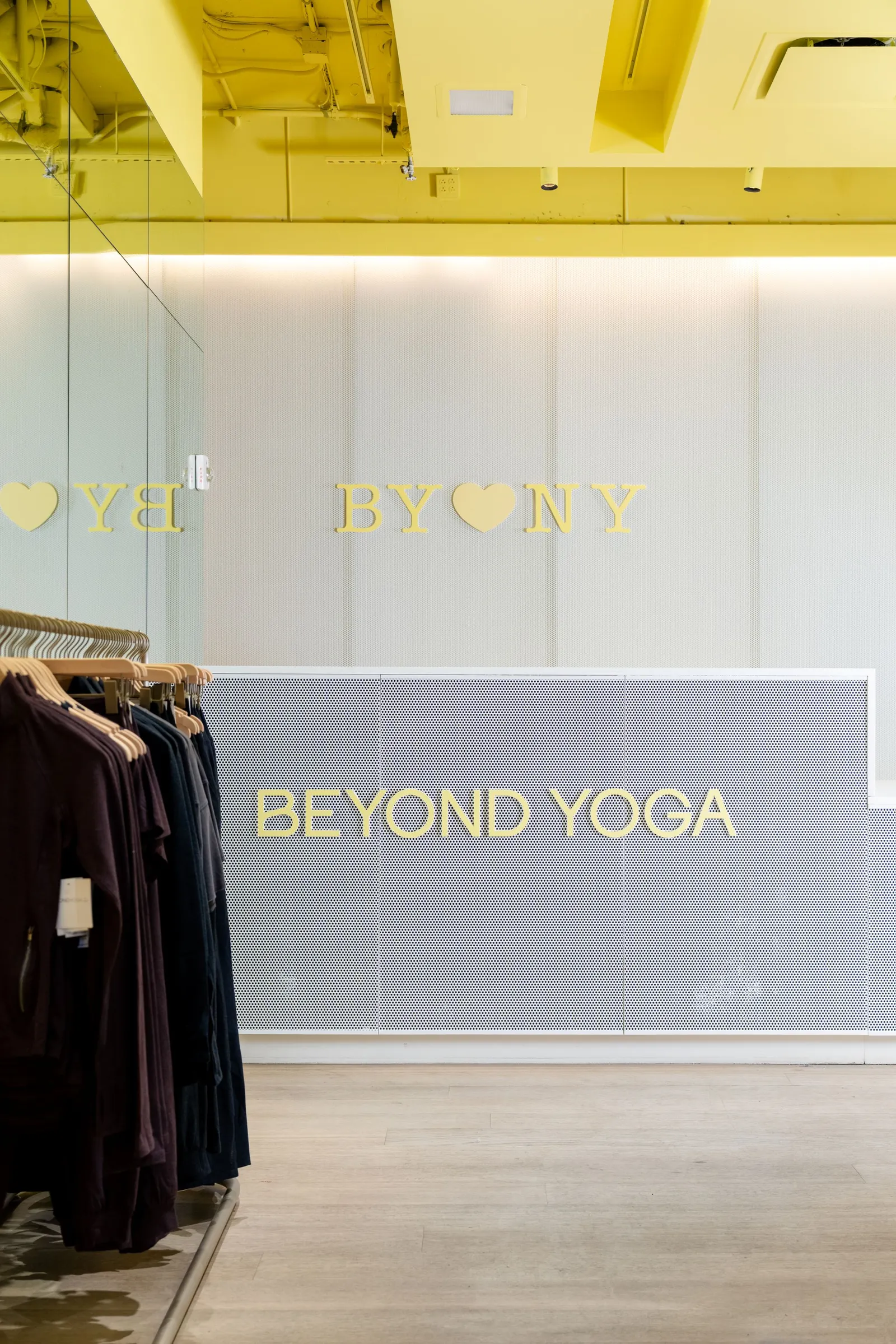
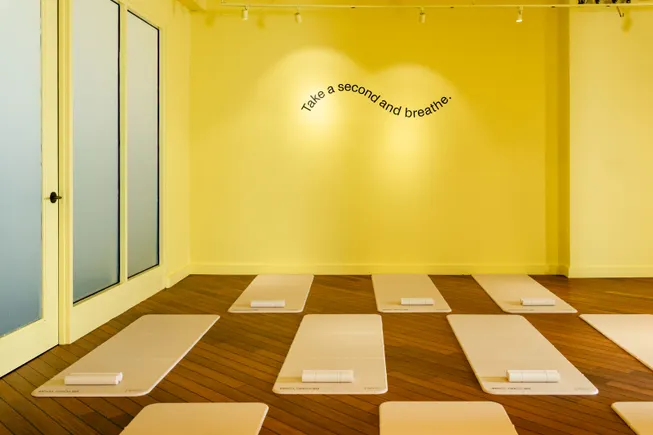
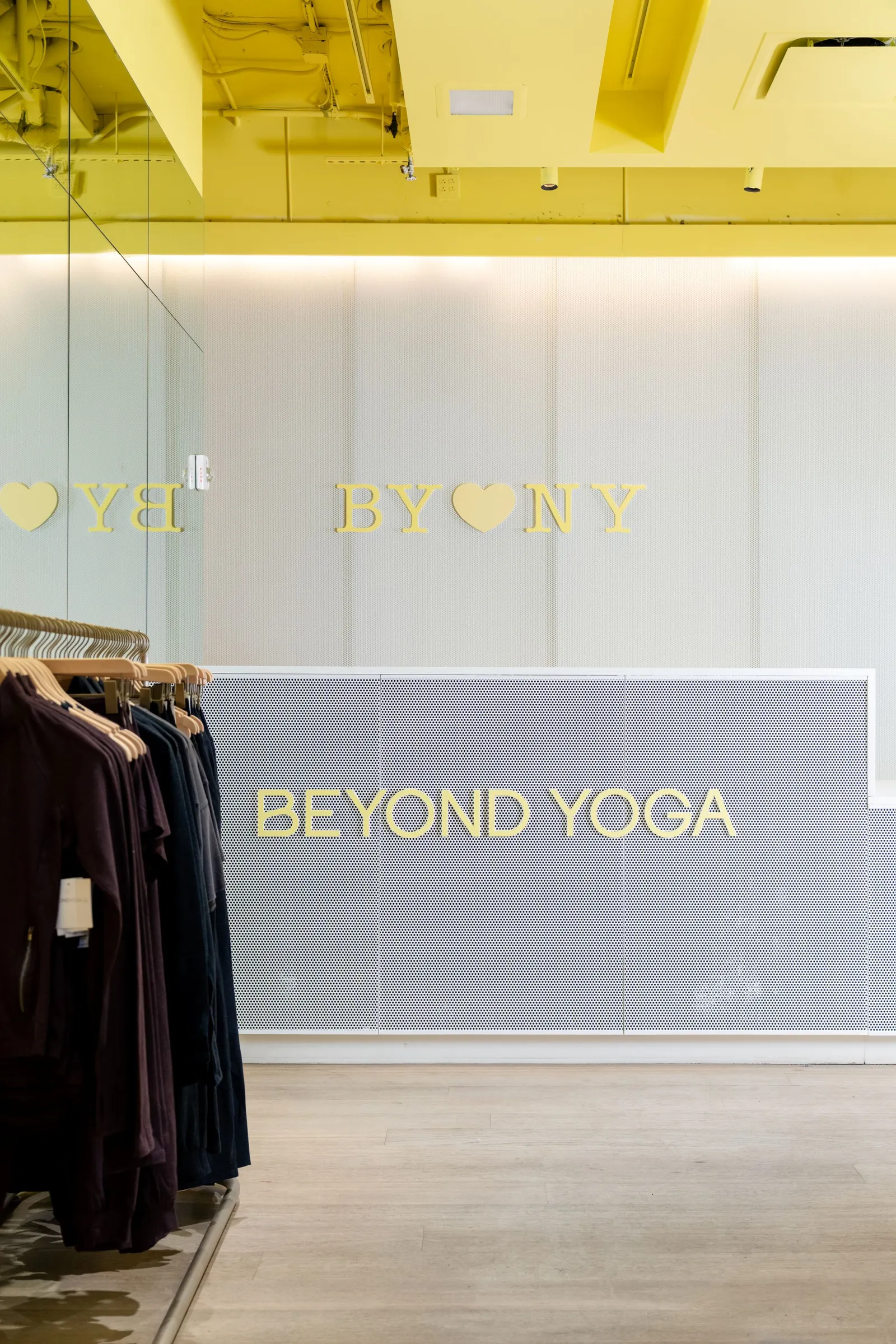
The Flatiron location, which follows a similar, community-focused initiative from 2024, represents a shift in strategy. While last year’s activation focused primarily on community building, the current iteration offers a sophisticated, fully built-out retail environment. It features an integrated studio space designed to host fitness classes and, more importantly, experiential events that align with the brand’s core philosophy.
These events have already garnered significant attention. A recent "Open Air" activation, featuring a community run and a live performance by pop icon Natasha Bedingfield, underscored the brand’s commitment to "owning joy." This mantra, as articulated by Green, differentiates Beyond Yoga in an industry that is often obsessed with the optics of high-performance athleticism. By positioning itself as a lifestyle brand centered on the human experience rather than just raw performance metrics, Beyond Yoga is successfully carving out a niche that appeals to a broad, lifestyle-oriented demographic.
A Chronological Evolution of Retail Strategy
To understand where Beyond Yoga is going, one must look at where it began. The brand’s expansion story is one of disciplined, geographic clustering.
- Early Days: Based in Los Angeles, the company initially focused on saturating its home market. It established its retail foundation in Santa Monica, California, leveraging the high density of its target audience in the region. This "home-court advantage" allowed the brand to refine its in-store aesthetic and operational model.
- The West Coast Expansion: Following the success in Southern California, Beyond Yoga expanded systematically across the state and broader West Coast, identifying markets where its e-commerce demand was strongest.
- The 2024 Pilot: The brand tested the waters in New York City with a community-focused pop-up. The objective was to build brand awareness in one of the world’s most competitive retail markets without the overhead of a long-term lease.
- The 2025 Vision: With the current Flatiron pop-up, the brand has matured from "testing the waters" to preparing for a multi-store presence in the city. Green has explicitly stated that the company knows it needs at least one, if not multiple, permanent homes in New York to satisfy the high demand from its local online customer base.
Supporting Data: The Science Behind the Store
While the brand is tight-lipped about the specific performance metrics of its current temporary location, the strategy behind it is anything but arbitrary. Beyond Yoga employs a rigorous, data-driven approach to site selection.
The E-commerce Correlation
Beyond Yoga prioritizes markets where its e-commerce business is already flourishing. This creates a "flywheel effect." When the brand establishes a physical store in a high-density e-commerce market, it typically sees a lift in online sales in that same region. This phenomenon, which industry analysts call the "halo effect," suggests that physical storefronts act as billboards that build trust and brand awareness, which in turn fuels the digital business.
The Wholesale Ecosystem
The retail strategy is further supported by a robust wholesale network. By partnering with boutique fitness studios and larger retail accounts, the company maintains a presence in markets where a standalone store might not yet be viable. This "ecosystem" approach allows Beyond Yoga to meet the customer wherever they are. As Green notes, wholesale channels serve as a critical "discovery" tool, introducing the product to potential customers who might eventually transition to shopping at a flagship location as the brand grows.
Official Responses: Defining the "Joy" Philosophy
At the heart of the Beyond Yoga brand is a refusal to succumb to the "performance-only" narrative that dominates the activewear industry. Nancy Green’s leadership style is rooted in a philosophy that prioritizes the customer’s emotional state as much as the fabric technology of their leggings.
"A lot of people and players in this space are emphasizing performance and high performance," Green said. "We’re not about that. We’re about actually enjoying the experience. I think that joy is very, very important and needed right now in the world."
This is not just marketing jargon; it is woven into the physical architecture of their stores. The brand uses color—specifically its signature, vibrant yellows—as a primary tool of activation. Whether in the interior design or the exterior signage, the use of color is intended to elicit an immediate emotional response.
"We activate through color, and we have a very unique point of view on color, and that is part of the joy," Green explained. "Yellow is a joyful color." By creating environments that feel inclusive, fun, and human, Beyond Yoga is betting that the future of retail is not just about the transaction, but about the emotional resonance the brand fosters with the consumer.
Strategic Implications: What’s Next?
The implications of Beyond Yoga’s current trajectory are significant for the retail sector. The brand is proving that even in a post-pandemic world where digital sales are paramount, the physical store remains a vital component of the premium brand experience.
1. The Death of "Retail Is Dead"
Beyond Yoga is one of many brands successfully challenging the narrative that physical retail is dying. Instead, they are demonstrating that physical retail is evolving. It is no longer just about inventory distribution; it is about community management. By hosting fitness classes and exclusive events, the store becomes a destination rather than a point of purchase.
2. A Phased Approach to Scaling
By using pop-ups as a bridge to permanent leases, Beyond Yoga minimizes financial risk while maximizing market research. They are able to test traffic patterns, customer demographics, and product preferences in real-time before signing long-term leases. This creates a sustainable path for expansion that is less prone to the boom-and-bust cycles that have hampered other retailers.
3. The Future of Premium Activewear
As the brand continues to grow, it faces the challenge of scaling its intimate, "joyful" experience across a larger footprint. The success of the current expansion depends on its ability to maintain the high quality of the customer experience that shoppers have come to expect in its established West Coast markets.
4. A National Outlook
Looking ahead, Green’s ambition is clear: the brand is scaling for a national presence. She acknowledges that markets currently deemed unsuitable for a standalone store may change in three years as the brand matures and its awareness grows. This long-term horizon suggests that the New York move is merely the beginning of an aggressive, multi-year rollout that will likely see Beyond Yoga planting its "yellow" flag in major metropolitan hubs across the United States.
In conclusion, Beyond Yoga is successfully navigating the transition from a niche digital player to a major retail force. By anchoring its expansion in data-driven site selection, supporting that with a wholesale discovery ecosystem, and defining its identity through a unique and human-centric "joy" philosophy, the brand is well-positioned to maintain its momentum in an increasingly crowded marketplace. As the Flatiron pop-up closes its doors in January, the industry should expect to see the brand return—this time, with a permanent address that serves as a testament to its successful, joy-focused retail evolution.