
In the rapidly evolving landscape of search, the traditional playbook of stuffing keywords and chasing algorithmic updates is losing its efficacy. As AI-powered search engines—such as Google’s AI Overviews, ChatGPT, and Perplexity—become the primary gateway for information, the criteria for "ranking" have shifted fundamentally. Today, the most important strategy to win in AI search is no longer just on-site optimization; it is Digital PR.

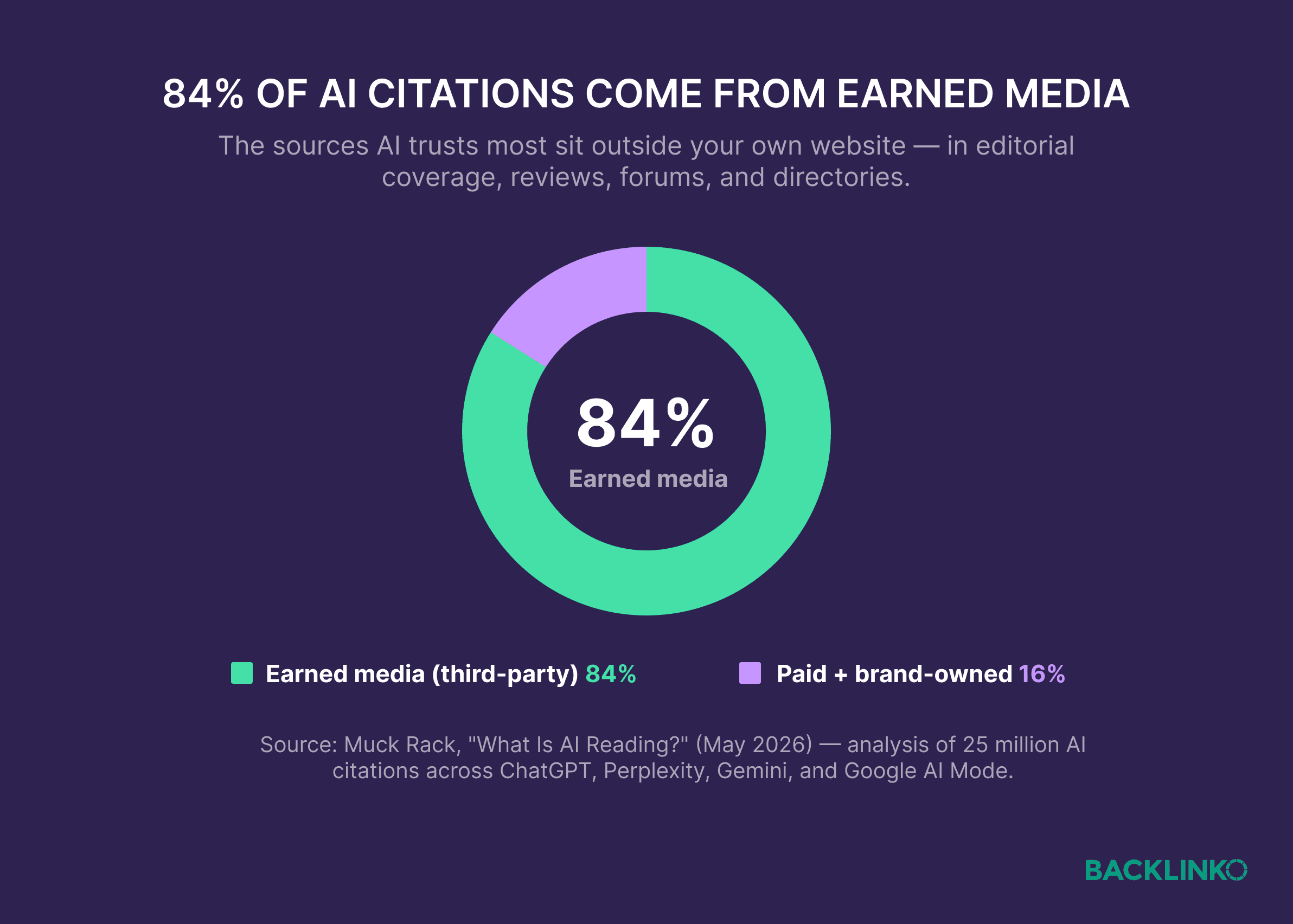
A groundbreaking study by Muck Rack confirms this paradigm shift: 84% of AI citations are derived from earned media, including editorial coverage, expert reviews, and community-driven forums. In the era of LLMs (Large Language Models), third-party validation has officially surpassed self-promotion.
The Shift: From On-Site SEO to Off-Site Authority
While publishing high-quality content on your own domain remains a foundational requirement for SEO, your visibility in an AI-generated answer is determined almost entirely by what happens off your website. AI systems function by synthesizing information from dozens of disparate, high-authority sources across the web. They do not just crawl a URL; they weigh the collective consensus of the internet to determine which brand is the most trustworthy answer to a user’s prompt.
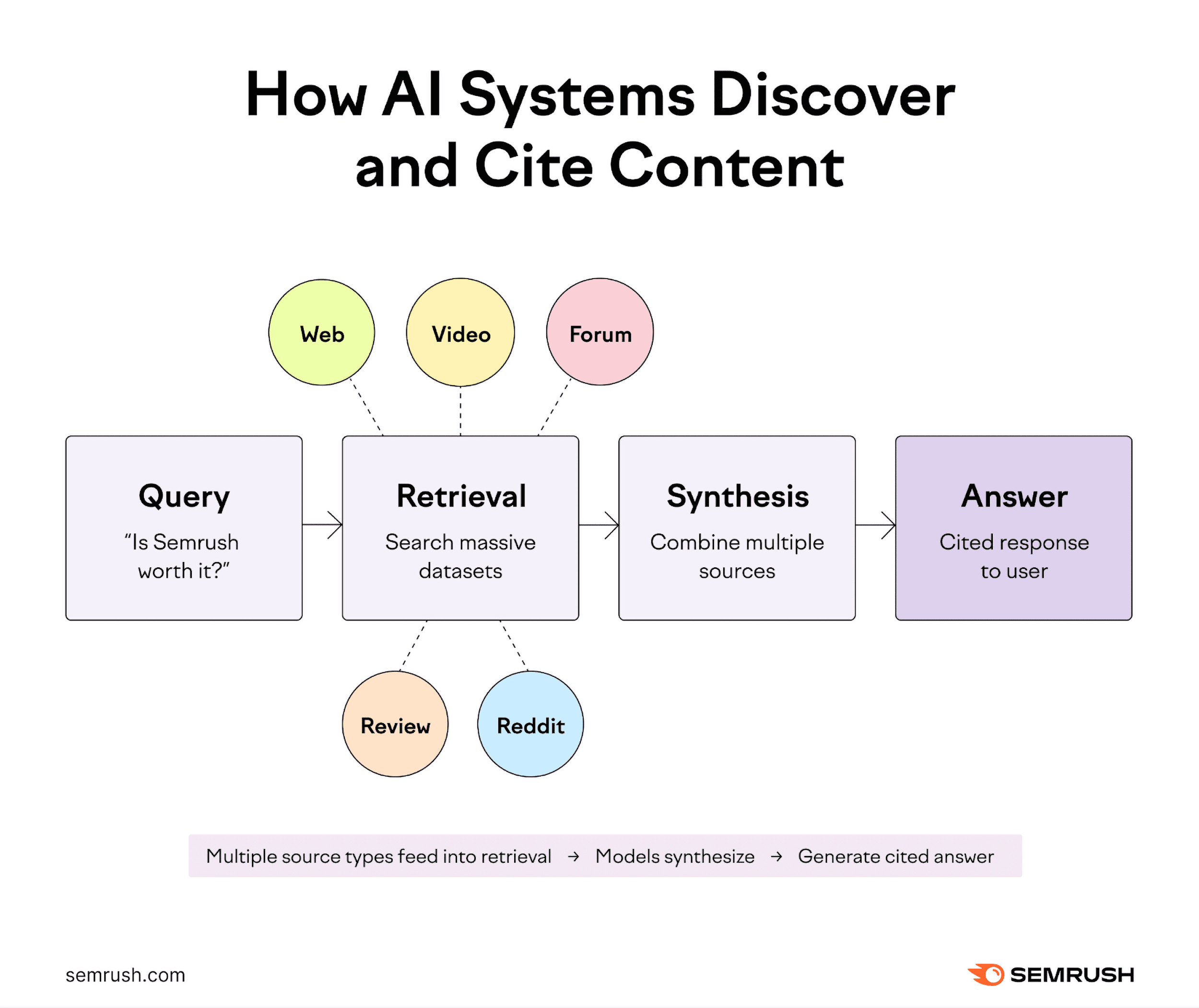
The brands that dominate AI search results are those that maintain a consistent, pervasive presence across the platforms these models trust. Digital PR is the mechanism through which you earn that presence. By securing features in the right publications—those already being read, indexed, and referenced by AI models—you transform your brand from an unknown entity into a familiar, authoritative source.
Chronology of the AI Search Evolution
To understand the urgency of this pivot, one must look at how the search experience has transitioned over the last few years:
- The Keyword Era: Search was primarily about matching user queries to specific strings of text on a page. Backlinks were the primary indicator of trust.
- The Semantic Era: Search engines began understanding intent and context. Quality content and user experience became the benchmarks for success.
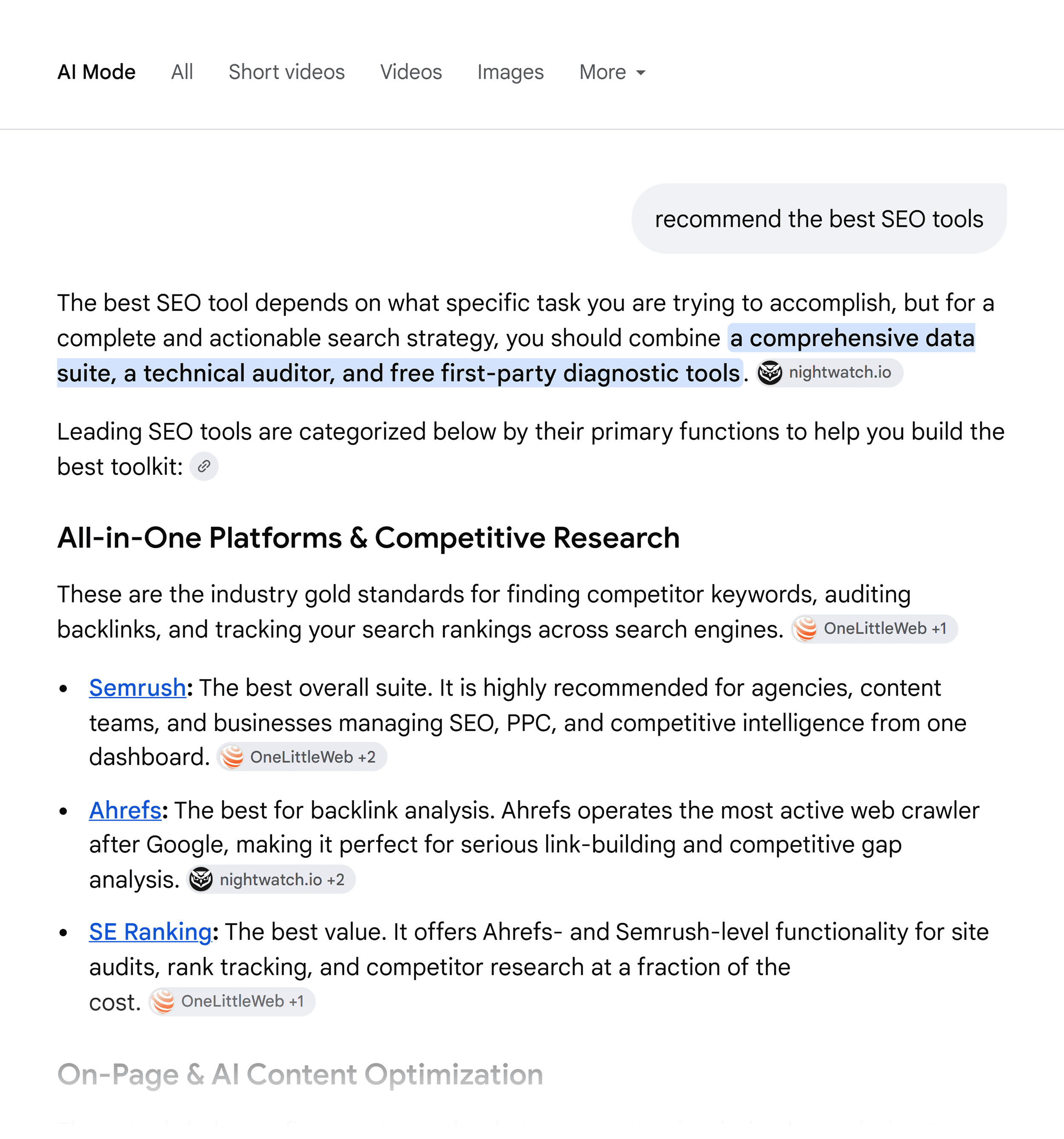
- The Synthesis Era (Present Day): AI systems now act as curators. They do not send users to a list of links; they synthesize an answer. If your brand is not mentioned in the source material the AI pulls from, you effectively do not exist in the search result.
This transition has made Digital PR a non-negotiable component of modern marketing. If your brand is not being discussed, cited, or recommended on the third-party platforms that feed AI training data, you are invisible to the next generation of search users.
Supporting Data: Why Authority Matters
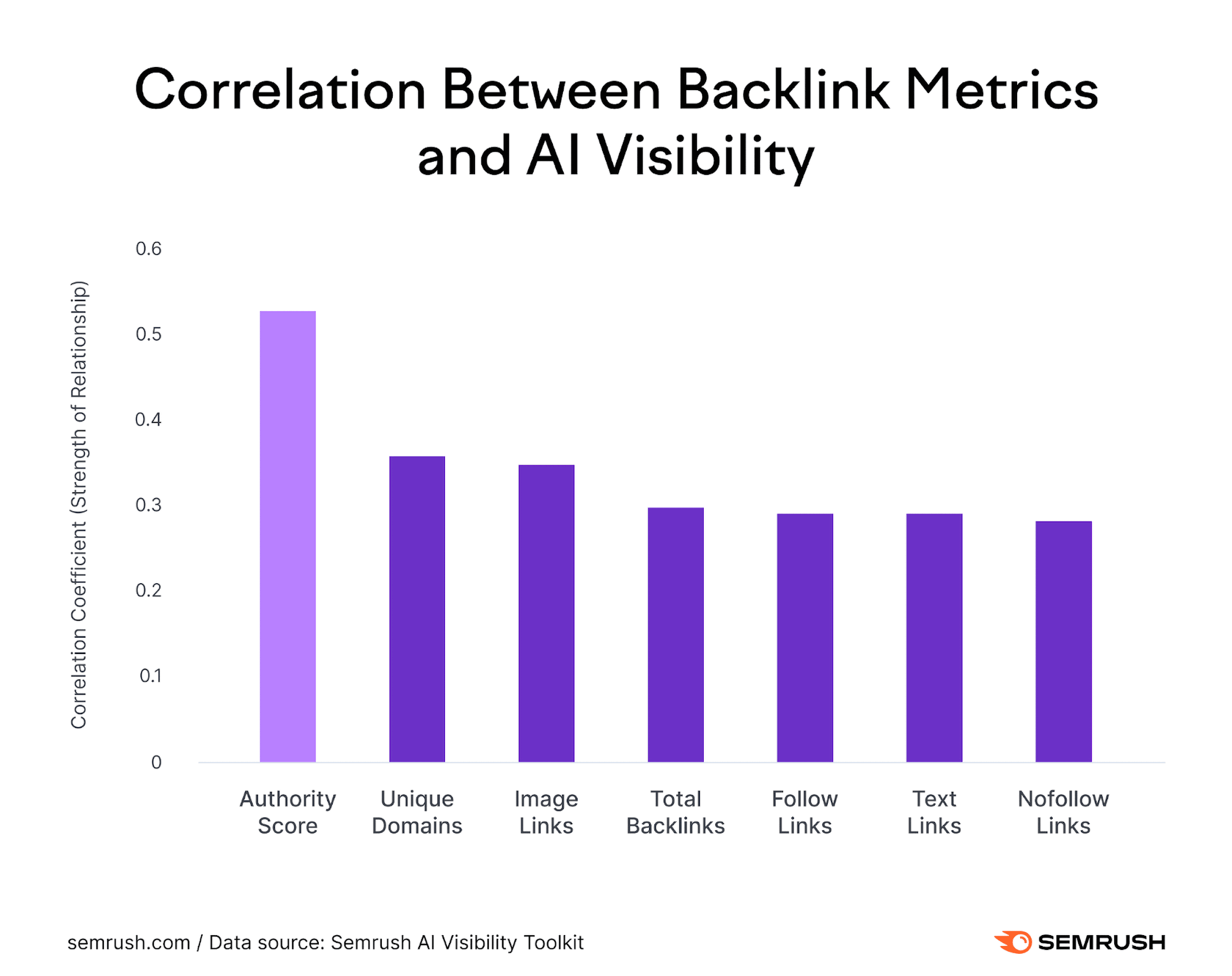
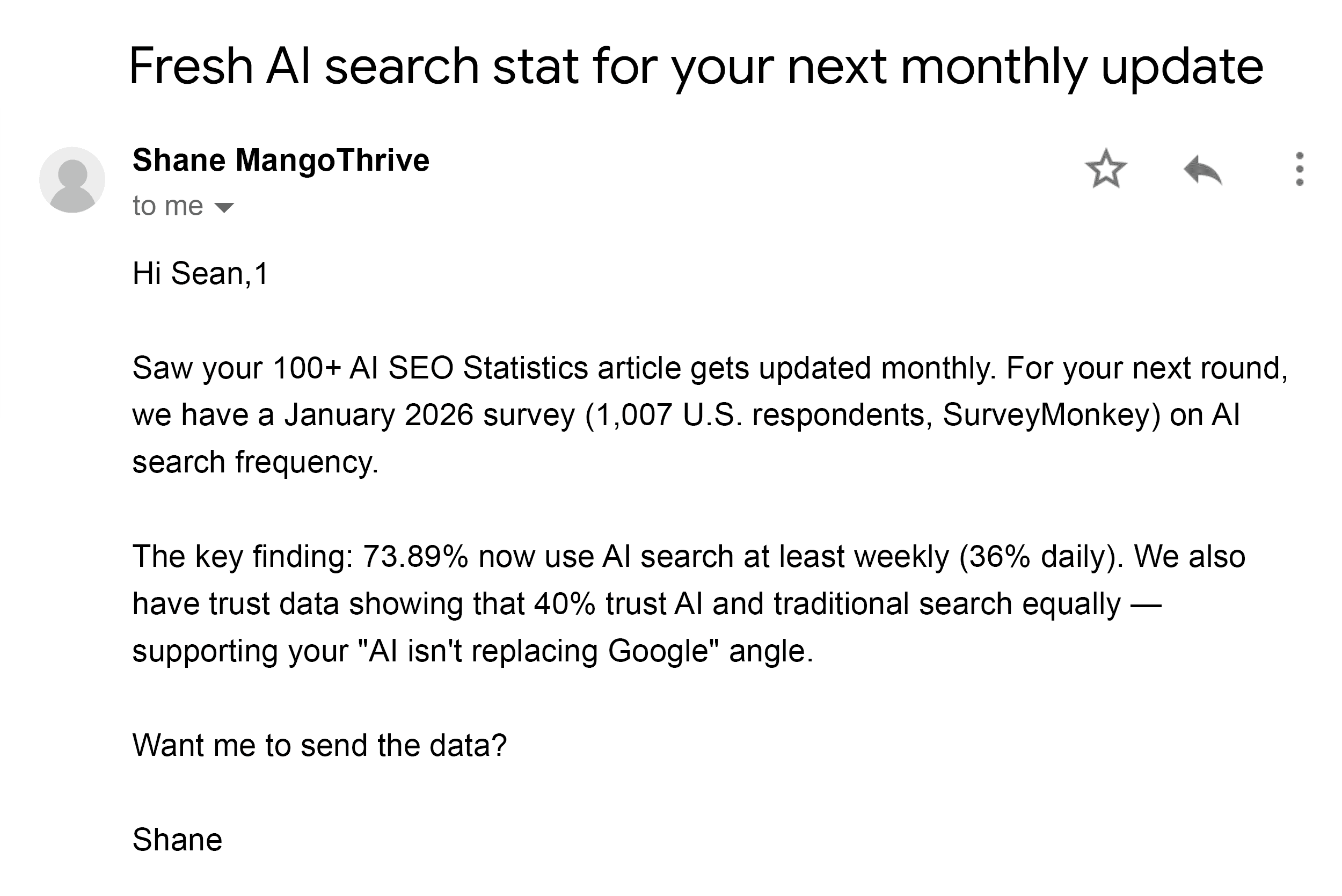
The correlation between backlink authority and AI visibility is not anecdotal; it is data-driven. A study of 1,000 domains conducted by Semrush revealed that brands with robust backlink profiles are significantly more likely to be featured in AI-generated answers.
Further supporting this, Seer Interactive’s analysis of 800,000 AI responses highlighted two primary metrics that dictate AI visibility: Domain Authority and the presence of high-quality backlinks from sites with a Domain Authority (DA) of 60 or higher.
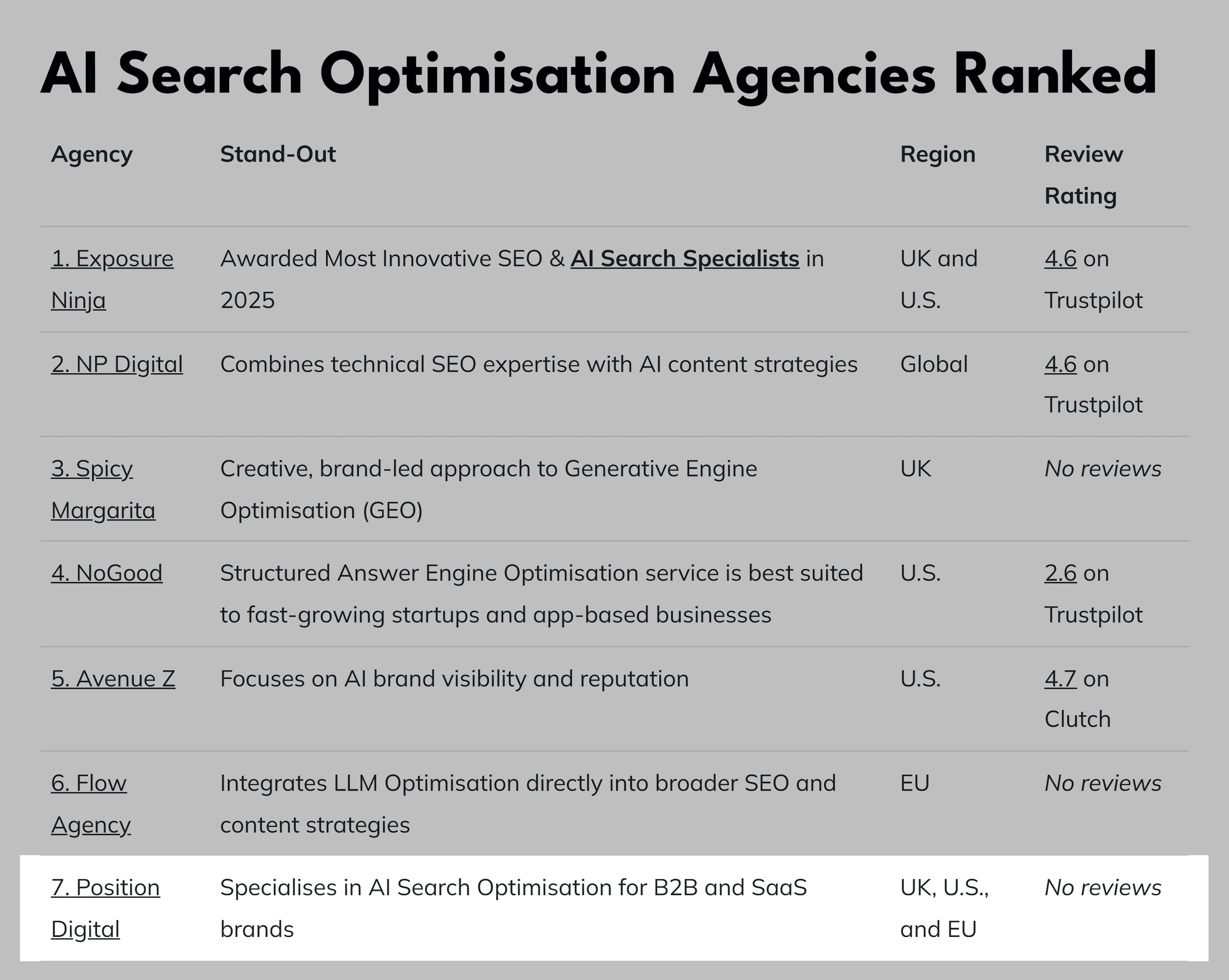
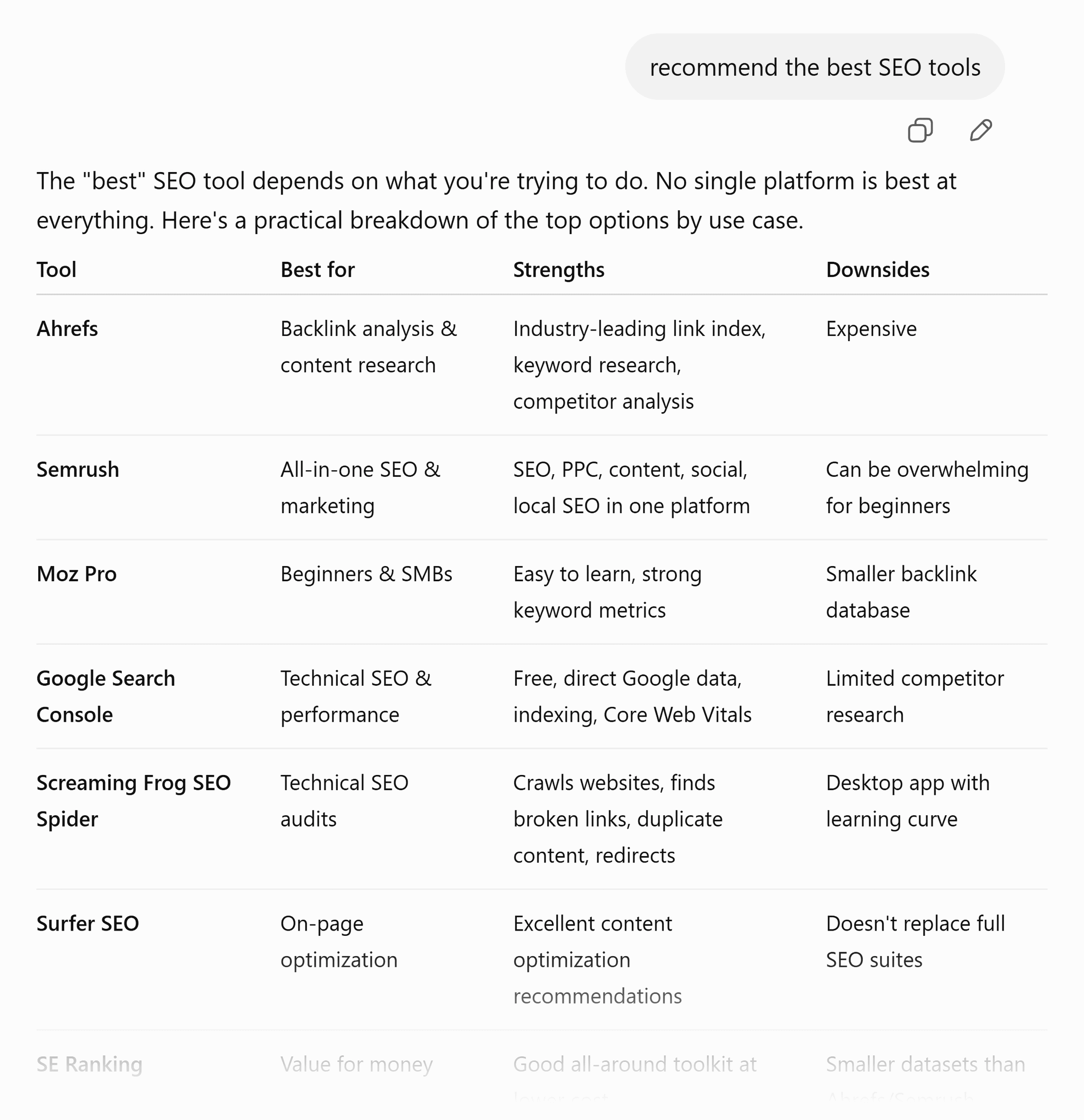
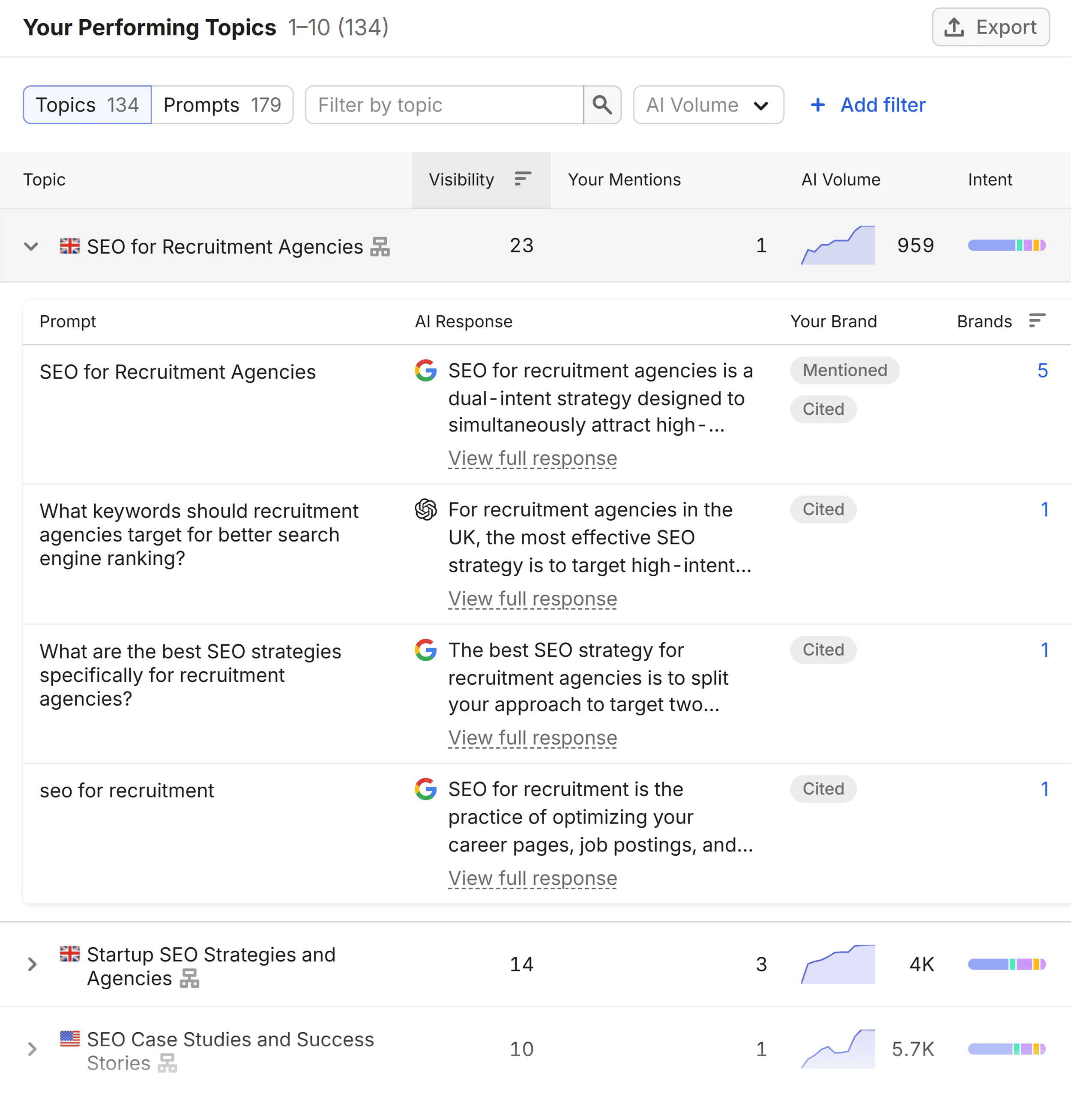
The data is clear: AI systems are programmed to prioritize "trusted" sources. When an AI is asked to recommend an agency or a software tool, it cross-references its internal knowledge base against real-time web data. If your brand appears consistently across industry-leading publications and reputable forums, the AI perceives you as a leader. If you only appear on your own blog, the AI views you as a singular, unverified source.
Six Proven Digital PR Strategies for AI Dominance
1. Data-Led PR: Original Research
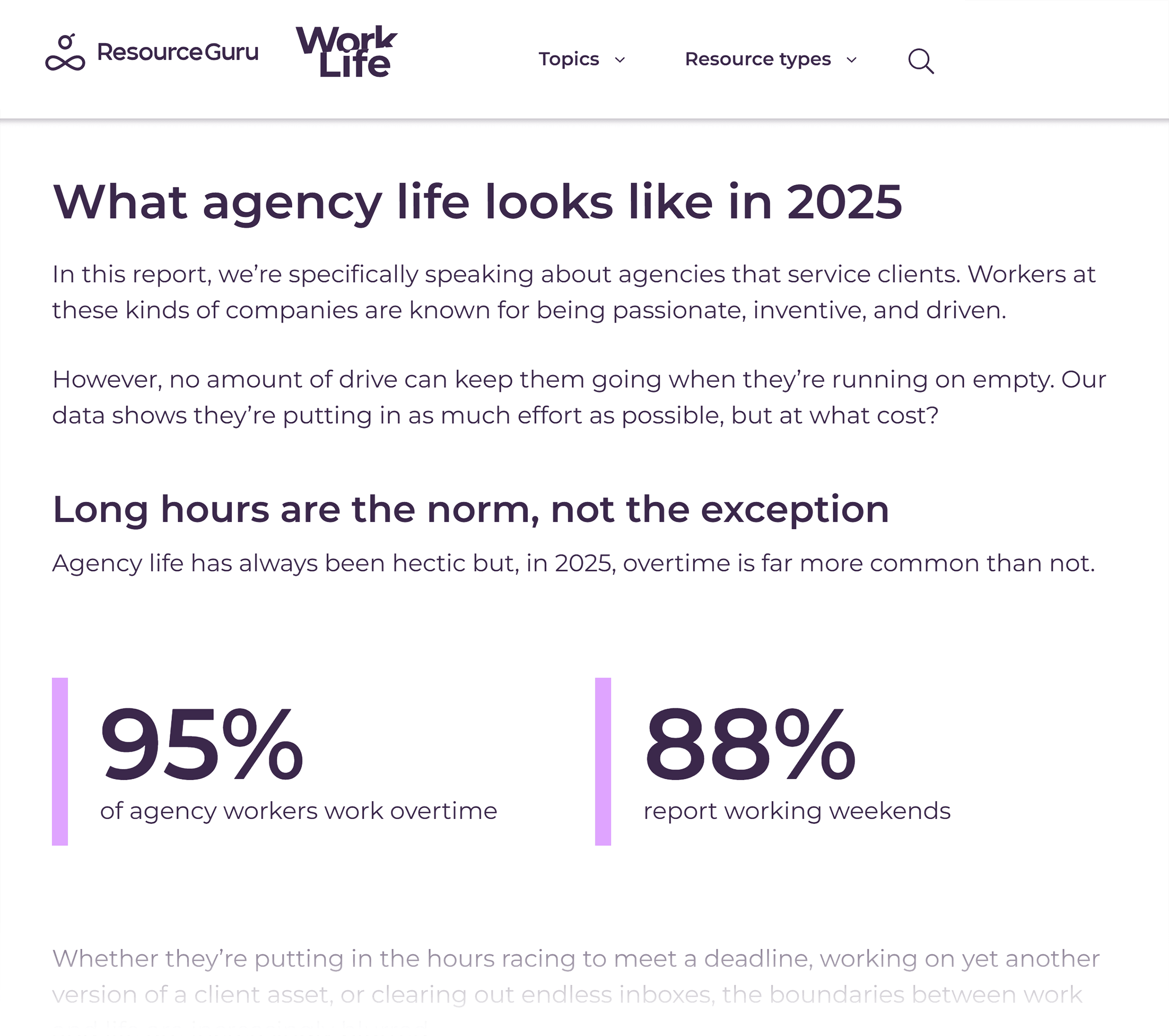
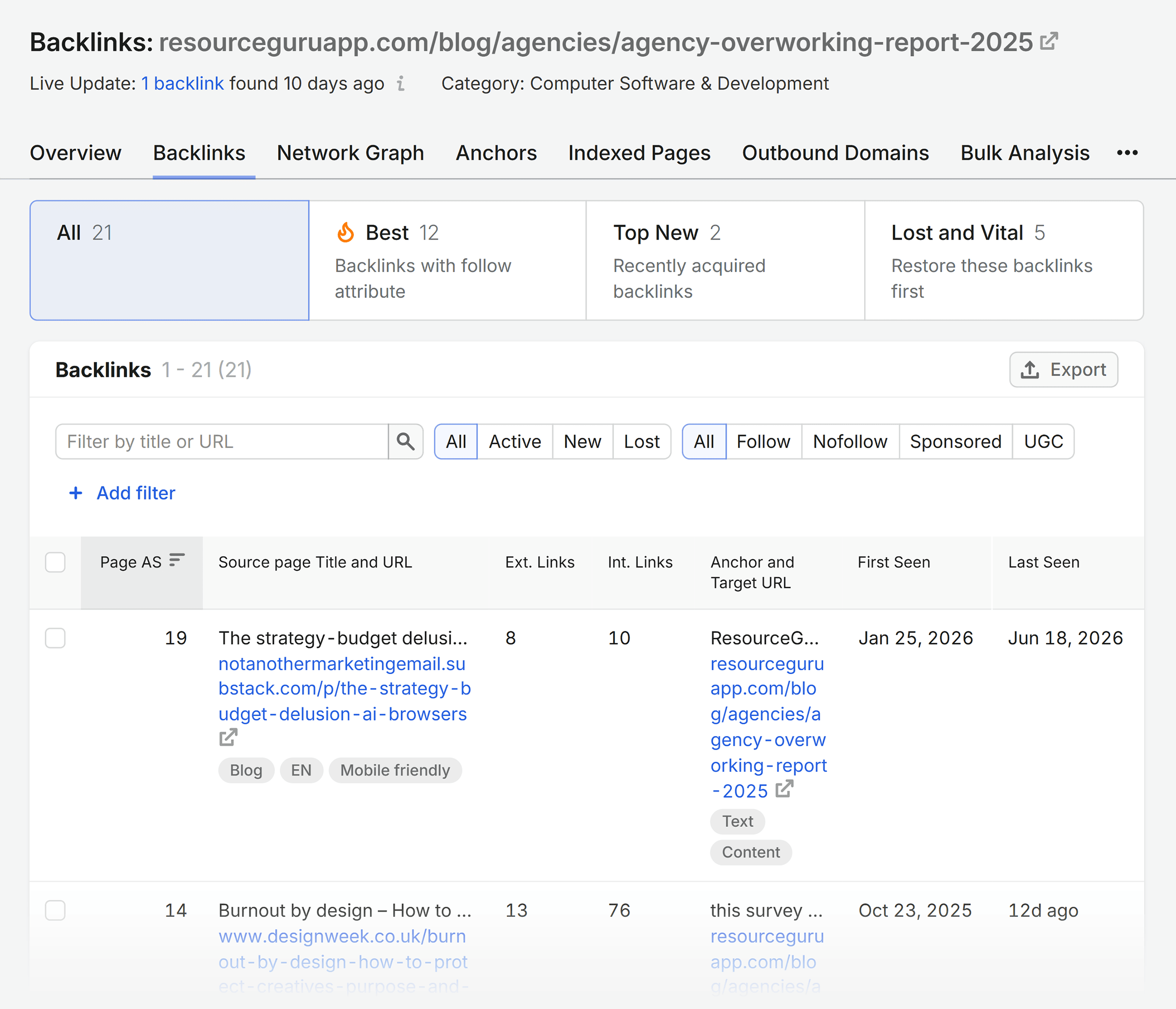
Journalists and industry experts are perpetually hungry for credible data to bolster their content. By publishing original research—such as statistical roundups or proprietary industry reports—you create a "link magnet" that naturally attracts high-quality backlinks. When you provide fresh, accurate data, you replace outdated sources in existing articles, effectively inserting your brand into the ecosystem of information that AI models cite.
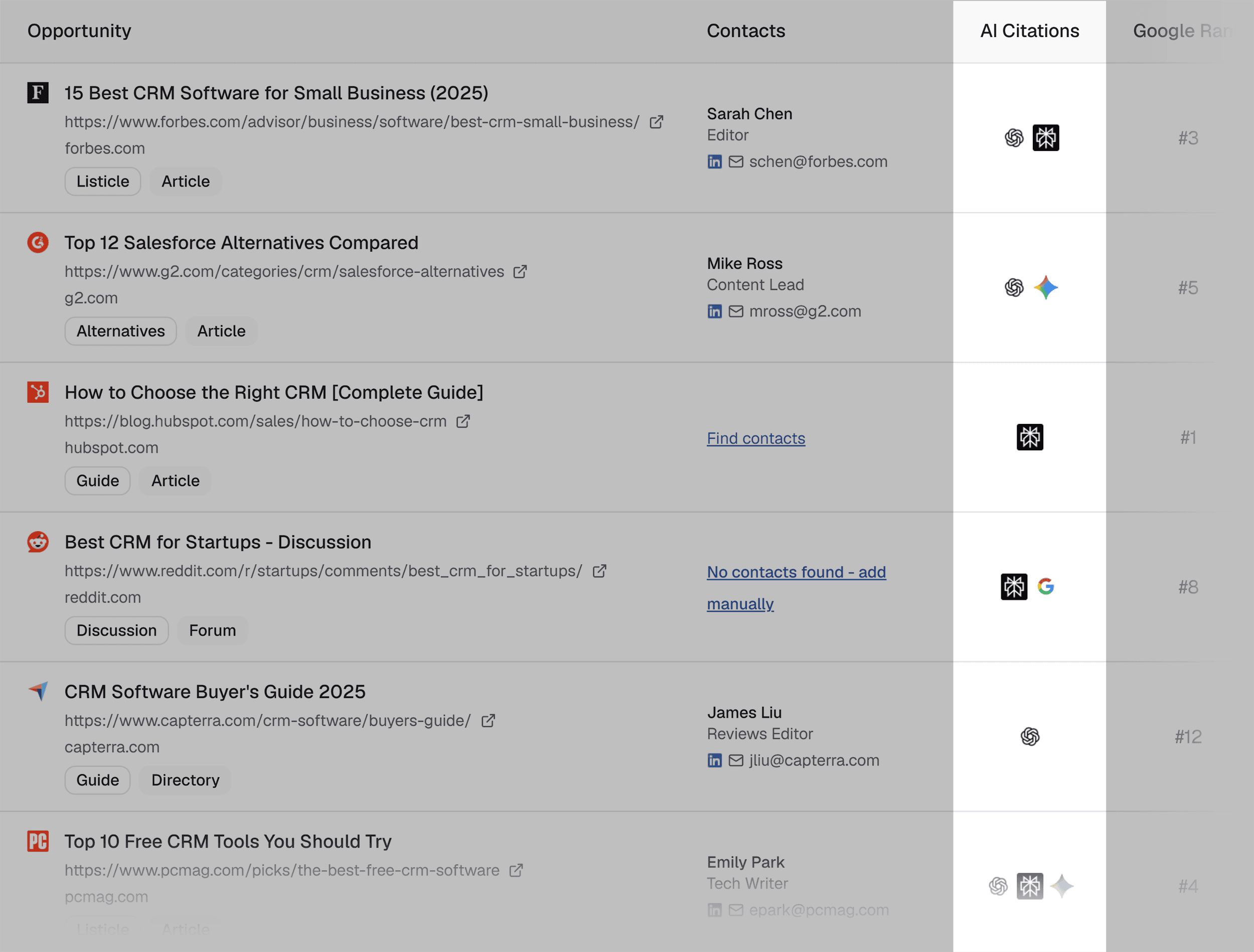
2. AI Citation Outreach
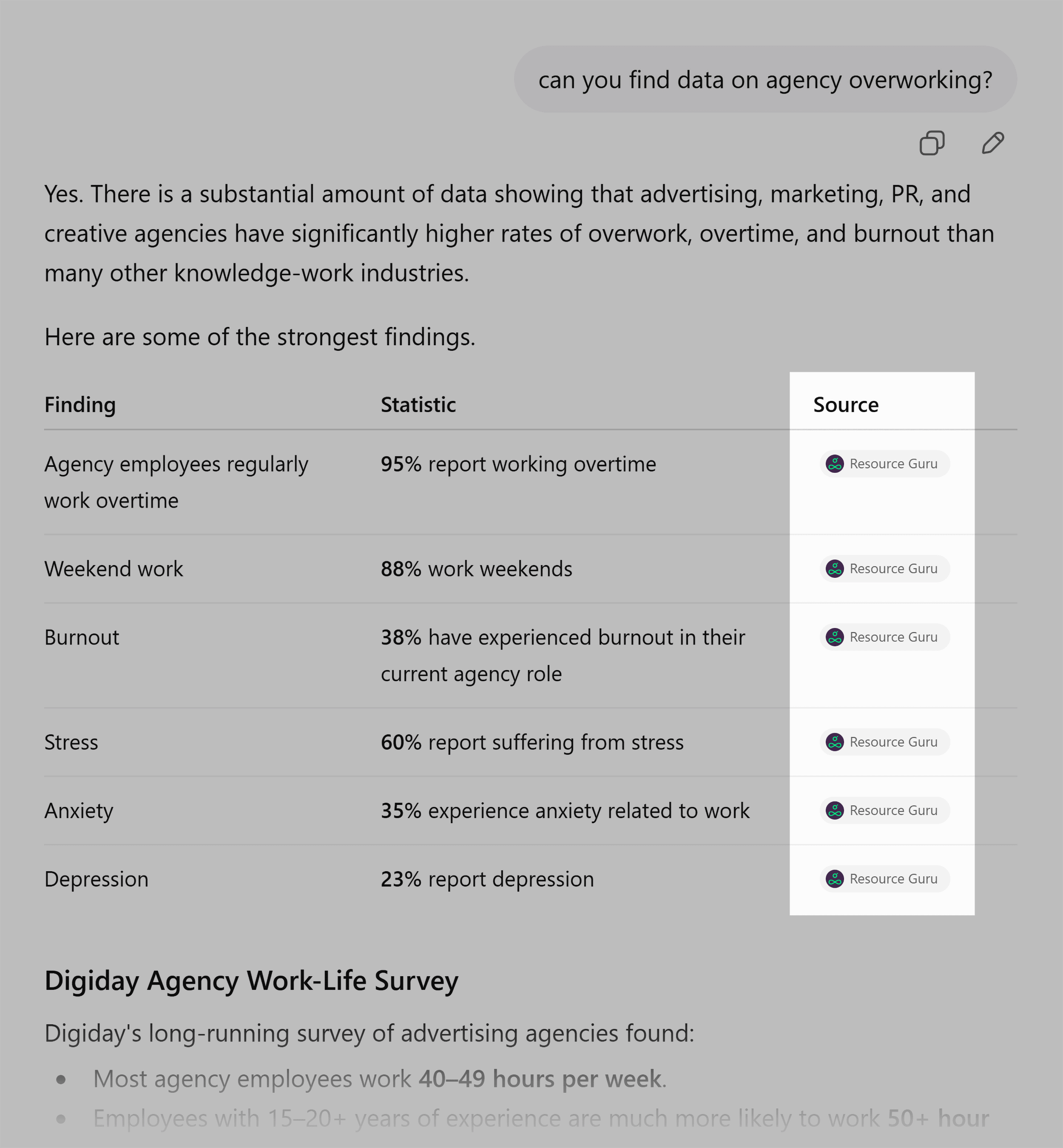
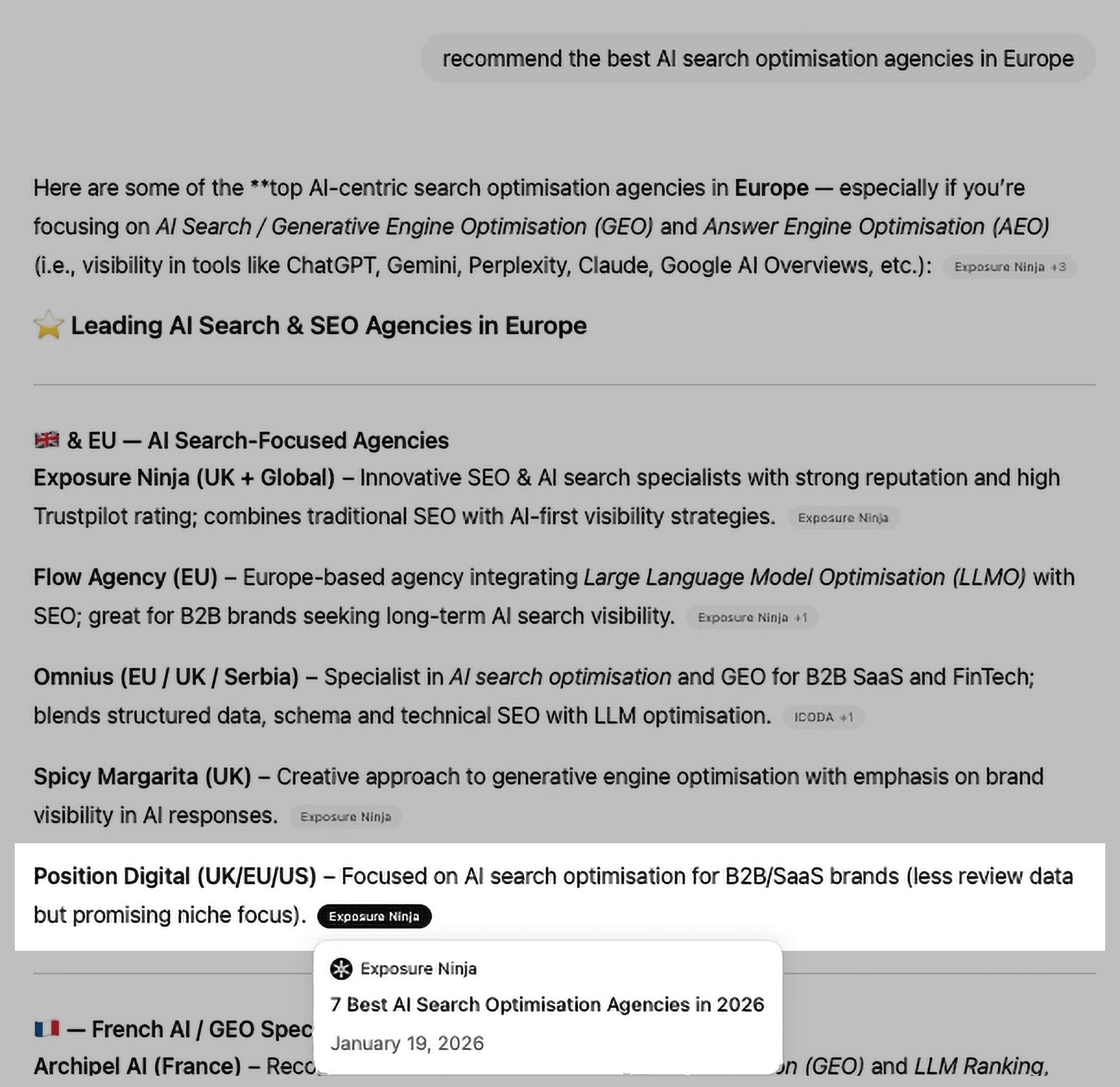
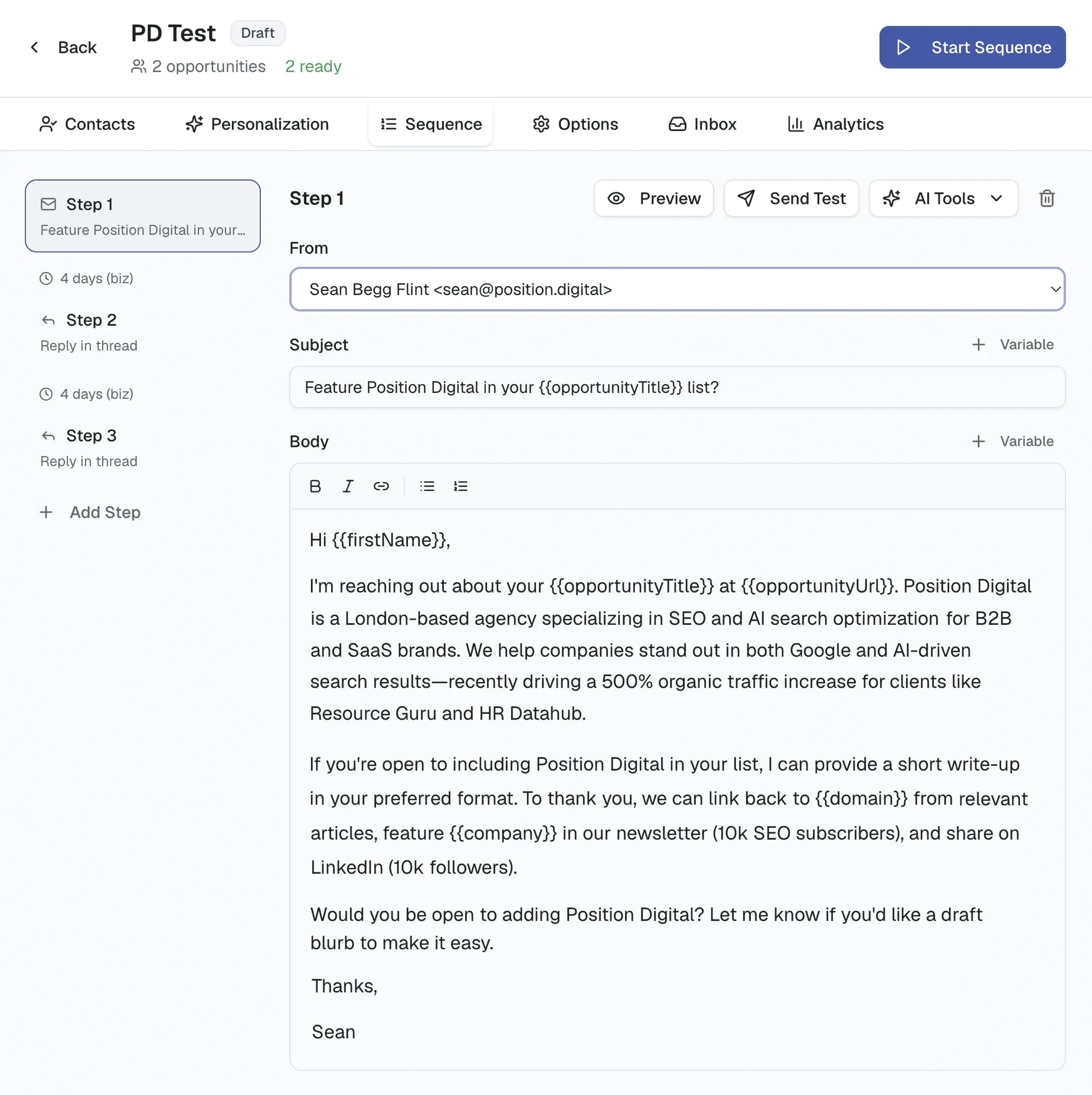
This involves identifying the specific sources an AI model currently cites for your target keywords and proactively reaching out to those publications. If an AI consistently cites a particular listicle or guide when asked about your industry, getting featured on that list is the fastest way to influence the AI’s future responses.
3. Reactive PR: The Speed Advantage
LLMs have a training cutoff, meaning they rely on real-time web results for breaking news. Reactive PR is about speed. When a major story breaks in your industry, being the first to provide expert analysis or commentary on your own platform (and distributing that commentary to the press) positions you as the primary source. AI models prioritize the first credible reports of an event, often pinning those sources as the "truth" for subsequent queries.
4. Ego Bait: The Power of Experts
Featuring industry influencers and experts in your content serves two purposes: it adds immediate credibility to your page, and it creates a built-in distribution network. When an expert is featured in your content, they are likely to share it with their own following. This creates a surge of social signals and backlinks that AI interprets as a sign of high relevance and authority.
5. Thought Leadership
To move beyond "ranking" and into "being known," you must develop a thought leadership strategy. By writing for major industry publications and appearing as a guest on niche podcasts, you establish a multi-channel footprint. When multiple reputable sources point back to you as the authority on a specific subject, the AI’s confidence score in your brand rises, making you the default answer for relevant queries.
6. Community Building: The "Neutral" Voice
AI models hold community forums like Reddit and review platforms like Trustpilot in high regard because they view them as neutral. A brand that only touts its own benefits is viewed with skepticism by an AI; a brand that has hundreds of positive, independent reviews on G2 or a vibrant, helpful presence on Reddit is viewed as a reliable market participant. Participating in these spaces is not just about direct sales—it is about providing the data points that AI uses to validate your reputation.
Implications for the Future of Marketing
The move toward AI search is not a temporary trend; it is a fundamental shift in how humans interact with information. The implications for businesses are stark:
- Trust is the New SEO: You can no longer "trick" an AI into ranking you. You must earn the trust of the entities that the AI trusts.
- Visibility is Earned, Not Owned: Your website is merely the landing zone. Your brand’s reputation is built on the rest of the web.
- The Proactive Mandate: You must stop waiting for organic growth. Through data-led PR and reactive outreach, you must proactively manage the narrative that AI models consume.
In conclusion, winning in the age of AI requires a shift in mindset. You must stop thinking of your website as your only digital footprint and start viewing the entire web as your stage. By leveraging these six Digital PR strategies, you can ensure that when a user asks an AI for a recommendation in your industry, your brand is not just an option—it is the answer.