
The social media landscape is defined by constant flux, and few entities have driven that change as aggressively as Meta (formerly Facebook). Over the past three years, the platform has navigated a complex transformation, moving from a standard social network to a multifaceted ecosystem encompassing commerce, community management, and the ambitious pursuit of the Metaverse. For marketers, advertisers, and business owners, keeping pace with these shifts is not merely beneficial—it is a necessity for survival in a digital economy.
This report synthesizes the critical updates from late 2020 through early 2023, providing a chronological analysis of the platform’s trajectory, the data backing these changes, and the long-term implications for digital advertising.
The Strategic Pivot: 2020–2021
The period between 2020 and 2021 was characterized by two competing forces: the urgent need to support small businesses during the global pandemic and the industry-wide reckoning with user privacy, most notably the release of Apple’s iOS 14.5 update.
The Pandemic Response and Commerce
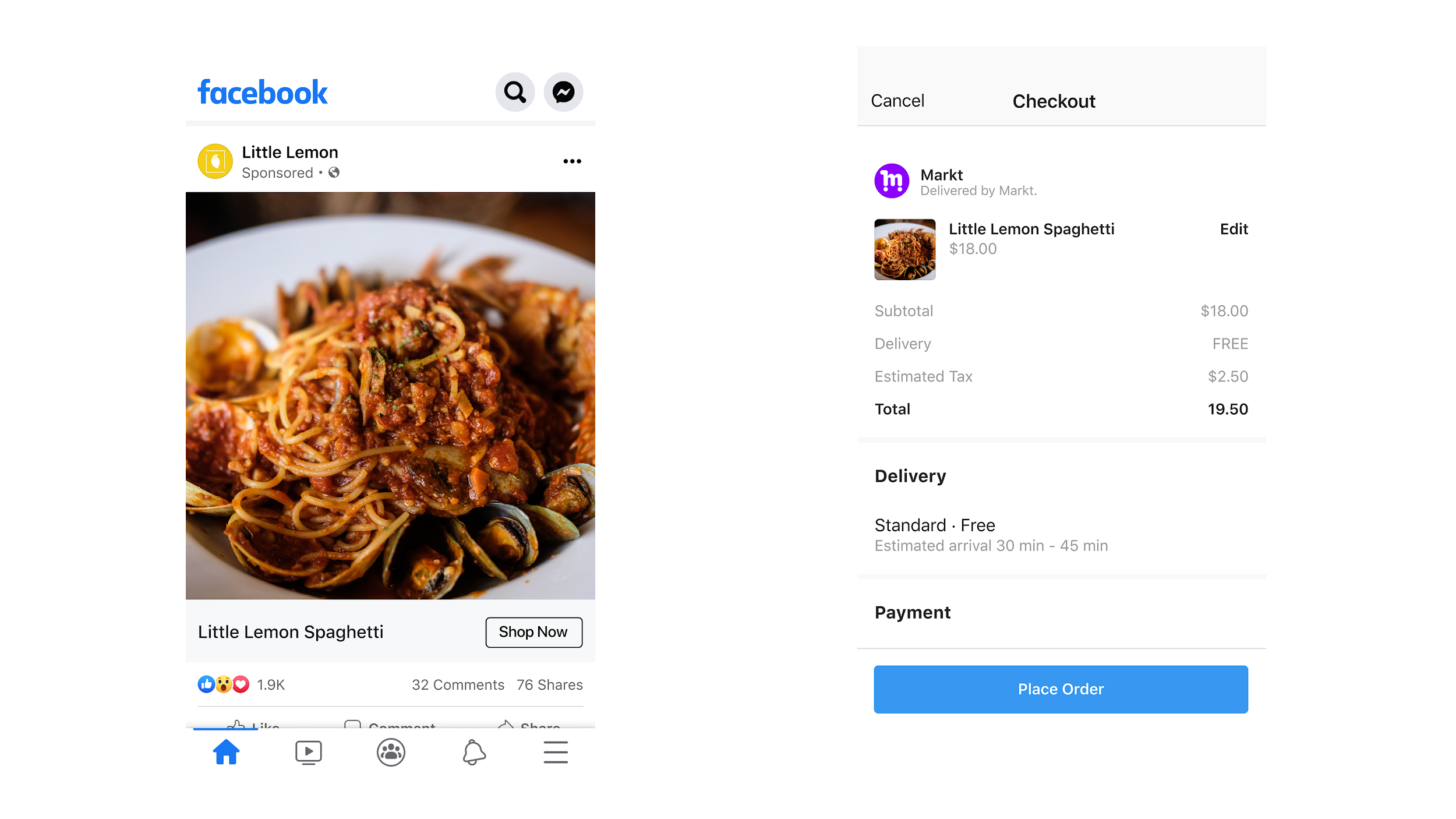
In 2020, Meta (then Facebook) pivoted to provide digital lifelines. The launch of "Facebook Shops" was a watershed moment, allowing businesses to create native, mobile-friendly storefronts. This was paired with the "Support Small Business" initiative and the introduction of Paid Online Events, which allowed creators to monetize live streams—a vital move when in-person events were impossible.
The Privacy Reckoning
The most significant disruption of this era was the Apple iOS 14.5 release and the subsequent App Tracking Transparency (ATT) framework. By requiring explicit user consent to track activity across apps and websites, the update fundamentally altered the efficacy of Facebook’s pixel-based retargeting. This forced a massive migration toward internal platform tools, such as the Business Suite and on-platform shopping, as Meta sought to keep user data within its own walled garden.
Chronology of Key Developments
2020: Foundation and Adaptation
- May 2020: Launch of Facebook Shops, enabling native mobile checkout.
- July 2020: Introduction of live broadcasting via Messenger Rooms and the debut of Paid Online Events for creators.
- September 2020: Implementation of ad limits per Page to streamline performance through machine learning.
- November 2020: Expansion of branded content tags to public groups, creating new monetization avenues.
2021: The Rebrand and the Metaverse
- January 2021: Rollout of the "Clear History" tool, giving users unprecedented control over their off-platform data.
- June 2021: Launch of the Messenger API for Instagram, allowing third-party integration for business communications.
- October 2021: The historic announcement of the corporate name change from Facebook to "Meta," signaling a transition toward 3D virtual spaces.
- December 2021: Expansion of cryptocurrency ad eligibility and the shutdown of facial recognition systems to address privacy concerns.
2022–2023: Automation and Short-Form Dominance
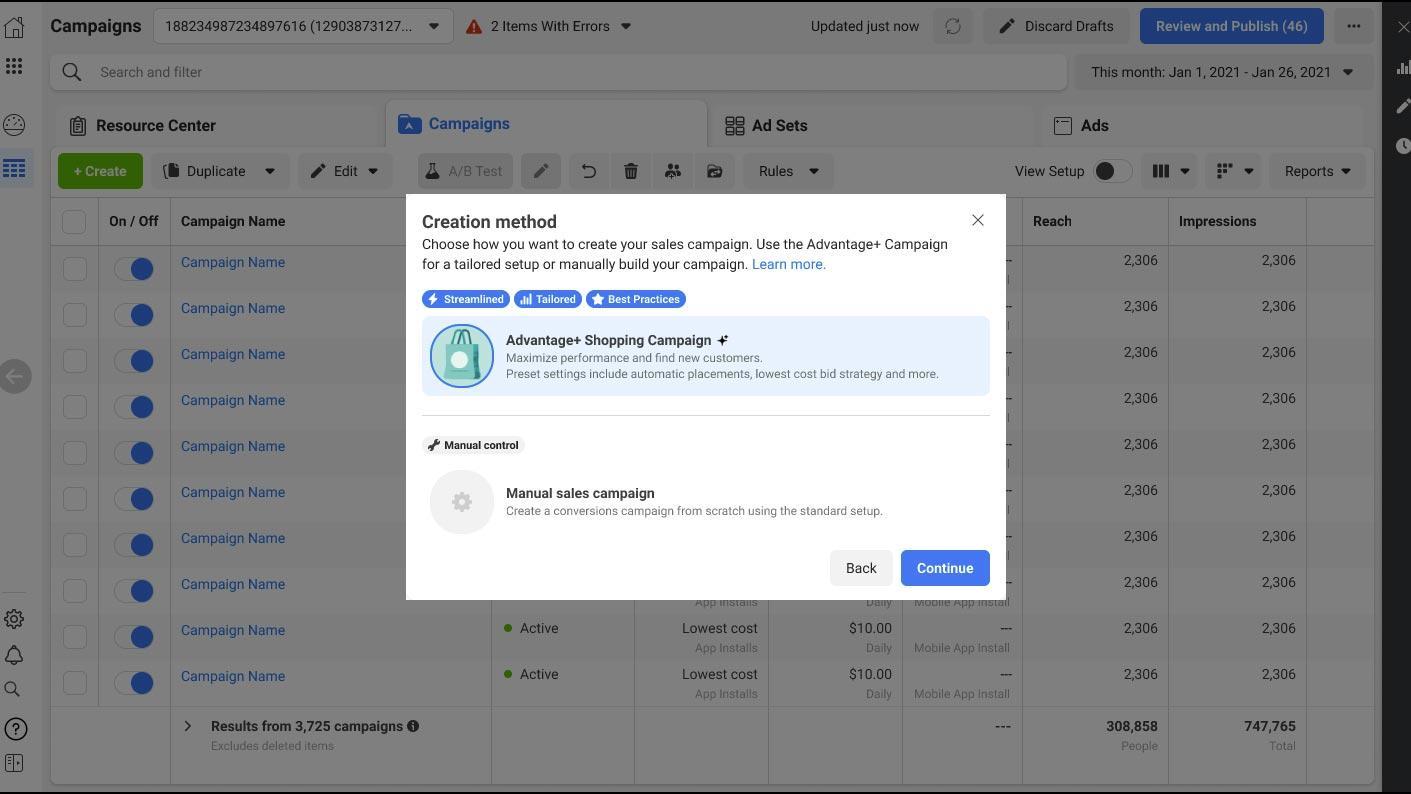
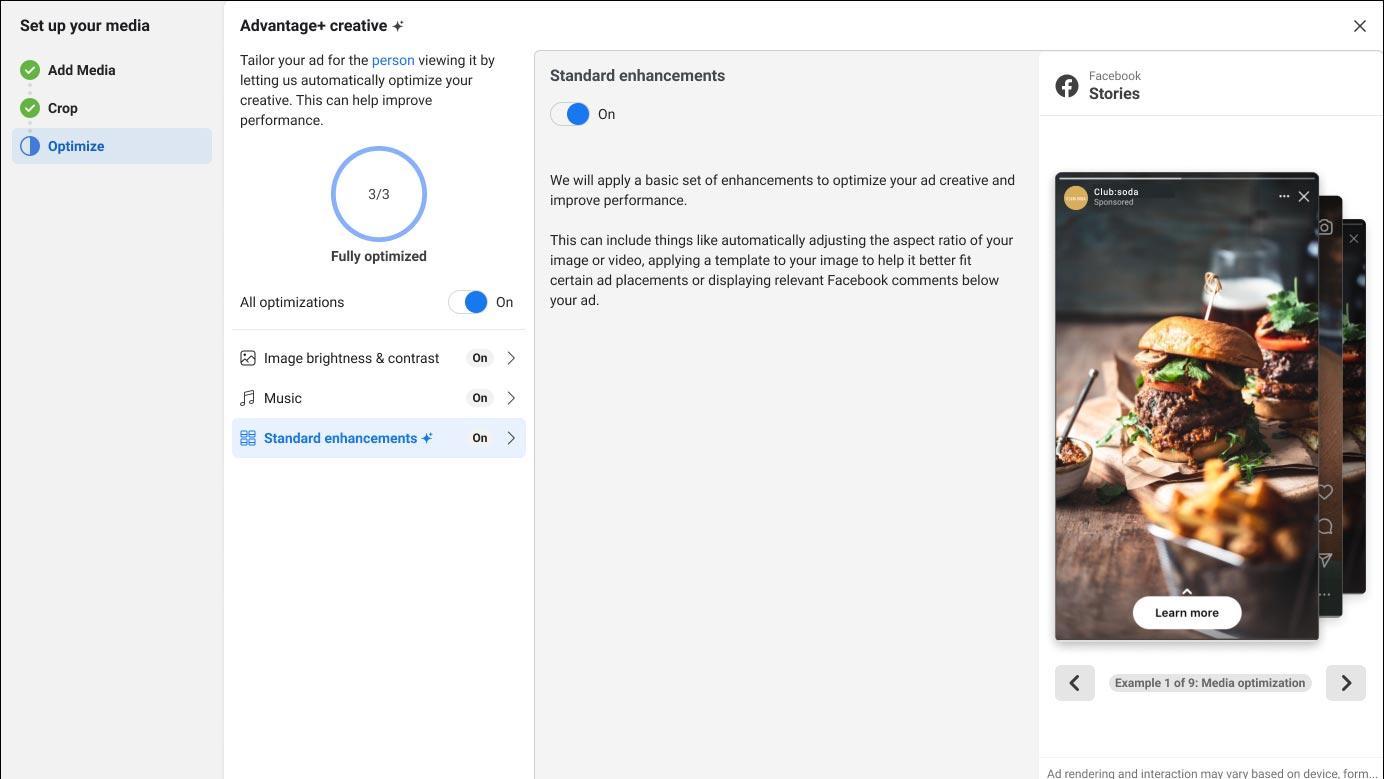
- 2022: A heavy emphasis on Advantage+ automated ad suites, using machine learning to replace manual audience targeting.
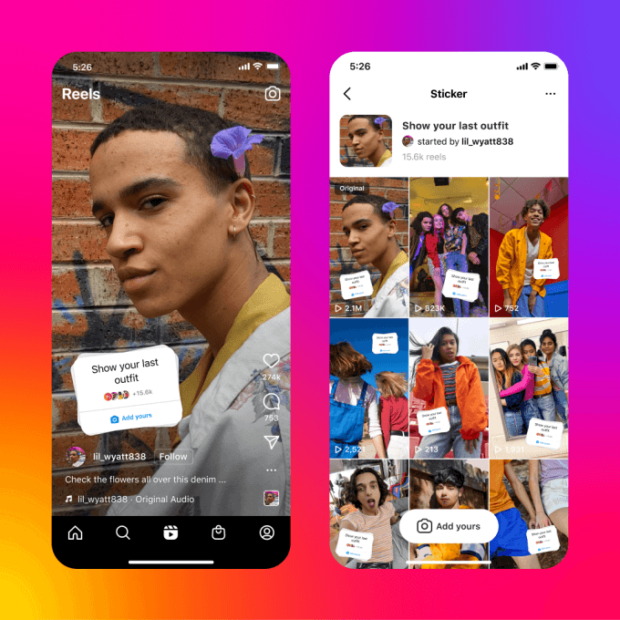
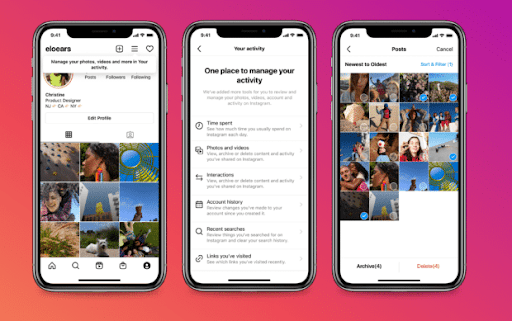
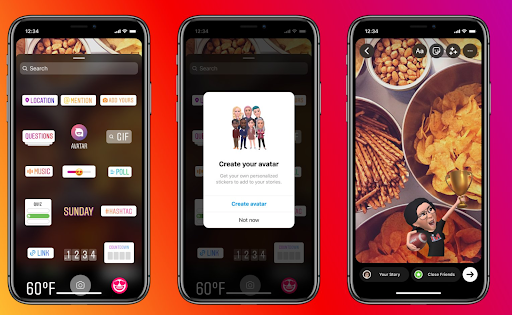
- Late 2022: Instagram launched native content scheduling and added music to feed photo posts to boost engagement.
- December 2022: Meta received accreditation from the Media Rating Council (MRC) for brand safety, a major milestone for enterprise advertisers.
Supporting Data and Technical Shifts
The evolution of the platform has been driven by data-heavy internal audits. For instance, in early 2021, Meta reported that its integrity measures removed 12 million pieces of COVID-19 misinformation. This focus on "Brand Safety" continued through 2022, culminating in the MRC accreditation, which verified the processes controlling where ads appear alongside content.
Furthermore, the shift toward Advantage+ campaigns represents a move away from manual "tinkering" toward algorithmic optimization. Meta’s data from 2022 indicated that automated shopping campaigns resulted in a 12% lower cost-per-purchase compared to standard manual campaigns, proving that the platform’s machine learning is increasingly capable of outperforming human targeting.
Official Responses and Policy Changes
Meta’s official communications have consistently emphasized two pillars: transparency and personalization.

Regarding the controversial political ad landscape, Meta implemented a "Paid for by" disclaimer system and allowed users to reduce political ads in their feed. These moves were framed as a commitment to democratic integrity. Similarly, the "Limited Data Use" feature was a direct response to the California Consumer Privacy Act (CCPA), proving that Meta is willing to accept performance trade-offs in exchange for regulatory compliance.
Regarding the Metaverse, Mark Zuckerberg’s stance has remained steadfast: despite billions in losses, the investment is viewed as a long-term infrastructure project. The company has explicitly stated that virtual and augmented reality (AR) are the next logical steps for social connection.

Implications for Marketers in 2023 and Beyond
1. The Death of Manual Targeting
The era of hyper-specific manual interest targeting is effectively over. The success of Advantage+ campaigns and the technical limitations imposed by privacy frameworks (like ATT) mean that advertisers must lean into broad targeting and high-quality creative. The machine learning model now prefers to find the customer rather than being told where to look.
2. Community as Commerce
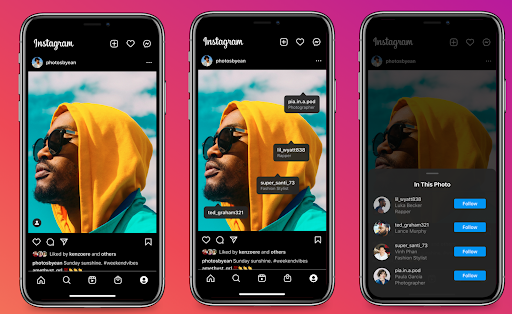
The expansion of monetization features in Facebook Groups and the growth of Instagram Creator Marketplace indicate that Meta wants brands to be part of the conversation, not just interruption-based advertisers. Businesses that cultivate authentic communities within Groups will likely see better ROI than those relying solely on cold traffic.
3. The Shift to Short-Form Video
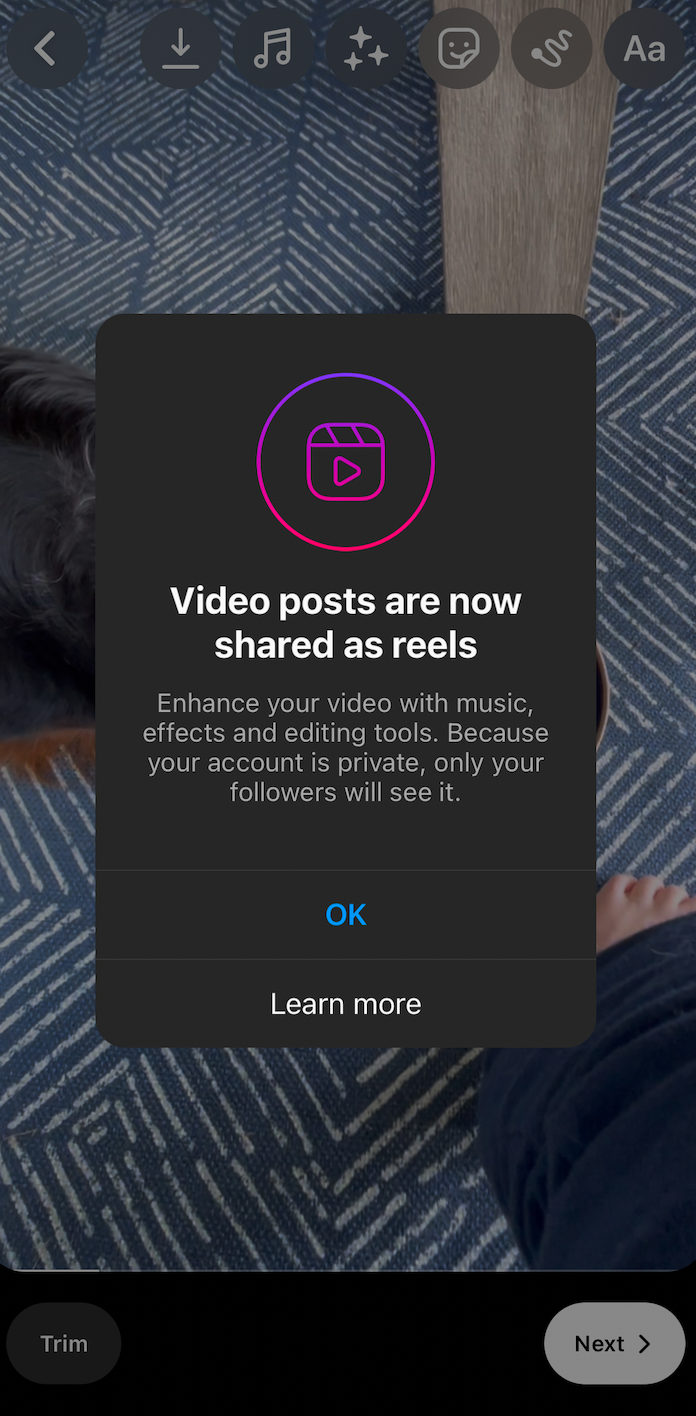
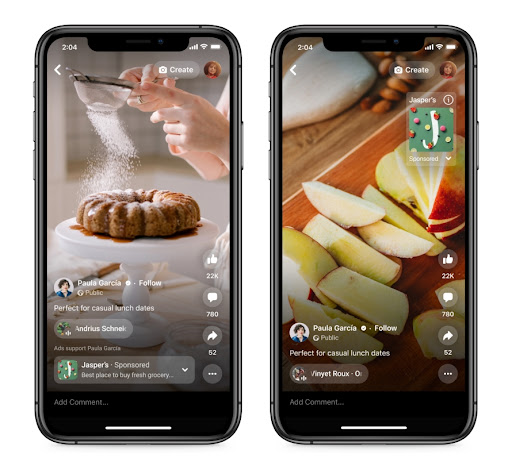
Reels are no longer an "experiment"—they are the primary engine of engagement. The fact that standard video posts under 15 minutes are now automatically shared as Reels is a directive to creators: move to short-form or lose visibility. Brands that have not yet optimized their video creative for a 9:16 vertical, mobile-first format are currently at a significant disadvantage.
4. Direct Messaging as a Sales Funnel
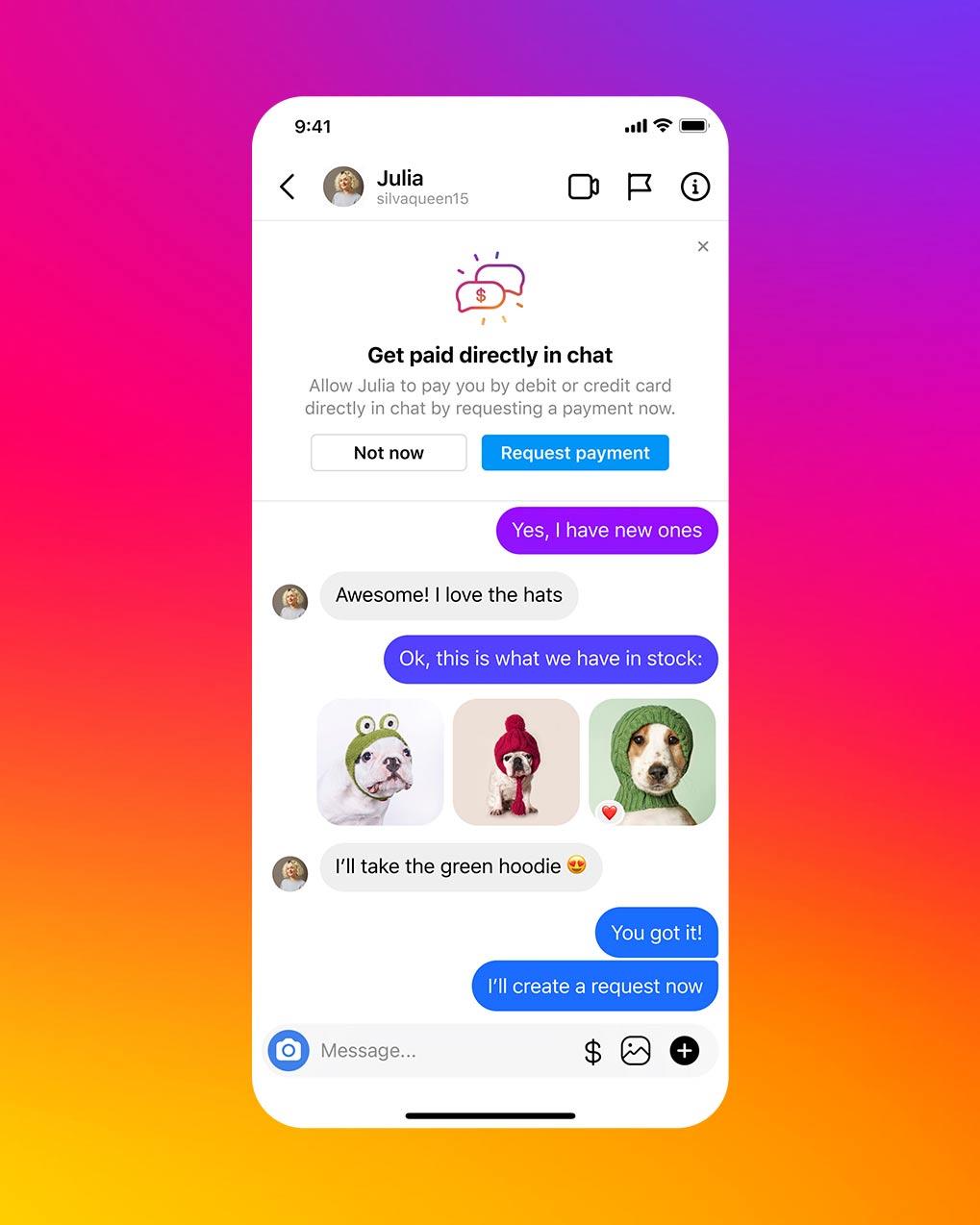
With the integration of WhatsApp, Messenger, and Instagram Direct, the inbox has become the new storefront. Features like "Get Paid in Chat" and the Messenger API for Instagram suggest that Meta is building a seamless, conversational commerce loop. Brands should prioritize their response times and automation capabilities within these DMs as highly as they do their landing page load speeds.
5. Brand Safety is a Priority
The MRC accreditation for brand safety is a signal to enterprise-level brands that Meta is a "safe" place to spend large budgets. For smaller brands, this means there is more inventory control than ever before. Advertisers should utilize inventory filters and publisher allow-lists to ensure their brand image is not compromised by adjacent content.
Final Assessment
The Meta of 2023 is a different beast than the Facebook of 2020. The platform has successfully transitioned from a simple social feed to a sophisticated AI-driven marketing powerhouse. While the privacy-focused updates of the last few years have made targeting more difficult, the compensating advances in machine learning have largely filled the gap.
As we look toward the remainder of 2023 and beyond, the brands that win will be those that embrace the algorithmic nature of the platform. By feeding the AI high-quality, short-form creative, engaging directly with customers in DMs, and fostering community through Groups, businesses can successfully navigate the current Meta landscape. The goal is no longer to "trick" the algorithm, but to provide it with the right signals—content, community, and commerce—to scale effectively.