

In the digital marketing ecosystem, Instagram is frequently reduced to a battle of aesthetics. With its focus on high-resolution imagery and short-form video, the platform is often perceived as a visual-first medium—a stark contrast to the text-heavy landscapes of Facebook, Twitter, or LinkedIn. However, experienced social media managers know that this perception is incomplete. While a compelling photo may stop a thumb, it is the caption that holds the user’s attention, fosters community, and drives the conversion metrics that determine the success of a campaign.
For brands, the Instagram caption is no longer an afterthought; it is an essential pillar of a comprehensive marketing strategy. Whether your objective is to amplify brand awareness, cultivate a loyal following, spark meaningful engagement, or boost bottom-line sales, your captions serve as the voice behind your visuals. They provide the necessary context, emotional resonance, and actionable direction that transform passive scrollers into active brand advocates.

The Anatomy of an Instagram Caption: Main Facts
At its core, an Instagram caption is the descriptive text accompanying your photo, video, or Reel. It acts as the narrative bridge between your brand and your audience.
- Character Limits: Instagram allows for up to 2,200 characters per caption. While this is generous, the interface truncates text after a few lines, meaning the first sentence is critical.
- Multimedia Integration: Captions can host text, emojis, and hashtags.
- The Link Limitation: Unlike other platforms, Instagram does not permit clickable links within standard post captions. This limitation forces brands to be strategic, directing users to the "link in bio" or utilizing Instagram’s dedicated shopping features.
Chronology of Content Strategy
The evolution of the Instagram caption has mirrored the growth of the platform itself. In its early days, Instagram was a place for simple, one-word descriptors or emoji-based reactions. As the platform matured into a sophisticated marketing tool, the demand for "thumb-stopping" content forced brands to pivot toward storytelling.

- The Era of Minimalist Aesthetics: Early Instagram relied on the "less is more" philosophy. Captions were sparse, serving only as a title for the image.
- The Shift Toward Storytelling: Brands realized that long-form captions—which can be up to 2,200 characters—provide an opportunity for deeper connection. Research shows that as users spend more time reading, they are more likely to engage with the brand.
- The Algorithmic Pivot: As Instagram’s algorithm began to prioritize "time spent on post" as a key metric for success, the long-form, value-driven caption became a standard for high-performing business accounts.
Supporting Data: Why Length Matters
Common wisdom once suggested that shorter is better. However, data from major social media analytics firms, including Hootsuite, suggests otherwise. In controlled experiments, captions ranging between 400 and 705 characters consistently outperformed shorter captions (those under 65 characters) in terms of overall engagement.
This data suggests that users are not just looking for a pretty picture; they are seeking context, humor, or utility. When a brand provides a thoughtful narrative—whether it’s a behind-the-scenes story of a product’s development or a helpful "how-to" guide—the audience rewards them with comments, saves, and shares.

Crafting the Perfect Caption: Best Practices
1. The Hook (Start Strong)
Because Instagram hides the bulk of your text behind a "more" button, your opening sentence is your primary weapon. You must capture interest immediately. If you are selling a product, your first line should state the value proposition clearly. If you are sharing a story, the first line should introduce a tension or an emotional point that compels the reader to tap to see more.
2. Strategic Use of Hashtags
Hashtags remain the discovery engine of Instagram. Including a mix of 5 to 15 relevant hashtags allows your post to reach audiences beyond your current follower base. To keep your feed looking professional, use a mix of:
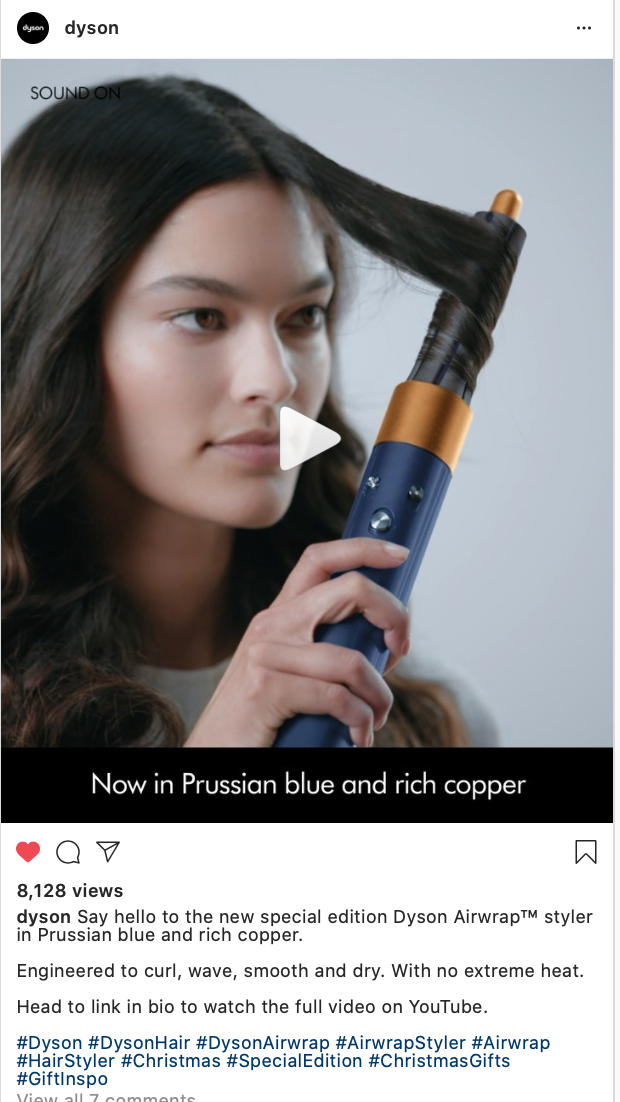
- Branded Hashtags: Unique to your business (e.g., #DysonHair).
- Seasonal Hashtags: Relevant to the time of year (e.g., #HolidayGiftGuide).
- Interest-based Hashtags: Broad terms that your target audience searches for.
3. The Call to Action (CTA)
Every post should have a purpose. If you don’t tell your audience what to do, they likely won’t do anything. A clear CTA—such as "Click the link in our bio to shop," "Tag a friend who needs this," or "Comment your favorite color below"—is essential for converting a passive viewer into an active participant.
Technical Tips and Tricks for Professional Formatting
The aesthetic of your text is just as important as the words themselves. A wall of text is intimidating and often ignored.
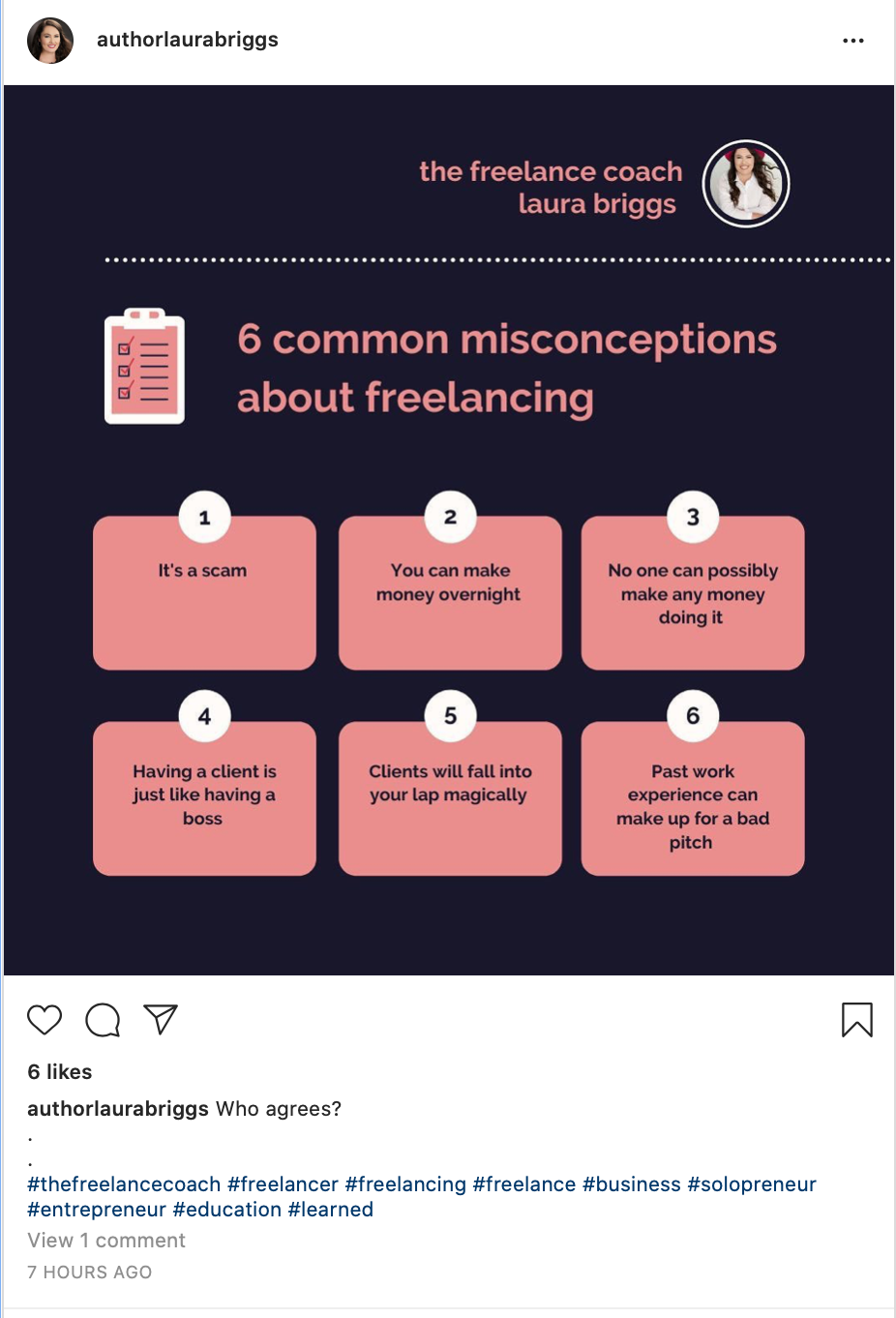
- Spacing for Readability: Use the "return" key to create line breaks. This creates "white space," which makes long-form captions feel lighter and easier to digest.
- Paragraph Structure: Start with a hook, follow with a body, and conclude with your CTA and hashtags, using blank lines to separate each section.
- External Font Tools: If your brand identity requires a specific look, third-party tools like Instagram Fonts allow you to generate Unicode text. This can be used for bold or italicized emphasis, though it should be used sparingly to ensure accessibility for screen readers.
Implications for Brand Strategy
The shift toward robust caption writing has significant implications for how brands approach social media management. It is no longer enough to hire a photographer; you need a copywriter.
Building Relationships
By using storytelling, brands move from being faceless entities to relatable personas. When you share the human element behind your brand—the struggles of launching a product or the joy of a team success—you foster a sense of community.

Navigating the Algorithm
The Instagram algorithm favors content that keeps users on the platform. A well-written, long-form caption increases the "dwell time"—the amount of time a user spends looking at your post. The higher the dwell time and the higher the engagement (comments/saves), the more likely your post is to appear on the Explore page, effectively providing free, organic reach.
Driving Sales
While you cannot link directly in a caption, the CTA remains the most powerful tool for conversion. By clearly outlining the benefit of a product and providing a direct path to the "link in bio," you minimize friction in the customer journey.

Conclusion: The Final Polish
Writing a great Instagram caption is a blend of science and art. It requires an understanding of your audience’s pain points, the ability to write a hook that stops a scrolling thumb, and the technical discipline to format for readability.
Whether you are using the 63 templates often provided by social media experts for quick inspiration or drafting original long-form narratives, remember that every word counts. In an age where digital real estate is expensive, your captions are your opportunity to tell your brand’s story, define your voice, and ultimately, grow your business. Do not let your visuals do all the heavy lifting—give your brand a voice that resonates long after the image has faded from the screen.