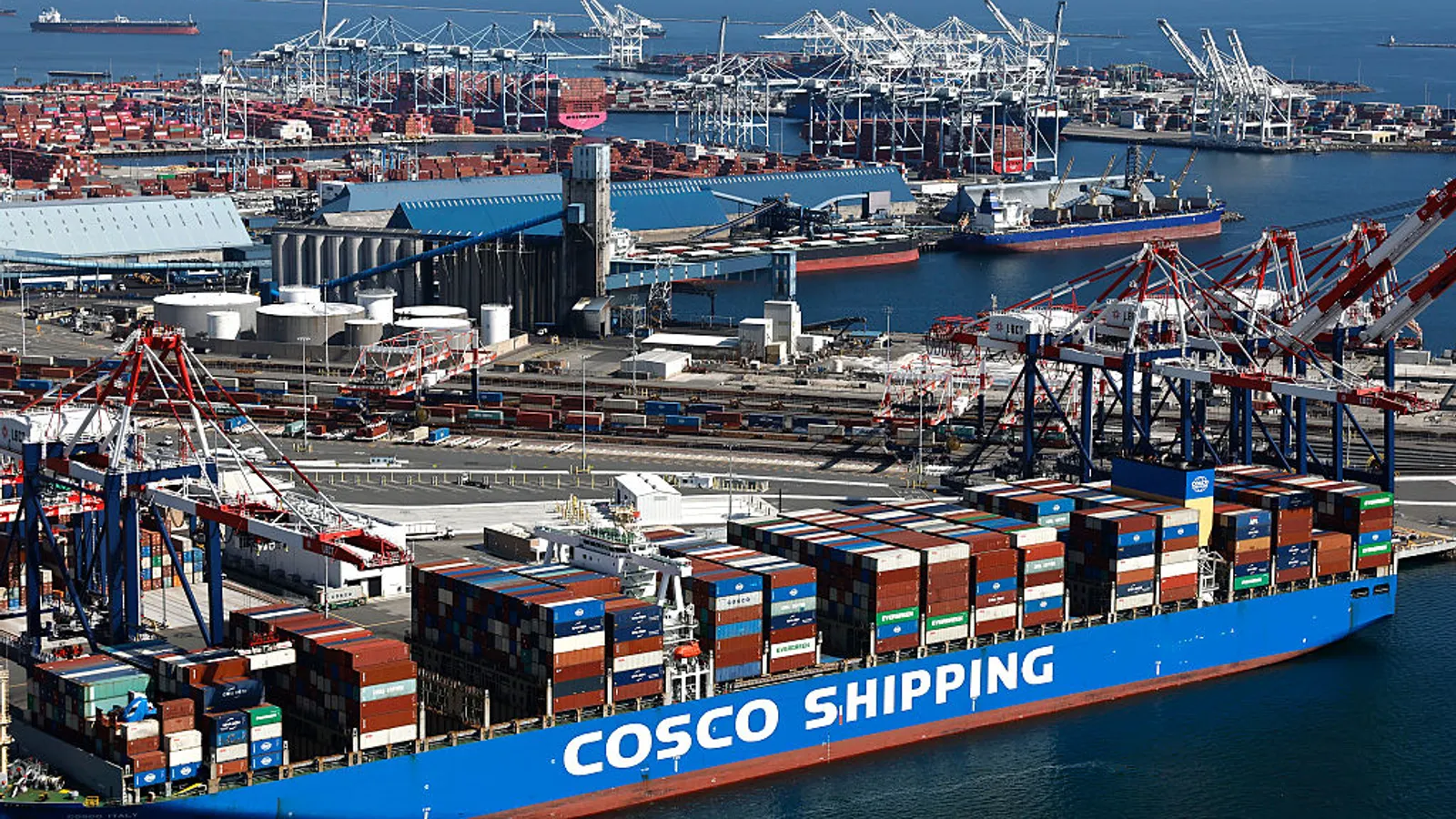
The Office of the United States Trade Representative (USTR) has officially signaled a potential reprieve for the maritime logistics sector, proposing an extension of the suspension on Section 301 tariffs targeting China-linked vessels. According to a Federal Register filing published on October 23, the USTR is considering pushing the suspension date to January 9, 2027. This move, should it be finalized, would delay the imposition of fees that were originally scheduled to take effect on November 9, 2025.
The proposed extension is framed by the USTR as a diplomatic tool, intended to “allow for further negotiation with China regarding the acts, policies, and practices at issue in this investigation.” The government has opened a brief window for public comment, with a deadline set for October 30, as officials weigh the geopolitical strategy of these tariffs against the immediate economic realities of the U.S. supply chain.
Chronology of a Contentious Policy
The saga of the Section 301 vessel fees began as a centerpiece of U.S. efforts to counter China’s dominance in the global maritime and shipbuilding sectors. The timeline of this policy reveals a recurring pattern of tension between protectionist industrial goals and the practical needs of global trade:
- Initial Announcement (2024): The USTR announced a fee structure ranging from $18 per ton to $120 per container for goods arriving on China-linked vessels. The policy was explicitly designed to incentivize domestic shipbuilding, offering a carrot-and-stick approach: vessel owners could earn a three-year exemption from these fees if they committed to ordering new vessels from U.S. shipyards.
- The First Delay: While the fees were initially slated to commence on October 14, 2024, the administration opted to pause the implementation until November 2025. This move acknowledged the significant logistical disruption such fees would cause to an already volatile global shipping market.
- Stakeholder Pushback (September 2025): As the November 2025 deadline approached, industry trade groups and shipper associations intensified their lobbying efforts. They appealed directly to U.S. Trade Representative Jamieson Greer, arguing that the market was in no state to absorb additional costs.
- The Current Proposal (October 2025): The Federal Register filing on October 23 represents the latest pivot, proposing a 14-month extension beyond the current November expiration, effectively pushing the start date into early 2027.
Supporting Data and the Economic Landscape
To understand why the USTR is considering such a significant delay, one must examine the fragility of the current ocean freight market. The maritime industry has been reeling from a series of shocks over the past 24 months, including geopolitical instability in the Red Sea, labor disputes at U.S. ports, and fluctuating carrier capacity.
The Cost of Disruption
Industry analysts have noted that the U.S. maritime sector is heavily reliant on vessels constructed or flagged in jurisdictions targeted by these Section 301 actions. If the fees were implemented, the immediate impact on ocean freight rates could be profound. Because these fees are calculated on a per-ton or per-container basis, they act as a direct tax on imports, which would almost certainly be passed on to the end consumer or absorbed by retailers and manufacturers already operating on thin margins.
Domestic Shipbuilding Capacity
The primary goal of the USTR—to revitalize U.S. shipbuilding—remains a long-term project. Data suggests that the current domestic shipyard capacity is insufficient to replace the volume of China-linked tonnage currently serving U.S. ports. Stakeholders have argued that the fees are premature, as the "domestic alternative" that the policy seeks to incentivize does not currently exist at the scale required to maintain current trade volumes.
Official Responses and Stakeholder Advocacy
The discourse surrounding these fees has become a focal point for the shipping industry. The letter sent to U.S. Trade Representative Jamieson Greer by a coalition of trade groups serves as a definitive statement of the industry’s position.
The Industry’s Plea
In their correspondence, trade groups highlighted the "immediate and far-reaching consequences" of the proposed tariffs. The consensus among shippers is that the maritime sector is currently in a state of "elevated transportation costs and shifting carrier capacity." They contend that adding a new layer of protectionist fees during a period of economic uncertainty would be counterproductive to the goal of strengthening the U.S. economy.
"Imposing new or resumed fees on China-built or China-linked vessels would create immediate and far-reaching consequences for U.S. companies that rely on ocean transportation to move goods into and out of the United States," the groups wrote. This sentiment reflects a broader frustration among importers who feel caught in the crossfire of a broader trade war that they believe is being fought with tools that penalize the wrong parties.
The USTR’s Diplomatic Stance
The USTR’s willingness to entertain an extension suggests that the agency is weighing the effectiveness of the fees as a bargaining chip. By keeping the threat of the fees active but suspended, the USTR maintains leverage over China’s maritime practices without causing the immediate inflationary shock that an actual implementation would trigger. The goal is to induce structural change in China’s shipbuilding sector through the prospect of future penalties, rather than by triggering an immediate trade war at sea.
Implications for Global Logistics and Trade Policy
The potential extension until 2027 has massive implications for the global logistics sector, particularly for those planning long-term supply chain strategies.
1. Supply Chain Predictability
For logistics managers, the primary enemy is uncertainty. A 14-month extension provides a temporary, albeit welcome, window of predictability. However, it also leaves the industry in a state of suspended animation. Companies cannot fully commit to new vessel procurement strategies or shift their logistical routing until they know definitively whether these fees will eventually be codified or scrapped.
2. The Future of U.S. Shipbuilding
The policy’s ultimate success hinges on whether the threat of Section 301 fees can actually attract investment into domestic shipyards. If the government continues to extend the pause, the incentive for shipowners to order U.S.-built vessels—which are typically more expensive to produce—diminishes. The USTR is walking a tightrope: if the fees are delayed indefinitely, the domestic shipbuilding industry loses its protectionist tailwind; if they are implemented too soon, they risk crippling the very logistics network that powers the U.S. economy.
3. Geopolitical Maneuvering
The reference to "negotiations" in the Federal Register suggests that these fees are part of a larger, high-stakes game of economic diplomacy. By citing China’s "acts, policies, and practices," the USTR is positioning this as a systemic issue rather than a simple tariff dispute. The outcome of these negotiations could define the relationship between the two nations’ maritime industries for the next decade.
Conclusion: A Delicate Balance
As the October 30 deadline for public comments approaches, the maritime industry remains on high alert. The USTR’s proposed extension is a recognition that the global supply chain is a fragile ecosystem that cannot be easily steered by executive order without causing collateral damage to U.S. businesses.
While the prospect of a pause until 2027 provides a sigh of relief for shippers, the underlying issues—China’s role in global shipbuilding and the U.S. government’s desire for maritime sovereignty—remain unresolved. The period between now and January 2027 will be a critical time for both government negotiators and industry leaders to determine if a middle ground exists, or if this sector is destined for a major structural overhaul that may fundamentally alter how goods arrive on American shores. For now, the status quo is the preferred, if imperfect, solution.