By PS Editorial Staff
October 23, 2026
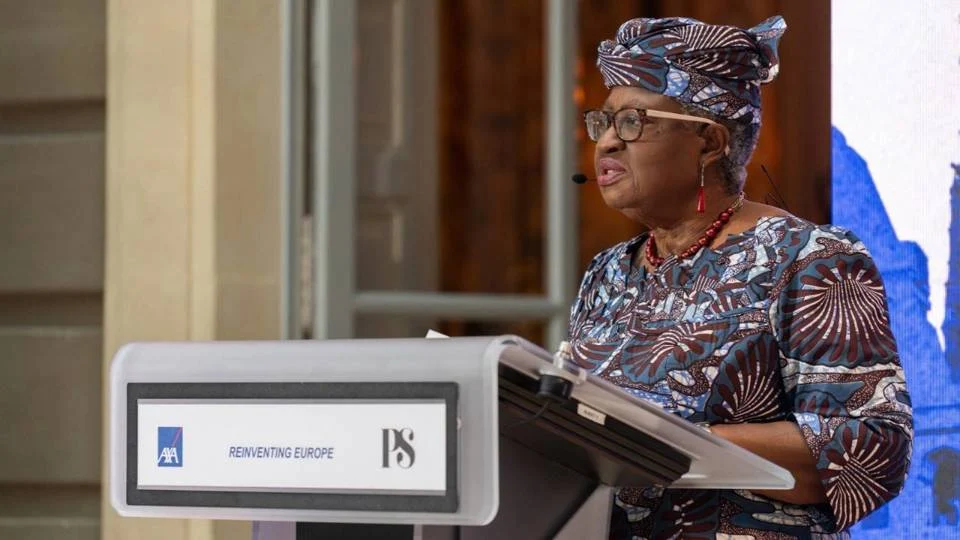
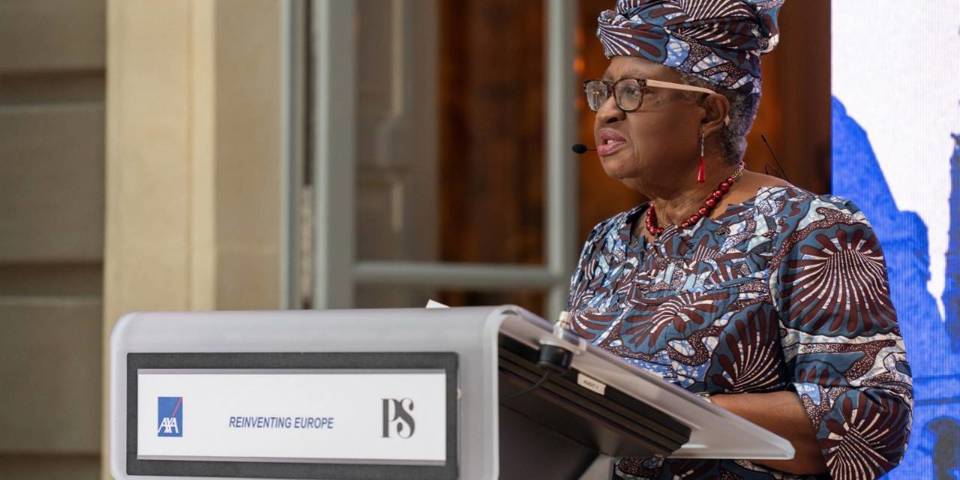
In the corridors of power, "reinvention" has become a tired buzzword, often used to justify radical pivots that disregard foundational strengths. However, as the global economic landscape undergoes a tectonic shift, the need for a nuanced strategy has never been more pressing. During her closing keynote address at the Reinventing Europe summit, World Trade Organization (WTO) Director-General Ngozi Okonjo-Iweala delivered a compelling counter-narrative to the prevailing gloom surrounding the European project.
Rather than advocating for a desperate overhaul, Okonjo-Iweala argued that Europe’s path to long-term prosperity lies in the strategic optimization of its existing assets. By tempering the urge to act from a position of "existential panic," the continent can pivot toward a future defined by deliberate reform and deepened global partnerships.
The Core Thesis: Resilience Over Revolution
The central pillar of Okonjo-Iweala’s address was the acknowledgment of the global trading system’s unexpected durability. Despite years of supply chain disruptions, geopolitical fragmentation, and protectionist rhetoric, the WTO has observed a system that continues to function with remarkable resilience.
Okonjo-Iweala pointed out that Europe’s current anxiety—often driven by the absence of homegrown tech titans that can rival the scale of American or Chinese giants—obscures the continent’s genuine strengths. Europe remains a global powerhouse in trade, consistently ranking as a top-tier destination for high-value manufacturing, scientific research, and innovation.
"When we talk about ‘reinvention,’ we often overlook what works," she noted. Her message was clear: Europe does not need to mimic the Silicon Valley model to remain relevant. Instead, it must play to its comparative advantages, focusing on its industrial depth, regulatory standards, and scientific prowess.
Chronology: The Path to the Current European Stance
The discourse around "Reinventing Europe" did not emerge in a vacuum. To understand the gravity of Okonjo-Iweala’s remarks, one must look at the timeline of the continent’s recent economic journey:
- 2020–2022 (The Pandemic Shock): Europe faced the initial collapse of global logistics, leading to the first major calls for "strategic autonomy."
- 2023 (The Energy Crisis): The war in Ukraine forced Europe to decouple from Russian energy, highlighting the vulnerabilities of over-reliance on single-source supply chains.
- 2024–2025 (The Regulatory Pivot): The implementation of the EU’s Green Deal and digital regulations (like the AI Act) signaled a desire to lead through standards, though critics argued this hampered local competitiveness.
- Late 2026 (The Current Moment): The summit reflects a growing consensus that while regulation is necessary, it must be balanced with a more aggressive approach to trade expansion and market access.
Supporting Data: Why Europe Remains a Force
While European officials often point to the "innovation gap" between the EU and the US/China, the data suggests that the European economy is far from stagnant.
1. Trade Dominance
Europe continues to be the world’s largest exporter of goods and services. Even as trade flows have shifted toward the Indo-Pacific, the EU’s trade balance remains robust due to its concentration on high-end capital goods, pharmaceuticals, and luxury exports.
2. Scientific Output
Data from the European Research Council indicates that Europe remains a global leader in scientific citations and patent filings in deep-tech sectors, including quantum computing, green hydrogen, and biotechnology. The challenge, according to Okonjo-Iweala, is not the lack of discovery, but the transition from laboratory research to commercial scale.
3. Resilience in Adversity
Post-2022, the European economy demonstrated significant adaptability. Despite fears of a permanent deindustrialization, the manufacturing sector has begun to integrate more efficient energy technologies, maintaining output levels that defied the projections of many international financial institutions.
Official Responses and Expert Analysis
The reaction to the Director-General’s speech was largely positive, though it highlighted the tension between different policy camps in Brussels.
Economic analysts have praised the "measured reform" approach as a pragmatic alternative to the "industrial policy wars." Many trade ministers have echoed the WTO Chief’s sentiment, noting that "panic-driven legislation"—such as overly broad subsidies that risk triggering trade wars—rarely yields the intended results.
However, some industry lobbyists argue that the "wait-and-see" approach is a luxury Europe cannot afford. They contend that while the WTO’s focus on multilateralism is noble, the current environment demands a faster, more aggressive protection of European markets against predatory pricing from international competitors.
Okonjo-Iweala’s rebuttal to this sentiment was decisive: Trade protectionism is a zero-sum game that eventually diminishes the purchasing power of the European consumer and the efficiency of the European producer.
Implications: The Africa-Europe Partnership
Perhaps the most forward-looking aspect of Okonjo-Iweala’s speech was her focus on Africa. As Europe seeks to diversify its supply chains and secure its energy future, the WTO Chief framed the EU-Africa relationship not as a traditional aid dynamic, but as a critical trade and investment opportunity.
The Strategic Shift
- Raw Materials and Processing: Africa possesses the critical minerals necessary for the green energy transition. Instead of merely exporting these materials, Europe should partner with African nations to develop local processing capabilities, creating a mutually beneficial industrial ecosystem.
- Demographic Dividend: By 2050, Africa will house a massive, young, and increasingly urbanized workforce. Integrating this labor force into the global value chain alongside European technology firms could provide the growth impetus that the aging European continent currently lacks.
- Regulatory Alignment: By supporting the African Continental Free Trade Area (AfCFTA), Europe can help create a unified market that is easier for European firms to navigate, mirroring the advantages of the EU’s own single market.
Conclusion: A Call for Measured Reform
The "Reinventing Europe" event served as a sobering reminder that economic survival is not achieved through rhetoric, but through sustained structural effort. Ngozi Okonjo-Iweala’s intervention provides a roadmap that moves away from the politics of fear.
For Europe, the next decade will be defined by its ability to balance internal stability with external engagement. The continent must continue to lead in science and research while shedding the bureaucratic friction that slows down commercialization. Most importantly, it must look beyond its immediate borders to emerging markets, specifically Africa, to build the partnerships that will sustain its future.
As the Director-General noted in her closing, Europe does not need to reinvent itself from the ground up. It simply needs to recognize the strength it already possesses and apply it with renewed, strategic intent. The era of panic is over; the era of deliberate, outward-looking growth must begin.
For more insights on global trade and the future of the European economy, watch the full keynote session from the PS Events series.