By Chen Yinuo, Hu Jinxiu, Yang Xingao, and Zhou Chiyu
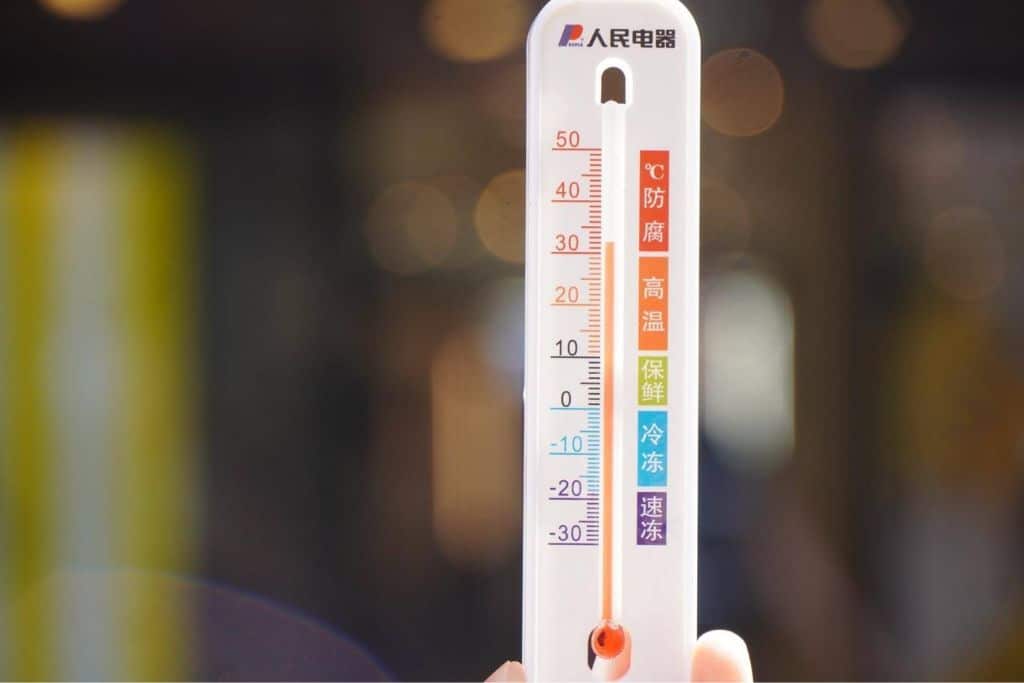
For many, a shopping mall is a place of commerce and leisure. But in the sweltering, humid summer of Hong Kong, these sprawling indoor complexes have morphed into something else: a survival mechanism. As outdoor temperatures frequently climb past 32°C (89.6°F), the city’s major retail hubs have become indispensable "cool islands." Yet, this reliance on climate-controlled sanctuaries has birthed a complex environmental and ethical paradox. While the city’s voluntary "Energy Saving Charter" aims to curb carbon emissions, the pervasive, bone-chilling overcooling of these spaces suggests that the battle between energy efficiency and human comfort—and survival—is far from won.
The Indoor Chill: A Snapshot of Urban Reality
On a typical May weekday, 26-year-old tourist Wu Yanlei sought refuge from the humidity of Causeway Bay by ducking into the Times Square shopping mall. Within ten minutes, the relief of escaping the sun had been replaced by the discomfort of a sharp, artificial winter. She was not alone in her reaction; her friend, Zhou Yibing, a long-term resident of the city, immediately reached into her bag to retrieve a heavy jacket—a staple of the "Hong Kong uniform" for anyone navigating the city’s malls.
"It’s 32°C outside, but inside, it feels like 18°C," Zhou remarked, shivering as she zipped up. For the millions who call Hong Kong home, this experience is mundane. However, the environmental cost of this "indoor winter" is profound. Air conditioning accounts for 29% of Hong Kong’s commercial electricity consumption. Given that electricity generation is the primary driver of the city’s greenhouse gas emissions—responsible for roughly 60% of its total carbon output—the systemic overcooling of public spaces is not merely a matter of personal comfort; it is a significant contributor to the city’s climate footprint.
A History of Voluntary Compliance
The Hong Kong government’s attempt to manage this energy drain began in 2012 with the launch of the annual Energy Saving Charter. The initiative encourages shopping malls to maintain indoor temperatures between 24°C and 26°C during the summer months. By 2026, the program had gained significant traction, with over 3,500 premises—including 247 malls—signing on.
The incentive is clear: according to CLP Power, the city’s largest electricity provider, a mere 1°C increase in thermostat settings can reduce air conditioning energy consumption by 3%. Despite these figures, the effectiveness of the voluntary scheme has been repeatedly called into question.

Chronology of Failure and Oversight
- 2012: The inaugural Energy Saving Charter is launched, setting the 24°C–26°C target.
- 2016: A landmark survey by local environmental group Green Sense monitors 10 major malls. They discover that nine of the ten, despite being signatories, failed to adhere to the recommended temperature range.
- 2024: A follow-up investigation by the charity The Green Earth reveals that of the ten largest malls, only seven signed the Charter. Of those that did, four recorded temperatures well below the minimum threshold. Most notably, the Elements mall in West Kowloon, a long-standing participant, was measured at 21.7°C.
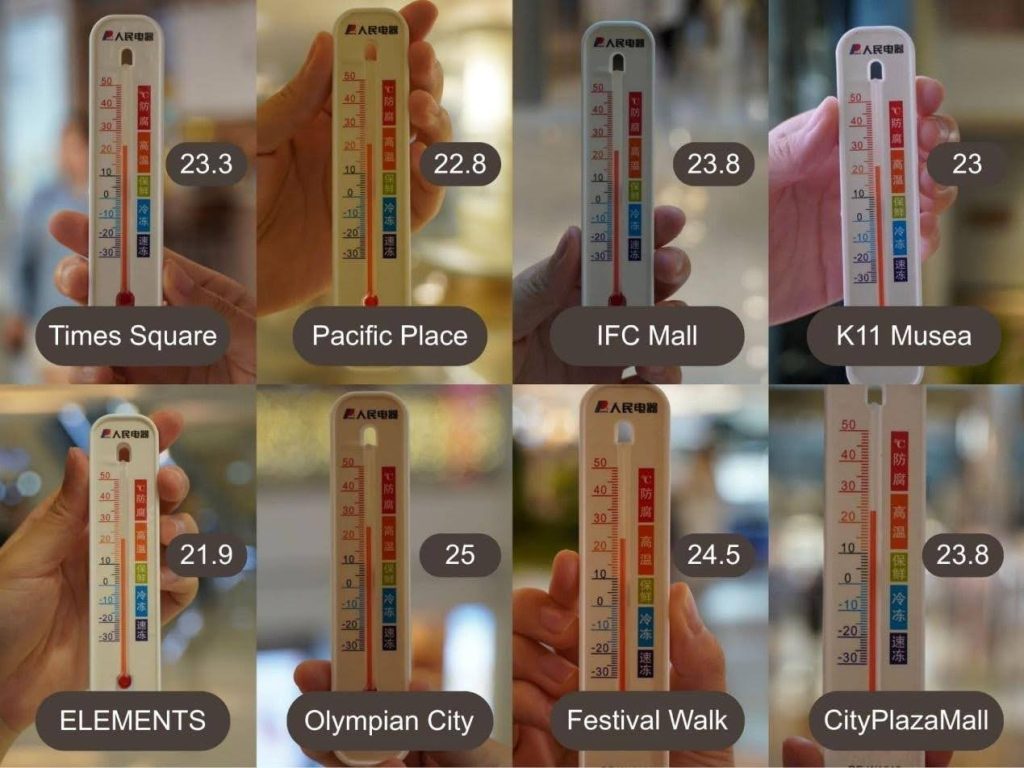
- 2026: Earth.Org conducts its own site visits on May 28 and June 6. Despite the public commitments made by management, measurements taken 1.1 meters above floor level confirmed that, with the exception of Olympian City and Festival Walk, the vast majority of participating malls remained consistently below 24°C.
The Economics of "Feeling Cold"
Why do these venues continue to ignore their own commitments? The answer, according to experts, is rooted in a blend of consumer psychology and economic fear.
Dr. Xu Yuan, an Associate Professor at the Chinese University of Hong Kong, argues that overcooling is a "rational decision to maximize profit." Malls operate on the assumption that shoppers have a distinct "preference for cold." In the minds of retail managers, a slightly too-warm environment is a deterrent that drives customers to exit, whereas an overly cold environment is rarely cited as a reason to leave.
Furthermore, the city’s unique climate creates a technical hurdle. Alan Lam, Deputy Principal of the Asian Institute of Built Environment, points out that Hong Kong’s humidity is a major factor. "When you raise the temperature, the relative humidity rises," Lam explains. "Warmer air holds more moisture, making the space feel stuffy and damp. To keep the air feeling crisp, malls keep the temperature artificially low to drive down humidity levels."
Official Responses and Regulatory Gaps
When pressed on the issue, the Environment and Ecology Bureau and the Electrical and Mechanical Services Department maintained that they conduct regular reviews. They stated that participating premises that fail to meet the standards are provided with feedback and requested to make adjustments. They emphasized that, historically, businesses have "responded positively" to these recommendations.
However, critics argue that the reliance on voluntary compliance is fundamentally flawed. Steven Chan of The Green Earth notes that without meaningful enforcement or public-facing monitoring, the Charter acts more as a public relations tool than a climate policy. "Many malls continue to maintain unnecessarily low temperatures because there is no penalty for non-compliance," Chan says.
The Social Dilemma: Malls as Public Shelters
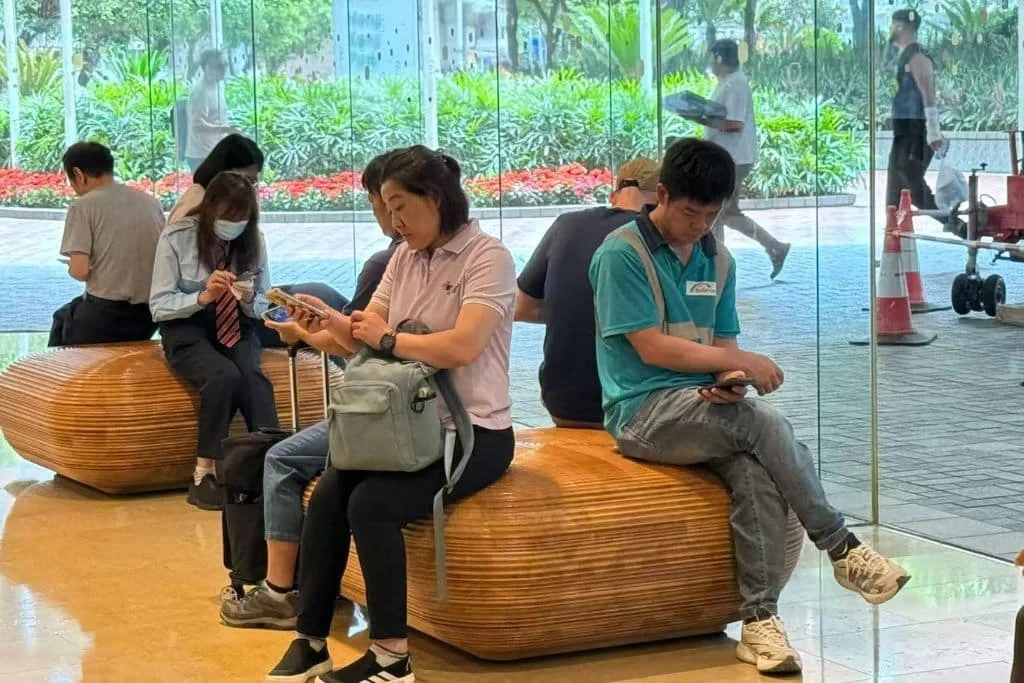
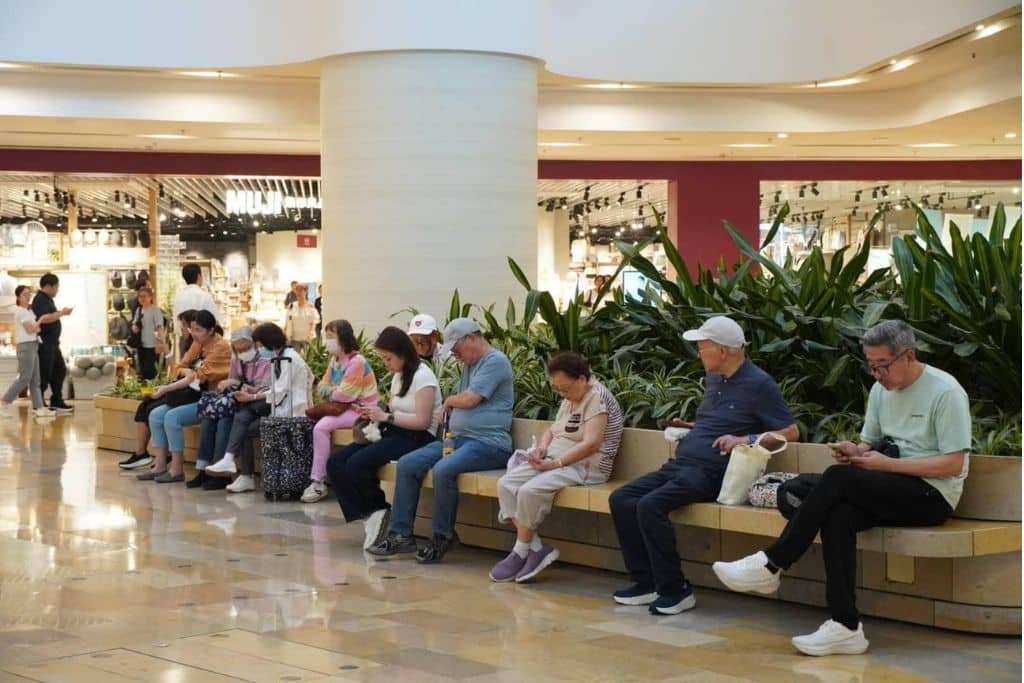
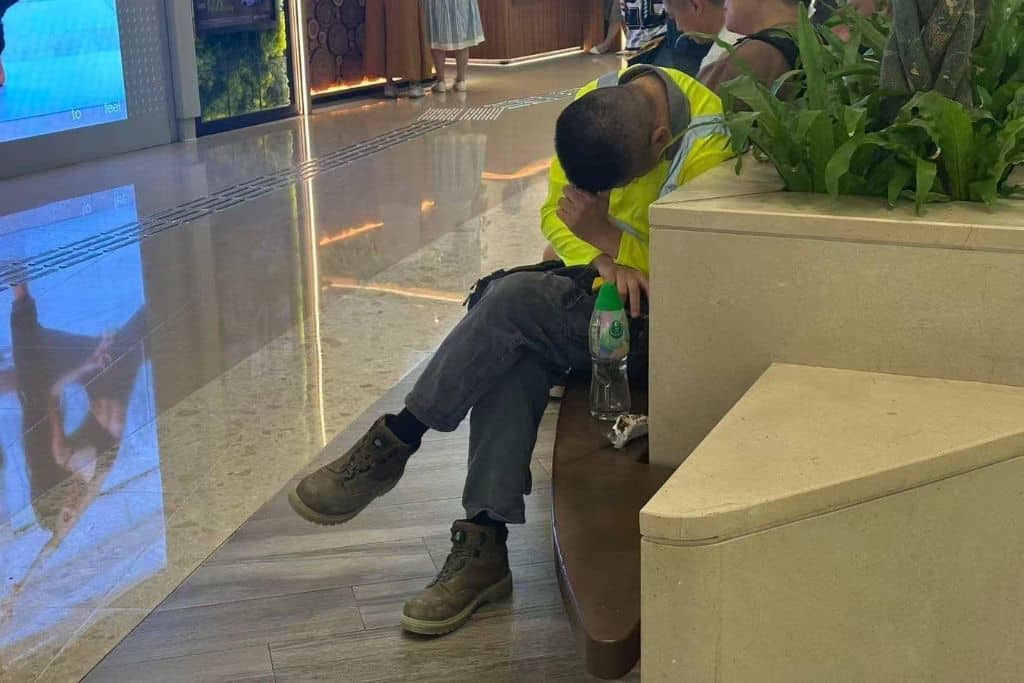
The narrative of "energy waste" is only half the story. As extreme heatwaves become more frequent and intense, the social function of the shopping mall is undergoing a transformation. For the elderly, the urban poor, and outdoor workers, these buildings are often the only accessible refuge from life-threatening temperatures.
On a day when the mercury hit 32.8°C, 73-year-old Wong Tai-ming was found resting on a bench in Pacific Place. A local worker, he uses the air-conditioned mall as his daily lunch-hour sanctuary. He is not an outlier; across the city, public seating areas in malls are permanently occupied by those who cannot afford to cool their own homes.
Professor David Bishai of the University of Hong Kong’s School of Public Health warns against a simplistic approach to energy saving. "If we turned off our air conditioners in the name of carbon reduction, the mortality rate would skyrocket," he notes. For vulnerable populations, the cooling provided by these buildings is a matter of public health, not luxury.
Moving Toward a Sustainable Future
To reconcile the need for energy efficiency with the necessity of cooling, experts propose a shift in both technology and policy.
1. Zone-Specific Cooling
Current infrastructure in most malls treats the entire building as a single thermal zone. This is inherently inefficient. As Alan Lam suggests, "Shops generate their own heat—from spotlights, displays, and high foot traffic. We need zone-specific controls that can adjust cooling based on real-time occupancy and equipment heat loads."
2. Visibility and Accountability
The Green Earth has proposed implementing an "Energy Utilization Index" (EUI) that would be displayed in mall lobbies. Much like the energy labels on household appliances, a color-coded, public-facing rating system would force transparency upon property managers, allowing the public to see which buildings are truly committed to sustainability.
3. Economic and Regulatory Shifts
Dr. Xu Yuan suggests that the government move beyond the "voluntary" model. Drawing a parallel to the "Fair Winds Charter"—a shipping industry initiative that eventually paved the way for mandatory low-sulfur fuel regulations—Xu argues that the government should offer subsidies to high-end malls to upgrade their cooling technology. Once a critical mass of these major venues is onboarded through incentives, the government would be in a stronger position to legislate mandatory minimum temperatures for all commercial buildings.
Conclusion: A Balancing Act
The challenge of overcooling in Hong Kong serves as a microcosm of the global climate crisis. It highlights the friction between the corporate desire for foot traffic, the public’s need for safety in a warming world, and the existential requirement to lower emissions.
"It is never too late," Dr. Xu states. Whether through smarter building technology, mandatory legislation, or a rethinking of the social role of commercial spaces, Hong Kong stands at a crossroads. As the planet continues to warm, the city must move beyond the "voluntary" status quo and develop a comprehensive strategy that ensures its residents remain cool—without costing the planet its future.