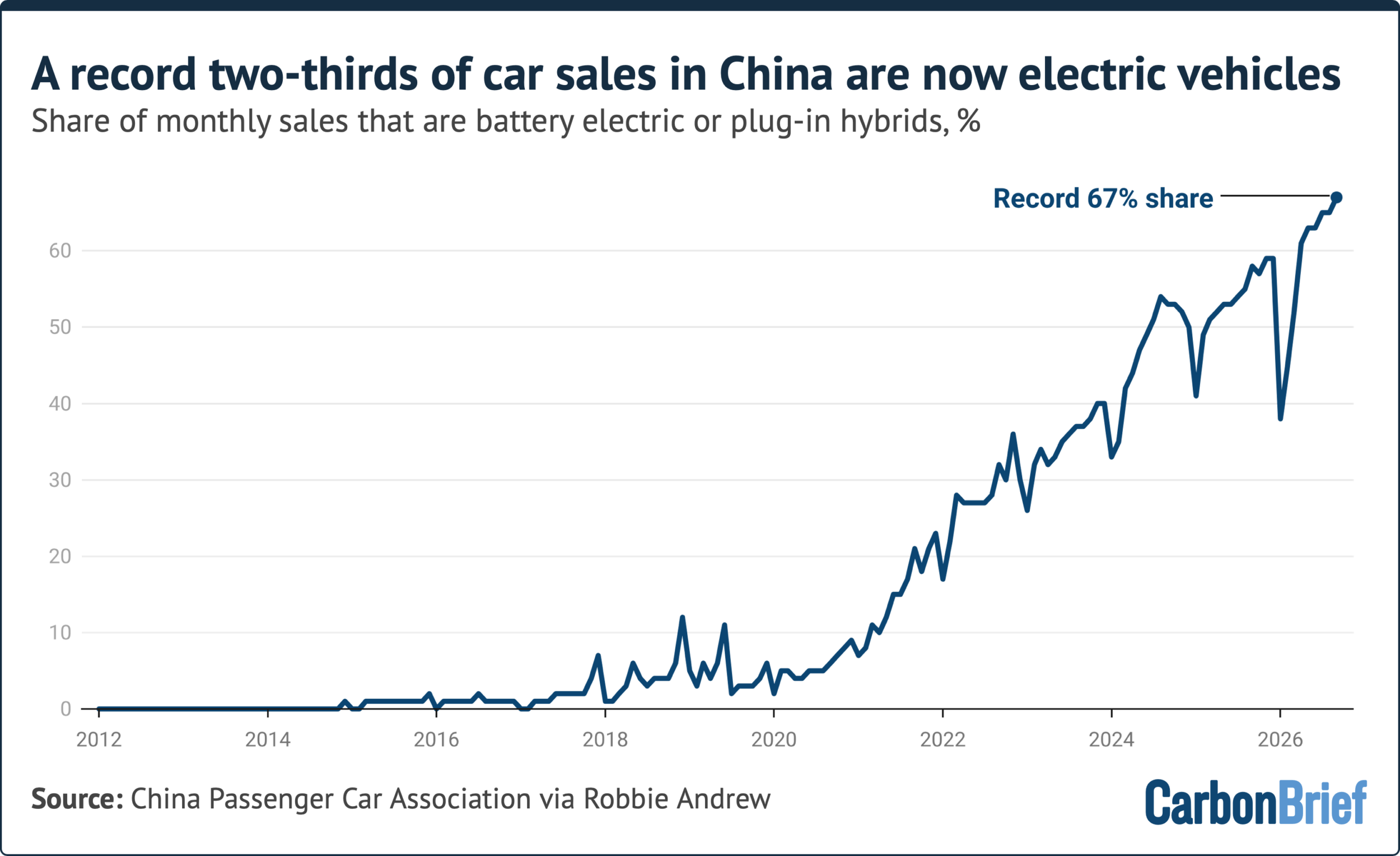
In a historic shift for the world’s largest automotive market, new-energy vehicles (NEVs)—comprising battery electric vehicles (BEVs) and plug-in hybrids (PHEVs)—accounted for a staggering 67% of all new car sales in China this September. This milestone, confirmed by data from the China Passenger Car Association (CPCA), represents a watershed moment in the global transition toward electrification, signaling that the dominance of the combustion engine is effectively entering its twilight years.
While the absolute volume of car sales has faced headwinds, the structural transformation of the Chinese market remains undeniable. As traditional fuel-powered vehicles continue to retreat from showrooms, NEVs are increasingly becoming the default choice for Chinese consumers, driven by a combination of technological maturity, government support, and the urgent necessity of energy security.
The Chronology of a Market Transformation
The path to this 67% market share has been nothing short of meteoric. Only five years ago, in 2020, NEVs captured a mere 6% of the Chinese passenger car market. By the end of 2026, that figure had surged to 58%, before hitting the record-breaking 67% mark in September alone.
This trajectory, however, has not been linear. The year 2026 began with significant friction; in January, the NEV market share dropped to 39% following the expiration of a decade-long nationwide purchase tax exemption in December 2025. This "policy cliff" created a temporary cooling effect. Yet, the resilience of the EV sector was quickly demonstrated throughout the year as manufacturers adapted to the new fiscal landscape, with the market share steadily climbing back to its current record levels.
The broader passenger car market, meanwhile, has struggled. Total retail sales volumes in September fell by 28% year-on-year. While both combustion and NEV categories faced downward pressure, the decline was starkly asymmetric: combustion-engine vehicle sales plummeted by 43% compared to the previous year, while the overall NEV category saw a more moderate decline of 17%. Within the NEV segment, pure BEVs proved the most resilient, with a modest 8.5% decline in September, highlighting a clear consumer preference shifting away from traditional fuels.
Supporting Data: The Decline of the Internal Combustion Engine
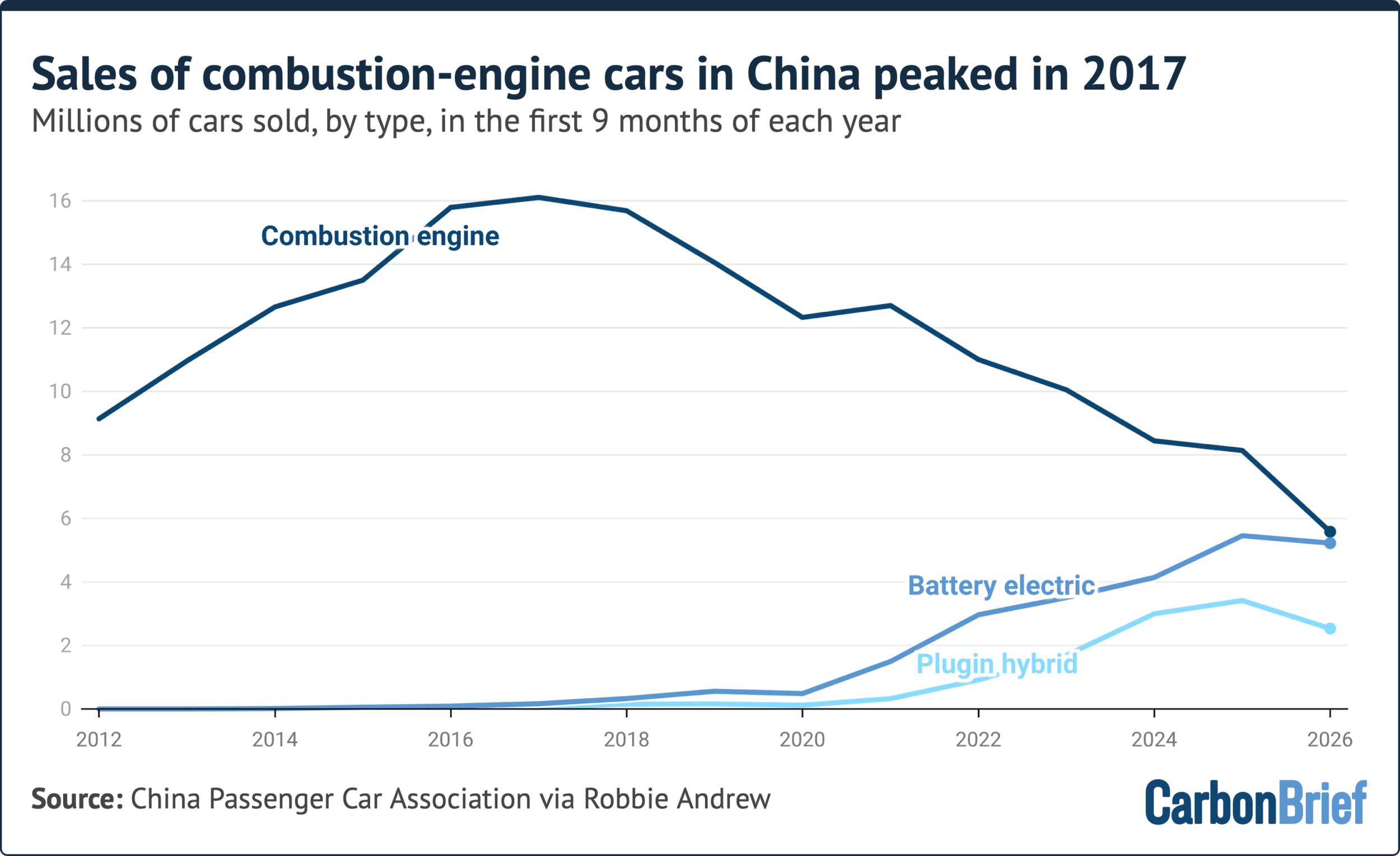
The decline of the combustion-engine car is not a recent phenomenon but the acceleration of a trend that began in 2017, when sales of internal combustion engine (ICE) vehicles peaked in China. Since then, the market has seen a sustained, long-term erosion of demand for gasoline-powered automobiles.
The first nine months of 2026 paint a sobering picture for traditional manufacturers:
- Combustion-only vehicles: Sales are down 31% year-on-year.
- Plug-in Hybrids (PHEVs): Sales have contracted by 26%.
- Battery Electric Vehicles (BEVs): Sales have experienced a marginal decline of only 4%, significantly outperforming the rest of the market.
Analysts from AlixPartners note that while the market is currently experiencing a "demand pull-forward" effect—where many consumers bought vehicles in 2025 to avoid the end of subsidies—the structural decline of the ICE sector is now baked into the market. Even with current economic headwinds, the "strong pipeline" of innovative new EV models is keeping the sector afloat far more effectively than its fossil-fuel counterparts.
The Hormuz Crisis: A Catalyst for Electrification
The rapid shift toward EVs in 2026 is inextricably linked to global geopolitical instability. The "Hormuz crisis," which has severely disrupted oil shipping lanes, has resulted in a 15% drop in China’s oil imports during the first nine months of the year—a shortfall equivalent to 470 million barrels of crude.
This supply-side shock has driven up domestic petrol prices, serving as a powerful, real-world incentive for Chinese consumers to accelerate their move to electric mobility. According to Euan Graham, a senior energy analyst at Ember, China’s rapidly growing fleet of electric passenger cars has already offset the demand for 143 million barrels of oil since the onset of the crisis.
"The strait of Hormuz crisis and the resulting spike in oil prices are reinforcing China’s electrification of road transport," explains Erica Downs, a senior research scholar at Columbia University’s Center on Global Energy Policy. "The world’s largest oil supply disruption serves to vindicate China’s long-term bet on EVs, which was originally conceived, in part, to mitigate the vulnerabilities of oil-supply security."
Official Responses and Strategic Shifts
Chinese industry leaders and regulators are responding to these market realities with a dual-track strategy: stabilizing domestic consumption while aggressively pushing exports.
Cui Dongshu, secretary-general of the CPCA, has acknowledged that while the September sales figures were dampened by a "high baseline" from the previous year and disruptions from the holiday period, the core trend remains clear: petrol cars are "giving up market share" because they are being outperformed by their electric alternatives in both cost-of-ownership and technological sophistication.
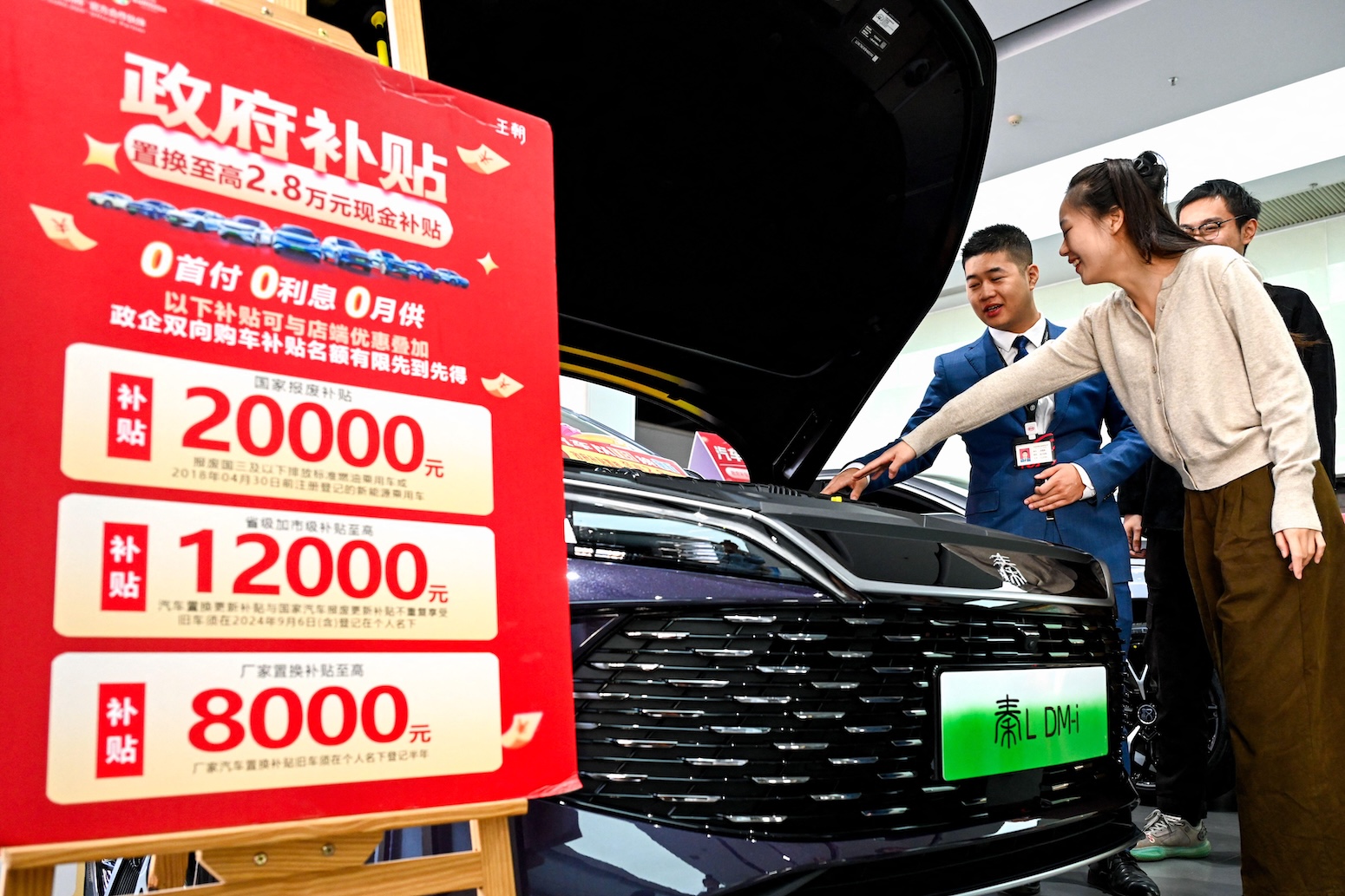
To address the cooling domestic demand, the Chinese government has implemented trade-in policies designed to encourage consumers to swap aging combustion cars for modern NEVs. However, as the domestic market approaches a point of saturation—with some analysts suggesting that the market share for NEVs may plateau around 80%—carmakers are increasingly turning their gaze outward.
The Global Implications: A Surge in Exports
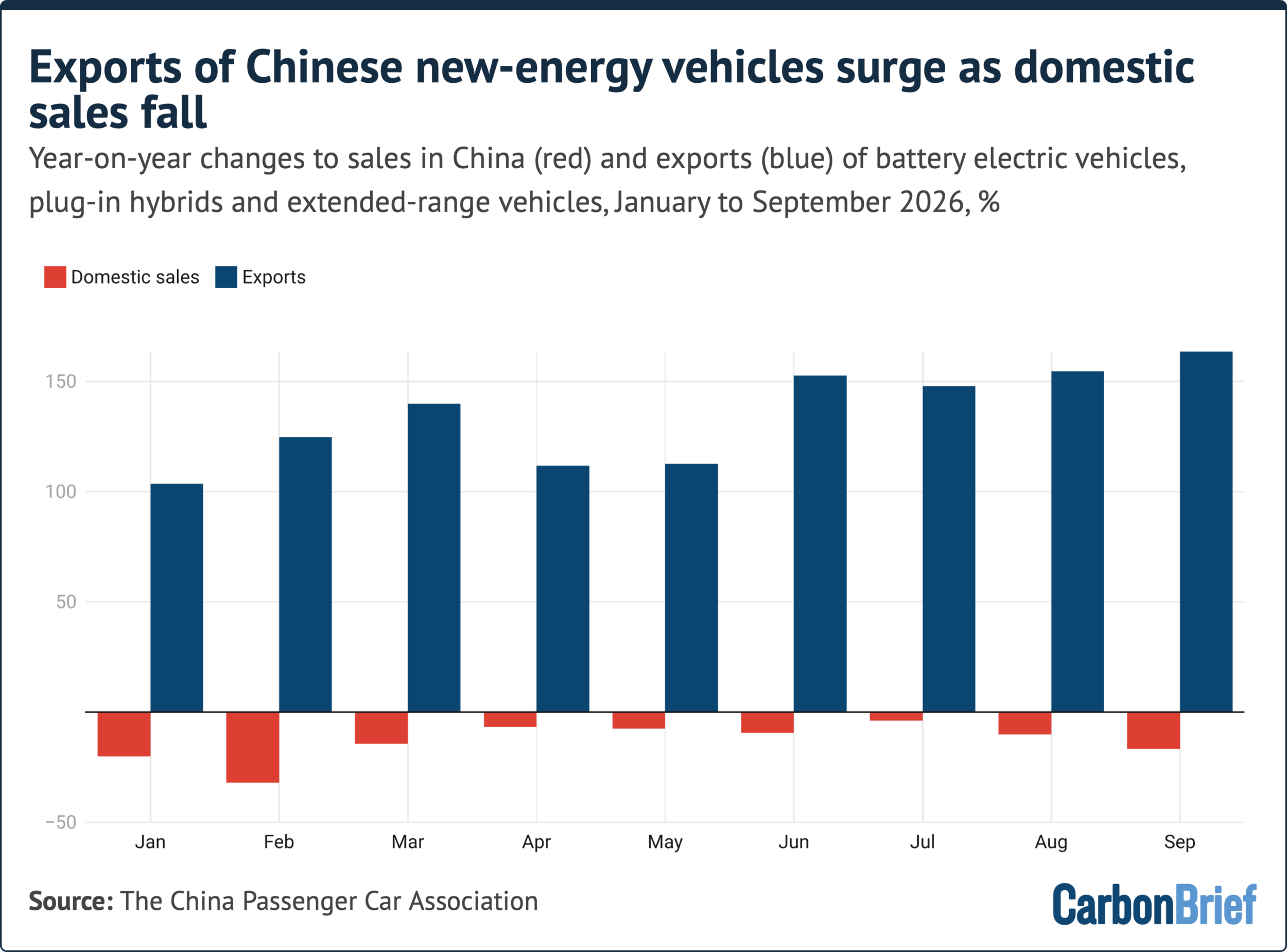
While domestic retail sales faced a 17% decline in September, exports of Chinese NEVs have surged, growing by 164% year-on-year. In September alone, Chinese manufacturers exported 558,000 NEVs. This export-led strategy has made international expansion a "core priority" for major domestic players, as they seek to escape the "cut-throat" competition and thin profit margins of the domestic Chinese market.
This massive influx of Chinese-made EVs has triggered a protectionist backlash in major Western markets. The European Union has imposed tariffs on Chinese EVs, and countries ranging from Mexico to Turkey have introduced their own import restrictions or taxes to protect domestic industries.
The Chinese government’s own policy environment is also evolving. There is growing discussion regarding the reduction of VAT export rebates, a move that could potentially increase the price of Chinese cars abroad. Analysts remain divided on the efficacy of these measures: some believe the impact will be limited due to the inherent price competitiveness of Chinese manufacturing, while others warn that it could signal a cooling of the export boom, forcing manufacturers to further consolidate their domestic operations.
Future Outlook: A New Equilibrium
As we look toward the end of 2026 and into 2027, the Chinese automotive industry stands at a critical juncture. The era of rampant growth for combustion engines has definitively ended, replaced by an era where energy security and technological innovation are the primary drivers of market share.
The challenges remain significant. With tighter financing conditions and a saturated domestic market, Chinese automakers are under immense pressure to innovate. The potential ceiling of 80% market share for NEVs suggests that while the transition is profound, it will likely stabilize, leaving a specialized niche for high-end or specific-use cases where the internal combustion engine may retain a foothold.
However, the evidence from 2026 suggests that the electrification of China is not merely a policy goal; it is a fundamental shift in the nation’s industrial and energy identity. By decoupling its transport sector from the volatility of global oil markets, China is not only rewriting the rules of its own automotive industry but is also setting the pace for the global energy transition. Whether the rest of the world can manage the resulting trade friction and industrial shifts remains the defining question of the next decade.