As the digital landscape shifts under the weight of privacy regulations, evolving consumer behaviors, and the relentless march toward automation, Meta (formerly Facebook) has maintained its position at the center of the advertising world by constantly iterating. The period spanning from late 2020 through the end of 2022 represents one of the most transformative eras for the social media giant.
From the fundamental disruption of Apple’s App Tracking Transparency (ATT) to the aggressive push into Reels and the Metaverse, Meta has forced marketers to adapt their strategies with unprecedented speed. This article synthesizes the key updates, policy shifts, and strategic pivots that have defined Meta’s platforms over the last two years, providing a roadmap for what lies ahead in 2023 and beyond.
The Strategic Pivot: Reels, Groups, and the Metaverse
If 2021 was a year of adjustment, 2022 was defined by Meta’s all-in commitment to a new vision. The company’s focus moved decisively toward three pillars: short-form video, community-driven engagement, and the long-term, multi-billion-dollar bet on the Metaverse.
Continued Emphasis on Reels
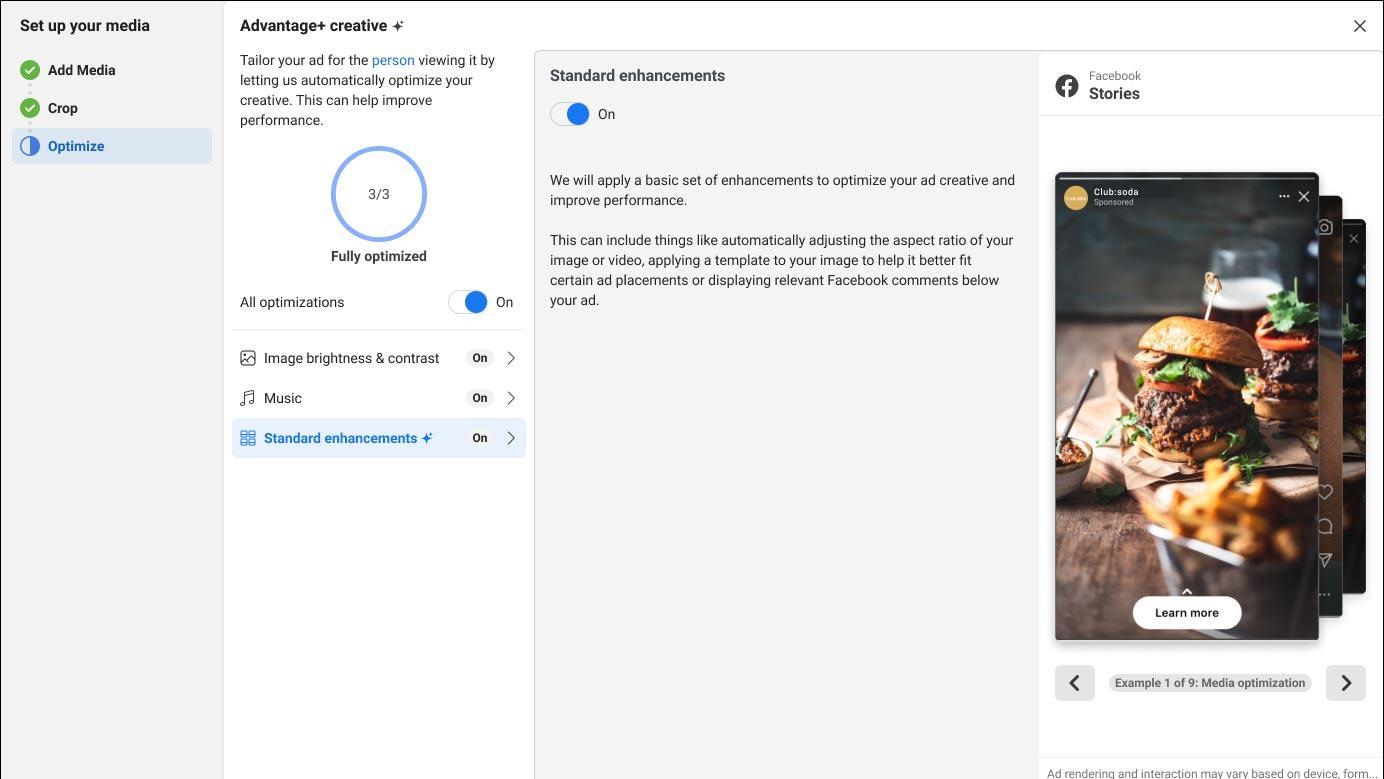
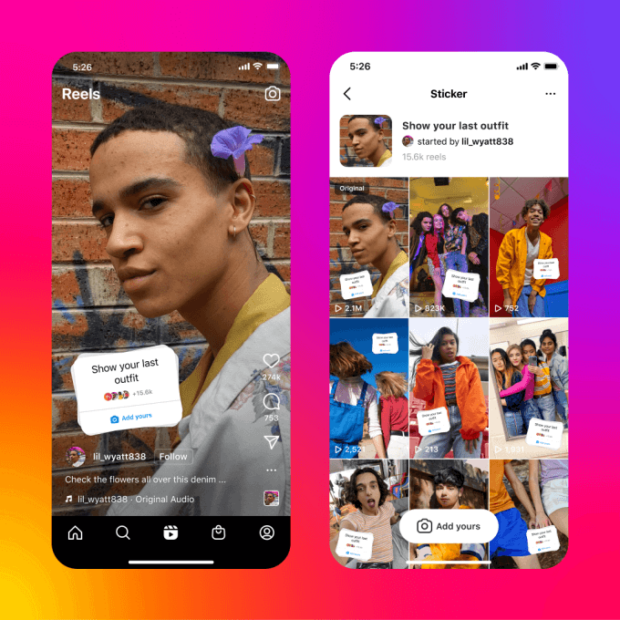
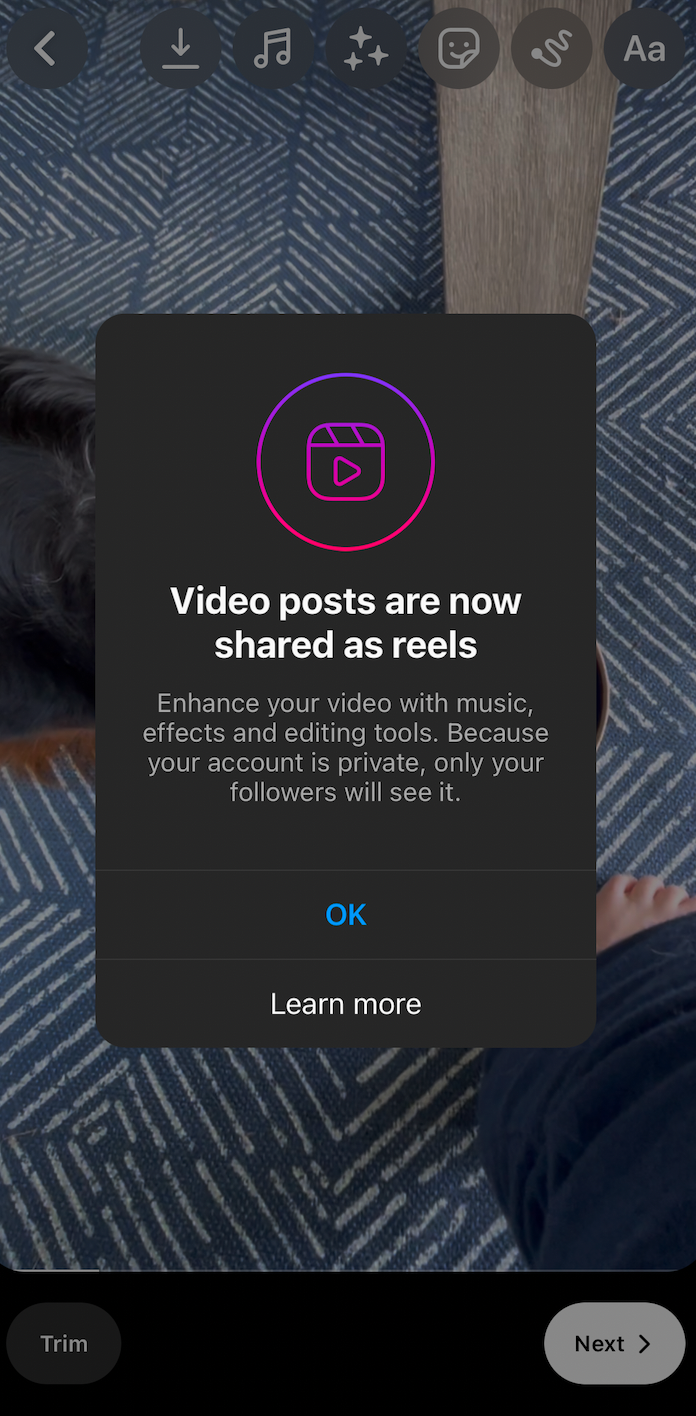
Reels have transitioned from a secondary feature to the heartbeat of the Meta ecosystem. In 2022, Meta made it clear that video is no longer just a content format—it is the primary driver of traffic and revenue. With native scheduling now available for both Facebook and Instagram, and the integration of Reels into the primary feed, Meta has streamlined the creator experience. For advertisers, the message is clear: if you aren’t producing short-form, mobile-first video, your engagement metrics will likely suffer.
The Power of Facebook Groups
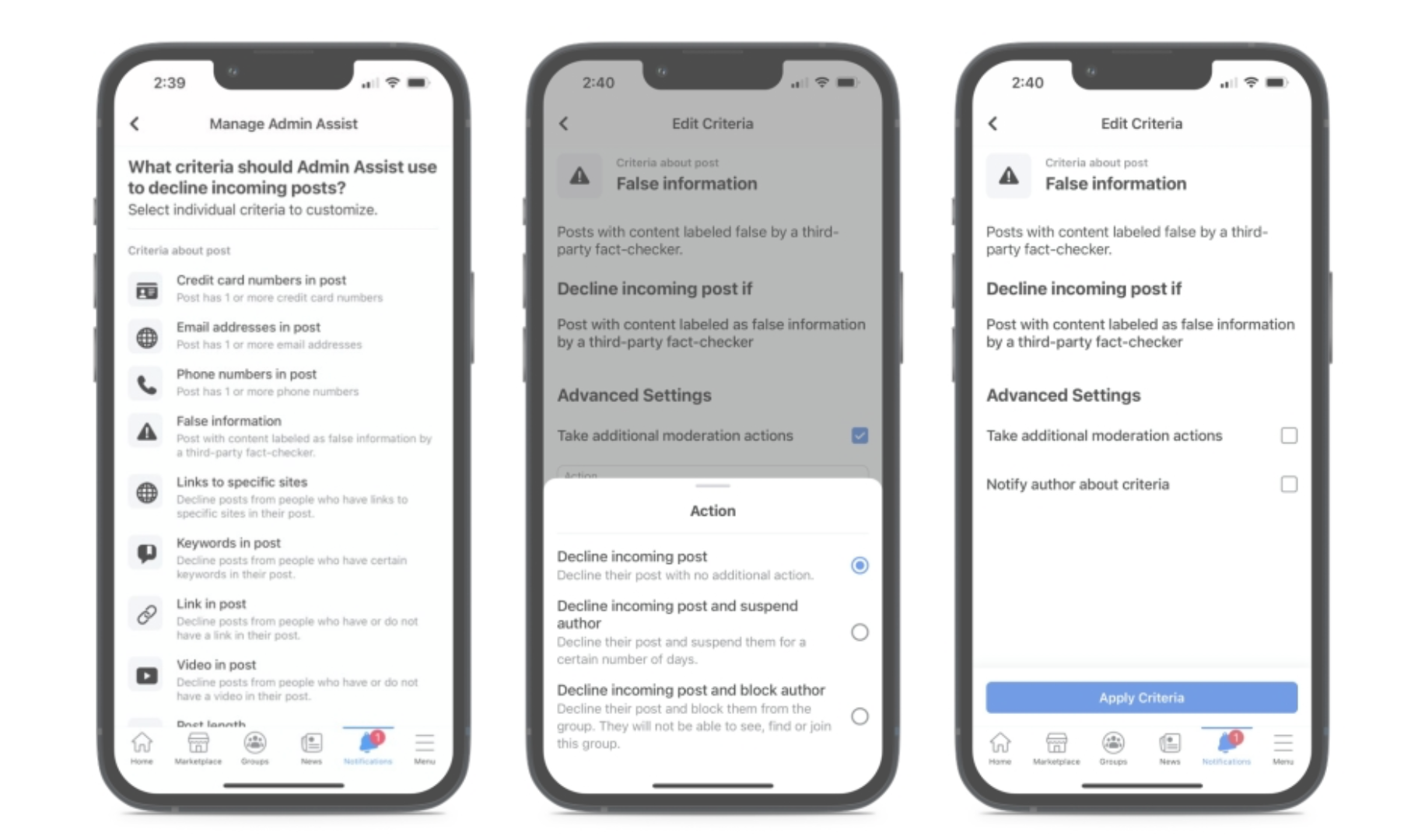
While algorithmic feeds are increasingly automated, Groups remain a bastion of human connection. Meta’s continued investment in moderator tools and subscription-based Groups signals a desire to turn Facebook into a hub for "meaningful communities." For businesses, this offers a unique, high-engagement environment that is shielded from the volatility of public newsfeeds, providing a fertile ground for brand nurturing and loyalty building.
The Metaverse and Long-Term R&D
Mark Zuckerberg’s decision to commit over $36 billion to the Metaverse remains the most polarizing aspect of Meta’s current strategy. Despite the absence of immediate commercial success in virtual and augmented reality, the investment underscores a long-term belief that the next generation of social interaction will be spatial. For 2023, brands should watch for early-adopter opportunities in virtual storefronts and immersive brand experiences, even if mass adoption is still years away.
Chronology of Key Platform Updates
Meta’s development cycle is relentless. Here is a chronological look at how the platforms evolved from the initial disruption of the iOS 14 era to the refined automated tools of late 2022.
2020–2021: Privacy and Policy Foundations
- iOS 14 & ATT (April 2021): The launch of Apple’s App Tracking Transparency was the most significant event in recent digital advertising history. It crippled traditional pixel-based retargeting, forcing Meta to develop server-side tracking and new conversion APIs.
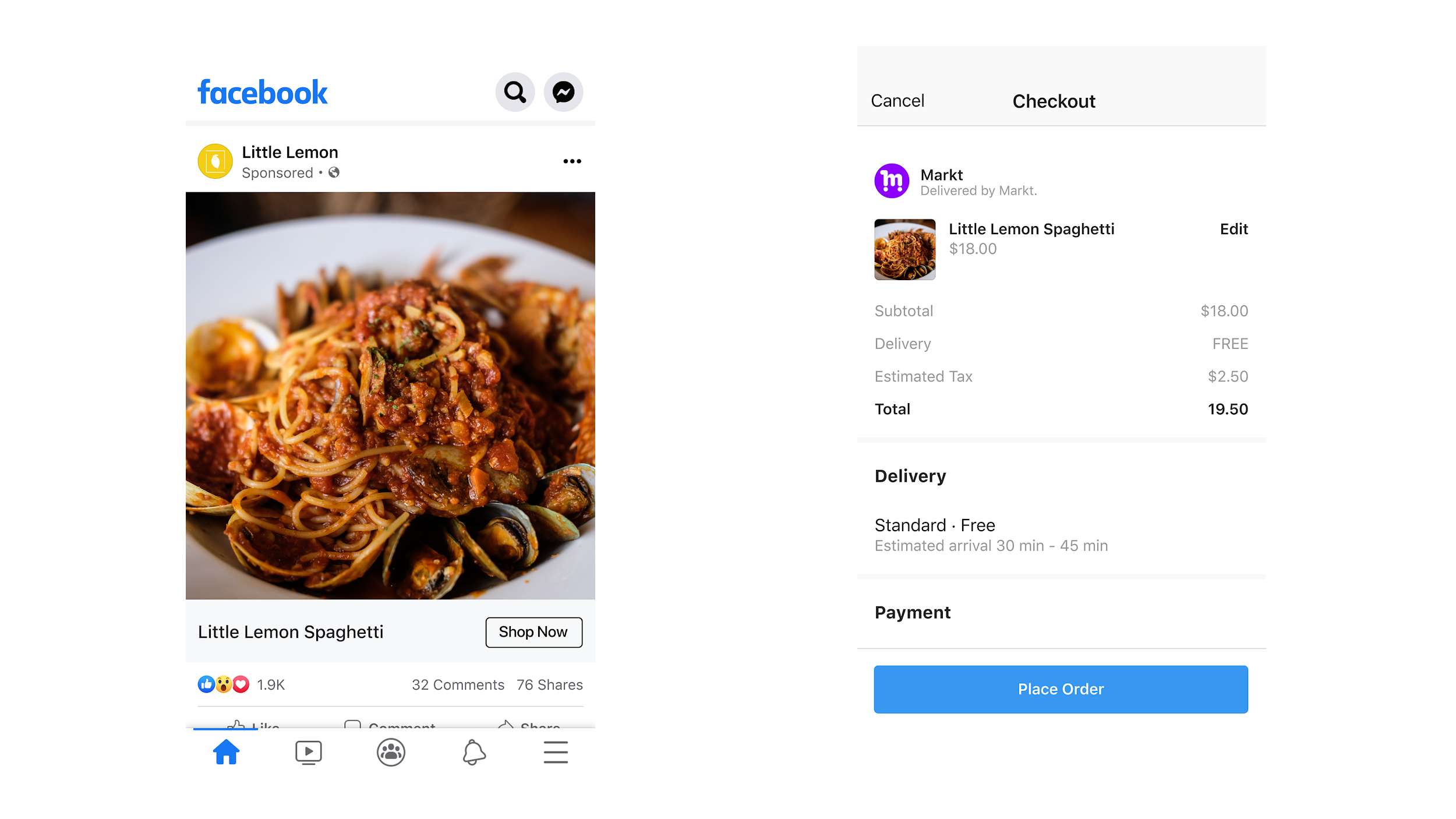
- Facebook Shops (May 2020): Meta launched native, mobile-friendly shops, allowing for a seamless checkout experience that keeps users within the ecosystem.
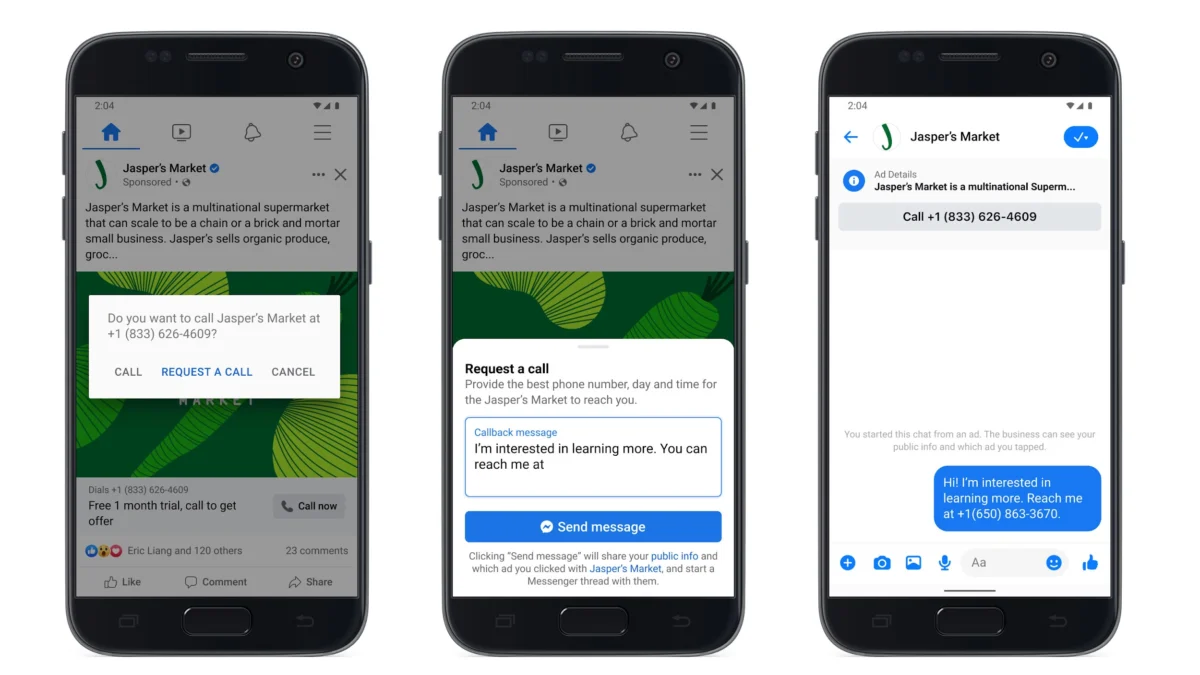
- Messenger Policy Updates (2020–2021): To improve customer experience, Meta tightened the 24-hour response window, forcing businesses to be more proactive in their communication strategies.
2022: Automation and Creative Control
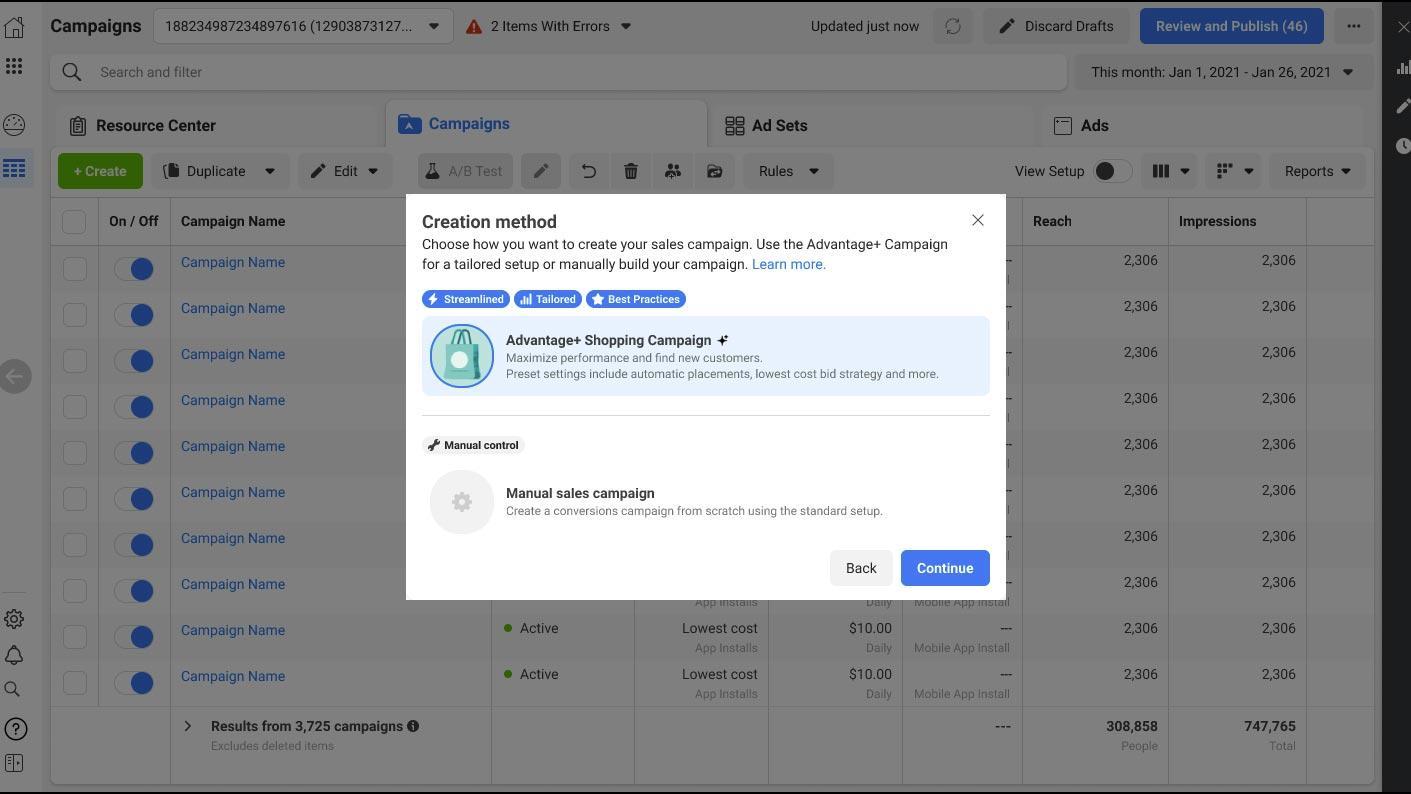
- Advantage+ Campaigns (August 2022): This represents the current pinnacle of Meta’s automation. By utilizing machine learning to handle creative testing and audience targeting, Advantage+ has become the go-to tool for advertisers looking to lower their cost-per-purchase.
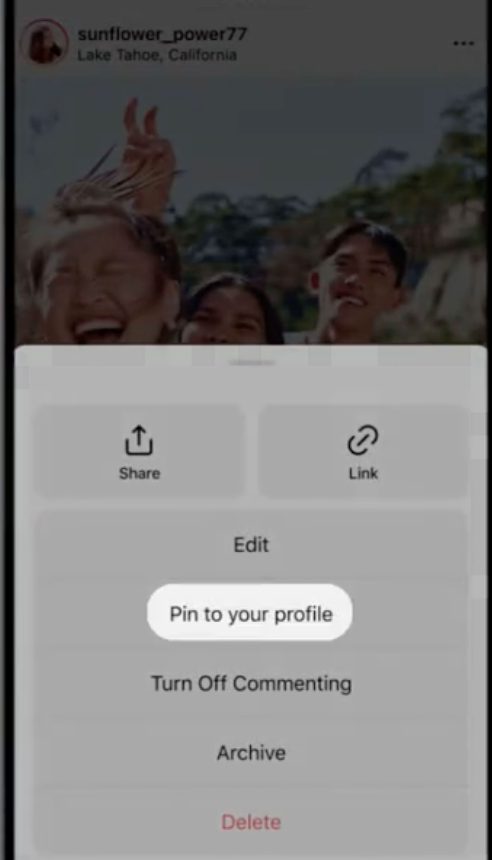
- Instagram Native Scheduling (December 2022): A long-awaited feature that finally allowed creators and businesses to manage their content calendar directly from the Instagram app, eliminating the need for some third-party tools for basic planning.
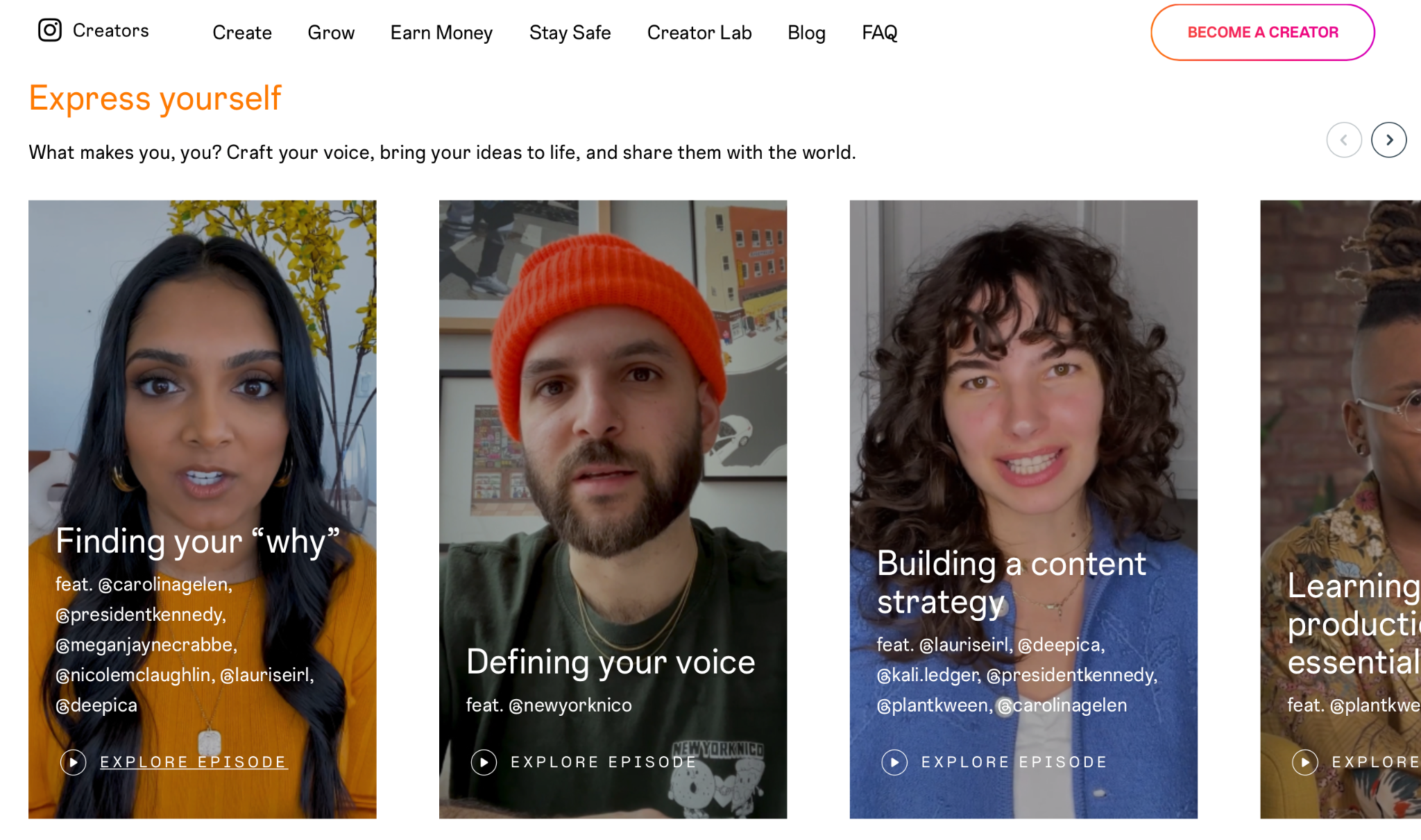
- Creator Marketplace: Meta’s move to facilitate brand-creator partnerships directly within the Business Suite dashboard signaled a maturation of the influencer economy on the platform.
Supporting Data and Performance Metrics
The shift toward automation is not merely a feature release; it is a response to performance data. Internal tests conducted by Meta during the rollout of Advantage+ Shopping campaigns revealed that the automated approach consistently outperformed manual setups. In 15 A/B tests conducted in late 2022, these campaigns led to a 12% lower cost-per-purchase conversion compared to standard, manually managed ads.

Furthermore, the data regarding Brand Safety, validated by the Media Rating Council (MRC) accreditation in late 2022, provides necessary assurance to major advertisers. By allowing third-party auditors to review processes for Instant Articles and In-Stream video, Meta has effectively addressed concerns about ad placement, ensuring that brands do not appear alongside objectionable content.
Official Responses and Platform Governance
Meta has consistently framed its updates through the lens of "privacy-first personalization." In response to criticism regarding the use of user data, the company has released tools such as the Data Use Checkup and the "Clear History" tool.

In official statements, leadership, including Dan Levy (VP of Ads & Business Products), has emphasized that the goal is to "build the next era of personalized experiences." This rhetoric suggests that Meta acknowledges the end of the "wild west" of data tracking and is actively pivoting toward a model that relies on aggregated data and machine learning to achieve relevance without violating user trust.
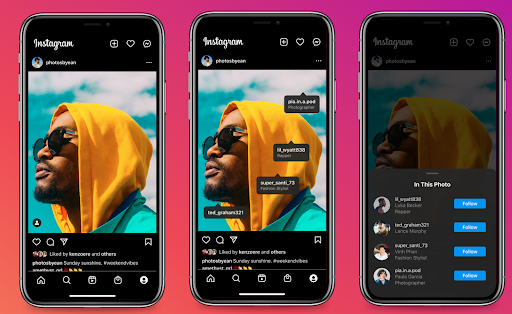
Regarding the crackdown on "coordinated inauthentic behavior," Meta’s public statements reflect a move toward proactive content moderation. By using AI to flag deepfakes and suspicious network activity, Meta is attempting to position itself as a steward of platform integrity—a move intended to appease both regulators and skeptical advertisers.
Implications for Advertisers in 2023
As we look at the current state of the platform, the implications for marketers are clear:
- Embrace the Black Box: The success of Advantage+ campaigns indicates that human intervention in targeting is becoming less efficient than machine learning. Advertisers should focus less on "micro-targeting" and more on providing high-quality, diverse creative assets that give the algorithm enough data to work with.
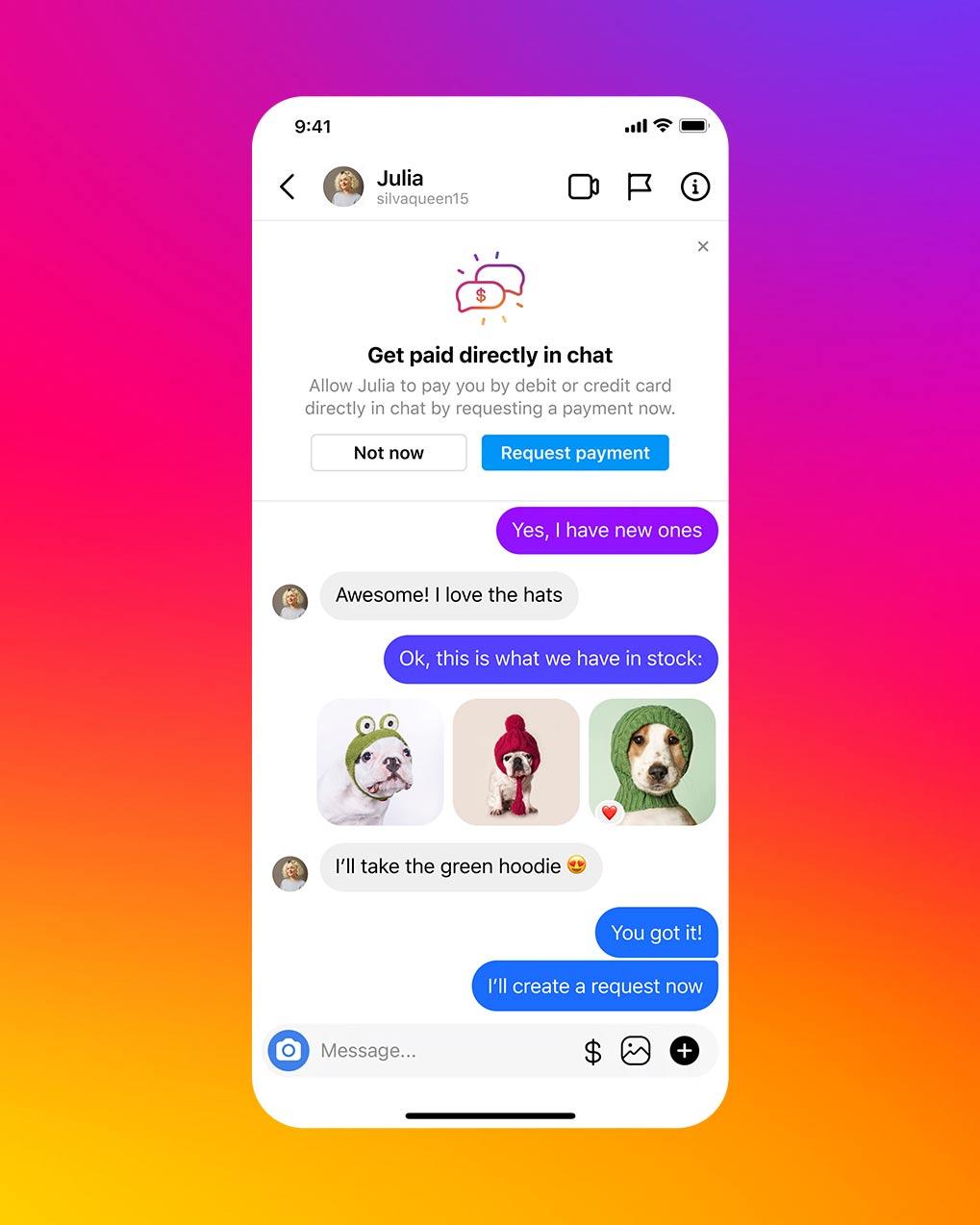
- Prioritize Conversational Commerce: With the integration of WhatsApp, Instagram DMs, and Messenger into a unified inbox, customer service is now a marketing function. Businesses that leverage these tools for proactive outreach—and not just reactive support—will capture higher intent leads.
- Prepare for the "Social-First" Funnel: The merging of IGTV with Feed videos and the expansion of Reels Ads means the traditional funnel is dead. Awareness and conversion are happening in the same 30-second window. Creative strategy must now prioritize "stopping the scroll" while simultaneously driving a clear, immediate action.
- Community Over Reach: As organic reach continues to fluctuate, the ROI of building a private Facebook Group or an engaged Instagram community is higher than ever. These audiences are less susceptible to algorithm changes and offer a more stable, loyal customer base.
Final Thoughts
Meta is no longer just a social network; it is a robust commerce and entertainment ecosystem. The updates from 2020 through 2022 reflect a company that is fighting to keep its relevance in a privacy-centric world while simultaneously building the architecture for the next decade of digital interaction. For the savvy advertiser, the path forward is not to fight the algorithm, but to provide the fuel—creative, diverse, and authentic content—that the machine requires to find success.